Loading concepts…


12 Concepts
7 Concepts
10 Concepts
13 Concepts
10 Concepts
12 Concepts
15 Concepts
8 Concepts
14 Concepts
9 Concepts
21 Concepts
13 Concepts
12 Concepts
10 Concepts
14 Concepts
15 Concepts
10 Concepts
10 Concepts
10 Concepts
10 Concepts
12 Concepts
 15 Concepts
 774.4K Views
 Popular topics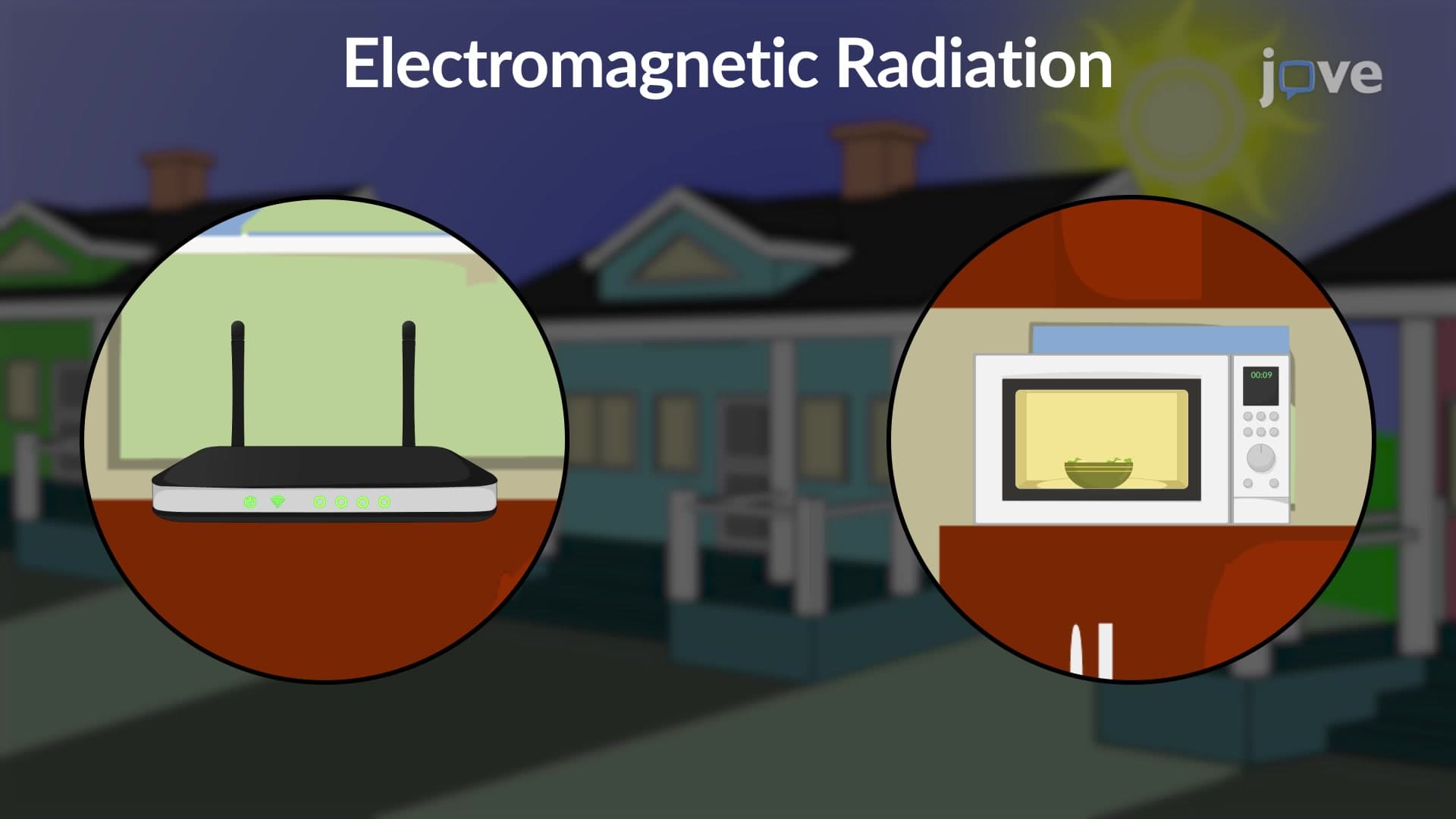









The electronic structure of atoms and quantum numbers form the foundation of modern chemistry and physics. This comprehensive guide explores how electrons behave both as particles and waves, revealing the quantum mechanical model of atomic structure that governs everything from LED lighting to MRI machines. Through JoVE Coach's systematic approach, you'll master atomic orbitals quantum mechanics, electron configurations, and the fundamental principles that explain chemical bonding and periodic trends essential for success in advanced chemistry courses.
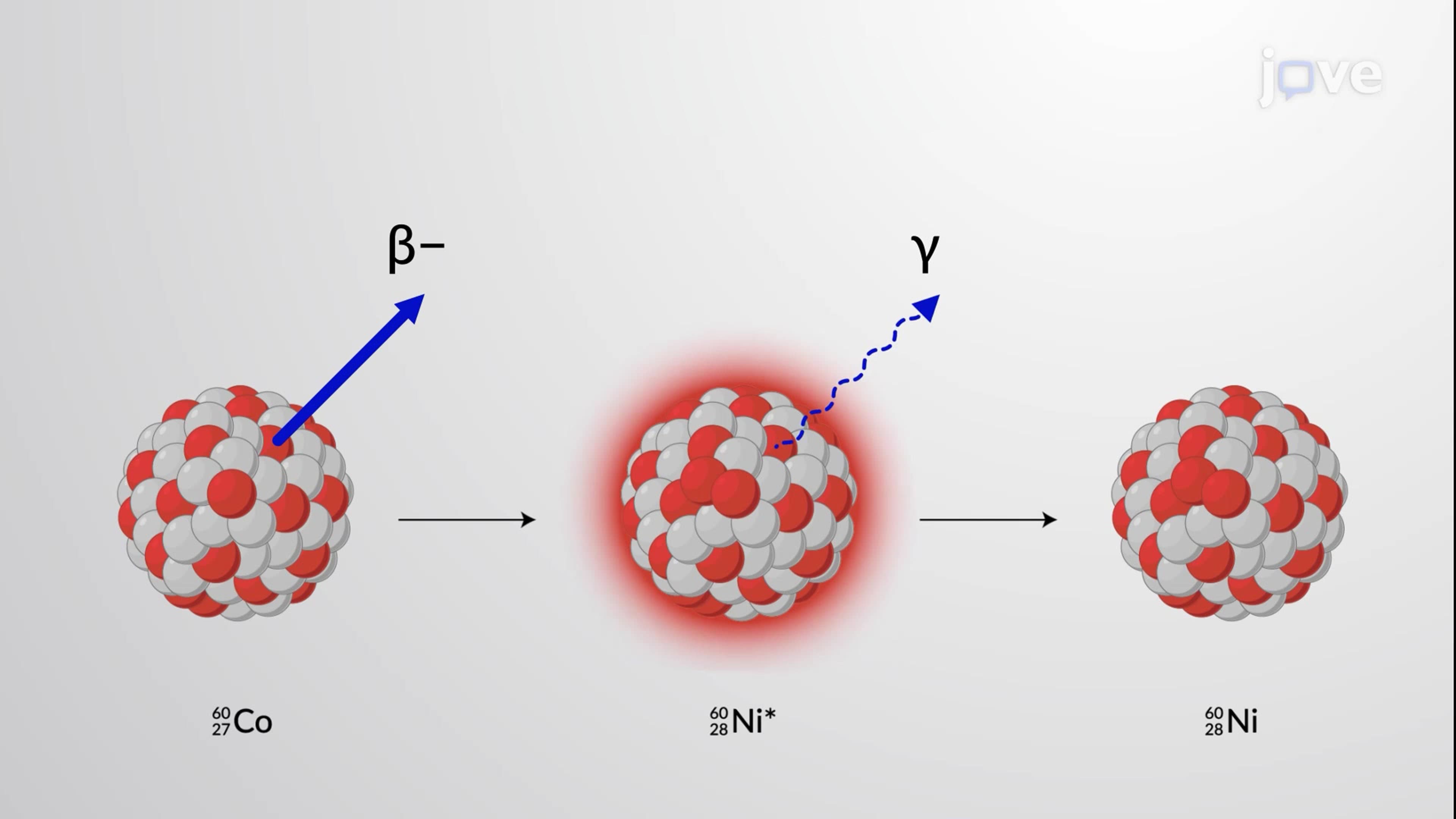
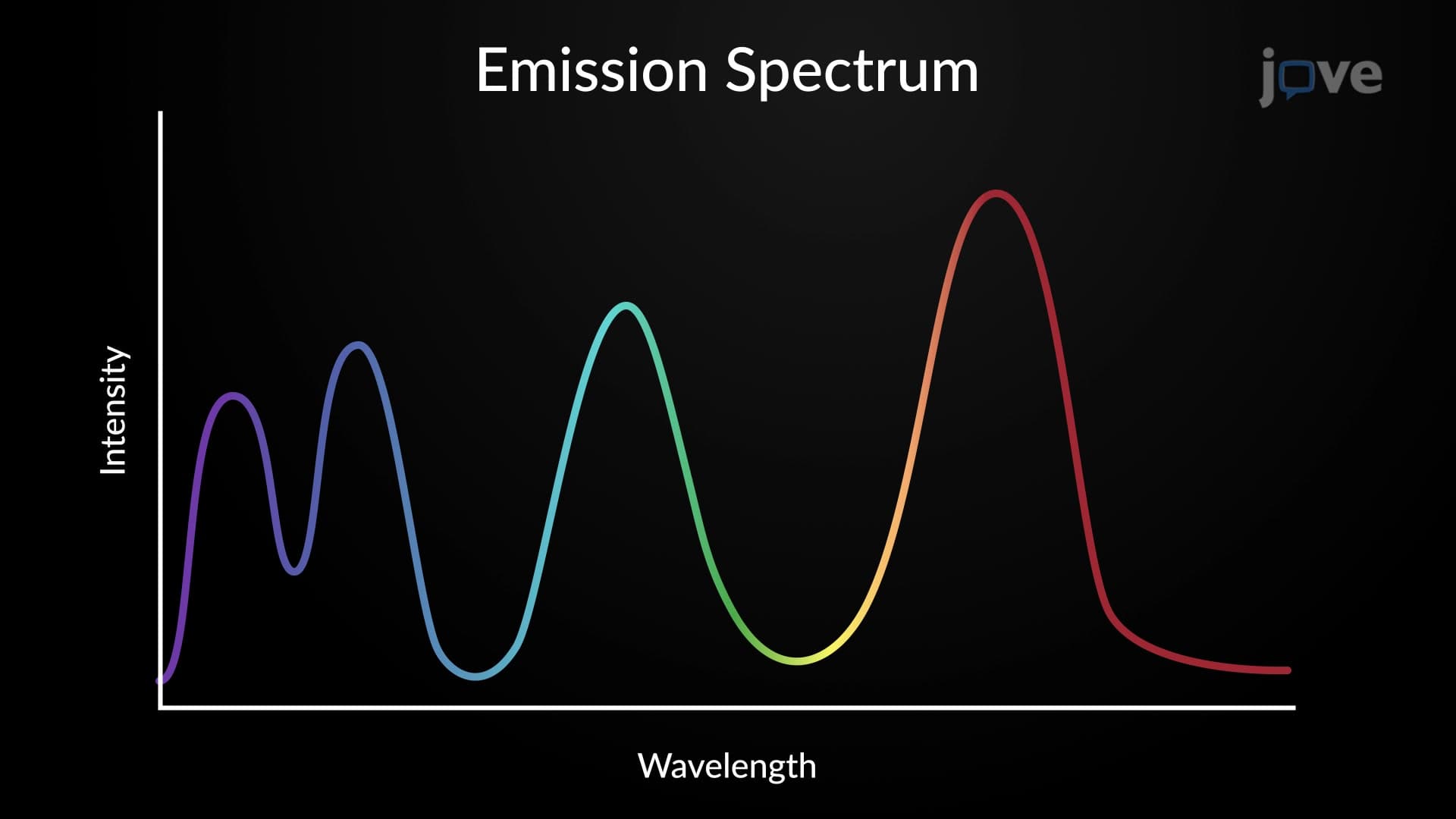
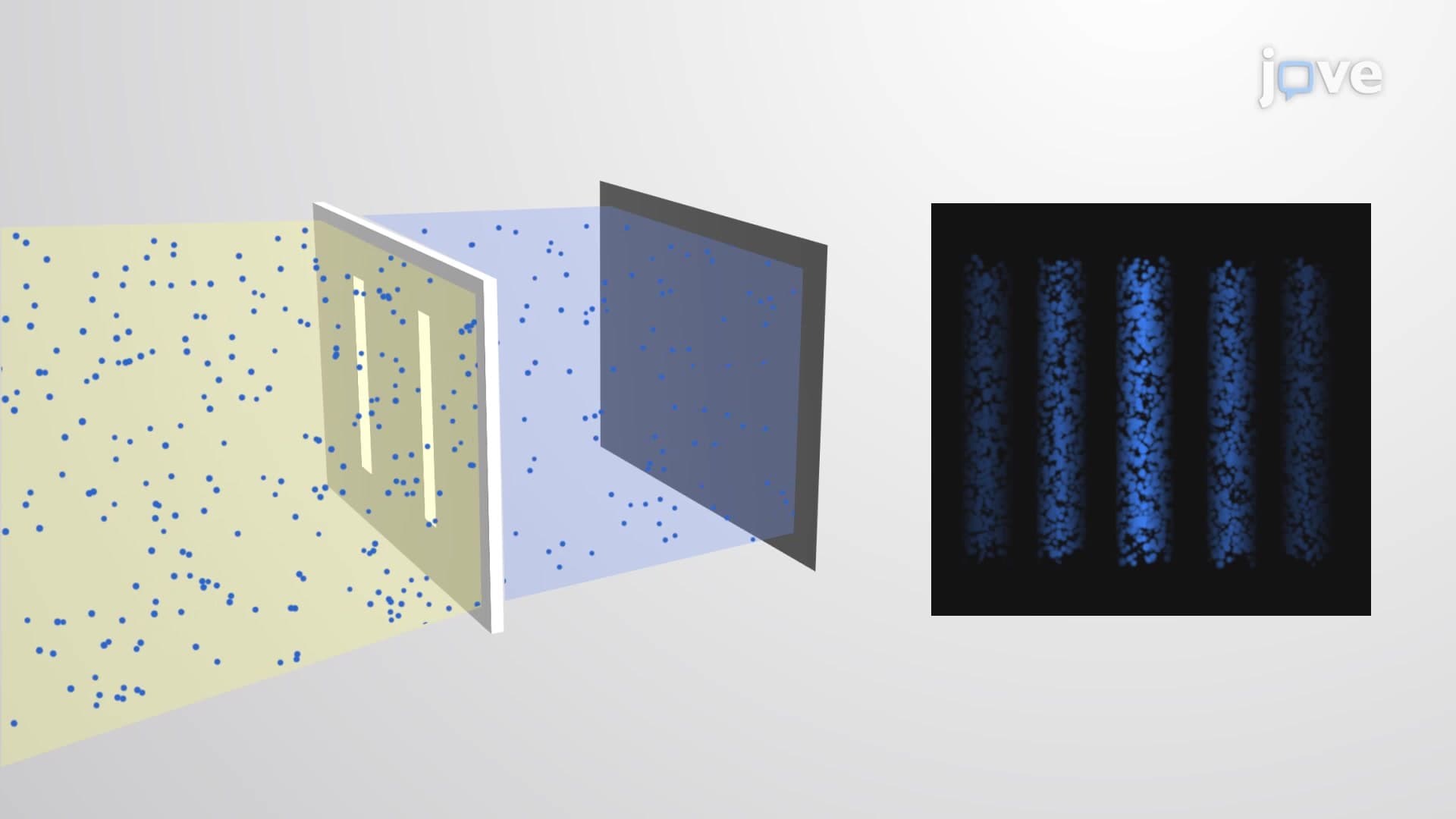
1. Electromagnetic Radiation and Wave Properties: Light behaves as electromagnetic waves characterized by wavelength, frequency, and amplitude. The electromagnetic spectrum ranges from radio waves to gamma rays, with visible light occupying wavelengths of 400-750 nanometers. Wave interference and diffraction demonstrate light's wave nature through constructive and destructive interference patterns. These principles explain how technologies like WiFi, microwave ovens, and medical X-rays function. Understanding wave properties provides the foundation for quantum mechanical concepts and helps explain atomic emission spectra used in forensic analysis and astronomical observations.
2. Photoelectric Effect and Particle Nature of Light: Einstein's explanation of the photoelectric effect revealed light's particle nature through photons-discrete energy packets. Each photon carries energy proportional to its frequency (E = hf), explaining why only high-frequency light can eject electrons from metals regardless of intensity. This dual wave-particle nature revolutionized physics and led to technologies like photoelectric sensors in automatic doors, solar panels for renewable energy, and photodiodes in electronic devices. The concept demonstrates that energy is quantized, setting the stage for understanding atomic energy levels.
3. Bohr Model and Energy Quantization: Bohr's atomic model proposed that electrons orbit the nucleus at fixed energy levels designated by principal quantum numbers (n = 1, 2, 3...). Electrons can only exist at these quantized energy states, absorbing or emitting photons when transitioning between levels. Ground state represents the lowest energy configuration, while excited states occur at higher energies. This model successfully explained hydrogen's emission spectrum and introduced the concept of energy quantization. Although limited to hydrogen-like atoms, Bohr's work provided crucial insights into atomic stability and spectroscopic analysis used in modern analytical chemistry.
4. Wave Nature of Matter and de Broglie Wavelength: De Broglie proposed that all matter exhibits wave properties, with wavelength inversely proportional to momentum (λ = h/mv). For macroscopic objects like baseballs, the wavelength is too small to observe, but for electrons, wave behavior is significant. This concept explains electron diffraction patterns and validates the quantum mechanical model. The wave nature of electrons is utilized in electron microscopy, providing resolution far superior to light microscopy for biological and materials research. Understanding matter waves is essential for grasping how electrons exist as probability clouds rather than definite particles.
5. Heisenberg Uncertainty Principle and Quantum Indeterminacy: The uncertainty principle states that position and momentum cannot be simultaneously determined with perfect precision (Δx × Δmv ≥ h/4π). This fundamental limitation arises from the wave-particle duality of matter and means electron trajectories cannot be predicted like classical objects. Instead of definite paths, electrons exist as probability distributions or electron clouds. This principle underlies the quantum mechanical model and explains why atomic orbitals represent probability regions rather than fixed orbits. The uncertainty principle has practical implications in quantum computing and nanoscale engineering applications.
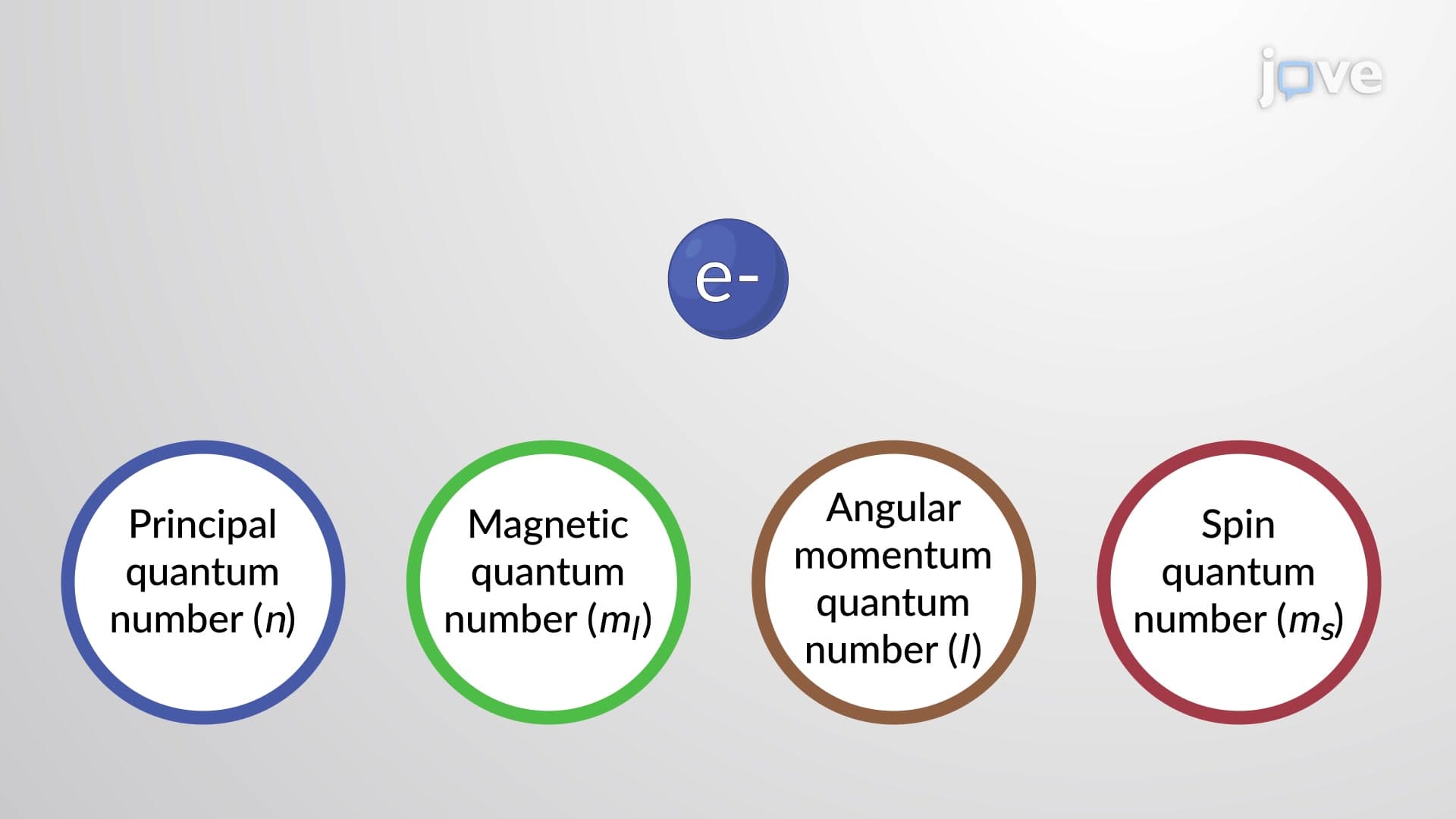
6. Quantum Numbers and Electron Description: Four quantum numbers uniquely identify each electron in an atom: principal (n), angular momentum (l), magnetic (ml), and spin (ms). The principal quantum number determines energy level and distance from the nucleus. Angular momentum quantum number defines orbital shape (s, p, d, f), while magnetic quantum number specifies spatial orientation. Spin quantum number indicates electron's intrinsic angular momentum (±1/2). These quantum numbers are essential for writing electron configurations and understanding chemical bonding. They explain why elements in the same group have similar properties and predict magnetic behavior in materials science applications.
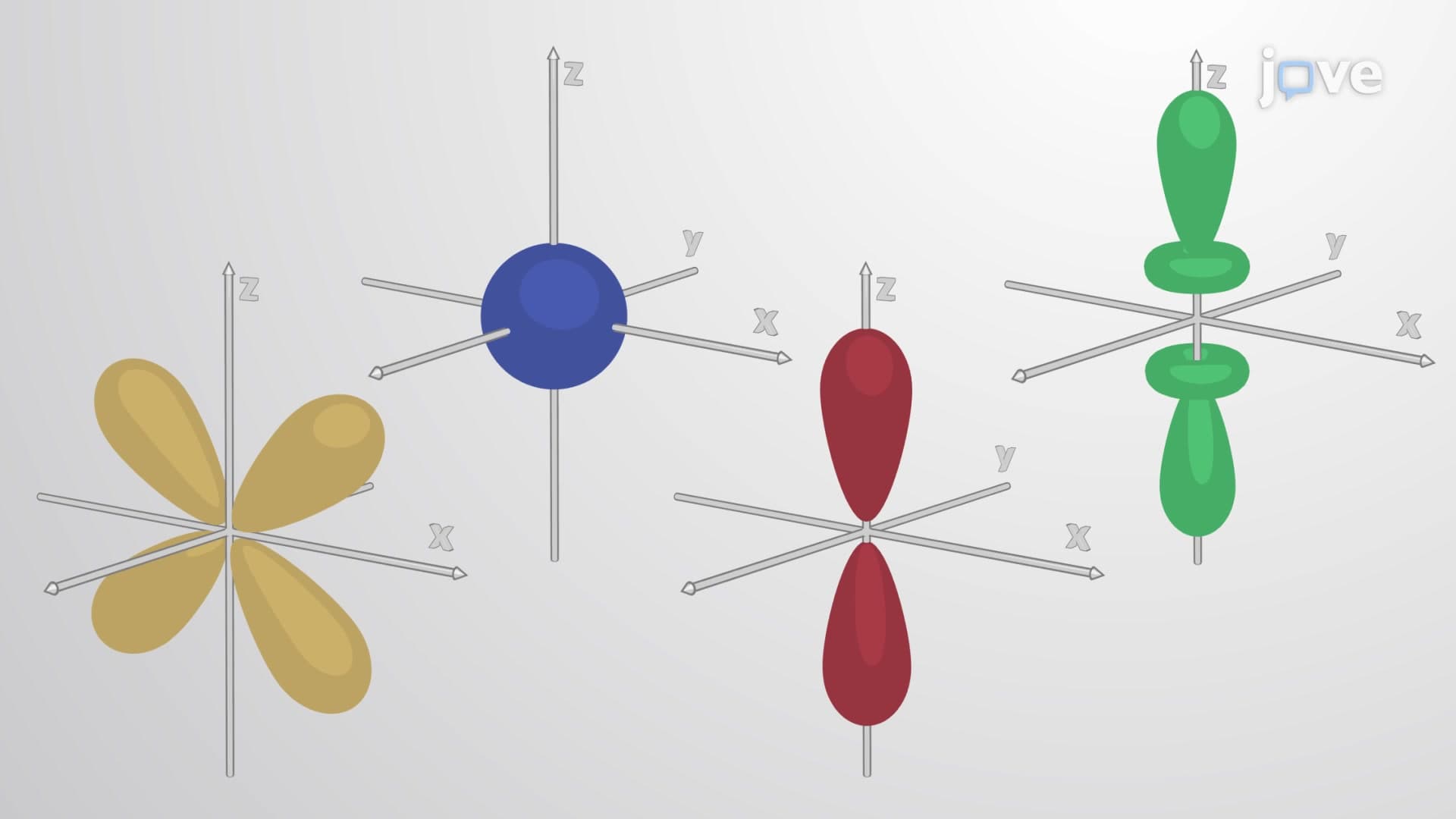
7. Atomic Orbitals and Shapes: Orbitals represent three-dimensional regions where electrons are most likely to be found, with shapes determined by quantum numbers. S orbitals are spherical, p orbitals are dumbbell-shaped, d orbitals have complex cloverleaf patterns, and f orbitals are even more intricate. Each orbital can hold a maximum of two electrons with opposite spins. Orbital shapes influence molecular geometry and chemical bonding patterns. Understanding orbital hybridization explains the tetrahedral shape of methane, the planar structure of benzene, and the geometry of coordination compounds used in catalysis and drug design.
8. Electron Configuration and Filling Rules: The Aufbau principle, Pauli exclusion principle, and Hund's rule govern how electrons fill atomic orbitals. Electrons occupy the lowest available energy levels first, with no two electrons sharing identical quantum numbers. Within subshells, electrons singly occupy orbitals before pairing. These rules explain periodic trends in atomic size, ionization energy, and chemical reactivity. Electron configurations predict bonding patterns, magnetic properties, and catalytic behavior. Understanding these principles is crucial for predicting chemical reactions, designing new materials, and explaining the organization of the periodic table used throughout chemistry and materials science.