Loading concepts…


12 Concepts
7 Concepts
10 Concepts
13 Concepts
10 Concepts
12 Concepts
15 Concepts
8 Concepts
14 Concepts
9 Concepts
21 Concepts
13 Concepts
12 Concepts
10 Concepts
14 Concepts
15 Concepts
10 Concepts
10 Concepts
10 Concepts
10 Concepts
12 Concepts
 8 Concepts
 290.6K Views
 Popular topics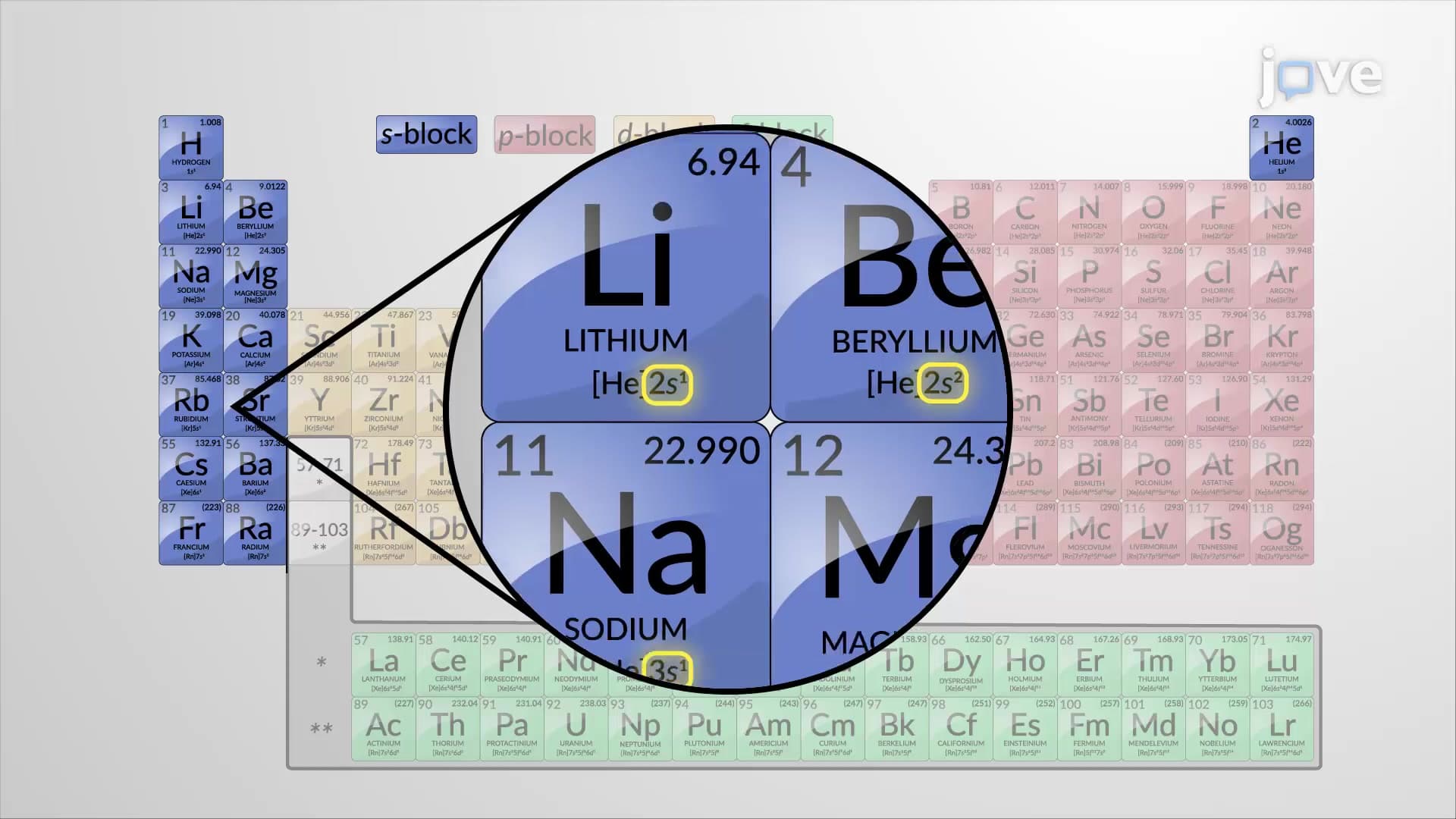

Periodic properties of the elements reveal predictable patterns across the periodic table, including atomic radius, ionization energy, electronegativity, and electron affinity trends. This comprehensive micro-course explores how these periodic table trends govern chemical behavior, from the highly reactive alkali metals used in lithium-ion batteries to the chemically inert noble gases protecting tungsten filaments in lightbulbs. Master these periodic trends in element properties with JoVE Coach.
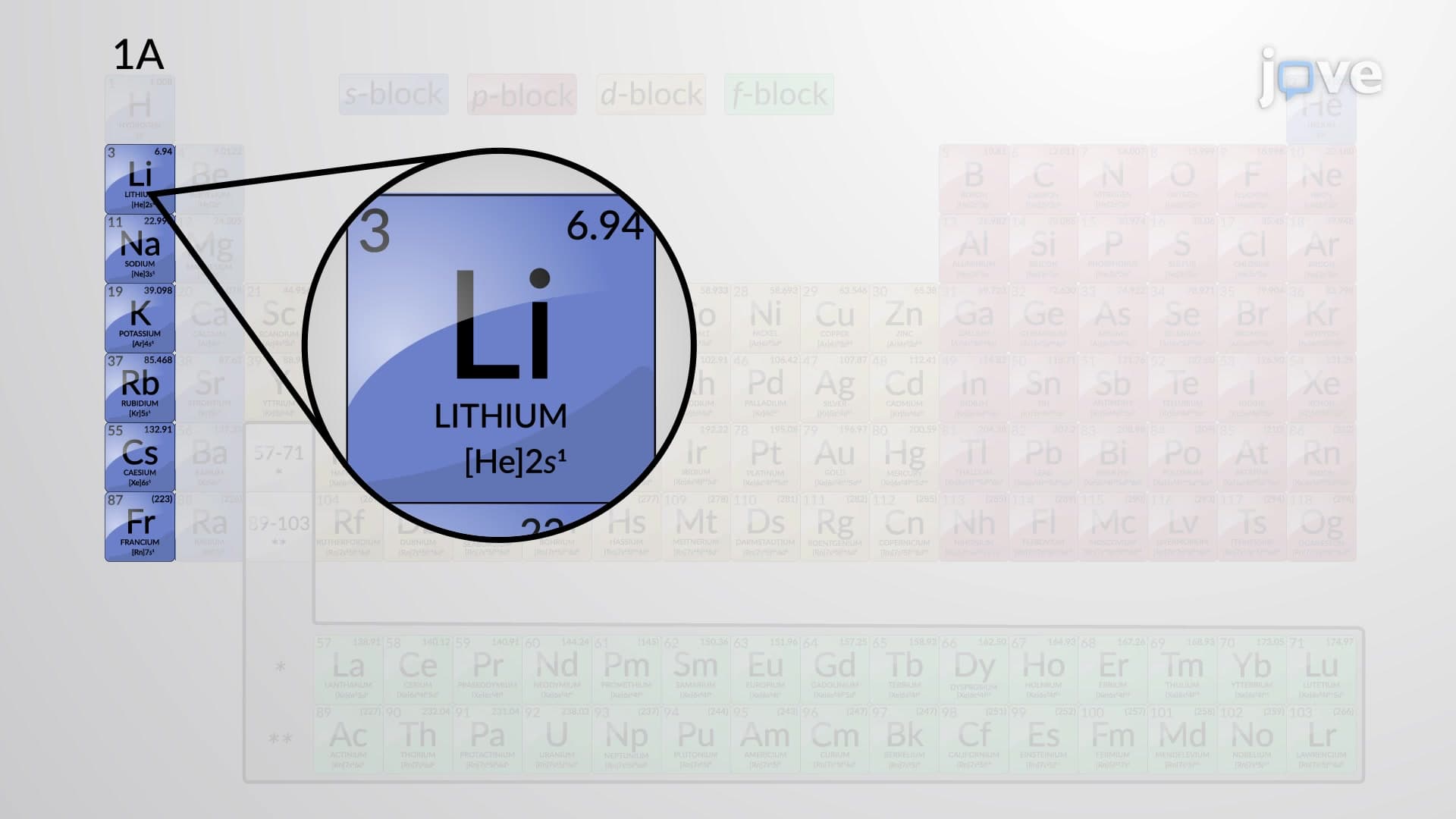
1. Electron Configuration and Periodic Table Organization: The periodic table organizes elements based on electron configuration patterns, with s-block, p-block, d-block, and f-block regions corresponding to the outermost electrons. Main-group elements show clear relationships between group number and valence electrons, while transition metals fill d-orbitals. Understanding these patterns explains why sodium (Group 1) has one valence electron while chlorine (Group 17) has seven, directly influencing their chemical behavior and bonding tendencies.
2. Atomic Radius Trends and Effective Nuclear Charge: Atomic radius increases down groups as additional electron shells are added, but decreases across periods due to increasing effective nuclear charge. The shielding effect of inner electrons partially protects outer electrons from nuclear attraction. For example, cesium has a much larger atomic radius than lithium due to additional electron shells, while chlorine is smaller than sodium because of stronger nuclear attraction in the same period.
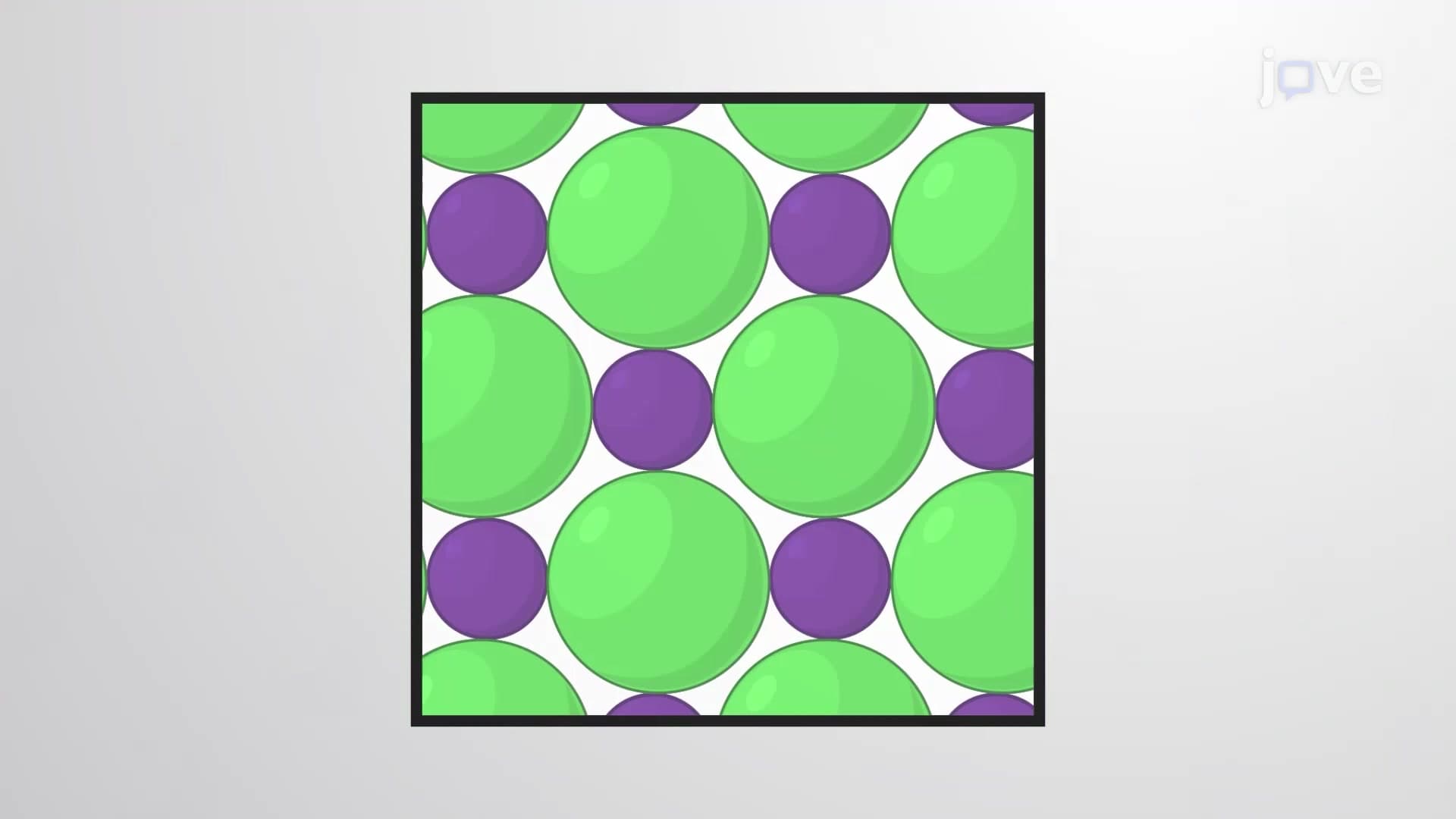
3. Ionic Radius Patterns and Isoelectronic Series: Cations are always smaller than their parent atoms due to electron loss and reduced electron-electron repulsion, while anions are larger due to increased electron-electron repulsion. Isoelectronic species with the same electron count show size trends based on nuclear charge. The lithium ion (Li⁺) at 60 pm is dramatically smaller than neutral lithium at 152 pm, demonstrating how electron loss affects ionic size.
4. Ionization Energy Trends and Electron Removal: First ionization energy generally increases across periods and decreases down groups, with notable exceptions like boron having lower ionization energy than beryllium due to p-electron removal being more favorable than s-electron removal. Successive ionization energies show dramatic increases when core electrons are removed. Potassium's second ionization energy is much higher because it requires removing a core electron from a noble gas configuration.
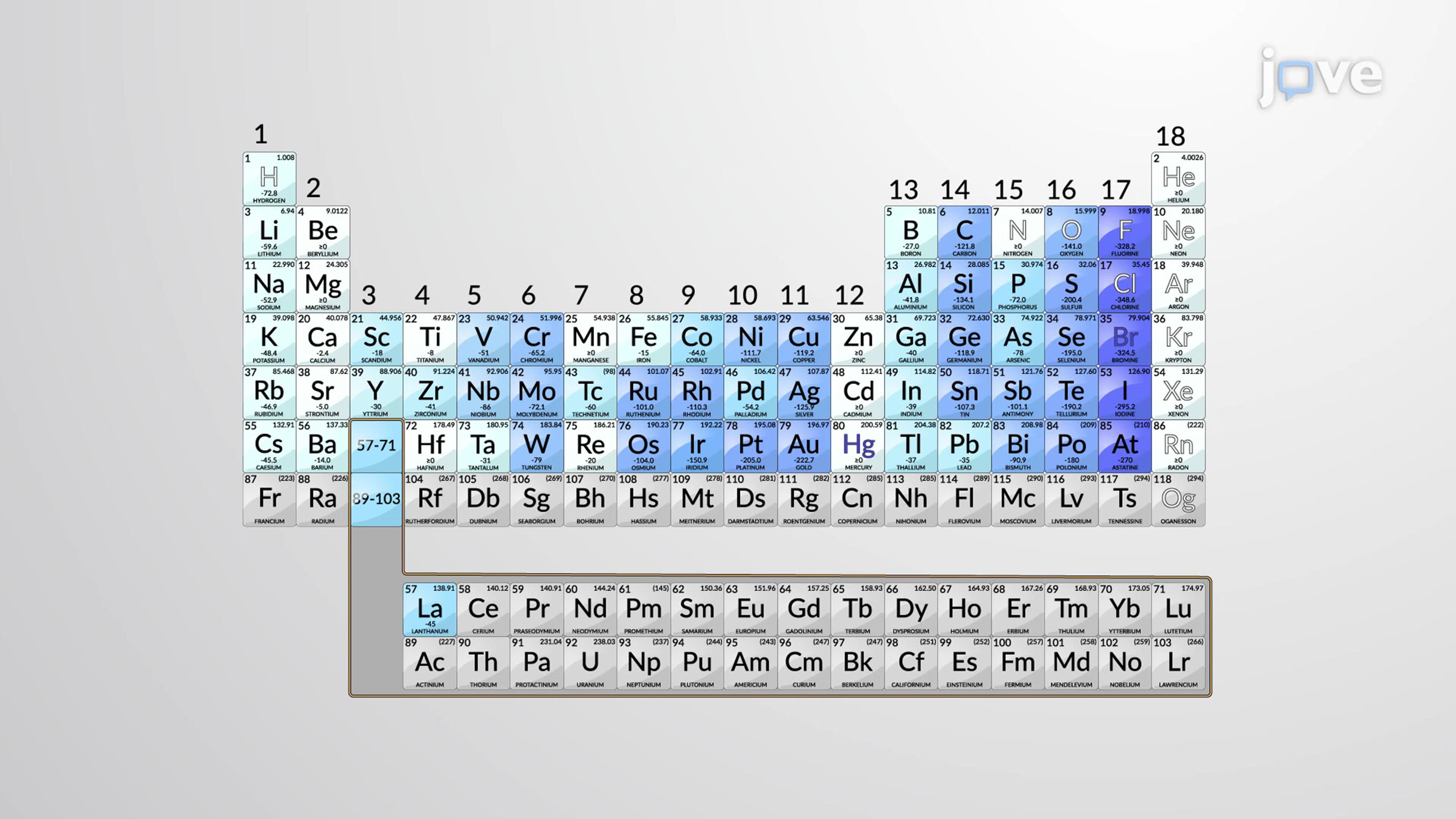
5. Electron Affinity Patterns and Electron Addition: Electron affinity becomes more negative across periods as atoms more readily accept electrons, with halogens showing the most negative values. Group trends show exceptions, such as chlorine having more negative electron affinity than fluorine due to reduced electron-electron repulsion in the larger chlorine atom. Noble gases have positive electron affinities because additional electrons must enter higher energy levels.
6. Alkali Metal Properties and Reactivity: Group 1 elements exhibit increasing reactivity down the group due to decreasing ionization energies, making them excellent reducing agents. Their vigorous reactions with water produce hydrogen gas and metal hydroxides, with cesium showing the most violent reaction. These metals are stored in mineral oil to prevent oxidation and produce characteristic flame colors when heated, such as sodium's bright yellow emission used in street lamps.
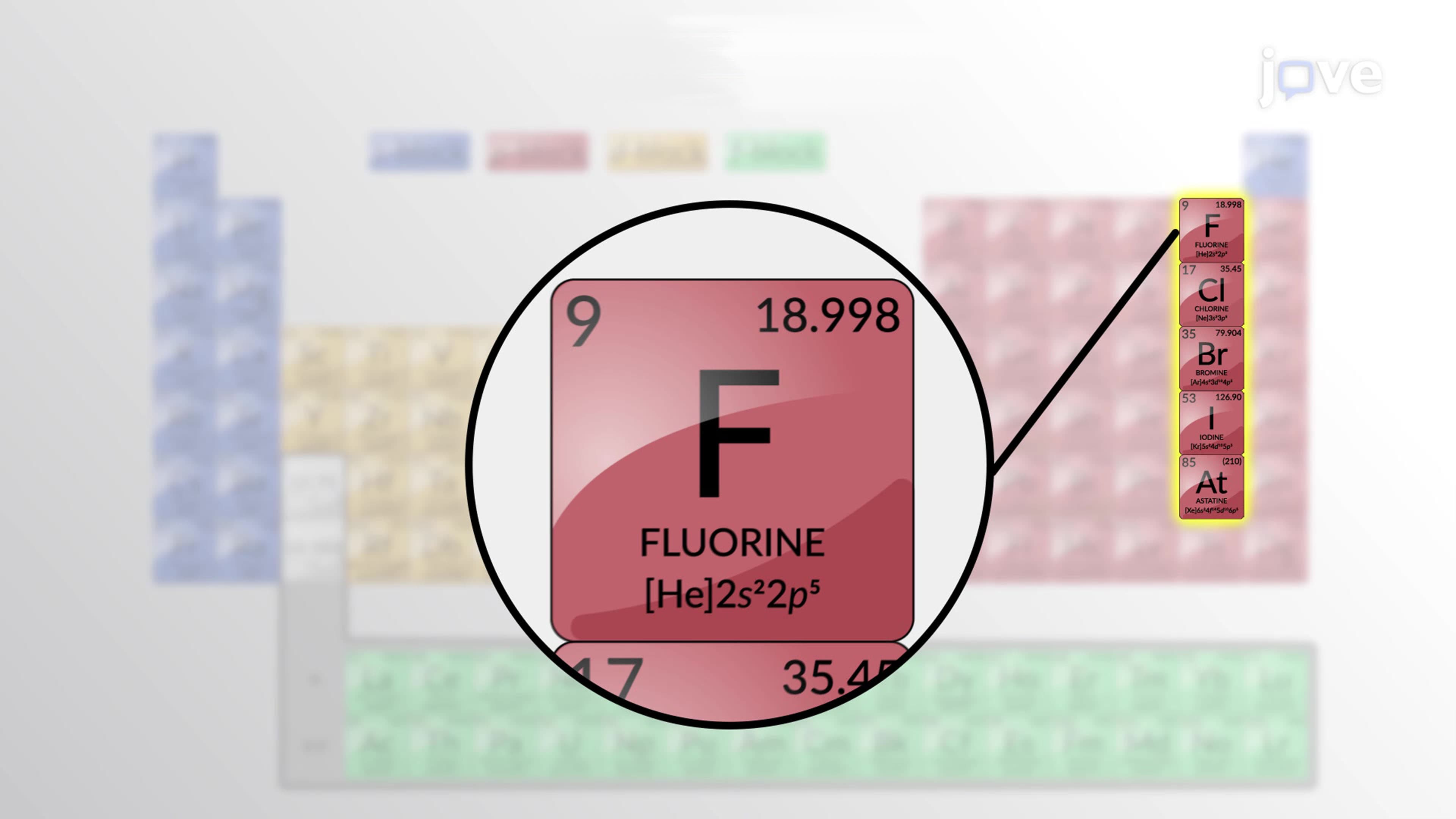
7. Halogen Characteristics and Oxidizing Behavior: Group 17 elements are powerful oxidizing agents with seven valence electrons, showing decreasing reactivity down the group. Fluorine is the strongest oxidizer, capable of reacting with water to produce hydrogen fluoride and oxygen. Halogens form ionic compounds with metals (like NaCl) and covalent hydrogen halides (like HCl) that dissolve in water to form acids used in industrial processes and laboratory applications.
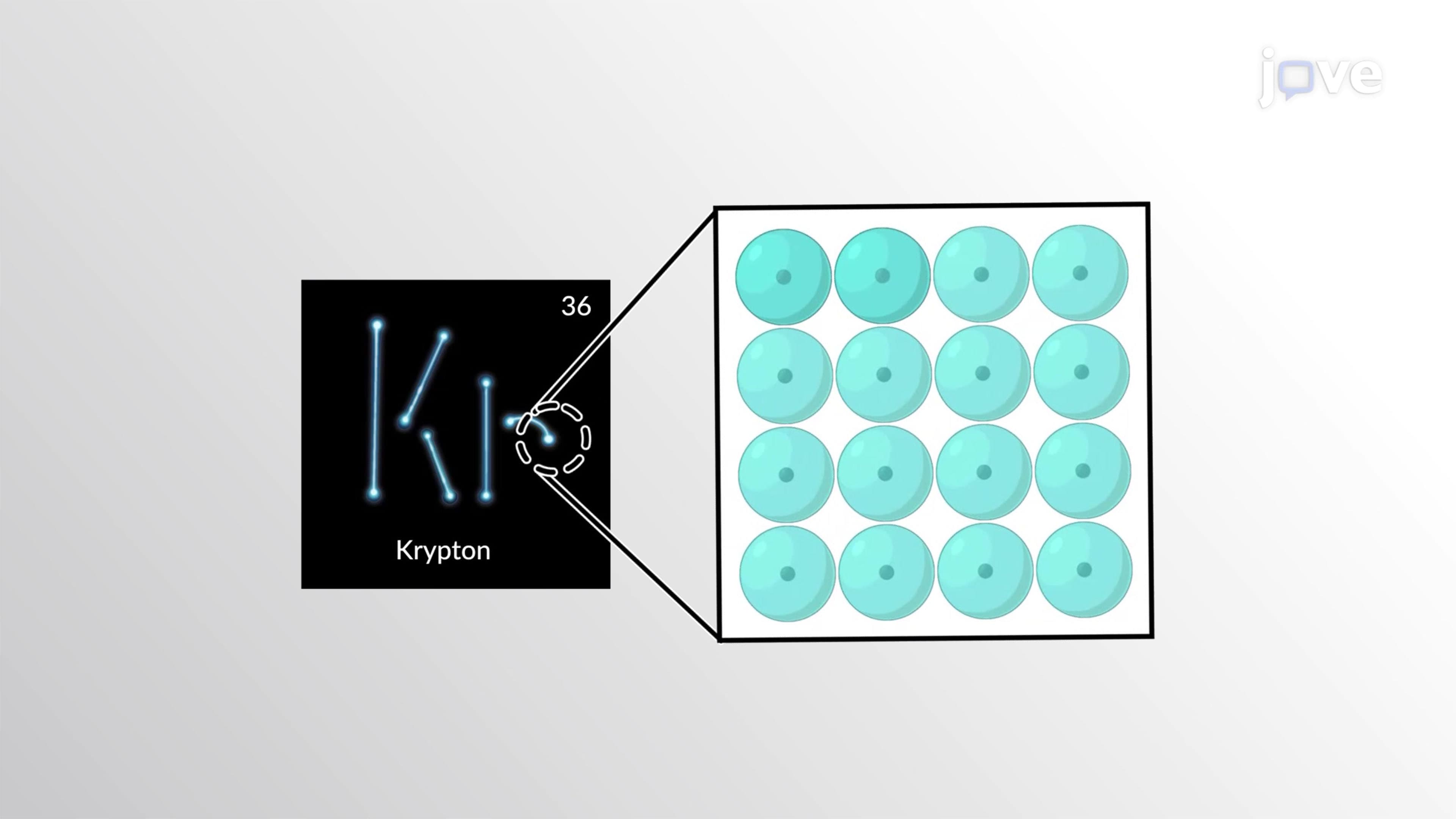
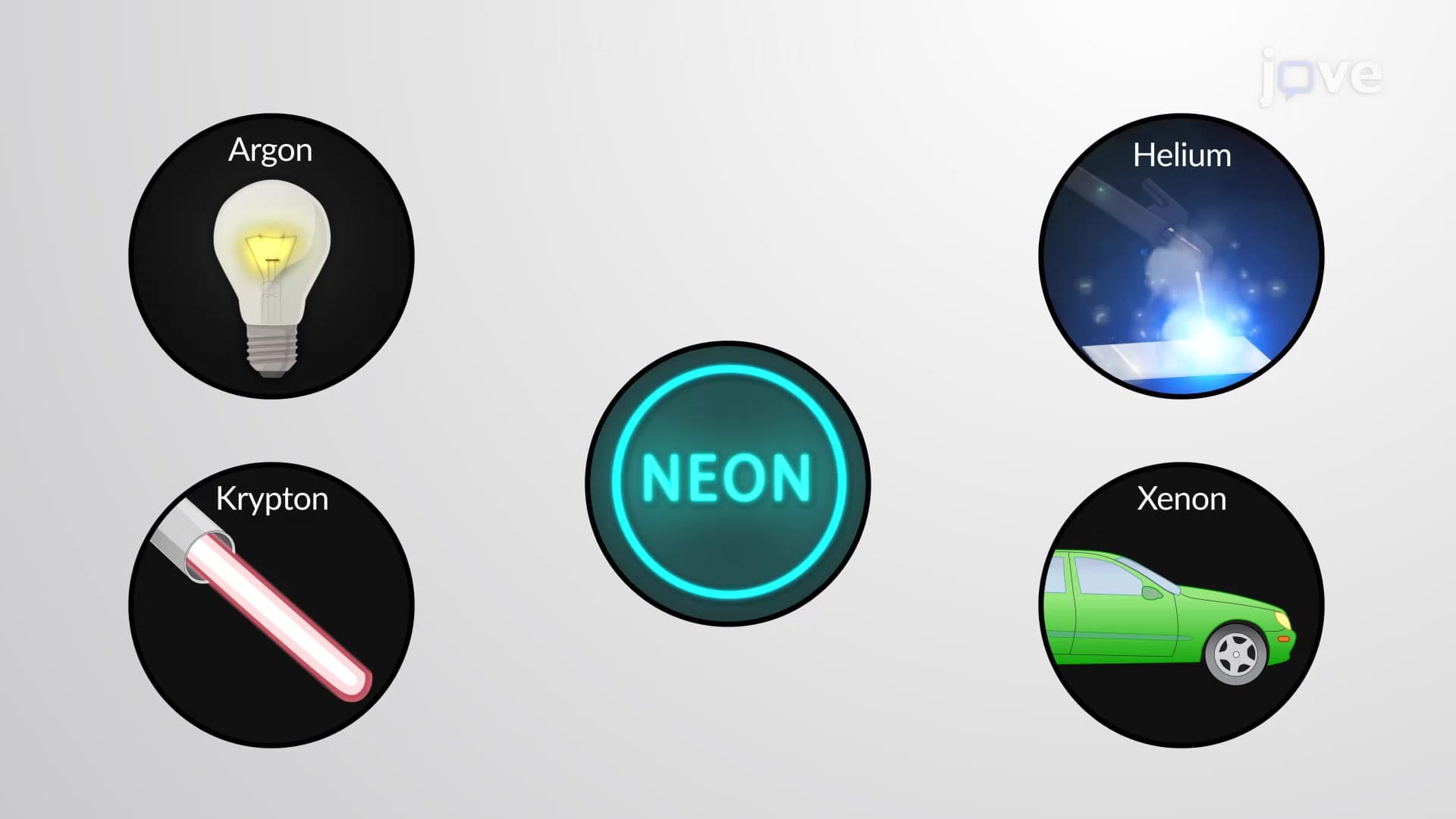
8. Noble Gas Stability and Chemical Inertness: Group 18 elements possess complete electron configurations making them chemically unreactive under normal conditions, with applications in preventing oxidation reactions. Their high ionization energies and positive electron affinities reflect their stability. However, xenon can form compounds with highly electronegative elements like fluorine and oxygen, producing materials like xenon tetrafluoride used in specialized chemical applications and research.