12 Concepts
7 Concepts
10 Concepts
13 Concepts
10 Concepts
12 Concepts
15 Concepts
8 Concepts
14 Concepts
9 Concepts
21 Concepts
13 Concepts
12 Concepts
10 Concepts
14 Concepts
15 Concepts
10 Concepts
10 Concepts
10 Concepts
10 Concepts
12 Concepts
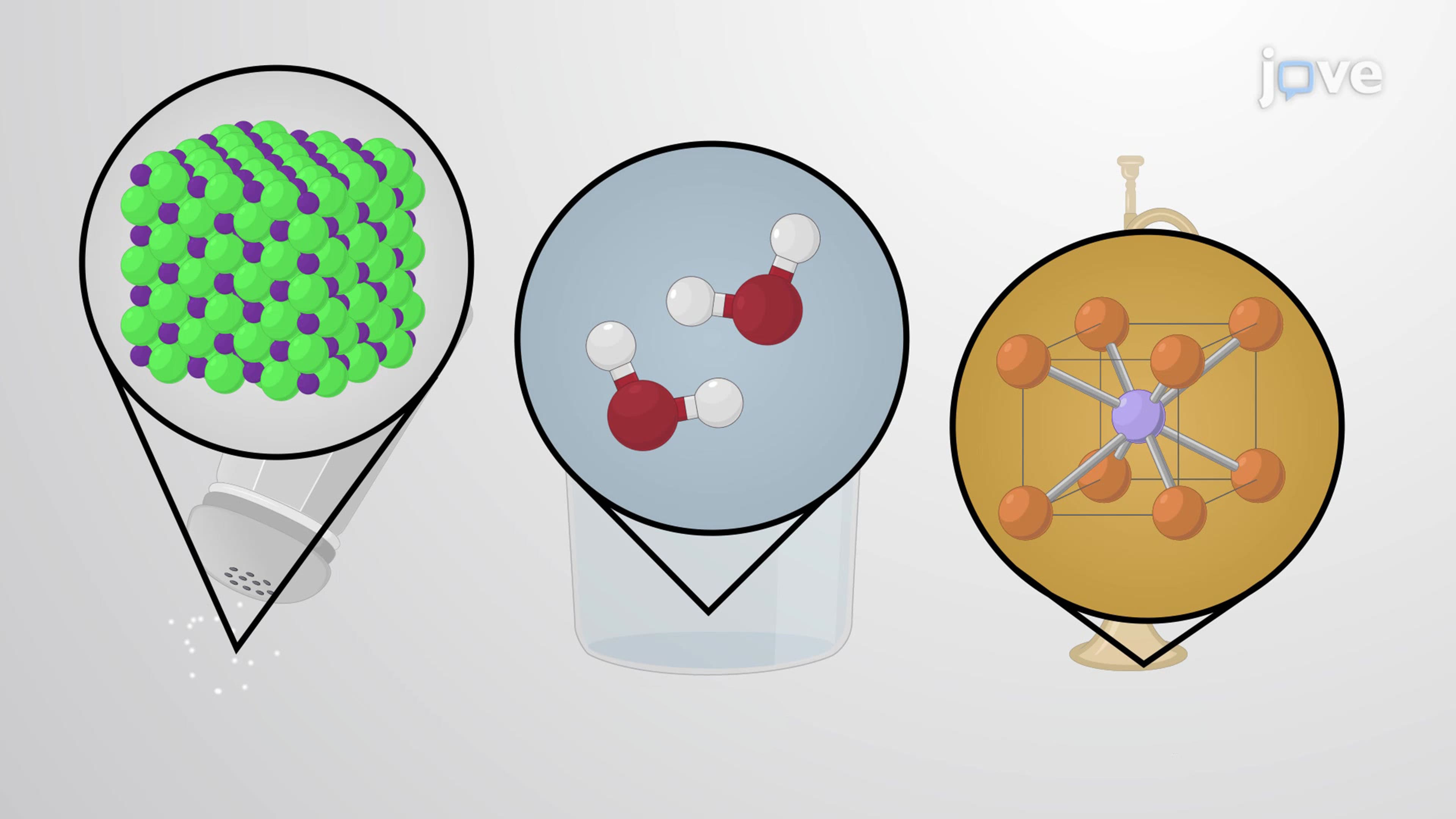
Chemical bonding fundamentals explain how atoms combine to form compounds like table salt, water, and steel alloys used throughout American industry. This comprehensive course covers ionic, covalent, and metallic bonding mechanisms, electronegativity trends, and molecular structure prediction using Lewis structures and VSEPR theory, essential for understanding chemistry in pharmaceutical development, materials science, and environmental applications.
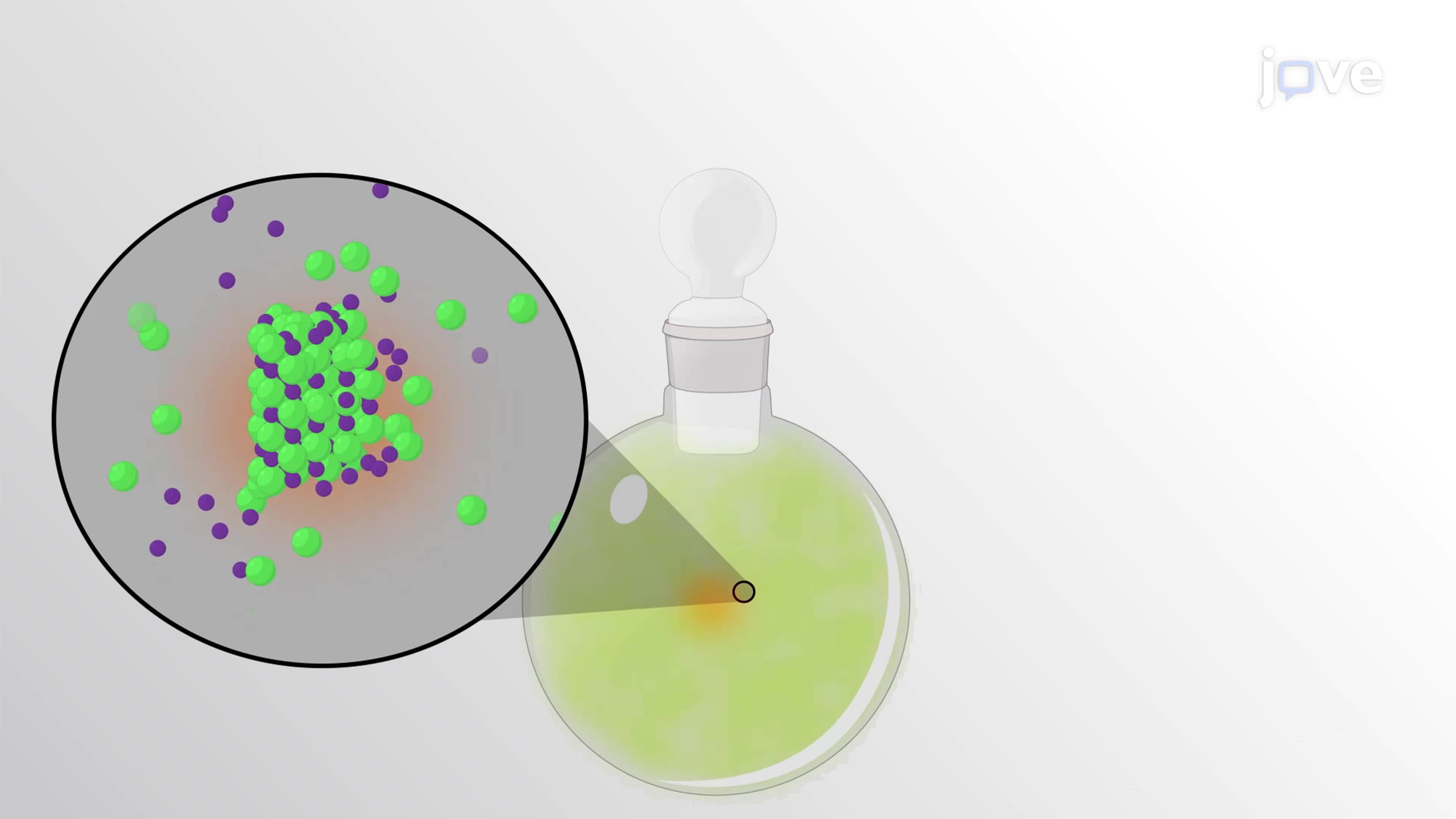
1. Fundamental Bond Types and Formation Mechanisms Understanding why sodium chloride forms ionic bonds while methane exhibits covalent bonding requires examining electron behavior during chemical reactions. Metals like sodium readily lose electrons due to low ionization energies, while nonmetals like chlorine accept electrons because of high electron affinities. This electron transfer creates charged ions that attract electrostatically. Conversely, nonmetals share electrons when ionization energies are too high for transfer, as seen in carbon dioxide where carbon shares electrons with oxygen atoms to achieve stable configurations.
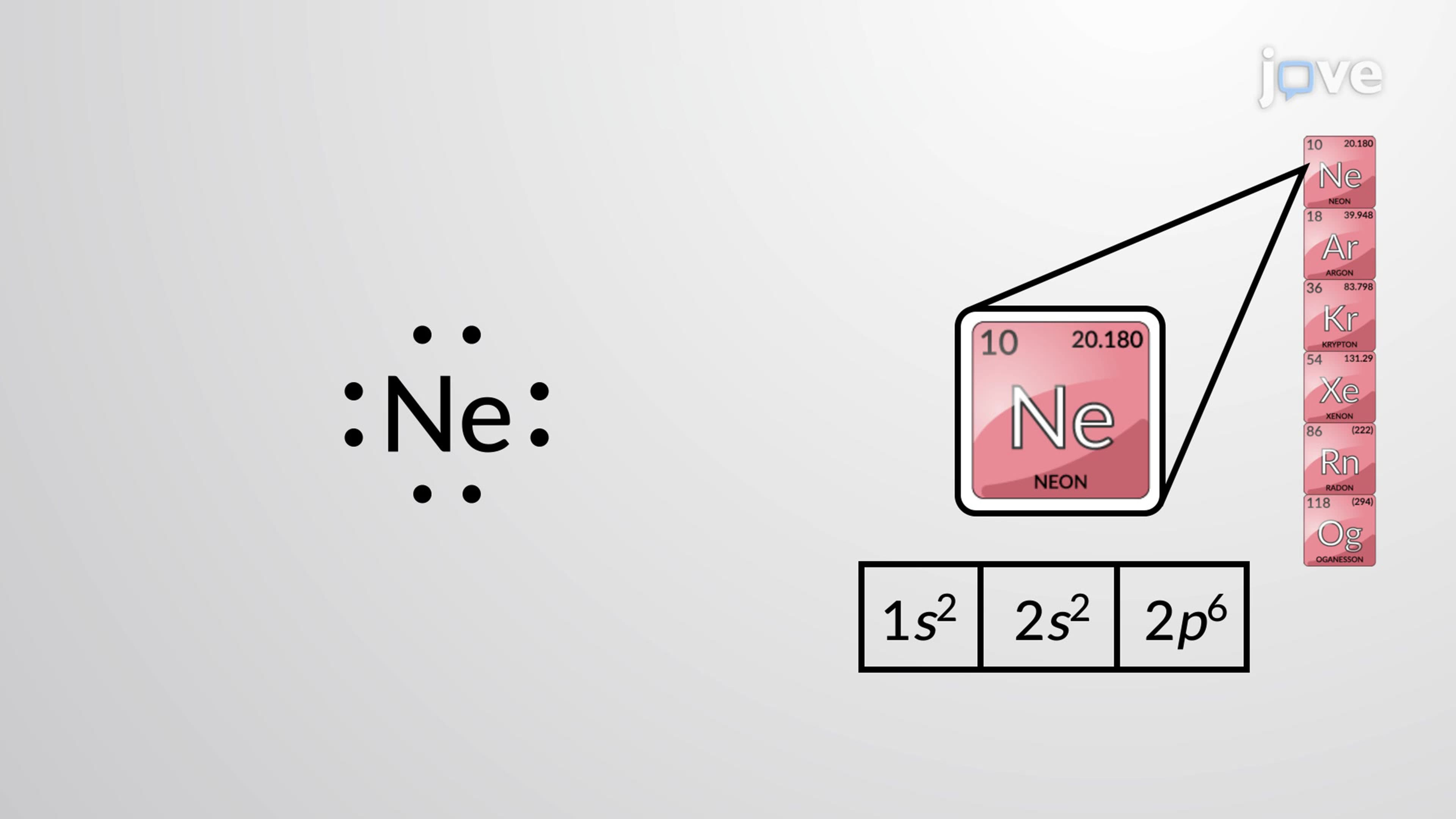
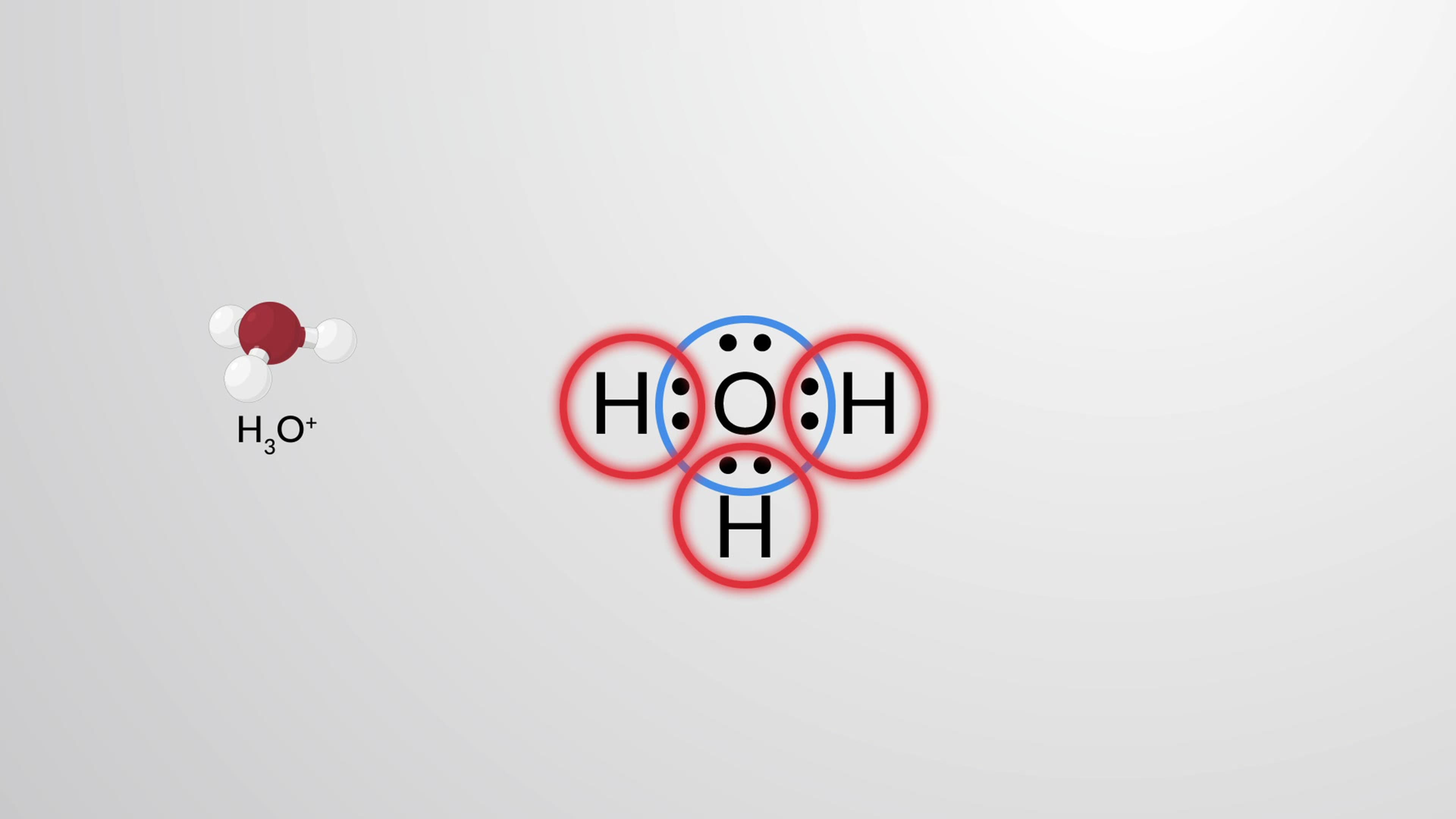
2. Lewis Structures and Electron Dot Representations Lewis structures provide visual blueprints for molecular architecture, crucial for predicting chemical behavior in pharmaceutical compounds. Drawing Lewis structures for molecules like aspirin or caffeine involves counting valence electrons, arranging atoms with least electronegative elements centrally, and distributing electrons to satisfy octet requirements. Polyatomic ions like ammonium (found in fertilizers) or sulfate (in detergents) require adjusting electron counts for ionic charges. These representations predict molecular stability and reaction patterns essential for drug design and materials development.
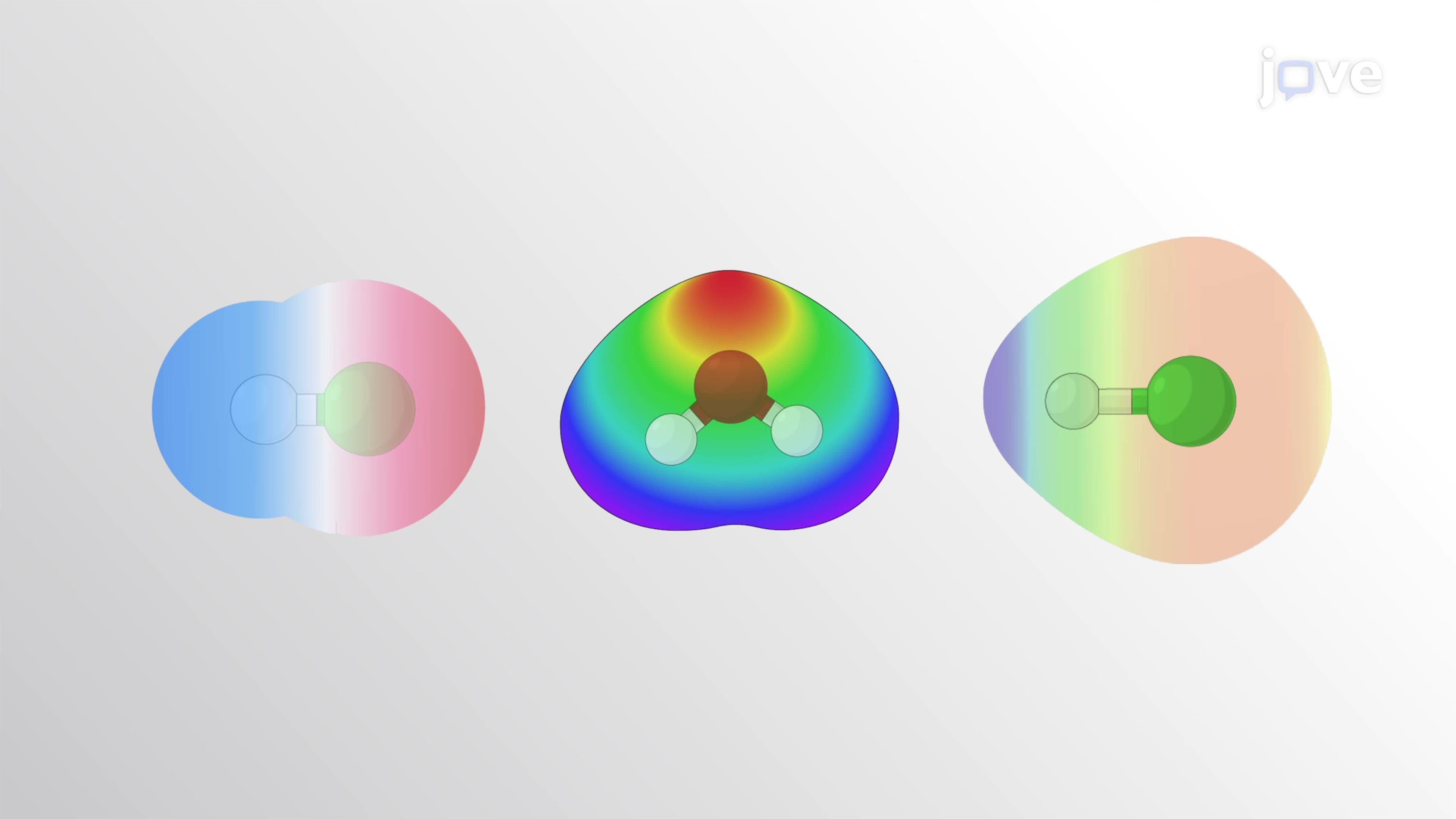
3. Electronegativity and Bond Polarity Concepts Electronegativity differences determine whether compounds like hydrogen fluoride (used in aluminum production) exhibit polar covalent bonding or if substances like potassium bromide form ionic bonds. Linus Pauling's electronegativity scale helps predict bond character, with differences above 1.7 typically indicating ionic bonding. Understanding polarity explains why oil and water don't mix, how soap molecules function, and why certain medications dissolve better in fatty tissues versus aqueous blood plasma, critical knowledge for pharmacology applications.
4. Resonance Theory and Electron Delocalization Resonance structures explain the stability of molecules like benzene (used in plastics manufacturing) and ozone (important for atmospheric chemistry). Unlike simple Lewis structures suggesting alternating single and double bonds, resonance theory reveals that electrons delocalize across multiple atoms, creating hybrid structures with intermediate bond lengths. This concept explains the unusual stability of aromatic compounds in petroleum products and pharmaceuticals, and why certain molecules resist chemical breakdown better than their simple Lewis structures would predict.
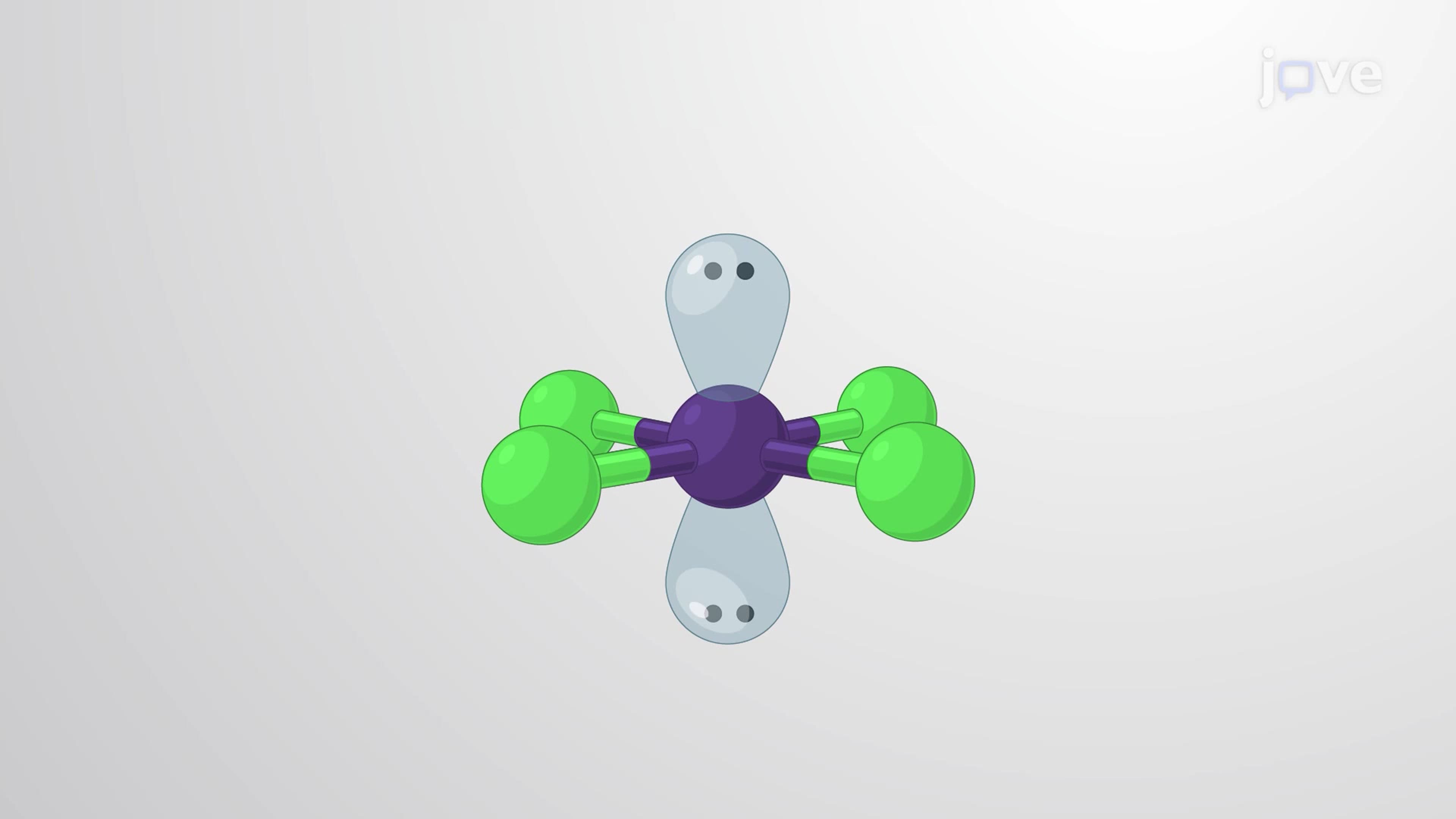
5. VSEPR Theory and Molecular Geometry Prediction Valence Shell Electron Pair Repulsion theory predicts three-dimensional molecular shapes crucial for understanding how enzymes work and how drugs interact with cellular receptors. Water's bent geometry (104.5° bond angle) explains its unique properties enabling life processes, while methane's tetrahedral shape influences its behavior as a greenhouse gas. These geometric predictions help pharmaceutical chemists design molecules that fit specific protein binding sites and explain why certain isomers have different biological activities despite identical molecular formulas.