12 Concepts
7 Concepts
10 Concepts
13 Concepts
10 Concepts
12 Concepts
15 Concepts
8 Concepts
14 Concepts
9 Concepts
21 Concepts
13 Concepts
12 Concepts
10 Concepts
14 Concepts
15 Concepts
10 Concepts
10 Concepts
10 Concepts
10 Concepts
12 Concepts
Intermolecular forces govern the physical properties and behavior of matter across all phases. This comprehensive course explores how these forces determine everything from water's unique surface tension to the crystalline structure of table salt. Students will master the relationship between molecular interactions and macroscopic properties, essential for understanding everyday phenomena and advanced chemistry concepts. JoVE Coach provides clear explanations perfect for AP Chemistry and MCAT preparation.
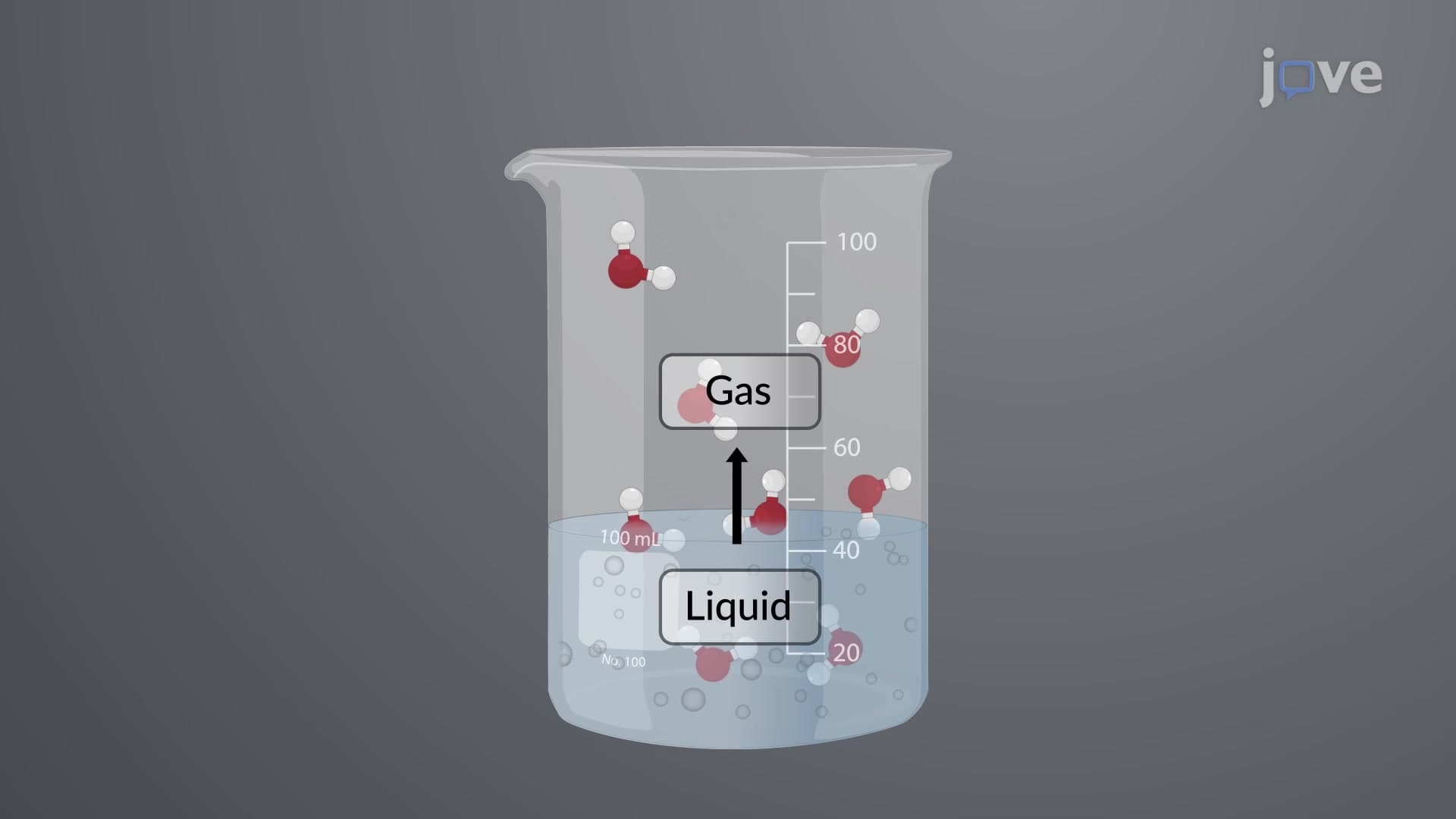
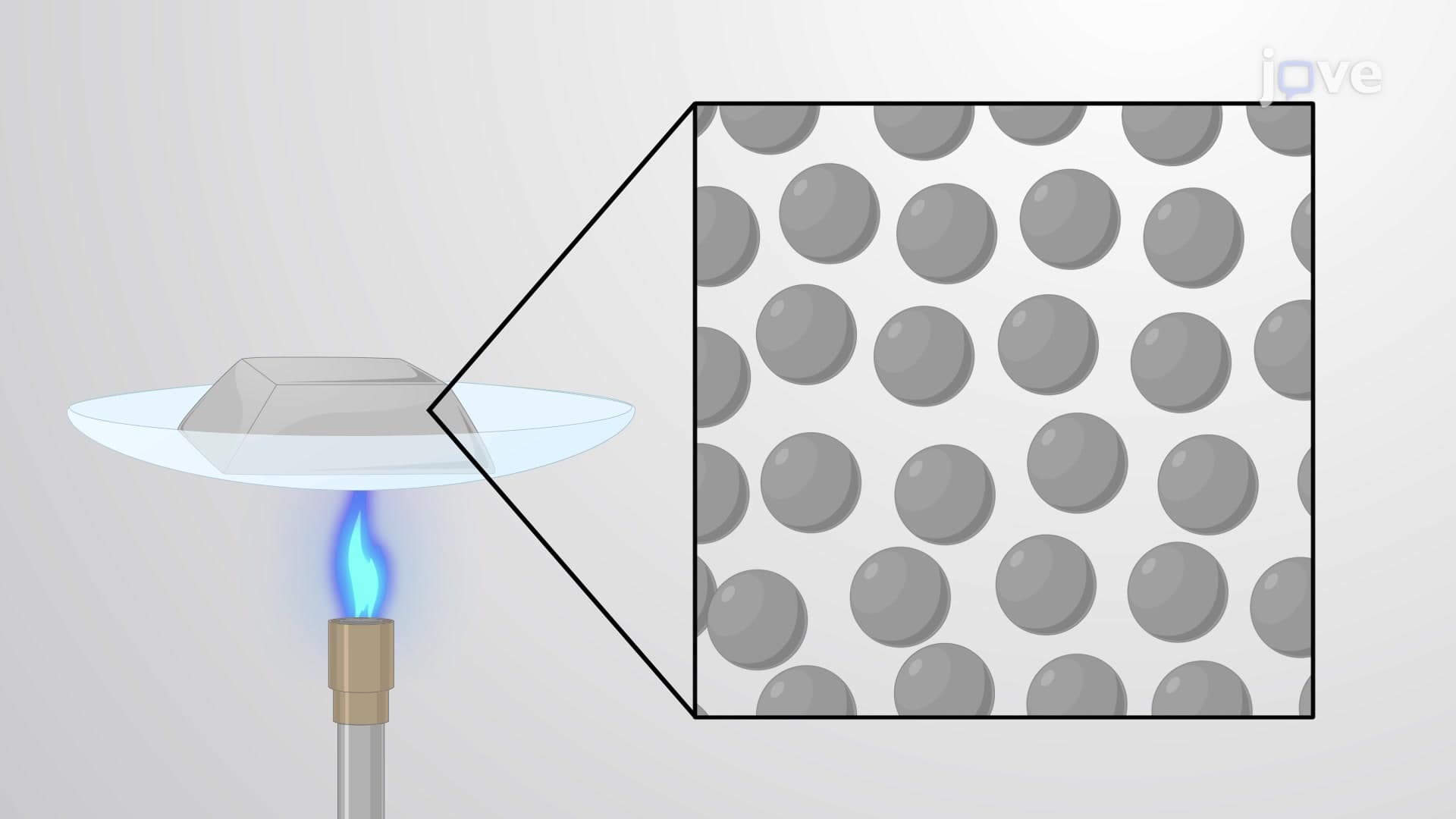
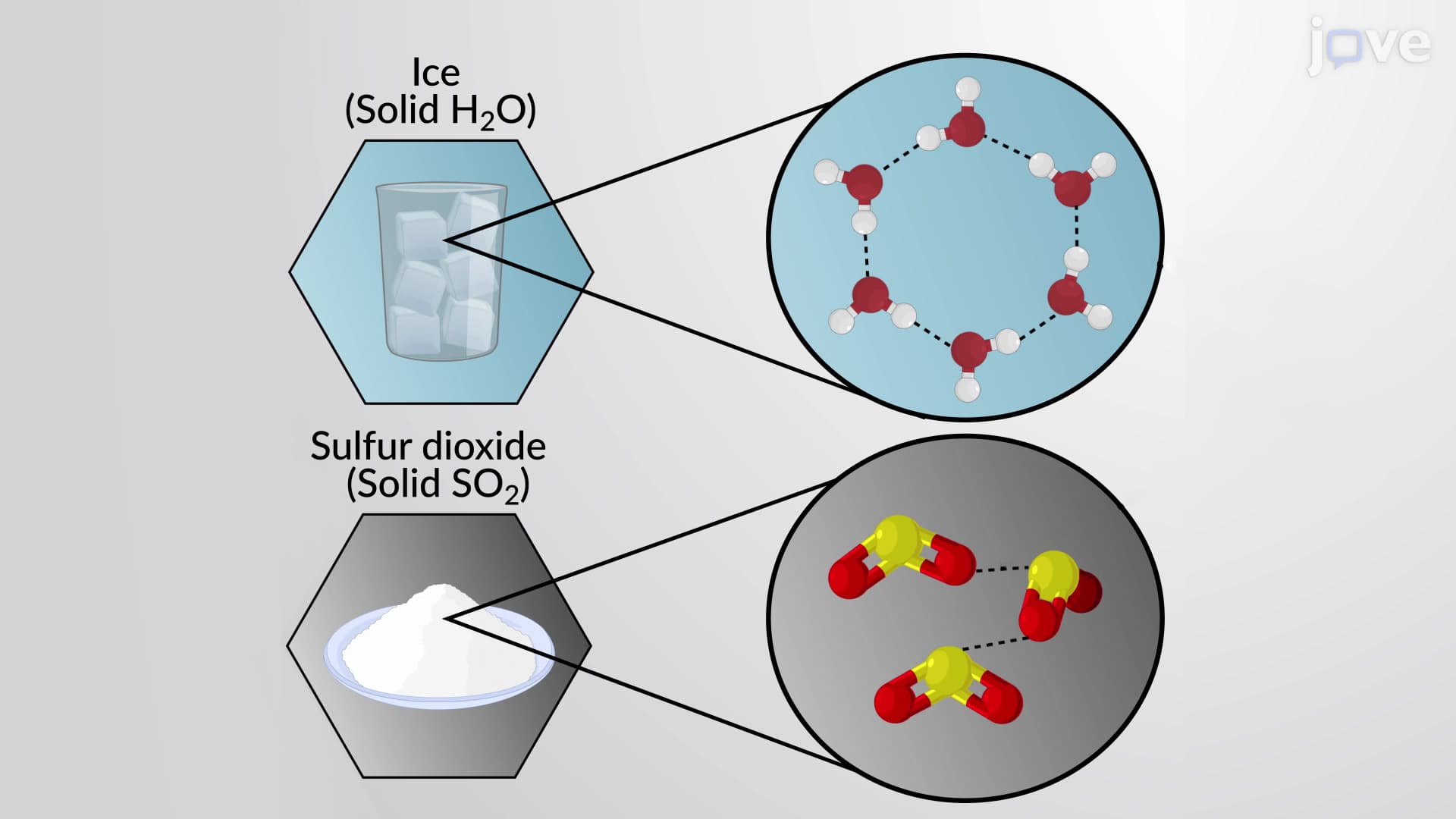
1. Molecular Kinetic Theory and States of Matter The kinetic energy of molecules determines whether a substance exists as a gas, liquid, or solid. In gases like helium in balloons, high kinetic energy overcomes weak intermolecular forces, allowing molecules to move freely and fill any container. Liquids such as water maintain intermediate kinetic energy, keeping molecules close but mobile. In solids like ice or copper, low kinetic energy restricts molecules to vibrational motion at fixed positions. Understanding this relationship explains why heating ice transforms it to water and eventually steam.
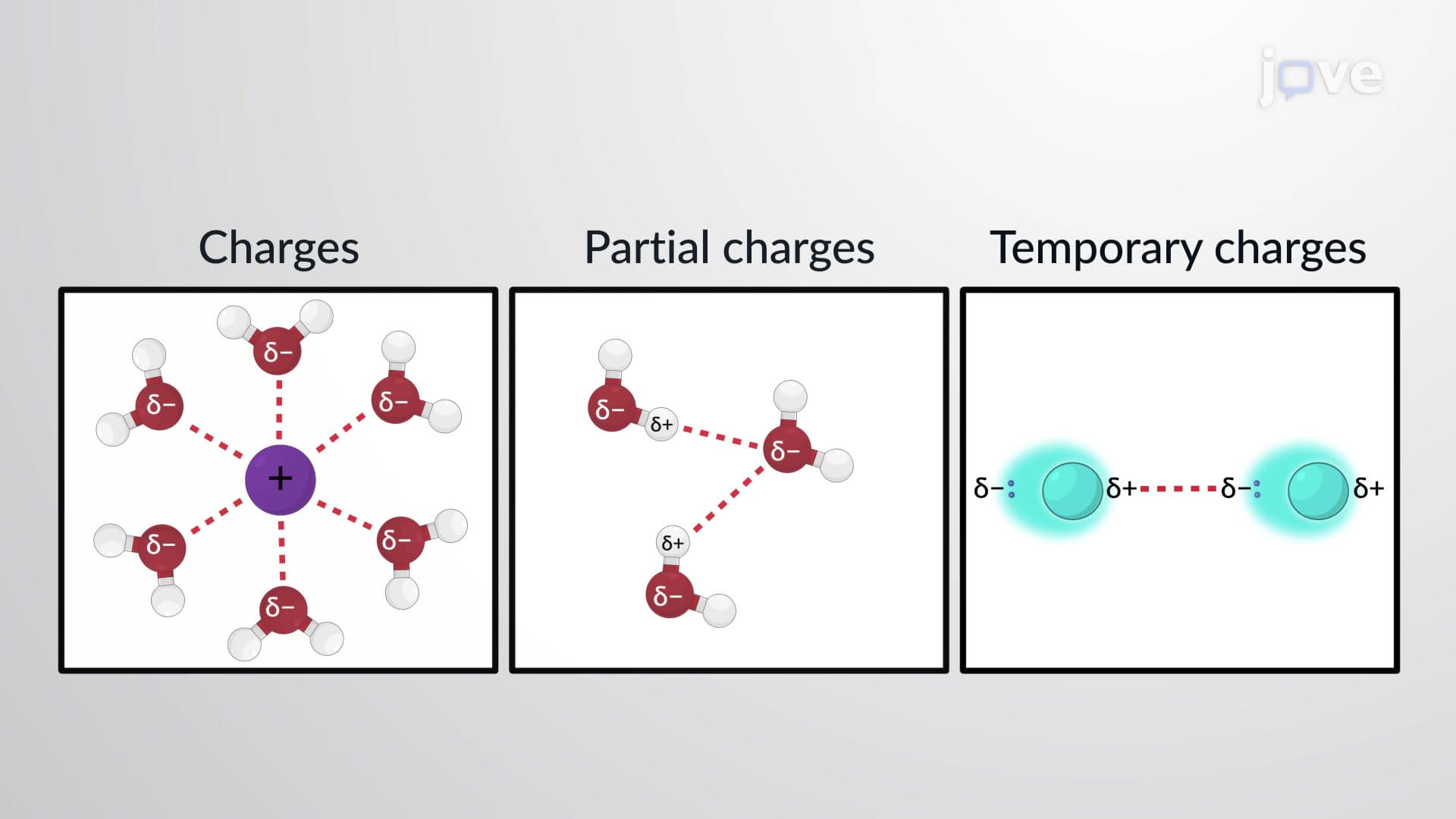
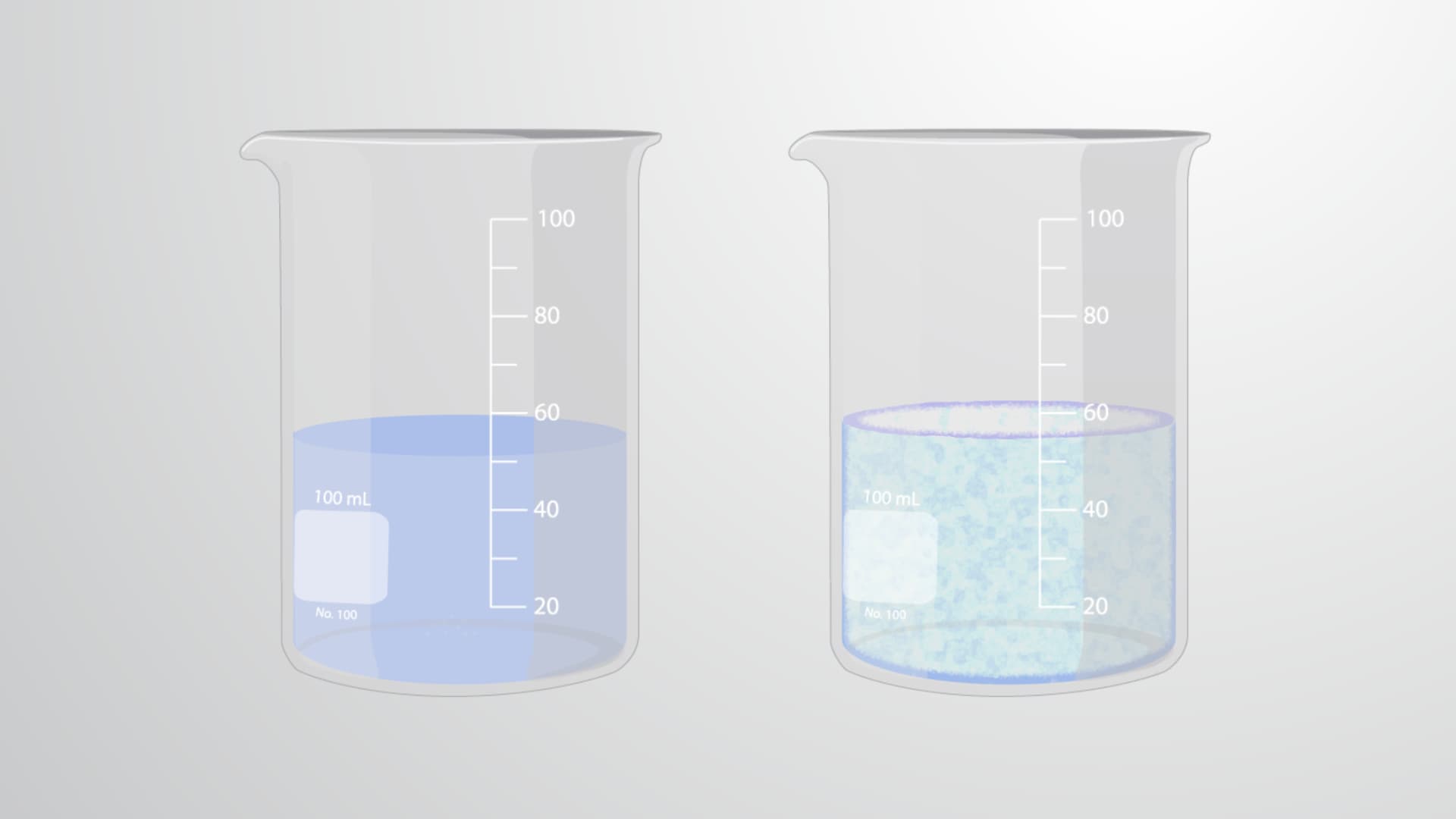
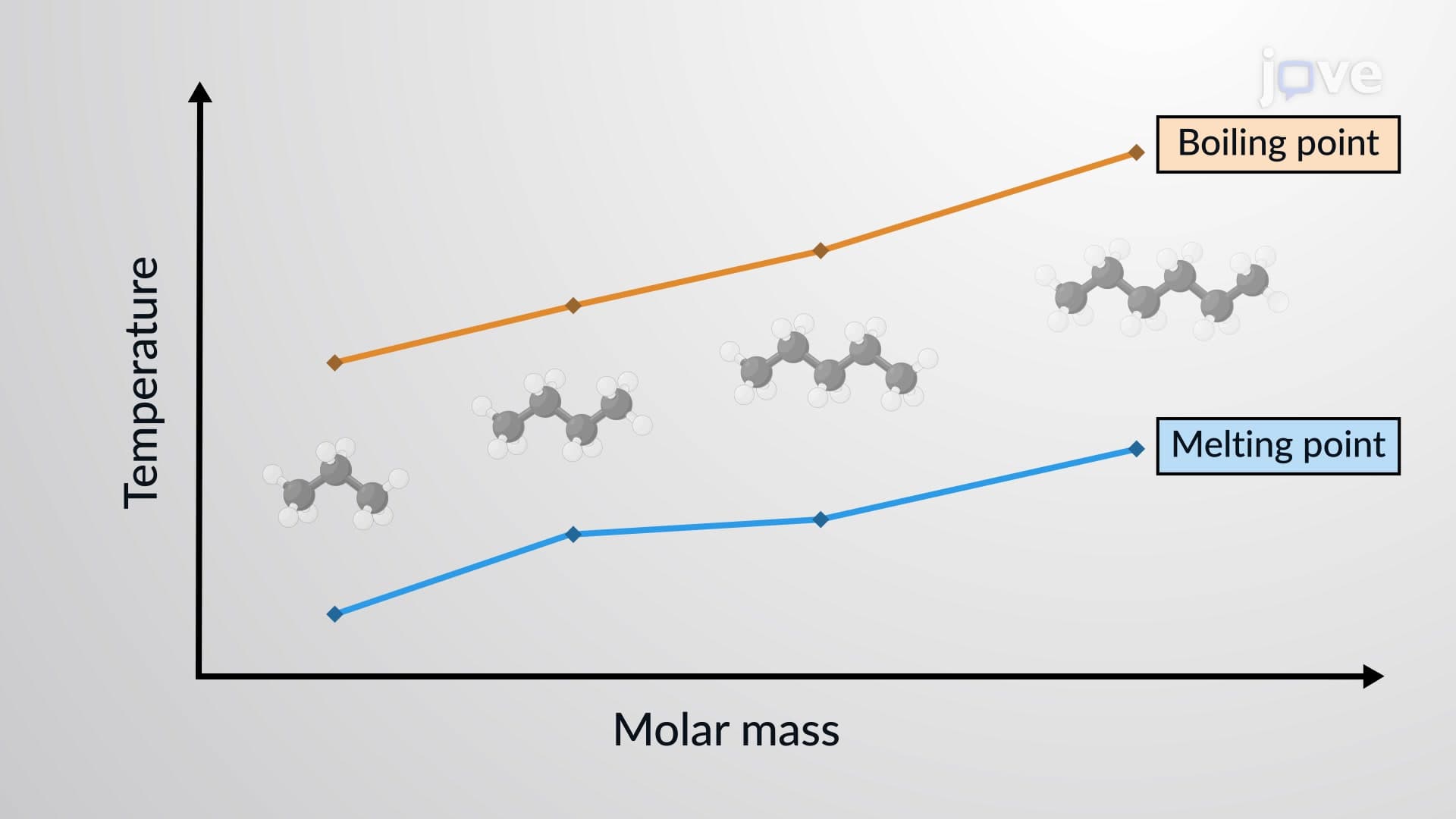
2. Types of Intermolecular Forces Four main intermolecular forces govern molecular behavior. London dispersion forces exist in all molecules, from methane to proteins, arising from temporary electron distribution fluctuations. Dipole-dipole forces occur between polar molecules like acetone. Hydrogen bonding, a special dipole interaction, forms when hydrogen bonds to nitrogen, oxygen, or fluorine, as in DNA base pairing or water molecules. Ion-dipole forces attract ions to polar molecules, explaining how salt dissolves in water. These forces are weaker than intramolecular bonds but crucial for determining physical properties.
3. Properties of Liquids Surface tension, viscosity, and capillary action all result from intermolecular forces. Water's high surface tension allows insects to walk on its surface and enables the formation of water droplets. Viscosity explains why honey flows more slowly than water-stronger intermolecular forces in honey resist molecular movement. Capillary action draws water up plant stems and causes water to climb the sides of narrow tubes. These properties affect everything from industrial processes to biological functions in living organisms.
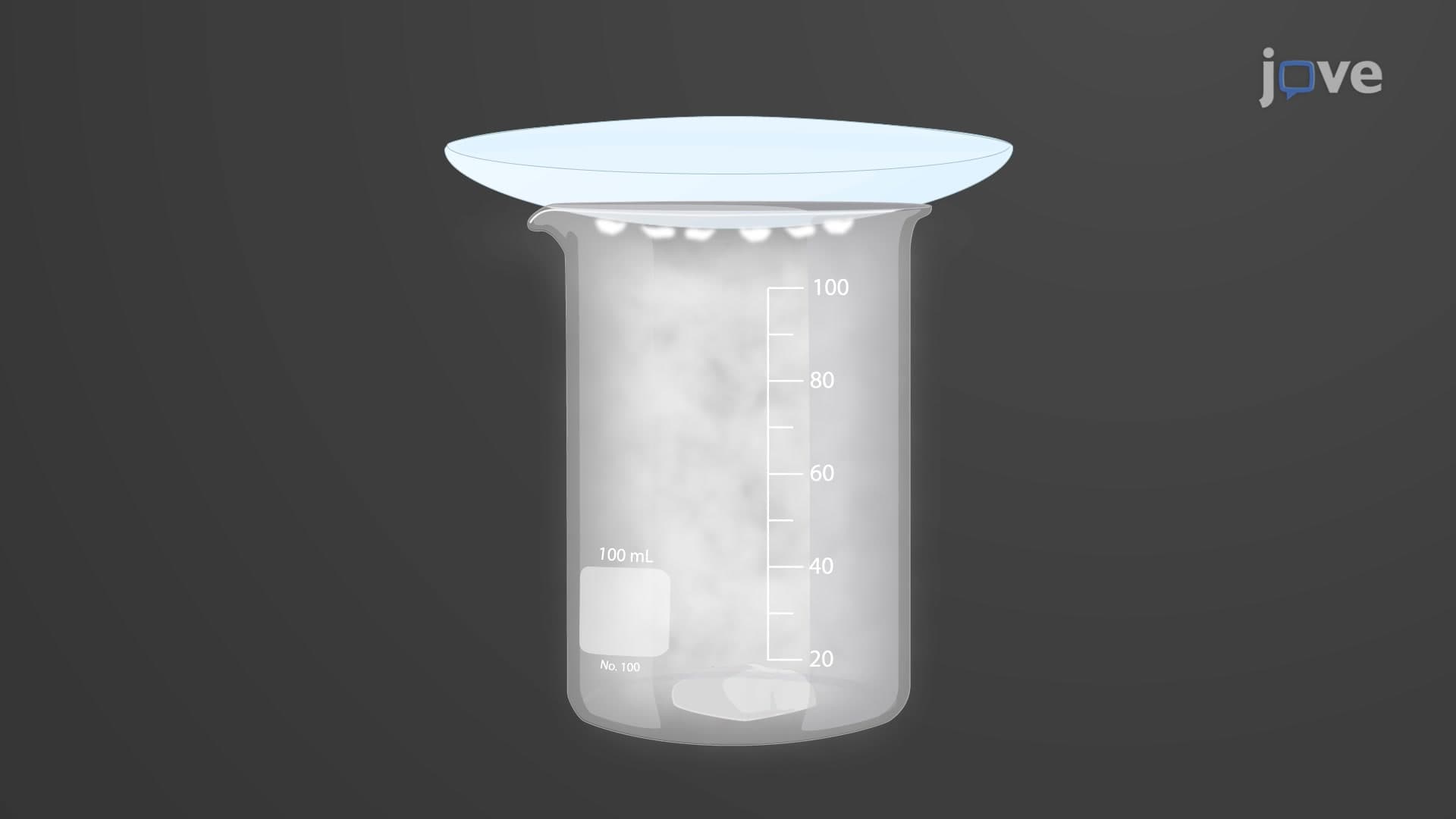
4. Phase Transitions and Energy Changes Phase transitions occur when thermal energy overcomes or strengthens intermolecular forces. Melting ice requires energy to partially break hydrogen bonds, while boiling water completely separates molecules. The molar heat of vaporization (40.7 kJ/mol for water) exceeds the heat of fusion (6.02 kJ/mol) because vaporization requires complete molecular separation. Sublimation, like dry ice becoming carbon dioxide gas, bypasses the liquid phase entirely. These energy requirements explain phenomena from cooking to weather patterns.
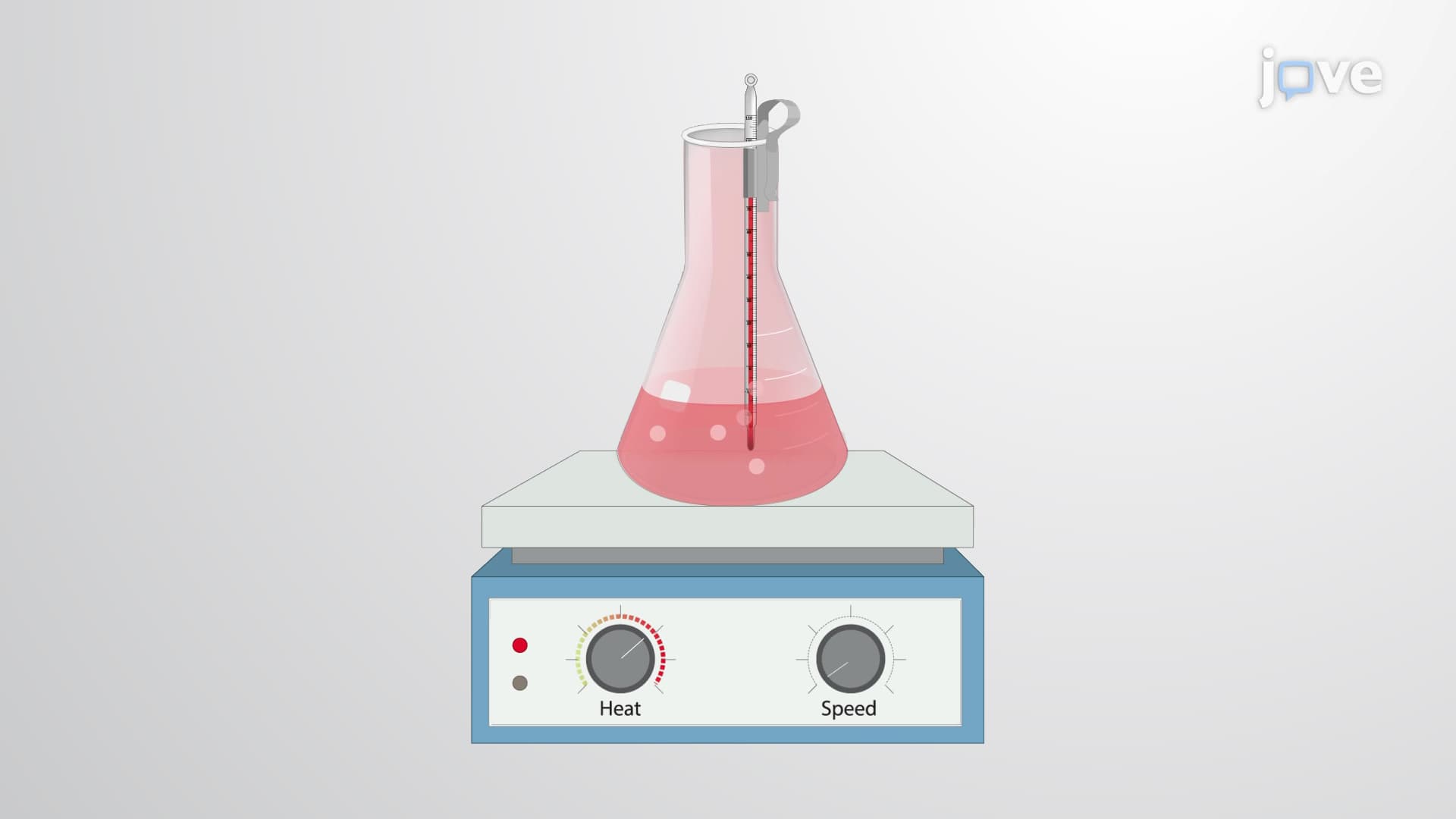
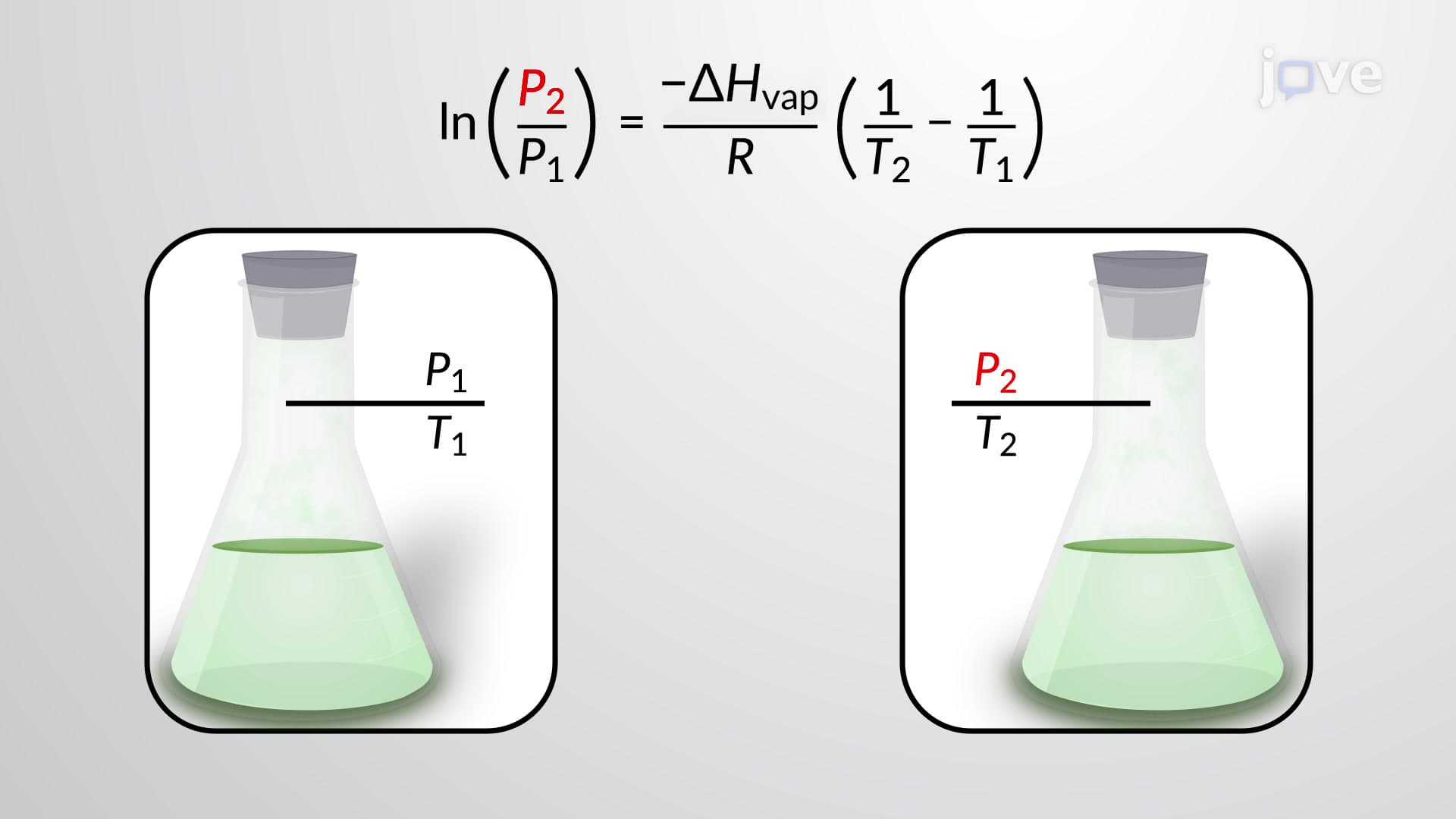
5. Vapor Pressure and the Clausius-Clapeyron Equation Vapor pressure reflects a liquid's tendency to evaporate and depends strongly on temperature and intermolecular forces. Gasoline has high vapor pressure (evaporates easily) due to weak forces, while water has lower vapor pressure from hydrogen bonding. The Clausius-Clapeyron equation (ln P = -ΔHvap/RT + C) relates vapor pressure to temperature, enabling calculations crucial for chemical engineering and meteorology. This relationship explains why water boils at lower temperatures on mountains where atmospheric pressure is reduced.
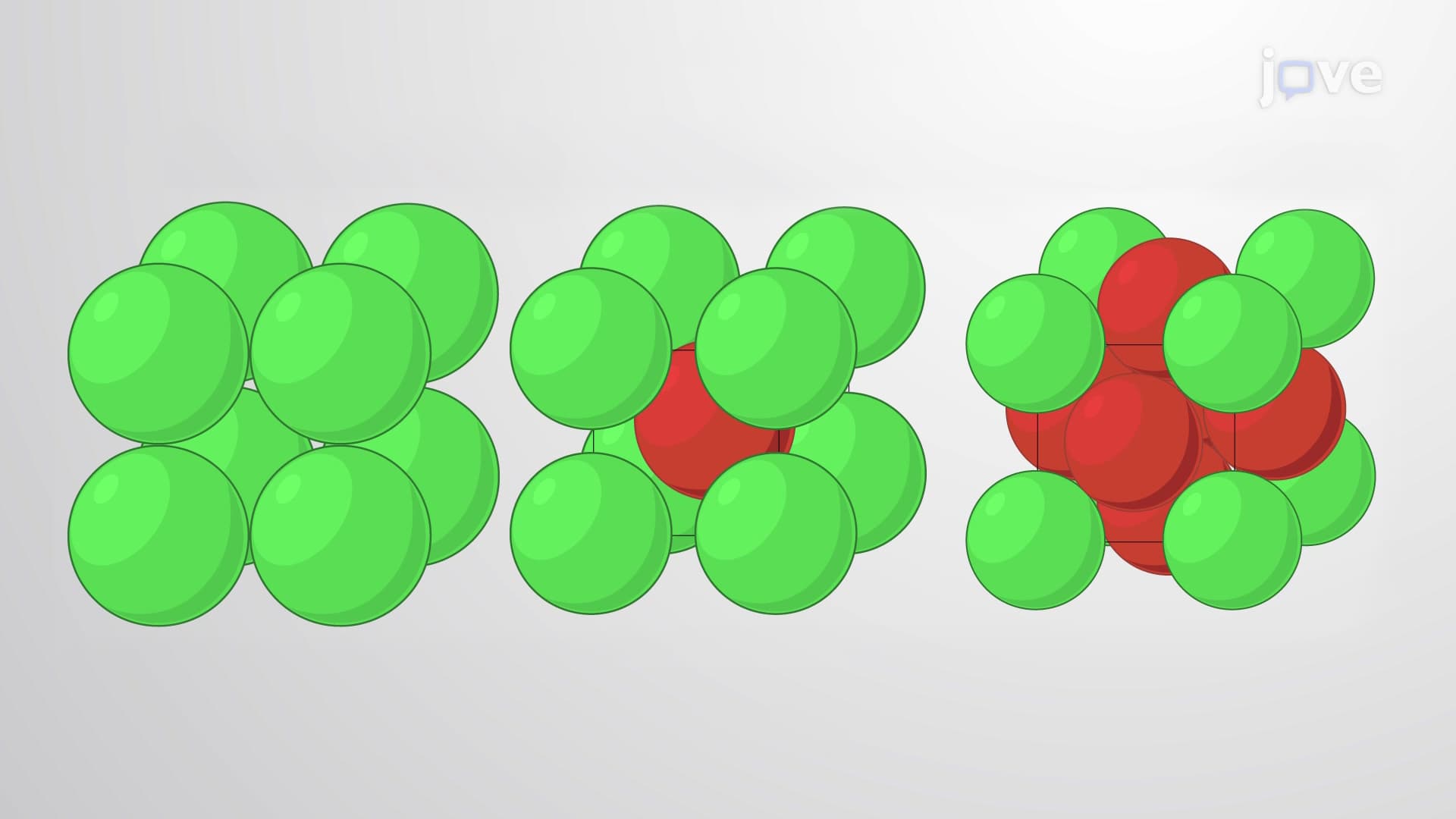
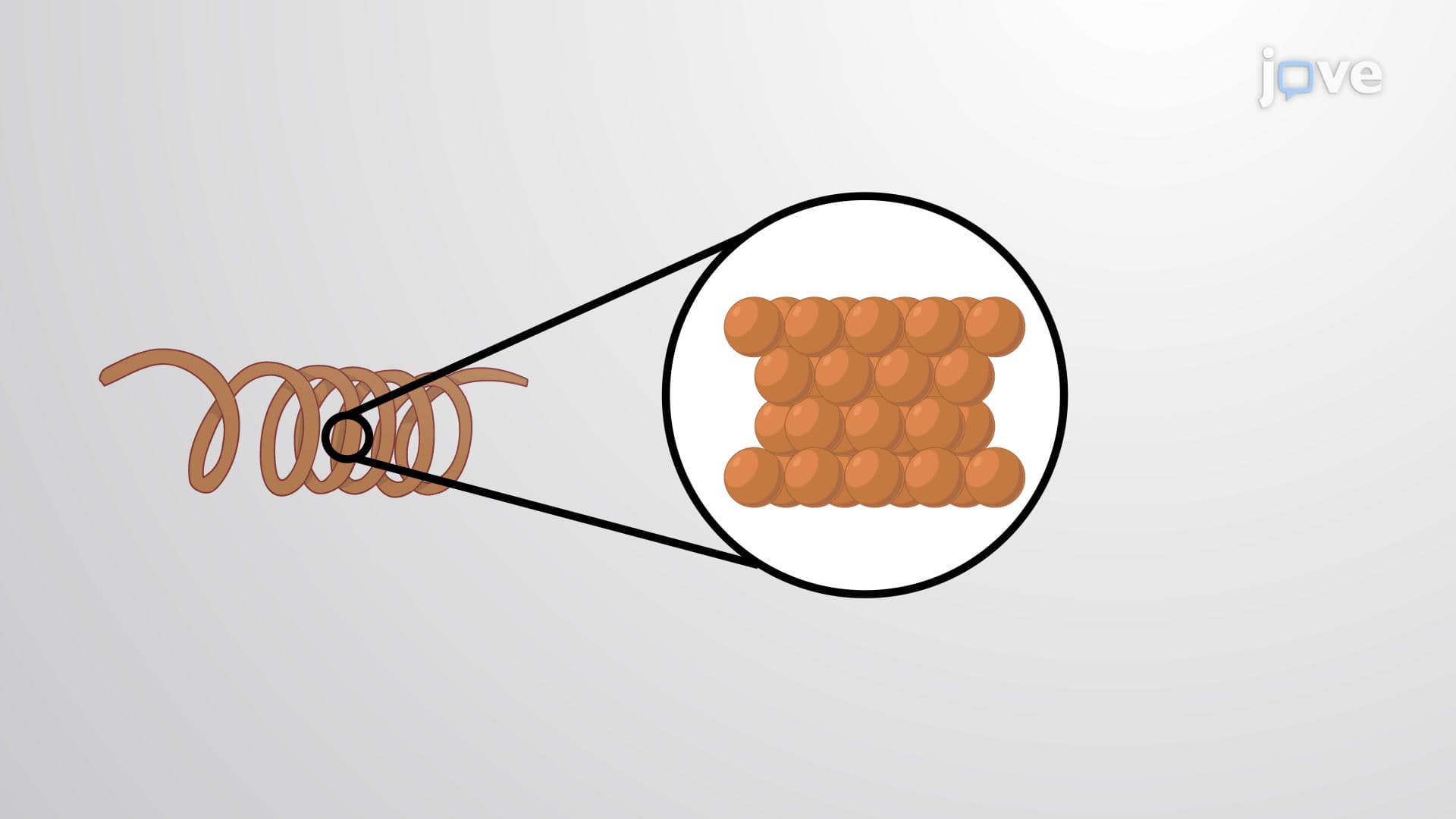
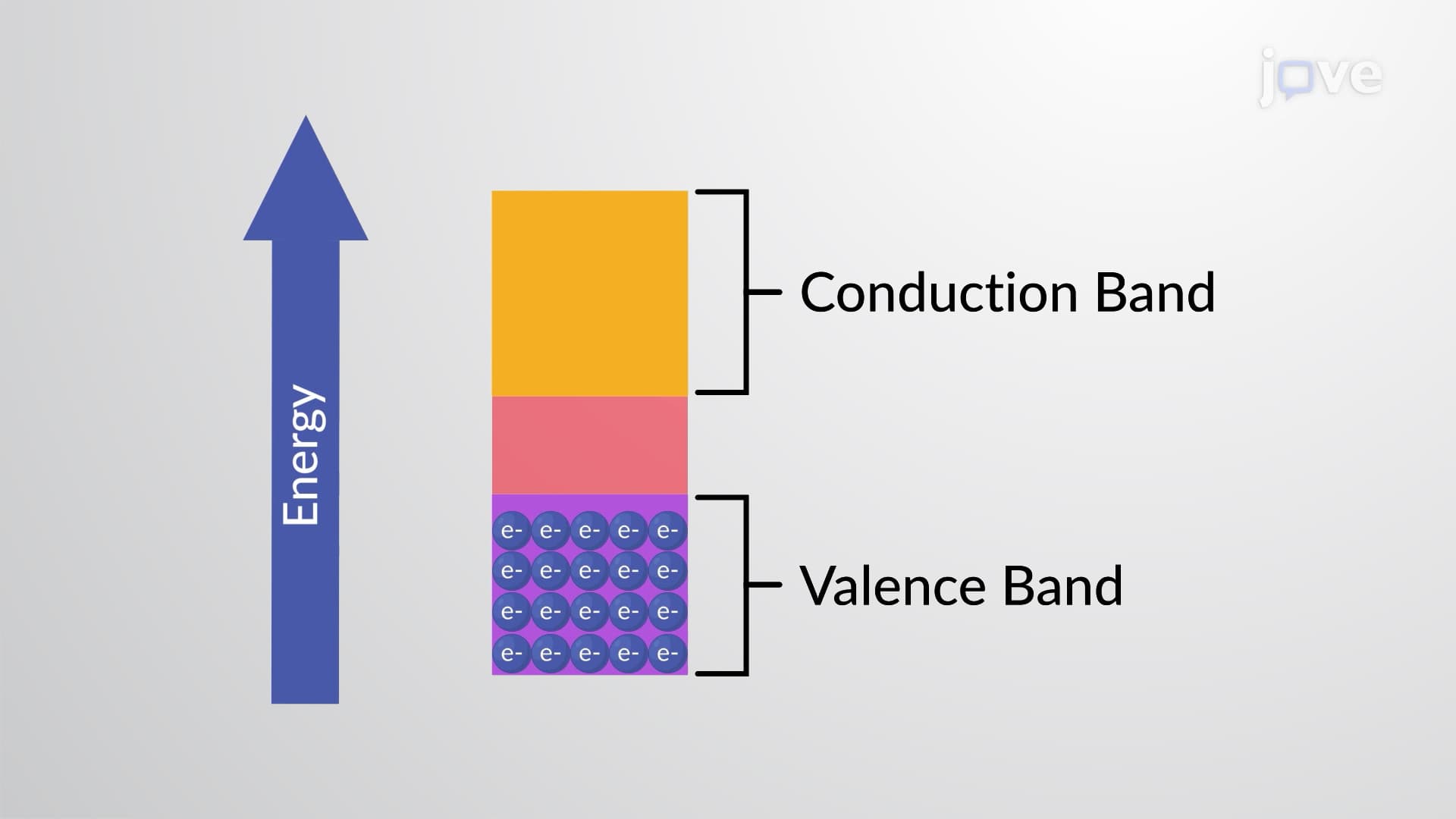
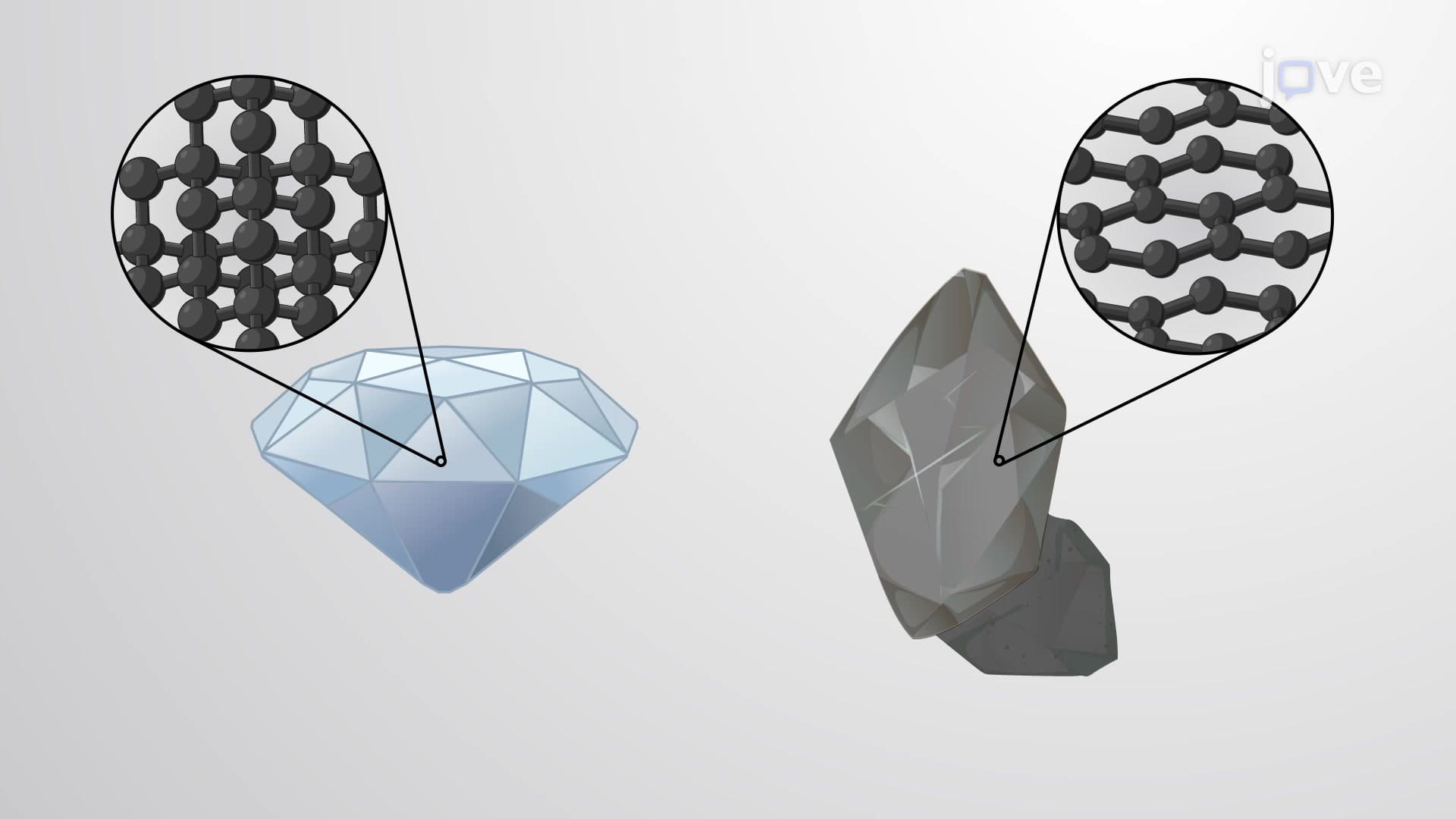
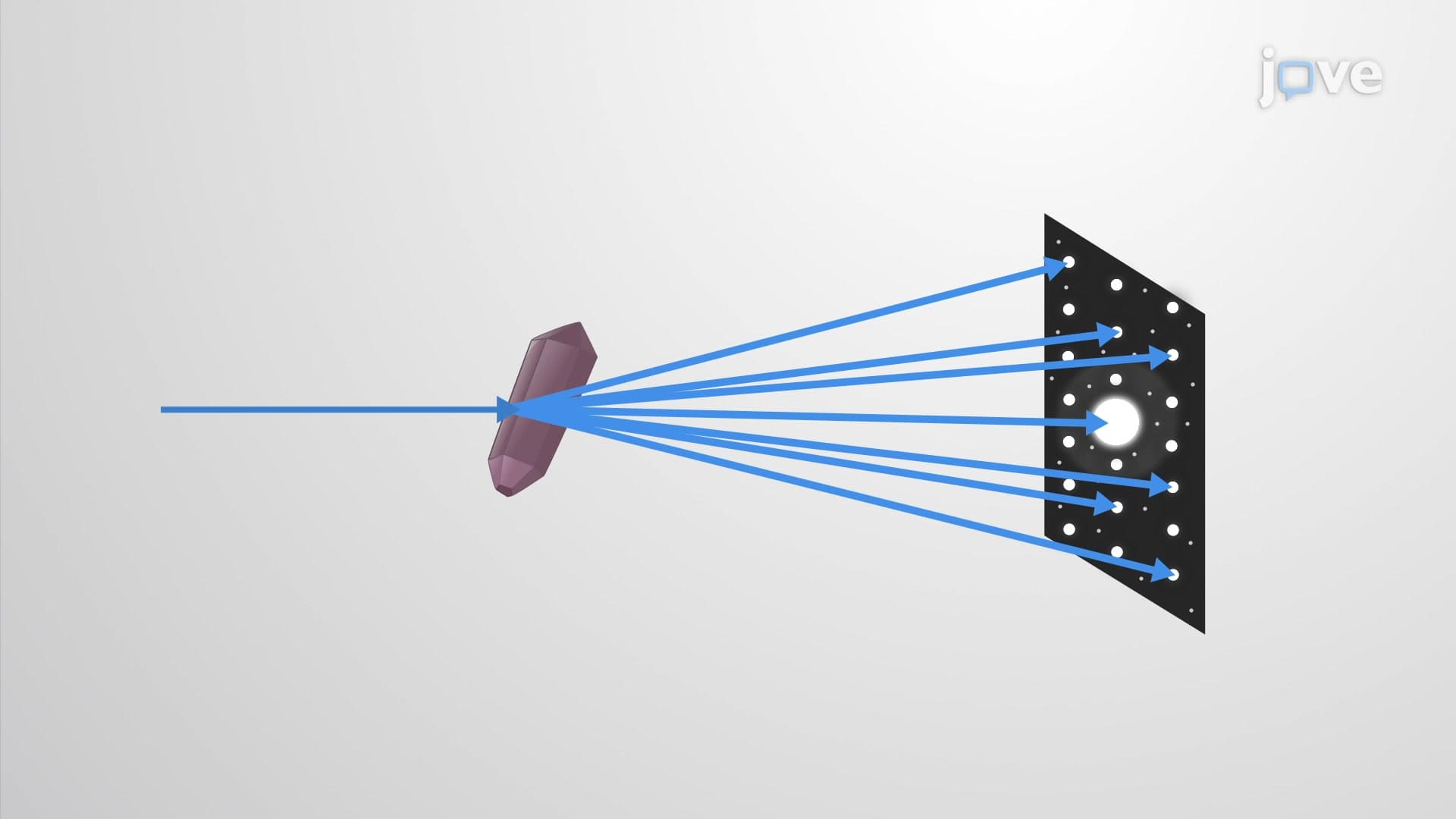
6. Crystal Structures and Solid Properties Solid structures depend on the balance between intermolecular forces and molecular packing efficiency. Ionic crystals like sodium chloride maximize electrostatic attraction while minimizing repulsion. Metallic solids such as copper feature delocalized electrons creating "seas" that enable electrical conductivity. Network covalent solids like diamond have atoms connected by covalent bonds throughout the structure, creating extreme hardness. Molecular crystals like dry ice rely on weaker intermolecular forces, explaining their lower melting points and ability to sublime.