Loading concepts…


12 Concepts
7 Concepts
10 Concepts
13 Concepts
10 Concepts
12 Concepts
15 Concepts
8 Concepts
14 Concepts
9 Concepts
21 Concepts
13 Concepts
12 Concepts
10 Concepts
14 Concepts
15 Concepts
10 Concepts
10 Concepts
10 Concepts
10 Concepts
12 Concepts
 14 Concepts
 641.5K Views
 Popular topics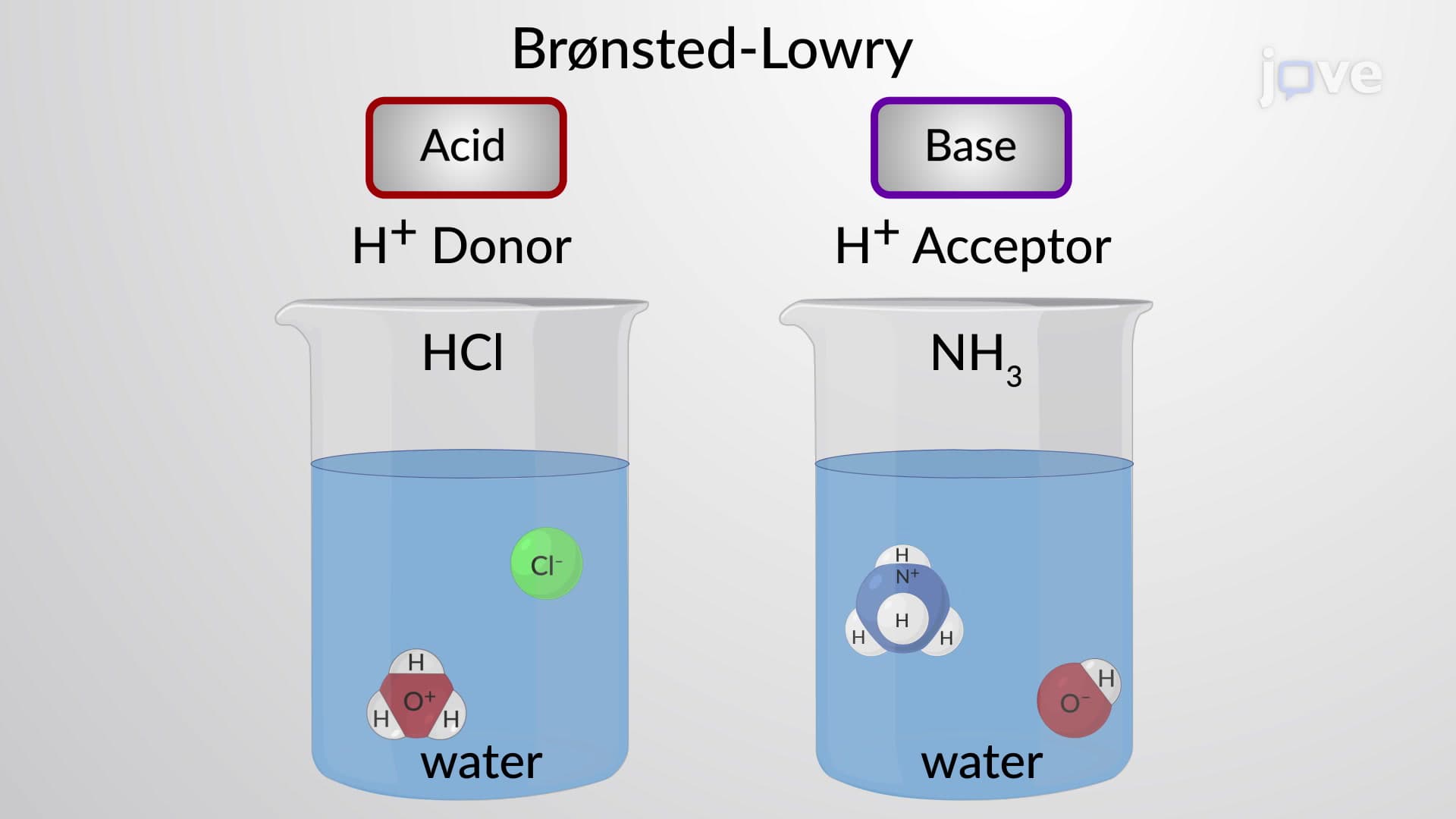


Acids and bases form the foundation of chemical reactivity, governing everything from digestion in your stomach to environmental pH regulation. This comprehensive course explores acid-base theories, equilibrium calculations, and real-world applications through the Arrhenius, Brønsted-Lowry, and Lewis models. Master pH calculations, buffer systems, and salt hydrolysis with JoVE Coach's interactive learning approach.
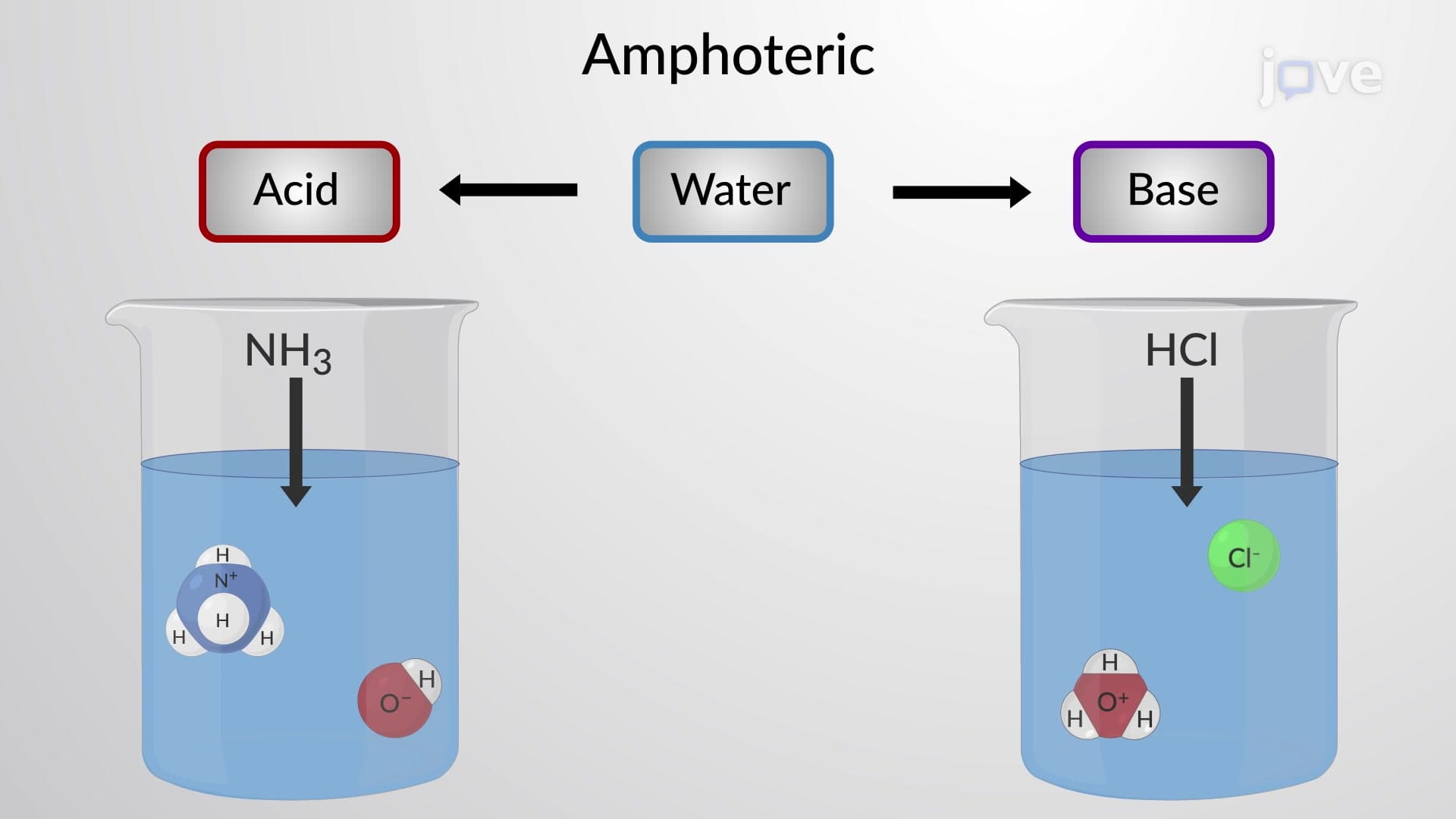
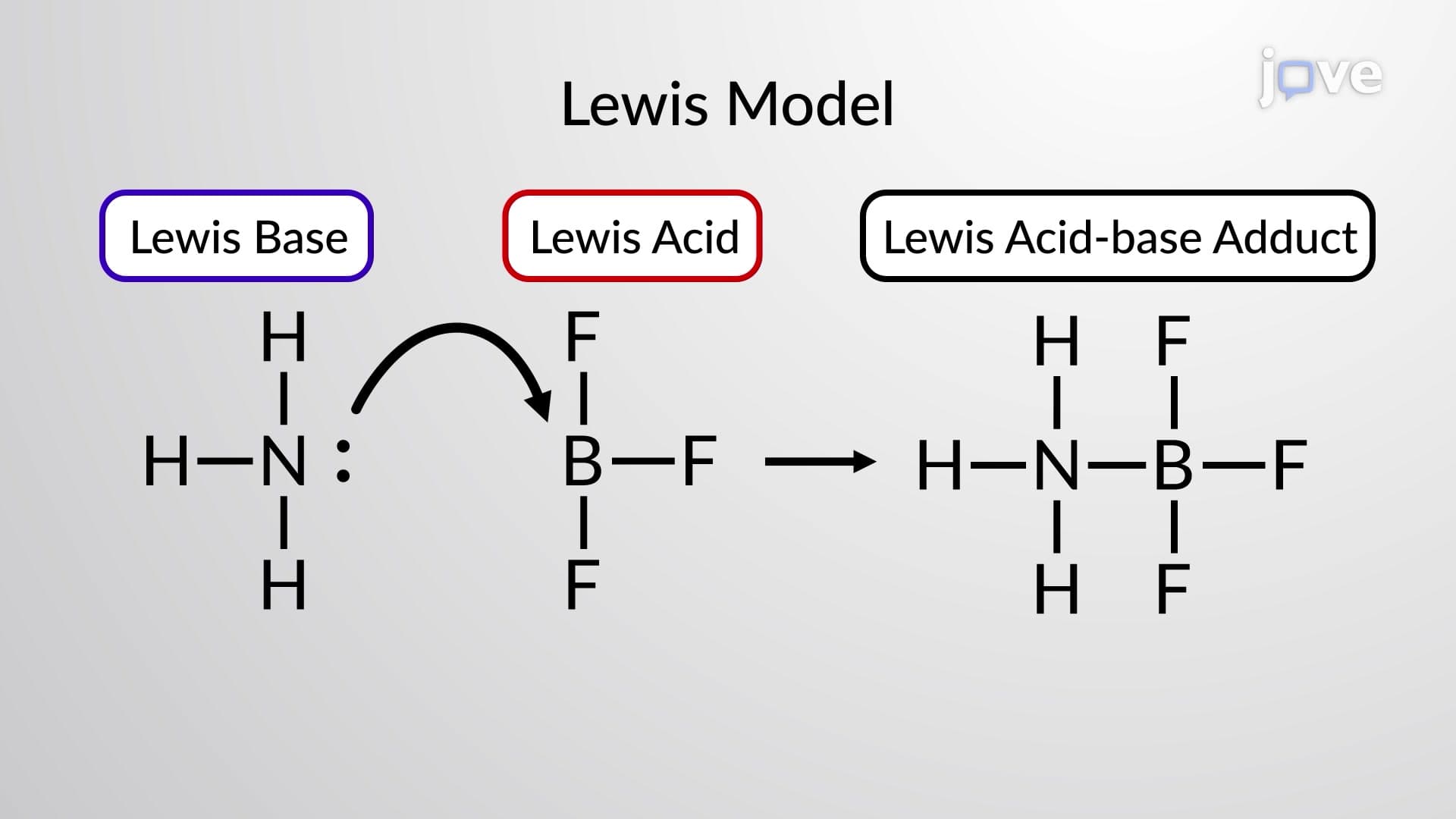
1. Arrhenius, Brønsted-Lowry, and Lewis Acid-Base Theories Understanding how acids and bases are defined across different theoretical frameworks helps explain chemical behavior in various conditions. The Arrhenius theory applies to aqueous solutions where acids produce H⁺ ions and bases produce OH⁻ ions, like HCl dissociating in water or NaOH forming hydroxide ions. Brønsted-Lowry theory expands this to proton donors and acceptors, explaining reactions like NH₃ accepting protons from water. Lewis theory focuses on electron pair donation and acceptance, crucial for understanding coordination complexes and reactions in non-aqueous systems.
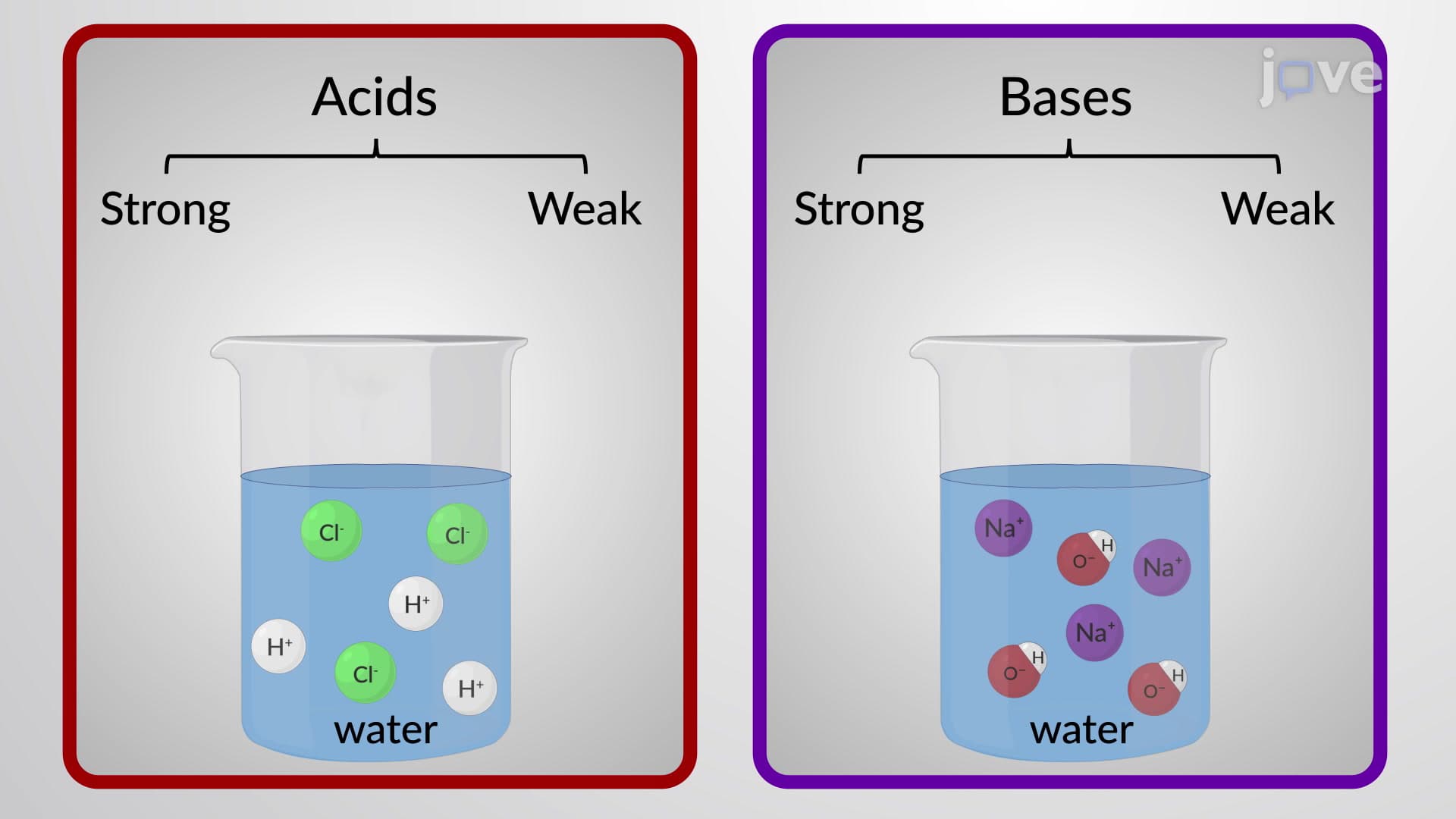
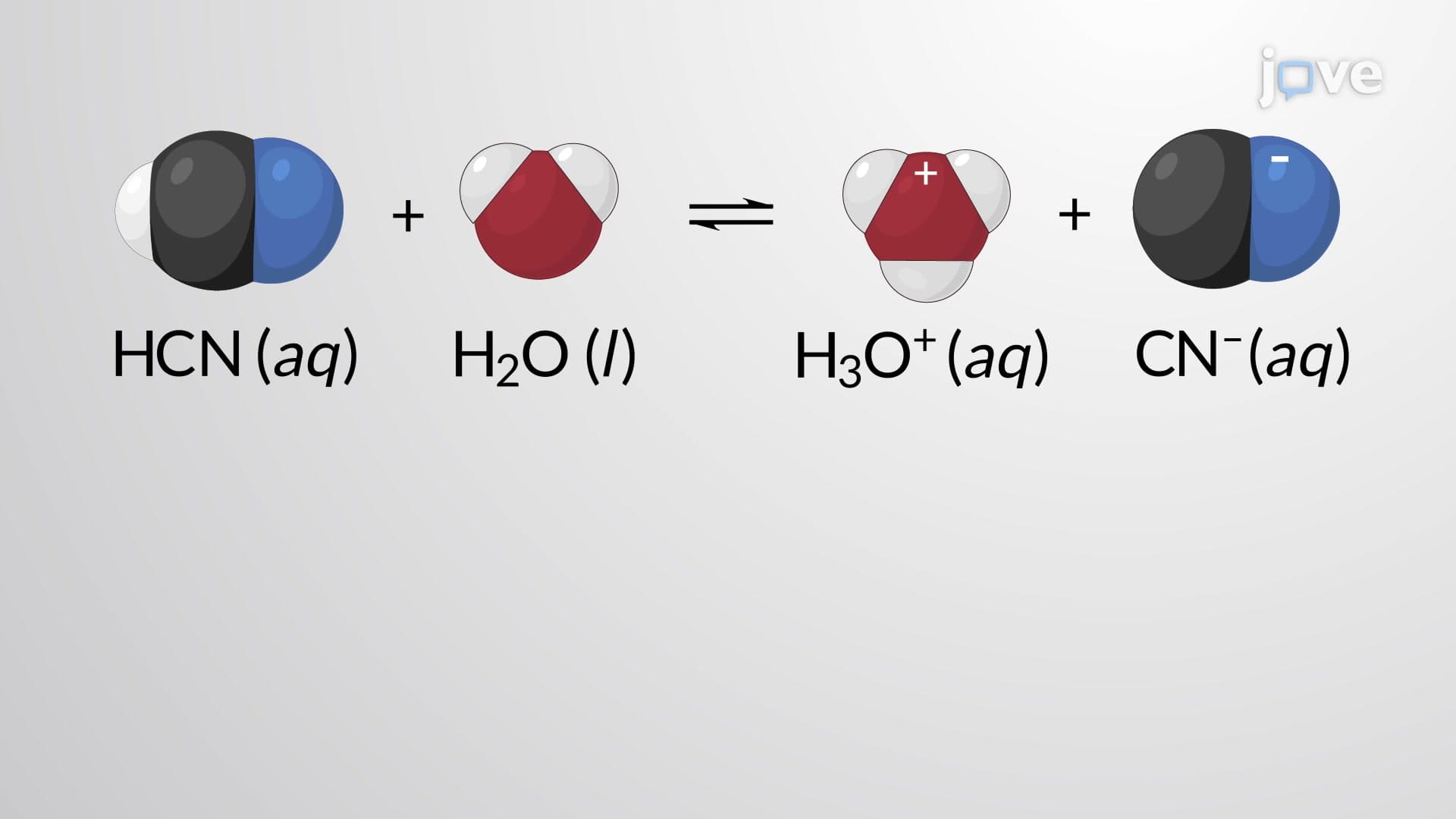
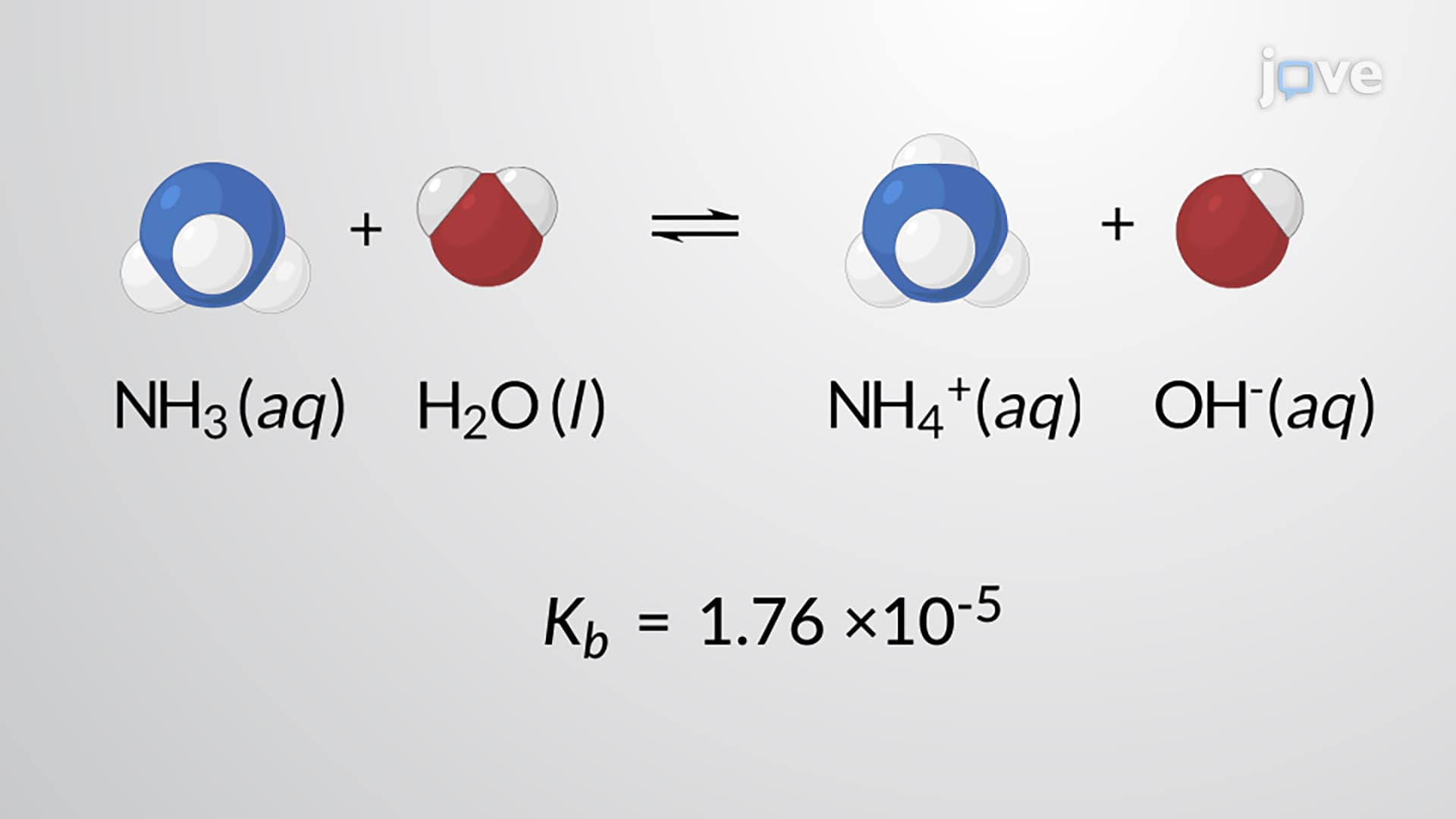
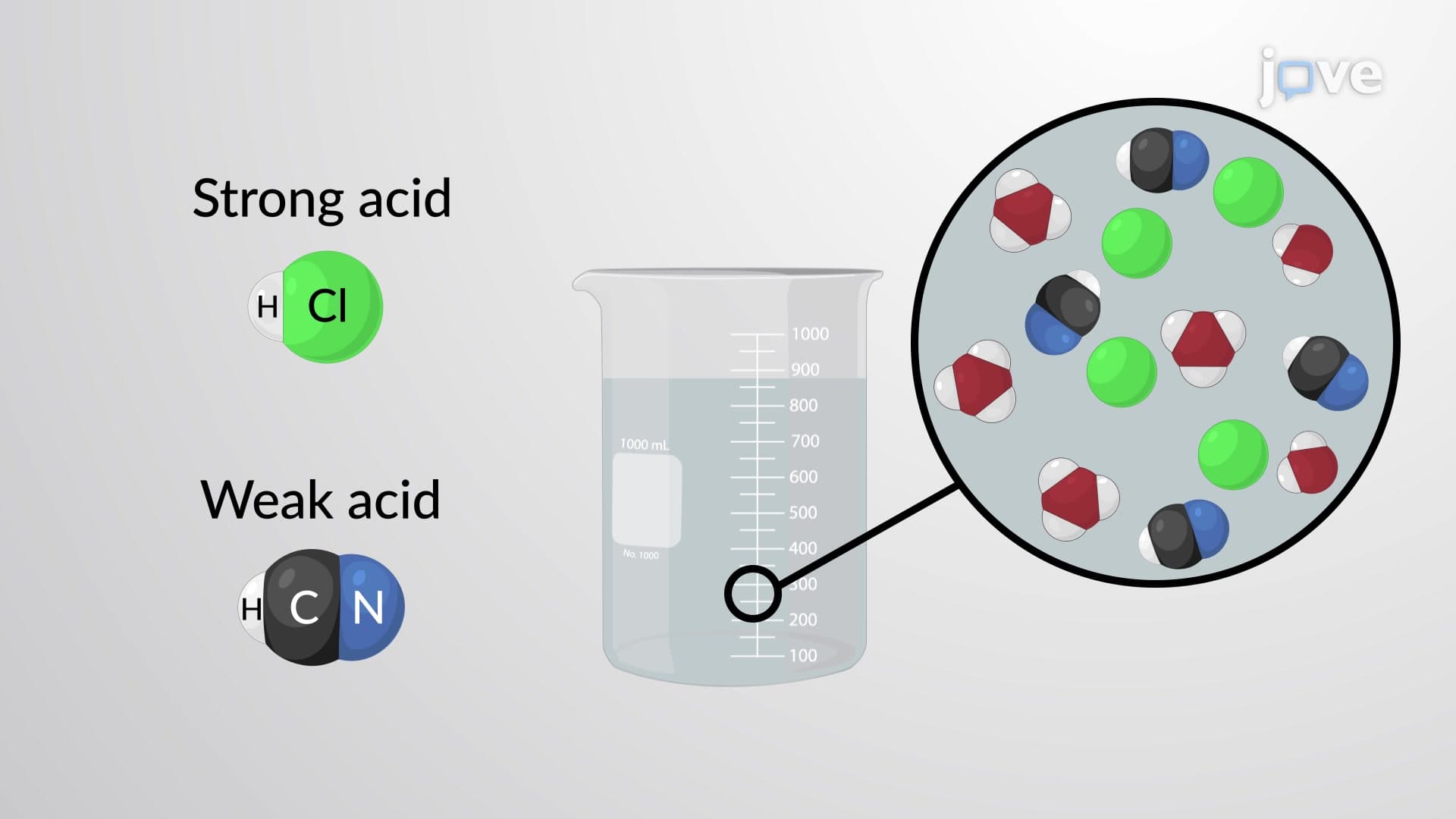
2. Strong vs. Weak Acids and Bases with Equilibrium Constants Strong acids like HCl, HNO₃, and H₂SO₄ completely dissociate in water, making pH calculations straightforward using initial concentrations. Weak acids such as acetic acid (CH₃COOH) and hydrofluoric acid (HF) establish equilibrium between dissociated and undissociated forms. The acid dissociation constant (Ka) quantifies this equilibrium, with larger Ka values indicating stronger acids. Similarly, weak bases like ammonia (NH₃) are characterized by base dissociation constants (Kb). Understanding these relationships is essential for predicting reaction outcomes and calculating solution pH.
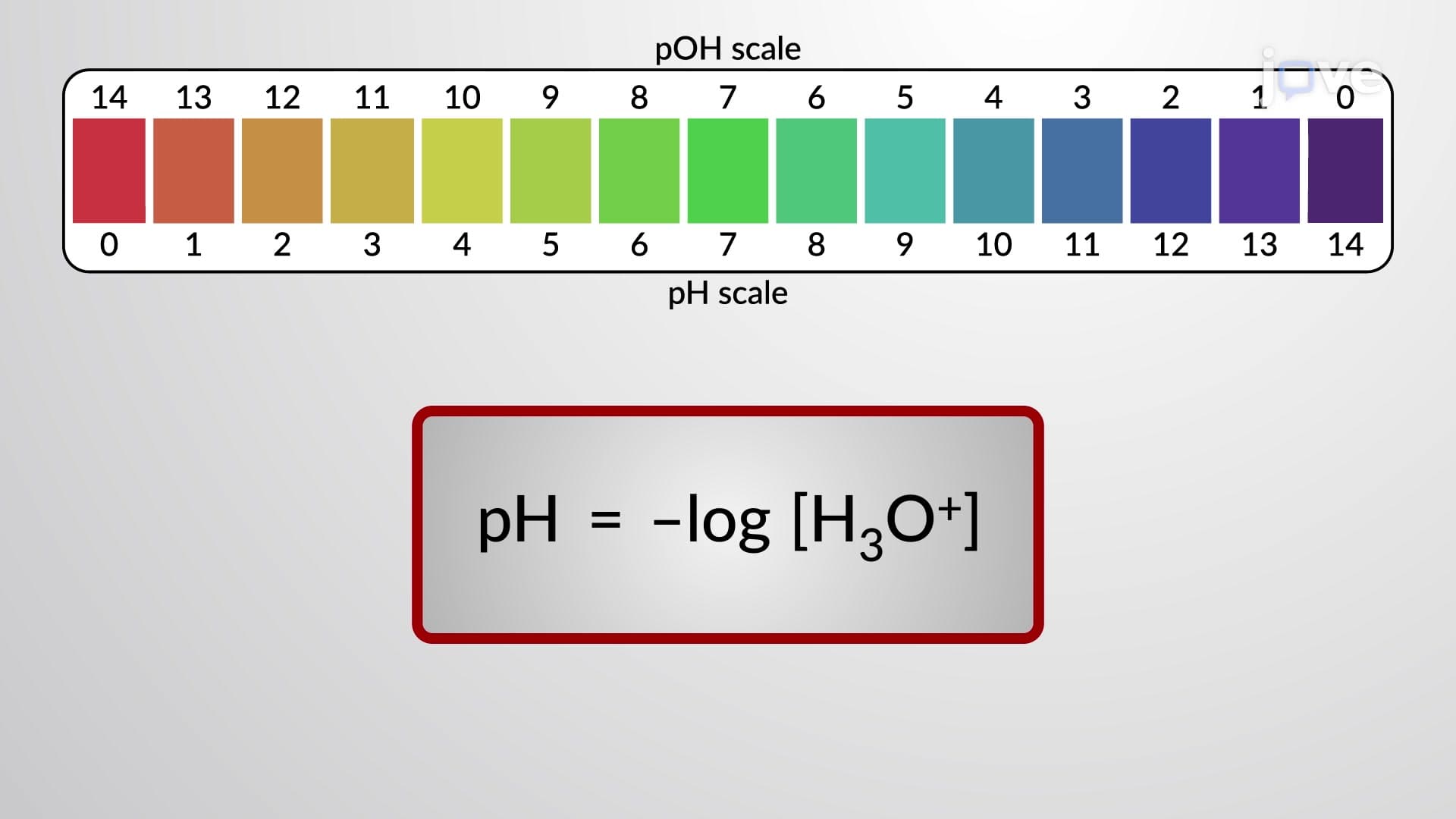
3. pH Scale and Logarithmic Relationships The pH scale, developed by Søren Sørensen, provides a convenient way to express hydrogen ion concentrations ranging from 10⁻¹⁴ to 1 M. A pH of 7 represents neutrality at 25°C, with values below 7 being acidic and above 7 being basic. Each pH unit represents a 10-fold change in acidity-lemon juice (pH 2) is 100 times more acidic than coffee (pH 4). The relationship pH + pOH = 14 allows conversion between acidity and basicity measurements, crucial for solving equilibrium problems and understanding buffer systems.
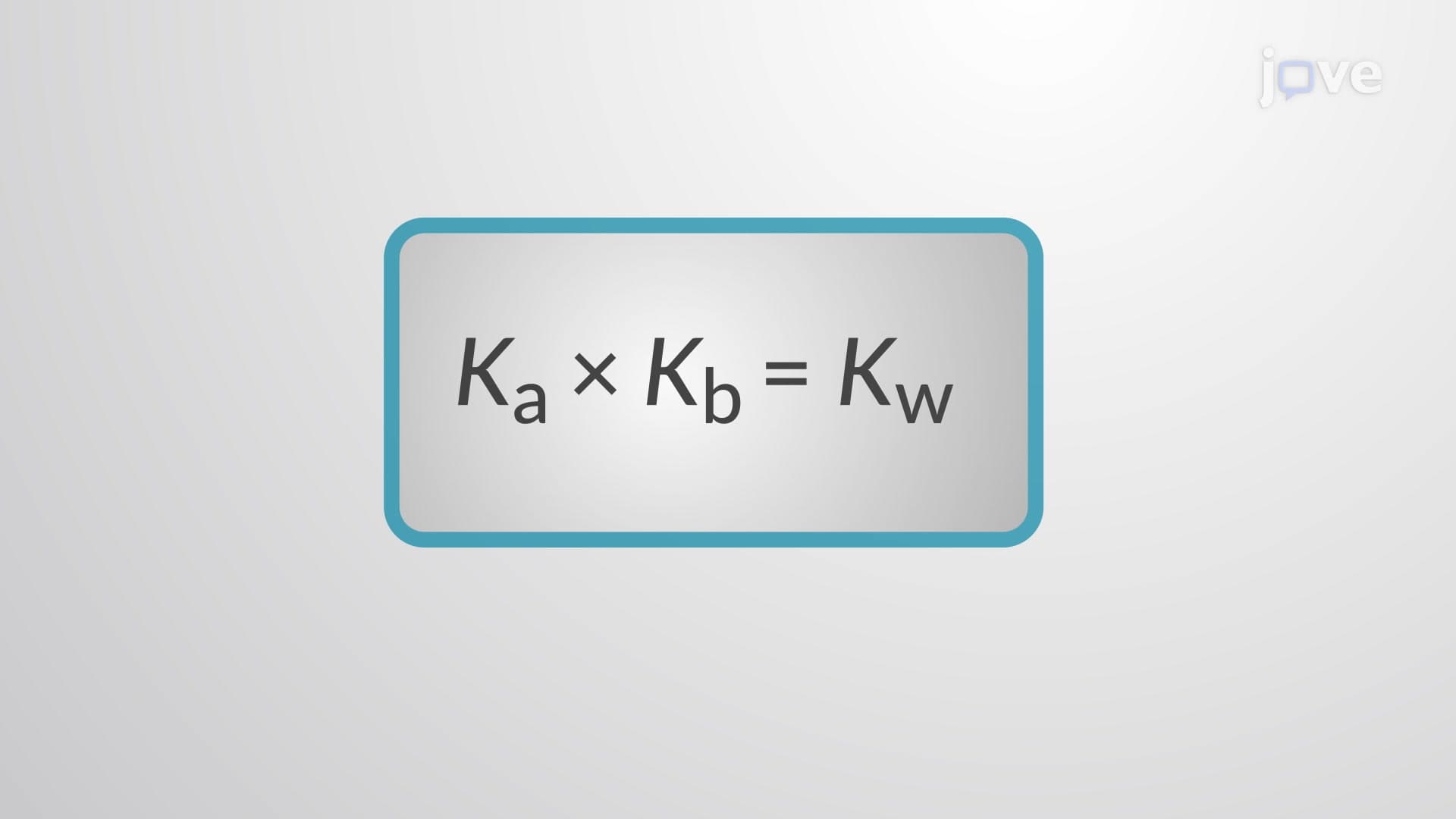
4. Conjugate Acid-Base Pairs and Relative Strengths Every acid has a corresponding conjugate base formed by losing a proton, and every base has a conjugate acid formed by gaining a proton. Strong acids like HCl have extremely weak conjugate bases (Cl⁻), while weak acids like acetic acid have moderately weak conjugate bases (CH₃COO⁻). The mathematical relationship Ka × Kb = Kw connects the strength of conjugate pairs, allowing calculation of unknown equilibrium constants. This principle explains why strong acid solutions remain acidic even when diluted, and helps predict the direction of acid-base reactions.
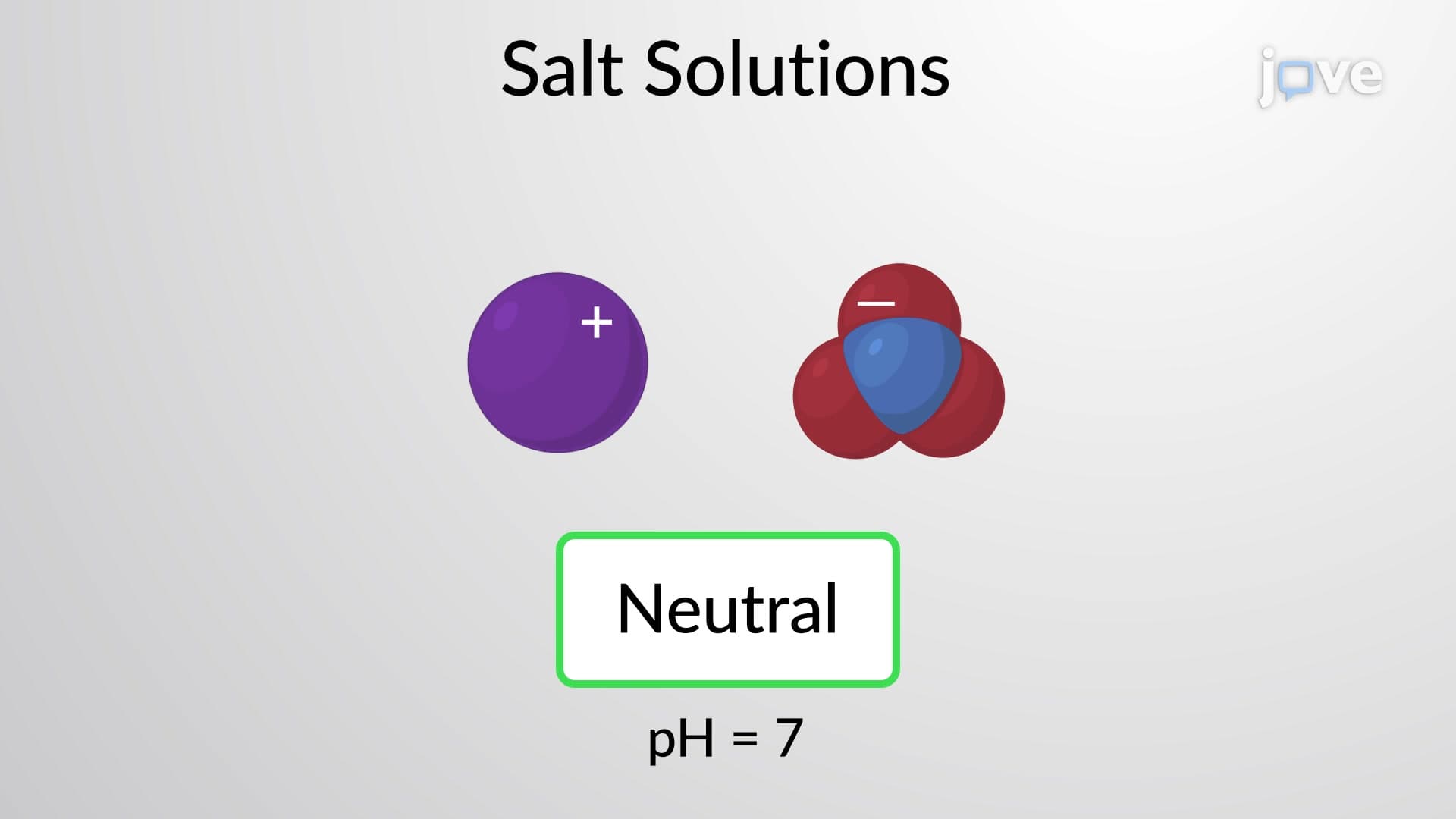
5. Salt Hydrolysis and Solution pH Prediction When salts dissolve in water, their constituent ions can affect solution pH through hydrolysis reactions. Salts from strong acids and strong bases (like NaCl) produce neutral solutions because neither ion reacts significantly with water. However, salts containing the conjugate base of a weak acid (like sodium acetate) create basic solutions, while salts with the conjugate acid of a weak base (like ammonium chloride) produce acidic solutions. Small, highly charged metal ions like Al³⁺ and Fe³⁺ can also act as weak acids when hydrated, making their salt solutions acidic.
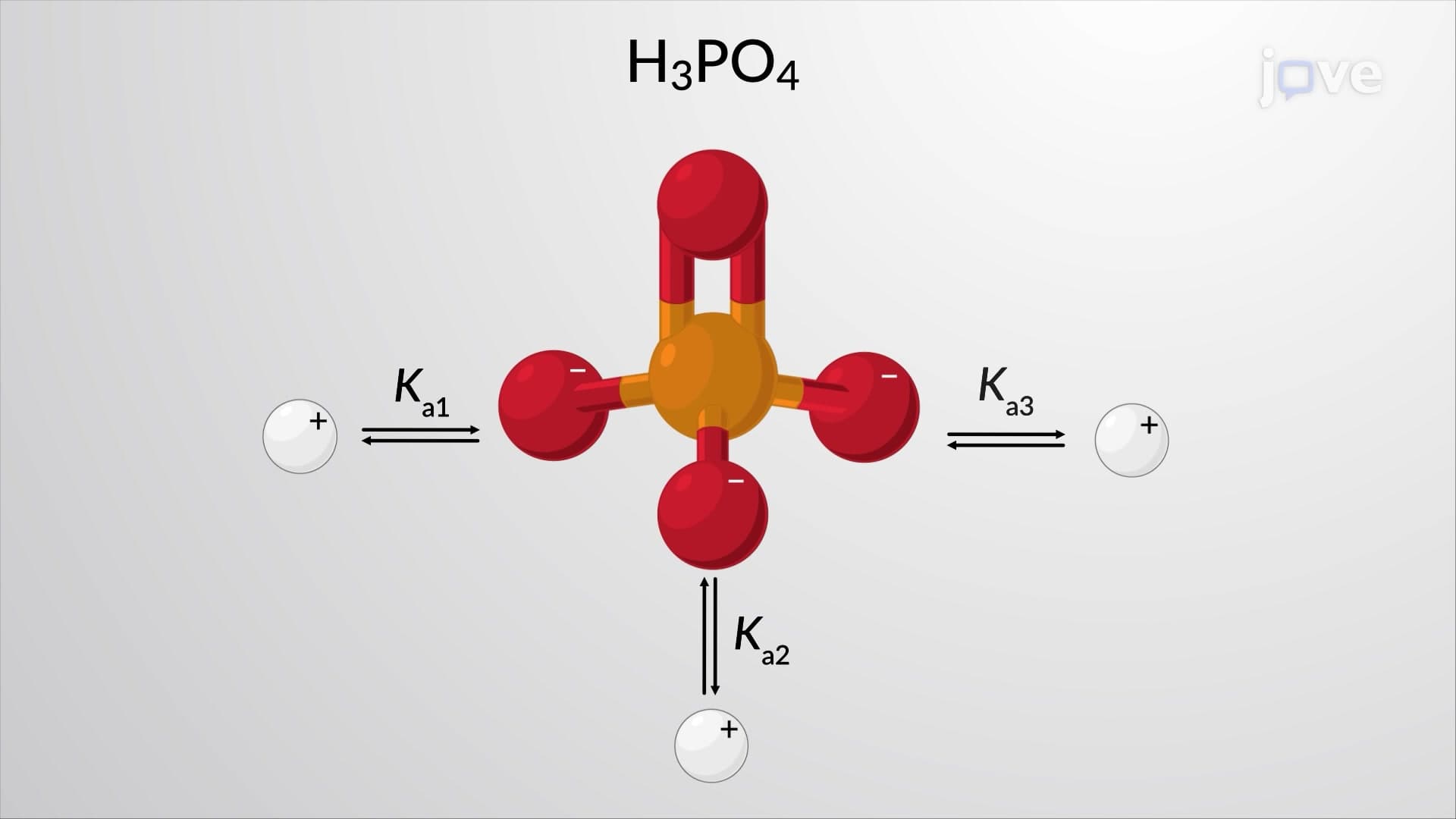
6. Polyprotic Acids and Stepwise Dissociation Polyprotic acids like H₂SO₄, H₃PO₄, and H₂CO₃ can donate multiple protons in successive steps, each with its own equilibrium constant (Ka1, Ka2, Ka3). Sulfuric acid completely dissociates its first proton (Ka1 is very large) but partially dissociates its second proton. Phosphoric acid shows three distinct dissociation steps, making it useful in buffer systems across different pH ranges. Understanding stepwise dissociation is crucial for calculating pH in solutions of diprotic and triprotic acids, and explains the behavior of biological molecules like amino acids.
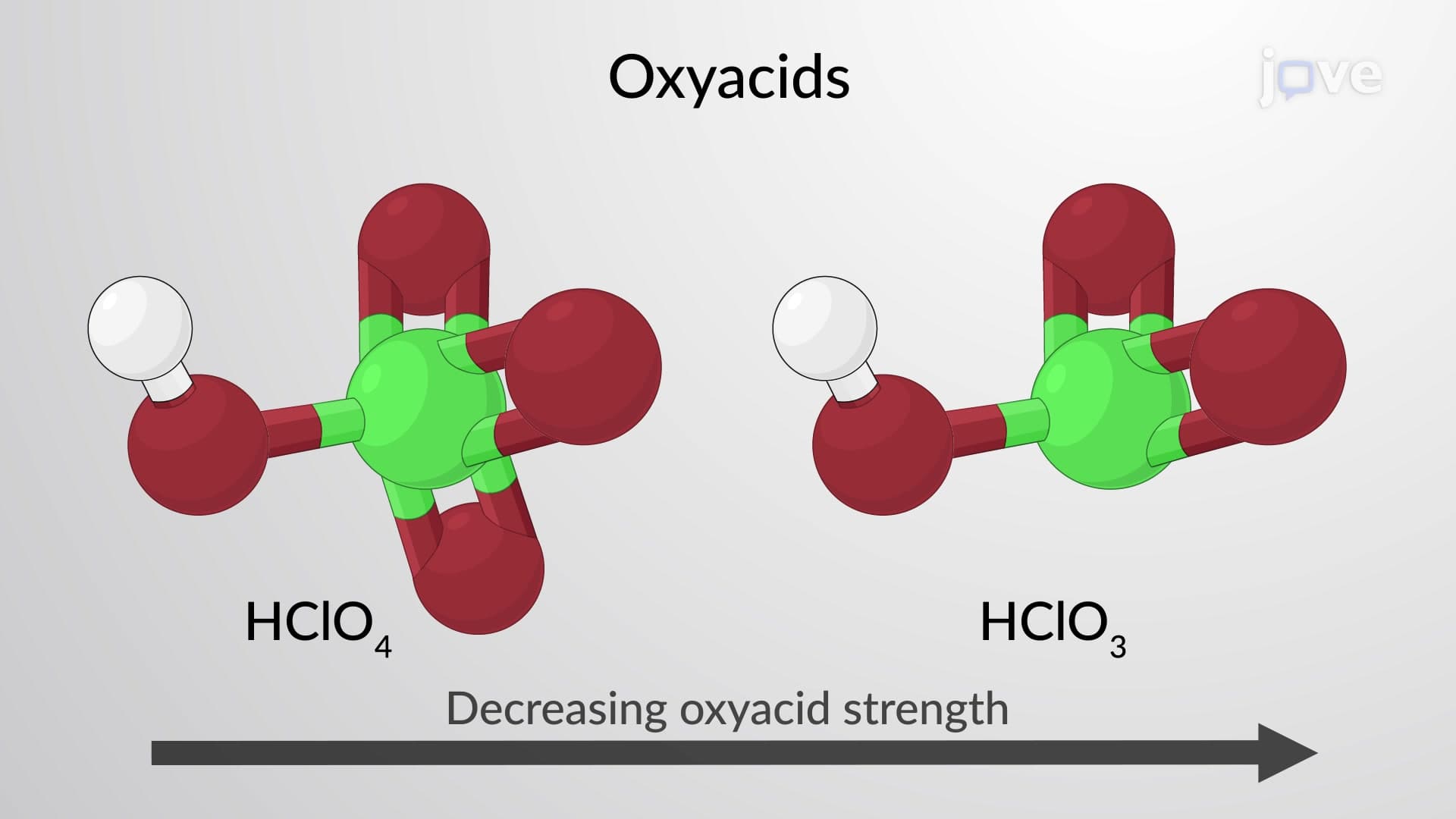
7. Molecular Structure Effects on Acid Strength Acid strength depends on molecular factors including bond polarity, electronegativity, and molecular size. Factors that stabilize the conjugate base increase acid strength-highly electronegative atoms like fluorine withdraw electron density, making H-F bonds more polar and HF more acidic than HCl might suggest based on size alone. Resonance stabilization in conjugate bases also increases acid strength, explaining why carboxylic acids are stronger than alcohols. Understanding these structure-property relationships helps predict relative acid strengths and design molecules with desired properties.