Loading subject page…


641,510 views

Video Summary: What are Mixtures of Acids
Ever wondered why adding vinegar to your morning orange juice makes it taste so much more acidic than expected? Understanding mixtures of acids chemistry reveals that the stronger acid dominates the pH, suppressing weaker acids through Le Chatelier's principle. In pharmaceutical manufacturing across the US, companies like Pfizer must carefully calculate pH when combining different acidic compounds to ensure drug stability and efficacy. Watch the full video on JoVE Coach to master this concept with expert-led visuals and step-by-step explanations.
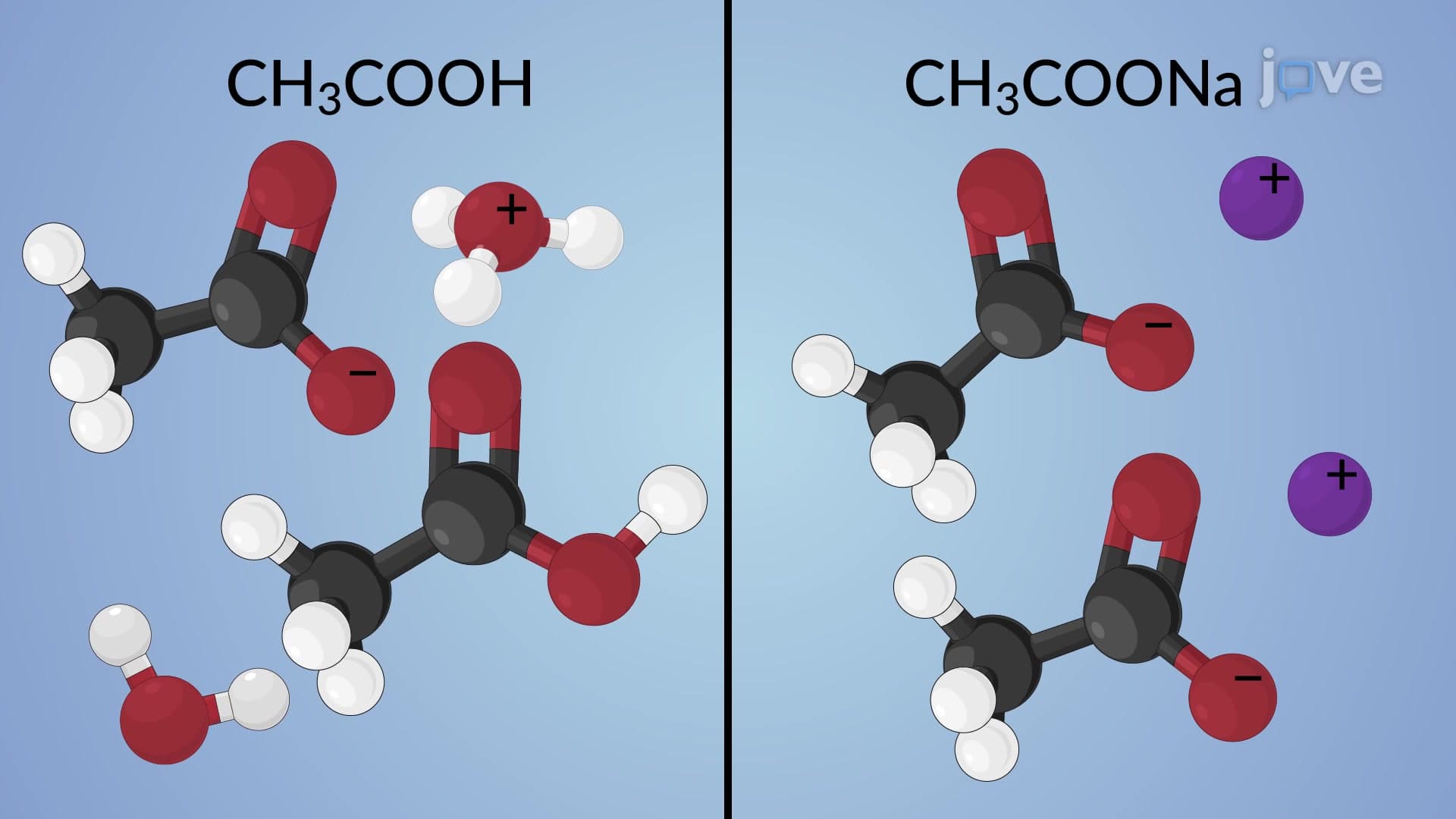
When multiple acids coexist in solution, their individual behaviors change dramatically compared to isolated systems. The fundamental principle governing mixtures of acids chemistry centers on competitive equilibrium: stronger acids dominate weaker ones by flooding the solution with hydronium ions (H3O+), effectively suppressing the dissociation of weaker acids through Le Chatelier's principle.
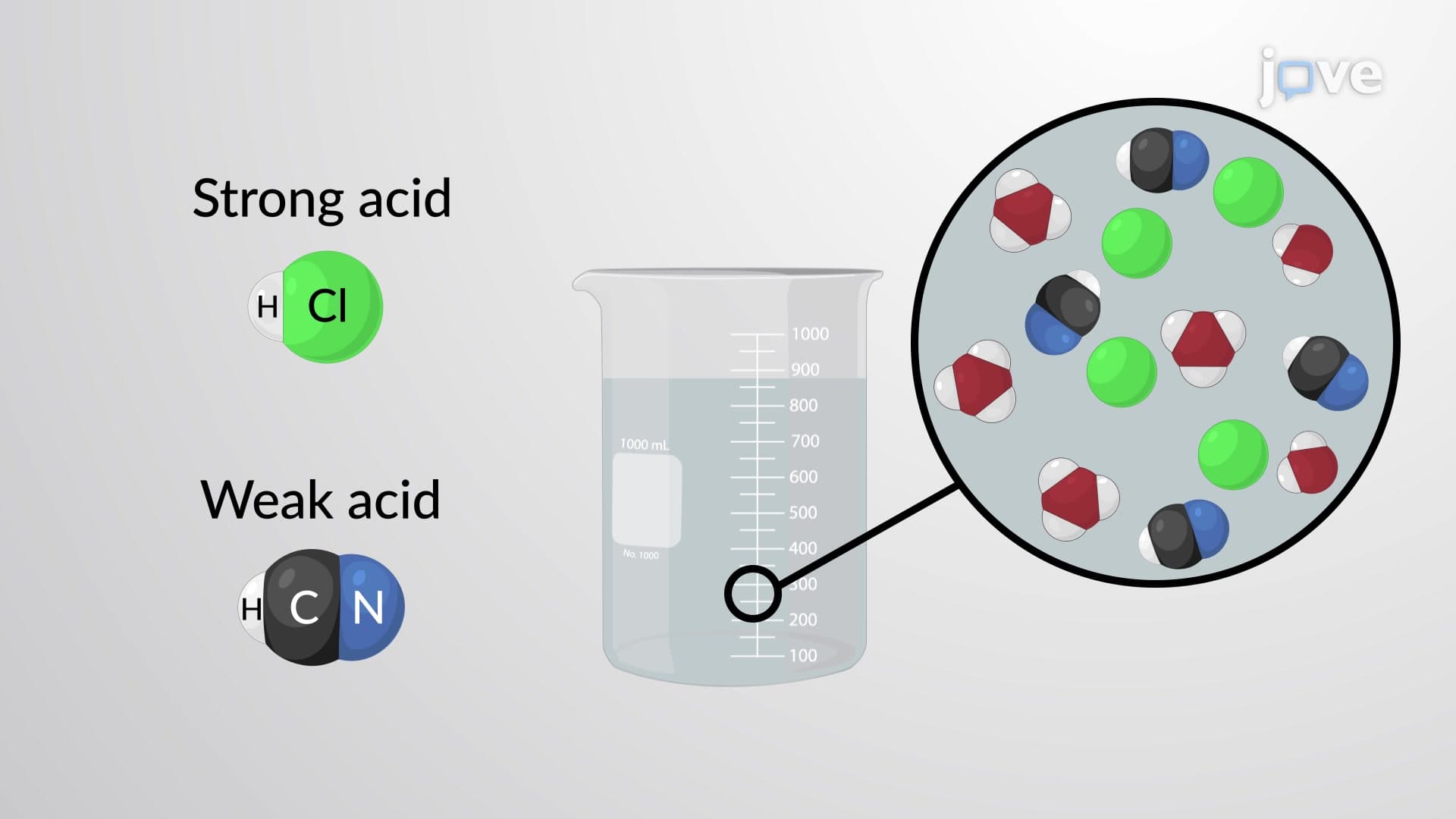
In any acid mixture, the component with the highest Ka value becomes the primary pH determinant. Consider hydrochloric acid (HCl, Ka ≈ 10^6) mixed with acetic acid (Ka = 1.8 × 10^-5). The HCl completely dissociates, creating abundant H3O+ ions that shift the acetic acid equilibrium toward its molecular form. This phenomenon explains why adding strong acids to weak acid solutions doesn't produce additive pH effects-instead, the strong acid masks the weak acid's contribution almost entirely.
US pharmaceutical companies routinely encounter this principle when formulating medications. For instance, aspirin tablets contain acetylsalicylic acid (weak) alongside citric acid (stronger weak acid) for flavor enhancement. The citric acid's higher Ka value means it primarily determines the tablet's dissolution pH, affecting bioavailability and stomach irritation potential.
Acid mixture titration analysis requires systematic calculation approaches. When analyzing a mixture containing 0.15 M HCl and 0.30 M HCN (Ka = 4.9 × 10^-10), we establish an ICE table starting with [H3O+] = 0.15 M from complete HCl dissociation. The HCN contribution becomes:
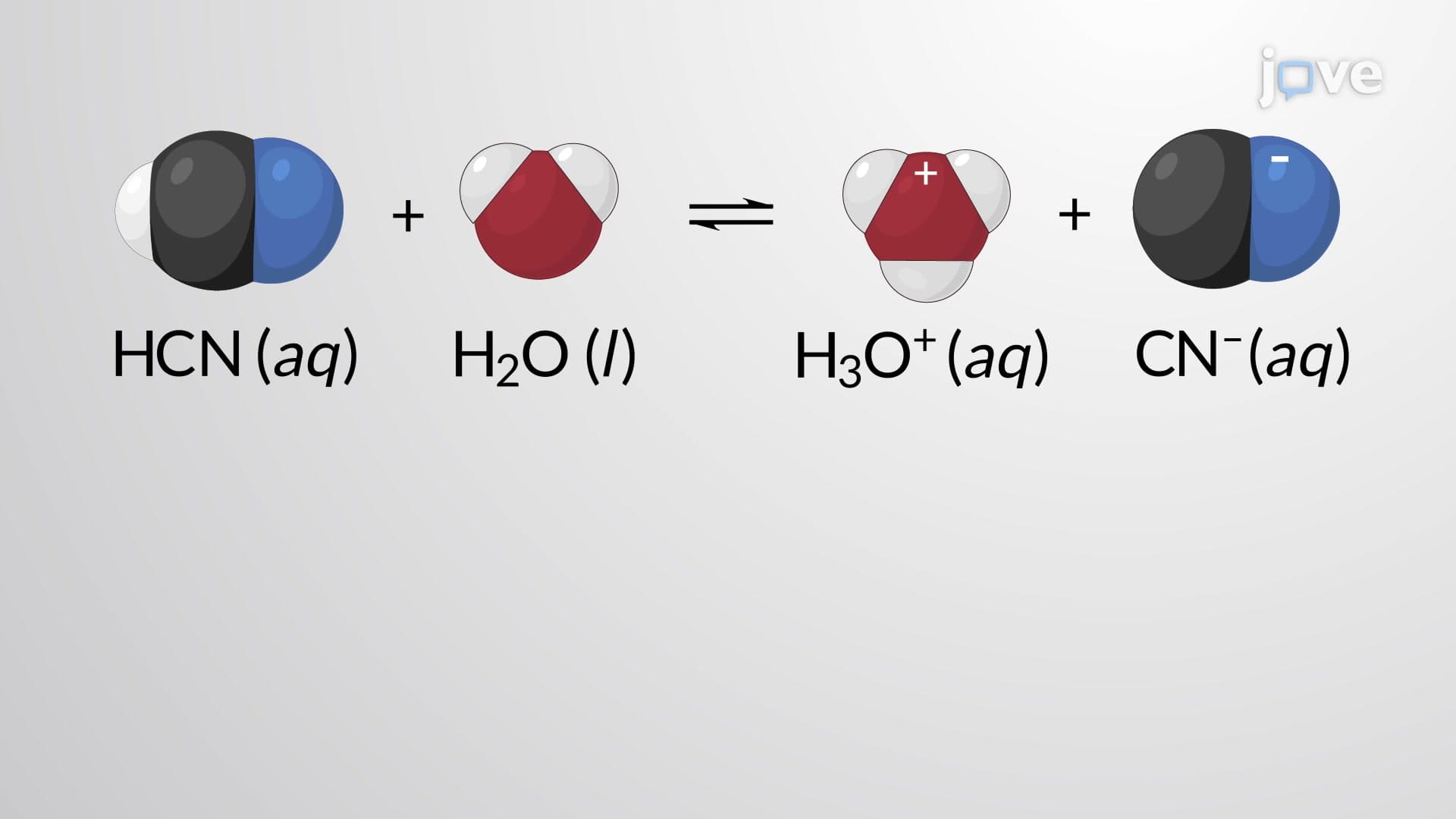
Ka = [H3O+][CN-]/[HCN] = (0.15 + x)(x)/(0.30 - x)
Using the 5% rule (valid when Ka << 10^-3), we approximate: (0.15)(x)/0.30 = 4.9 × 10^-10, yielding x ≈ 9.8 × 10^-10 M-negligible compared to 0.15 M.
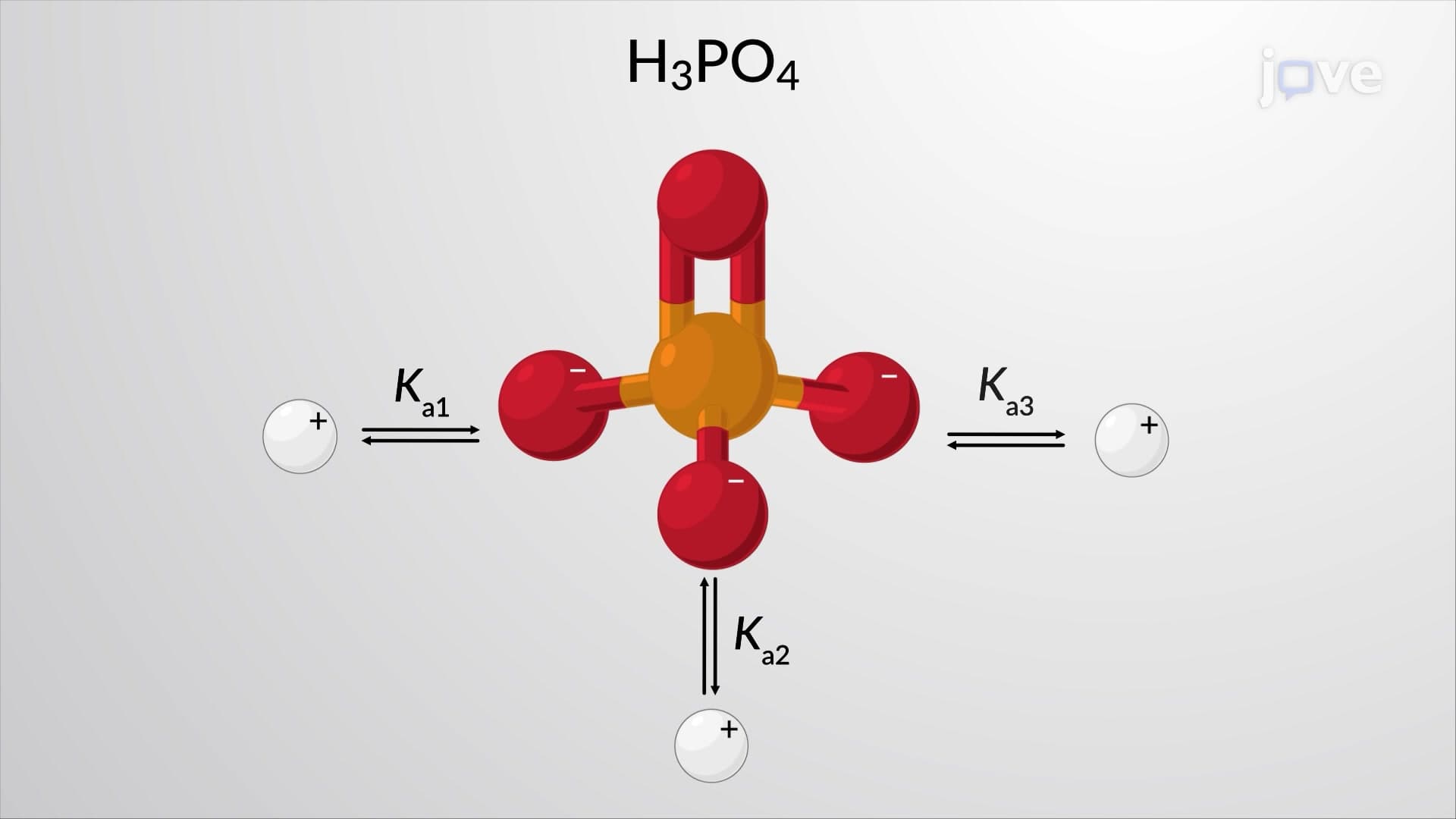
Polyprotic acid titration mixture scenarios create multiple equivalence points corresponding to each ionizable proton. A diprotic acid mixture like sulfuric acid (H2SO4) combined with phosphoric acid (H3PO4) produces complex titration curves with overlapping neutralization steps. US analytical laboratories, particularly those supporting FDA drug approval processes, use these multi-step titrations to determine exact compositions in pharmaceutical formulations.
Advanced mixed acid analysis titration techniques employ indicators or pH meters to identify distinct acid mixture equivalence points. This methodology proves essential for quality control in industries ranging from food processing (citric acid/malic acid blends in sports drinks) to semiconductor manufacturing (hydrofluoric/nitric acid etching solutions).
The practical implications extend to standardized testing: AP Chemistry frequently examines acid mixture calculations, while MCAT passages often present clinical scenarios involving buffer systems with multiple weak acids, testing students' ability to identify dominant equilibria in complex biological systems.
Related Micro-courses