Loading video…


 14 Concepts
 641.5K views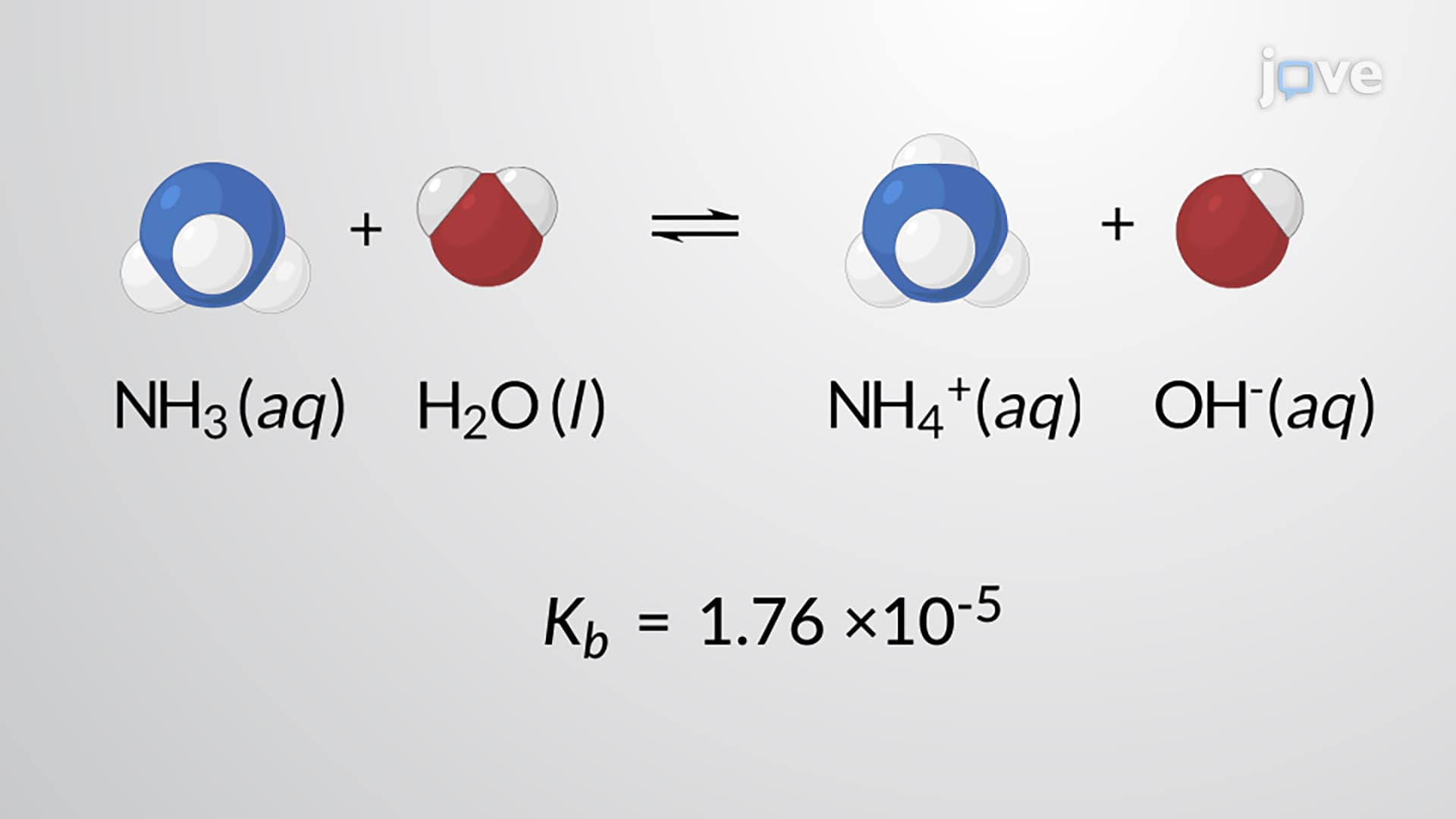

Video Summary: What are Weak Base Solutions
Ever wonder why household ammonia feels slippery on your skin but doesn't completely ionize like sodium hydroxide? Weak base solutions like ammonia only partially accept protons from water, creating fewer hydroxide ions than strong bases. This partial dissociation explains why cleaning products containing ammonia are effective yet safer than lye-based drain cleaners used in US households. Watch the full video on JoVE Coach to master this concept with expert-led visuals and step-by-step explanations.
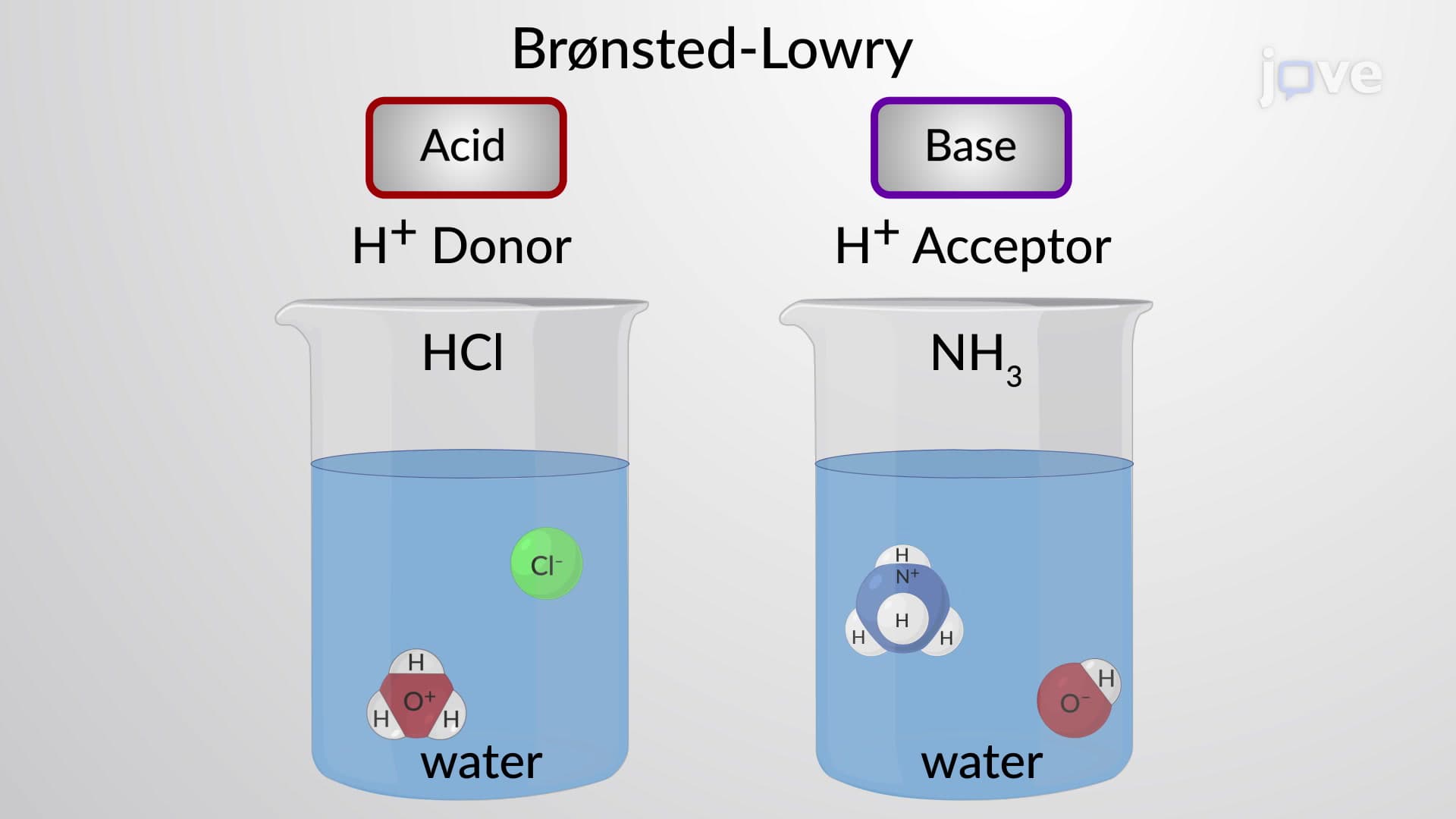
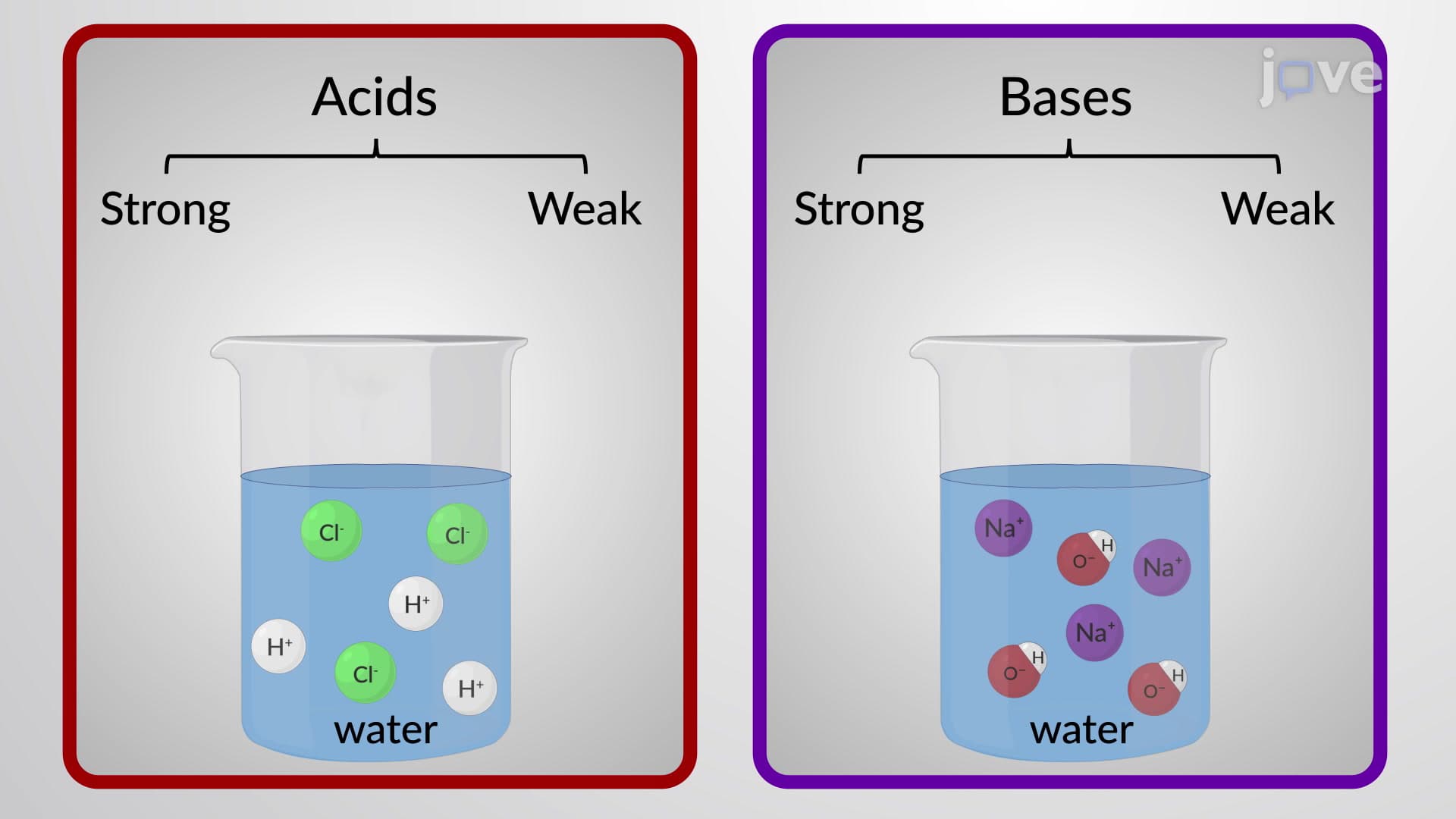
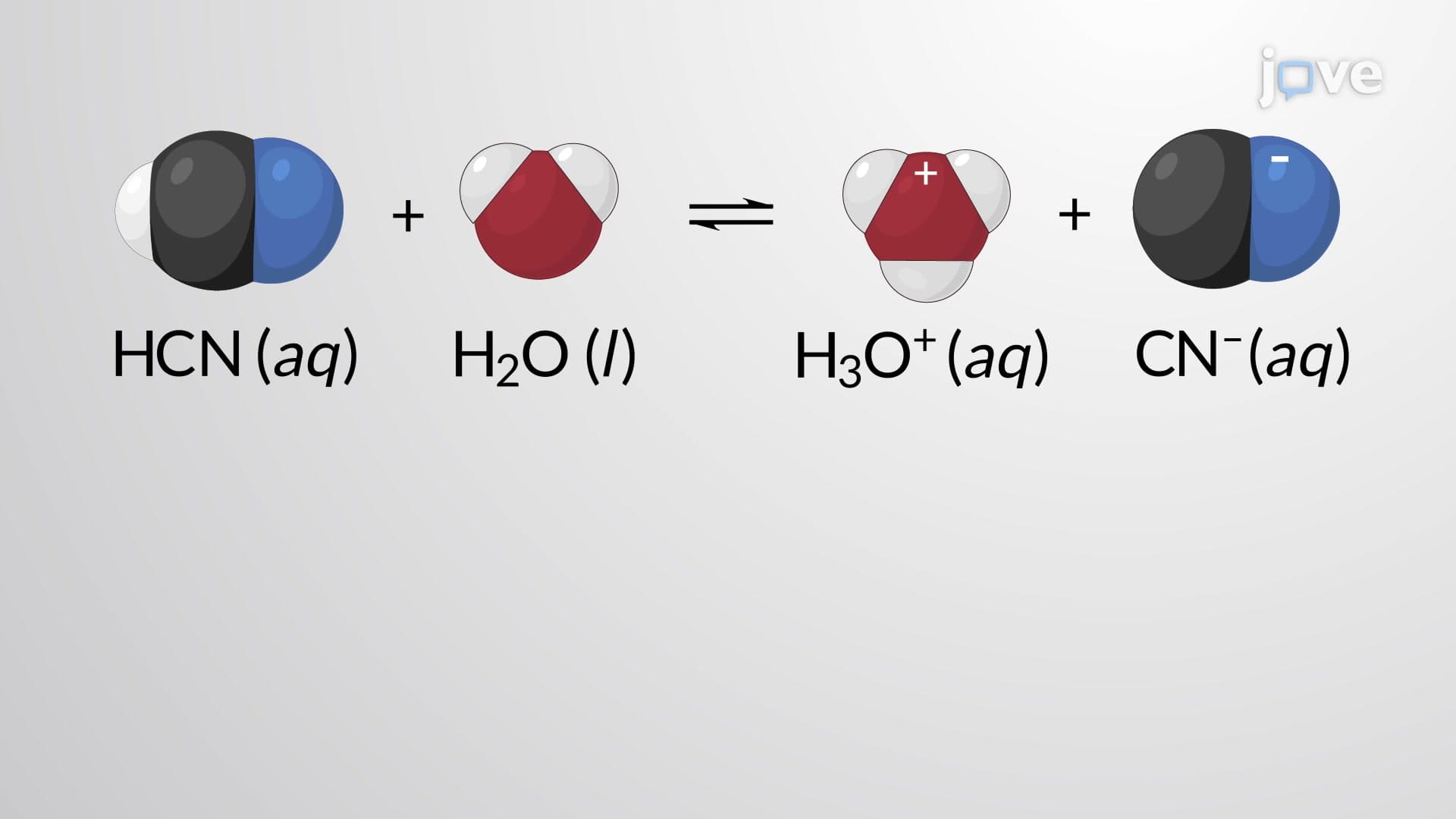
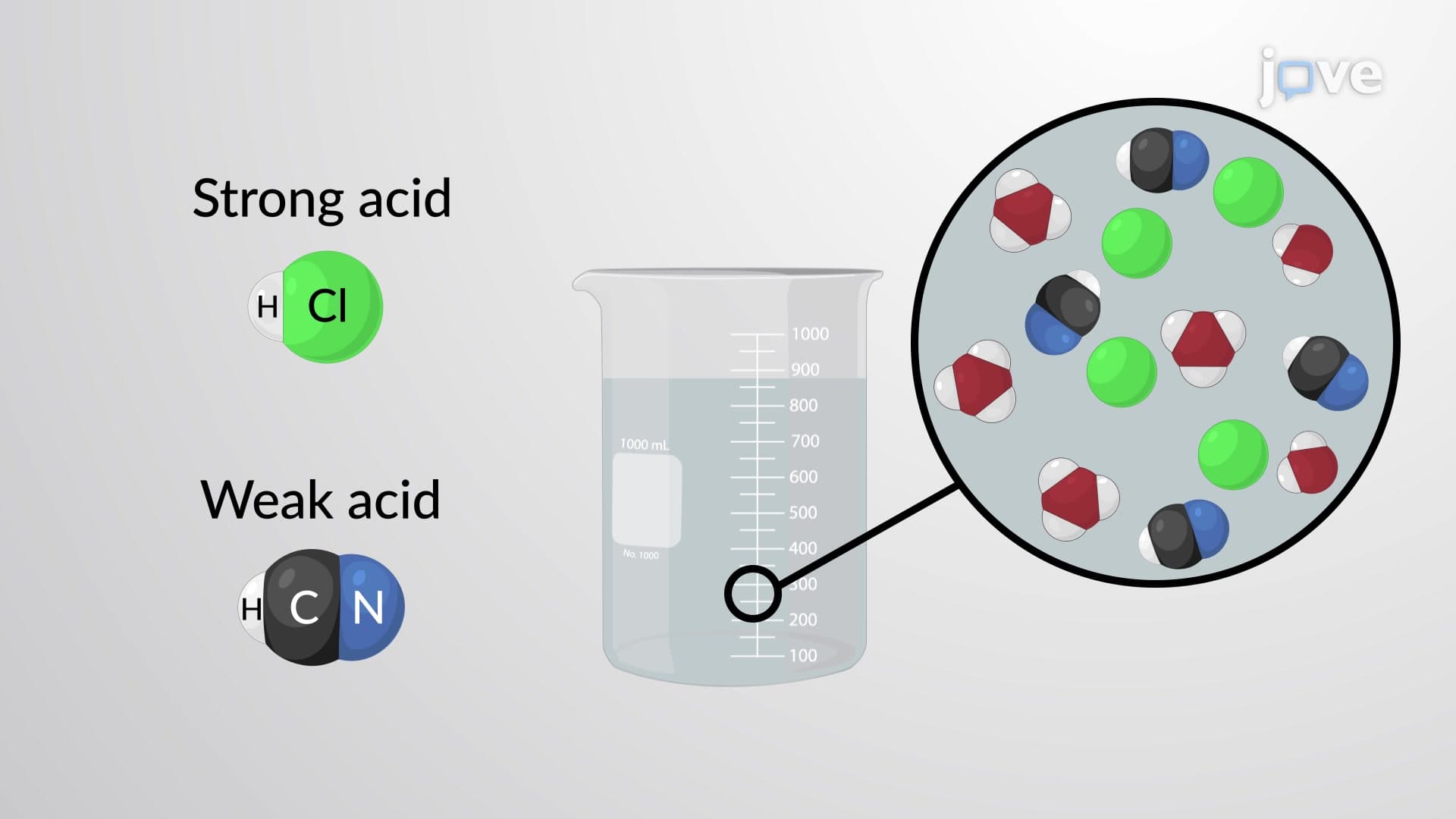
Weak base solutions represent a fundamental concept in acid-base chemistry that students encounter throughout high school AP Chemistry and college general chemistry courses. Unlike strong bases such as sodium hydroxide (NaOH) that completely dissociate in water, weak bases only partially accept protons from water molecules, establishing an equilibrium between the molecular base and its ionized form.
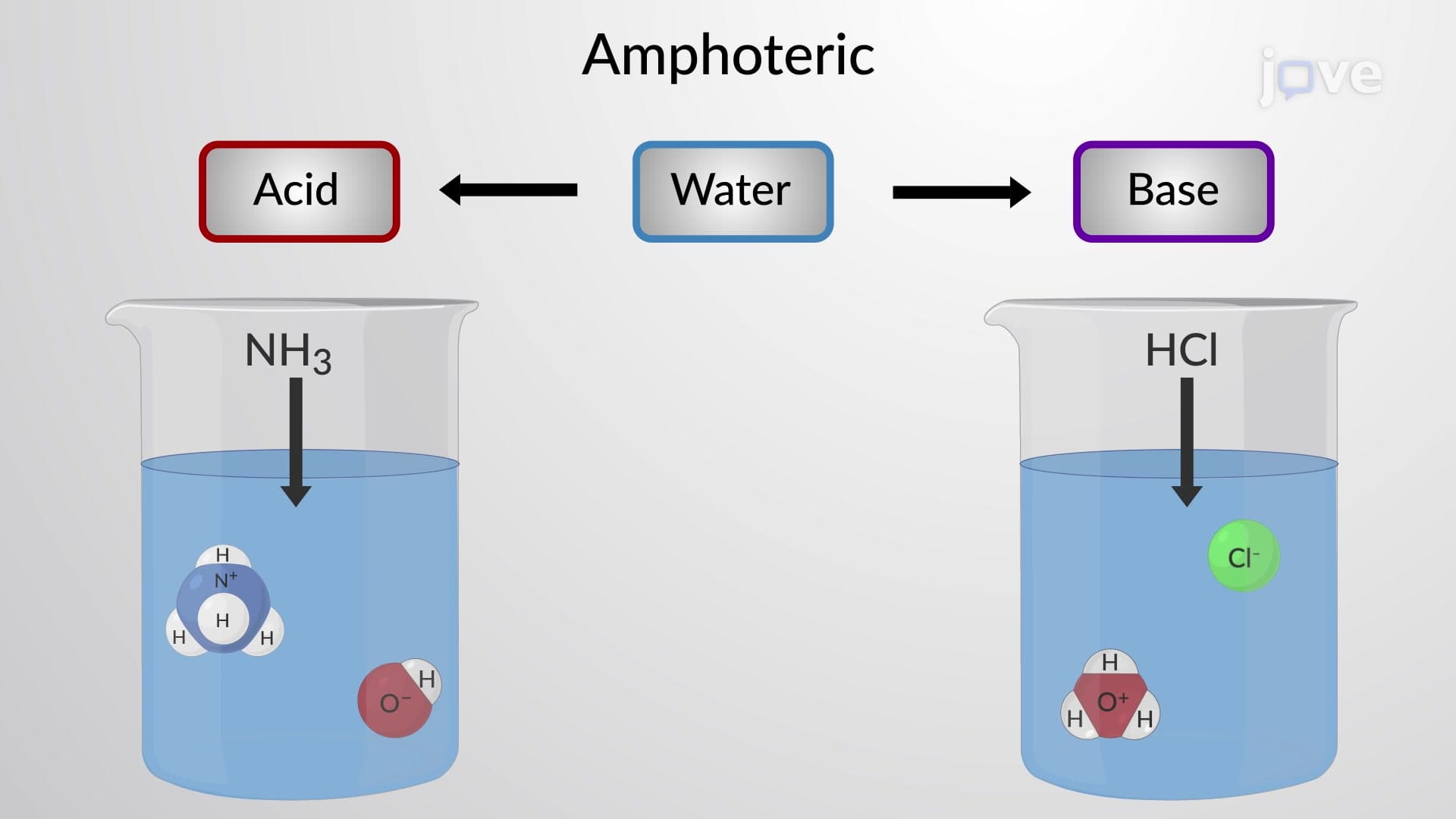
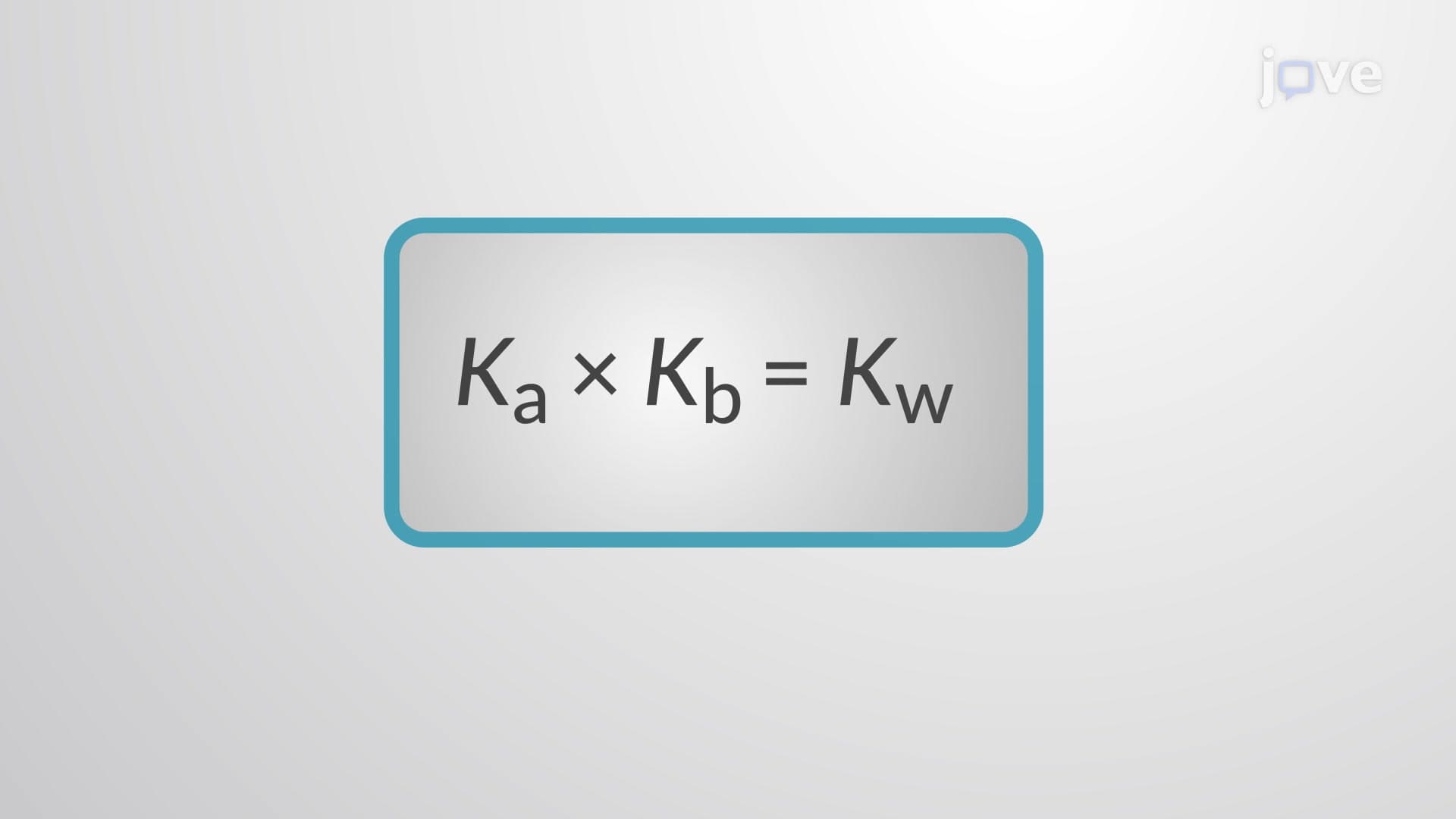
The defining feature of weak base solutions lies in their incomplete ionization. When ammonia (NH₃) dissolves in water, only a small fraction of molecules accept protons to form ammonium ions (NH₄⁺) and hydroxide ions (OH⁻). This partial reaction creates an equilibrium system governed by the base dissociation constant (Kb), which quantifies the base's strength. For ammonia, Kb = 1.76 × 10⁻⁵, indicating relatively weak basicity compared to strong bases.
Students preparing for standardized tests like the AP Chemistry exam or MCAT frequently encounter problems involving weak base calculations. The ICE table method (Initial, Change, Equilibrium) provides a systematic approach to determine equilibrium concentrations. This technique proves invaluable when calculating pH values of weak base solutions, as seen in typical college chemistry midterm problems.
Common types of weak base solutions include ammonia-based cleaning products, methylamine in industrial applications, and biological amines like histamine. In US households, ammonia solutions serve as effective cleaners precisely because their moderate basicity removes grease without the extreme corrosiveness of strong bases. Understanding these practical applications helps students connect classroom learning to real-world chemistry.
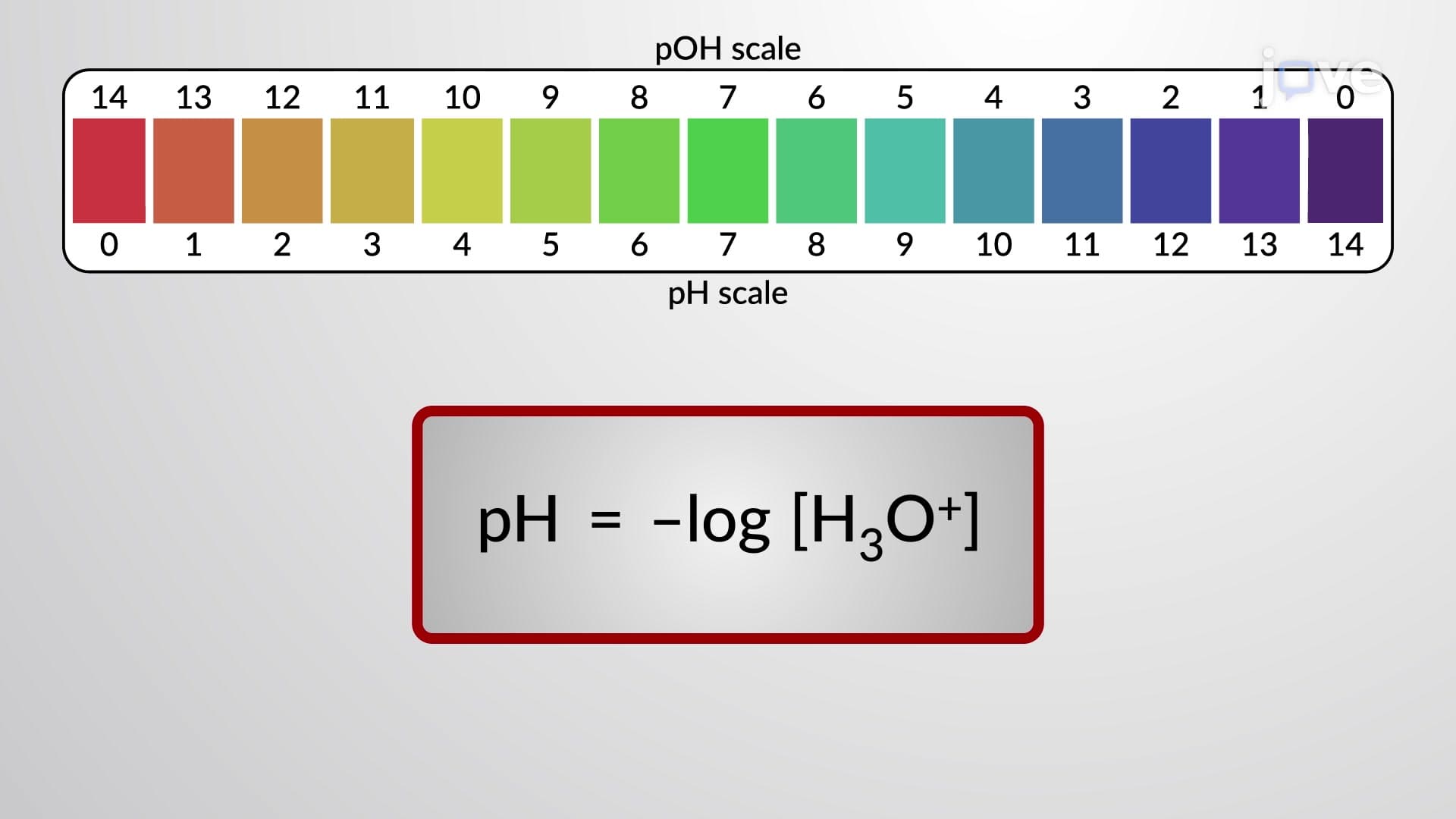
Calculating the pH of weak base solutions requires understanding the relationship between Kb, pOH, and pH. The fundamental equation pH + pOH = 14 at 25°C connects these values, while the base dissociation expression allows determination of hydroxide ion concentrations. Students learn to make valid approximations when the degree of dissociation remains small, typically when the hydroxide ion concentration is less than 5% of the initial base concentration.
These problem-solving skills directly transfer to advanced chemistry courses and professional exams like the USMLE, where acid-base balance concepts appear in physiological contexts.
Related Micro-courses