Loading video…


 14 Concepts
 641.5K views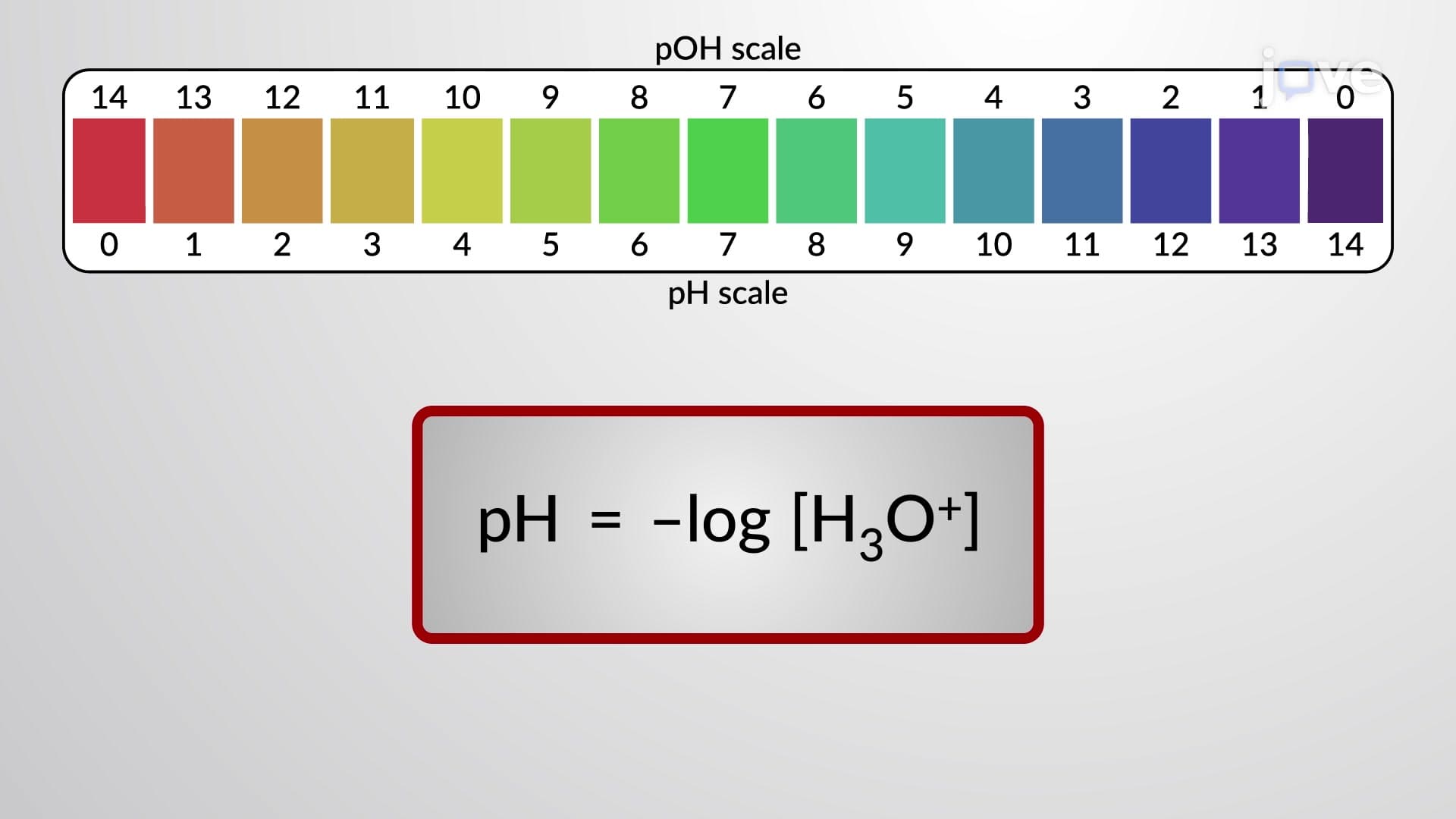

Video Summary: What Is Ph Scale
Ever wondered why lemon juice burns your tongue while soap feels slippery? The ph scale provides the scientific answer to these everyday chemical mysteries. This logarithmic scale, developed by Danish chemist Søren Sørensen in 1909, measures how acidic or basic solutions are-from battery acid in car batteries to household ammonia cleaners. Understanding the ph scale definition reveals why small numerical changes represent massive differences in chemical behavior. Watch the full video on JoVE Coach to master this concept with expert-led visuals and step-by-step explanations.
The ph scale serves as chemistry's universal language for describing acidity and basicity. This ingenious system transforms unwieldy scientific notation-like hydronium concentrations of 1 × 10^-14 M-into manageable numbers from 0 to 14. When Søren Sørensen created this scale at Denmark's Carlsberg Laboratory, he revolutionized how scientists communicate about acid-base chemistry.
The ph scale definition centers on a deceptively simple formula: pH = -log[H3O+]. This logarithmic relationship means each whole number represents a 10-fold change in acidity. Consider this: orange juice (pH 3) contains 100 times more hydronium ions than coffee (pH 5). This logarithmic nature explains why acid rain (pH 4.2) causes significantly more environmental damage than normal rainfall (pH 5.6).
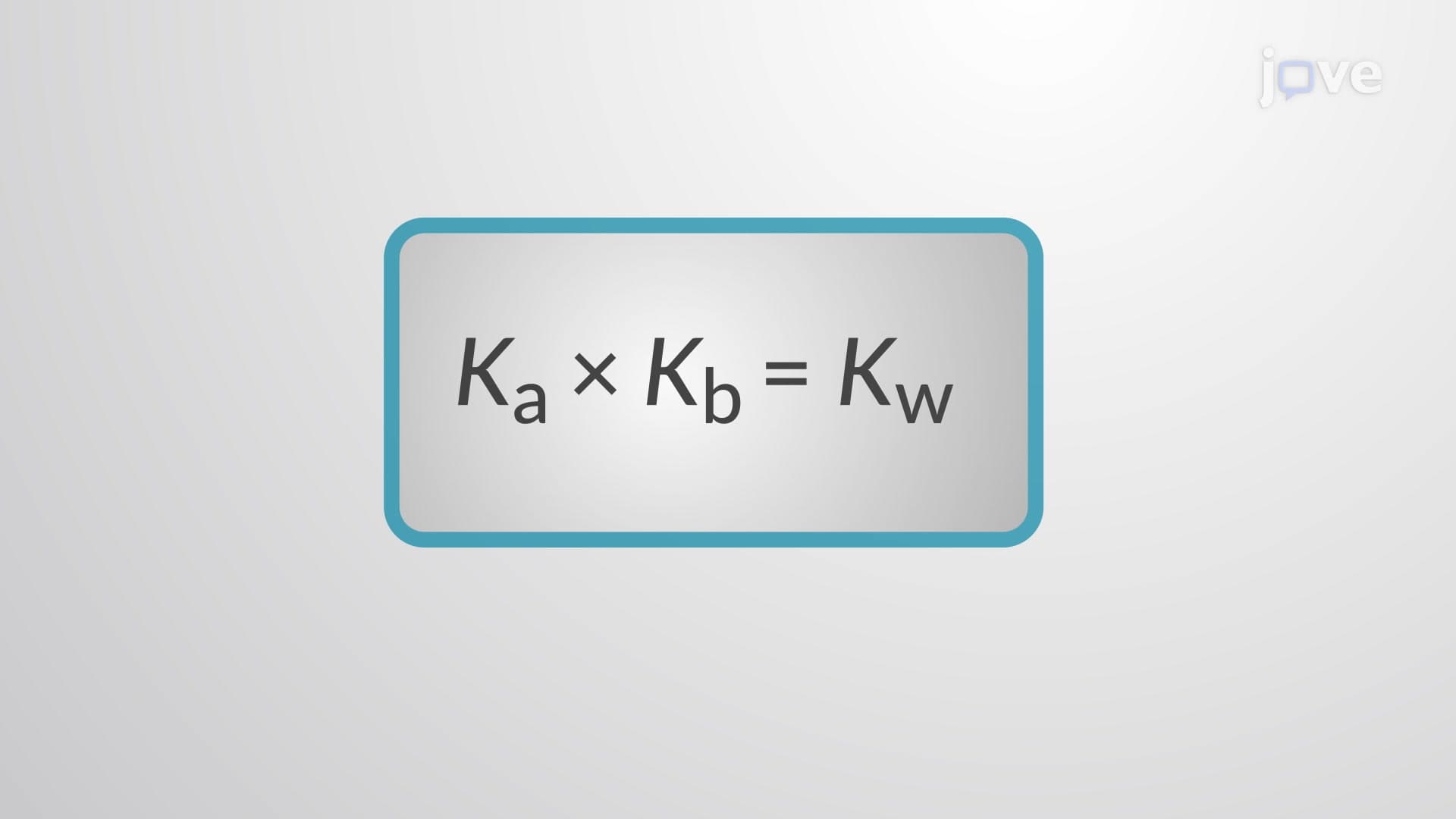
For students preparing for AP Chemistry or college entrance exams, mastering the complementary pOH scale proves equally crucial. The relationship pH + pOH = 14 stems from water's autoionization constant (Kw = 1 × 10^-14). This fundamental equation appears frequently on standardized tests and provides a powerful problem-solving tool.
The ph scale concept extends far beyond classroom calculations. In American healthcare, blood pH must remain between 7.35-7.45; deviations can be life-threatening. Agricultural extension services across the United States routinely test soil pH because crop yields depend heavily on optimal acidity levels-blueberries thrive in acidic soil (pH 4.5-5.5), while asparagus prefers alkaline conditions (pH 7.0-8.0).
Swimming pool maintenance provides another practical example. Pool chemicals maintain pH between 7.2-7.6 for swimmer comfort and chlorine effectiveness. Restaurant workers regularly test sanitizer solutions to ensure proper pH levels for food safety compliance.
Understanding ph scale requires recognizing common reference points: stomach acid (pH 1-2), pure water (pH 7), and household ammonia (pH 11). These benchmarks help students quickly assess solution properties and answer exam questions efficiently.
The logarithmic nature often challenges students initially, but practical examples clarify the concept. Battery acid's pH of 0 doesn't mean "no acidity"-it represents extremely high hydronium ion concentration (1 M). This counterintuitive relationship frequently appears on MCAT and SAT Subject Test questions.
Related Micro-courses