Loading concepts…


12 Concepts
7 Concepts
10 Concepts
13 Concepts
10 Concepts
12 Concepts
15 Concepts
8 Concepts
14 Concepts
9 Concepts
21 Concepts
13 Concepts
12 Concepts
10 Concepts
14 Concepts
15 Concepts
10 Concepts
10 Concepts
10 Concepts
10 Concepts
12 Concepts
 12 Concepts
 532.6K Views
 Popular topics







Thermochemistry explores the vital relationship between chemical reactions and energy changes, explaining why some reactions release heat while others absorb it. From rocket fuel combustion powering NASA launches to the chemical heat packs used by athletes, understanding energy flow in reactions is fundamental to chemistry. This comprehensive course covers energy principles, calorimetry techniques, and thermodynamic laws essential for success in AP Chemistry and MCAT preparation. Master these concepts with JoVE Coach's expert instruction.
1. Energy Types and Thermodynamic Systems Energy exists in multiple forms including kinetic energy (motion of particles) and potential energy (stored energy from particle positions). Chemical energy represents potential energy stored in molecular bonds, released during reactions like the combustion of gasoline in car engines. Understanding thermodynamic systems helps predict energy flow: open systems like campfires exchange both mass and energy with surroundings, closed systems like sealed chemical heat packs exchange only energy, while isolated systems like thermos bottles ideally exchange neither mass nor energy with their environment.
2. First Law of Thermodynamics and Internal Energy The First Law states that energy cannot be created or destroyed, only converted between forms. In chemical systems, the change in internal energy equals heat added minus work done by the system (ΔU = q - w). This principle explains why burning methane in a Bunsen burner releases heat energy that was originally stored as chemical energy in the methane molecules. Internal energy is a state function, meaning it depends only on the system's current conditions, not how those conditions were achieved.
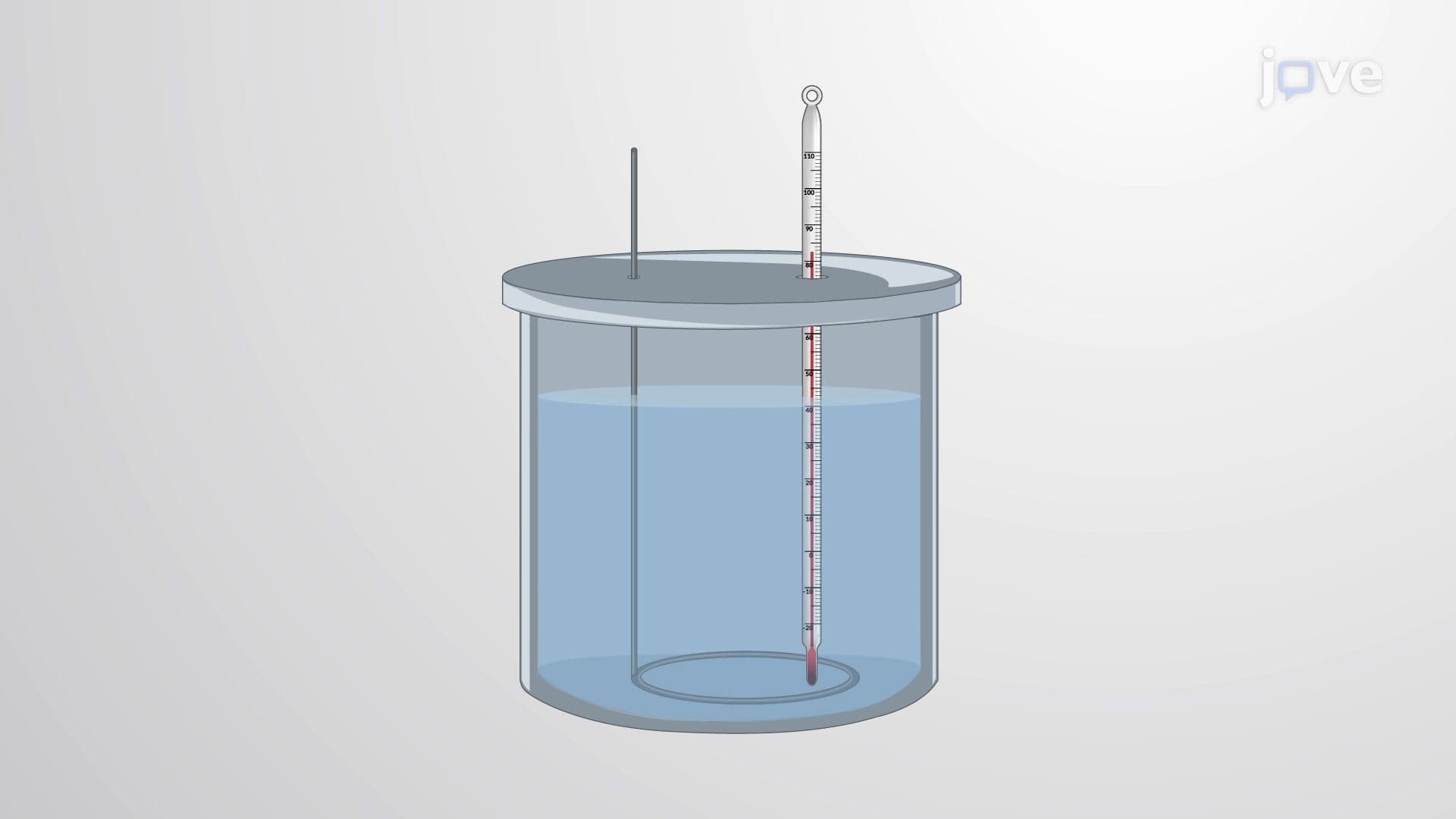
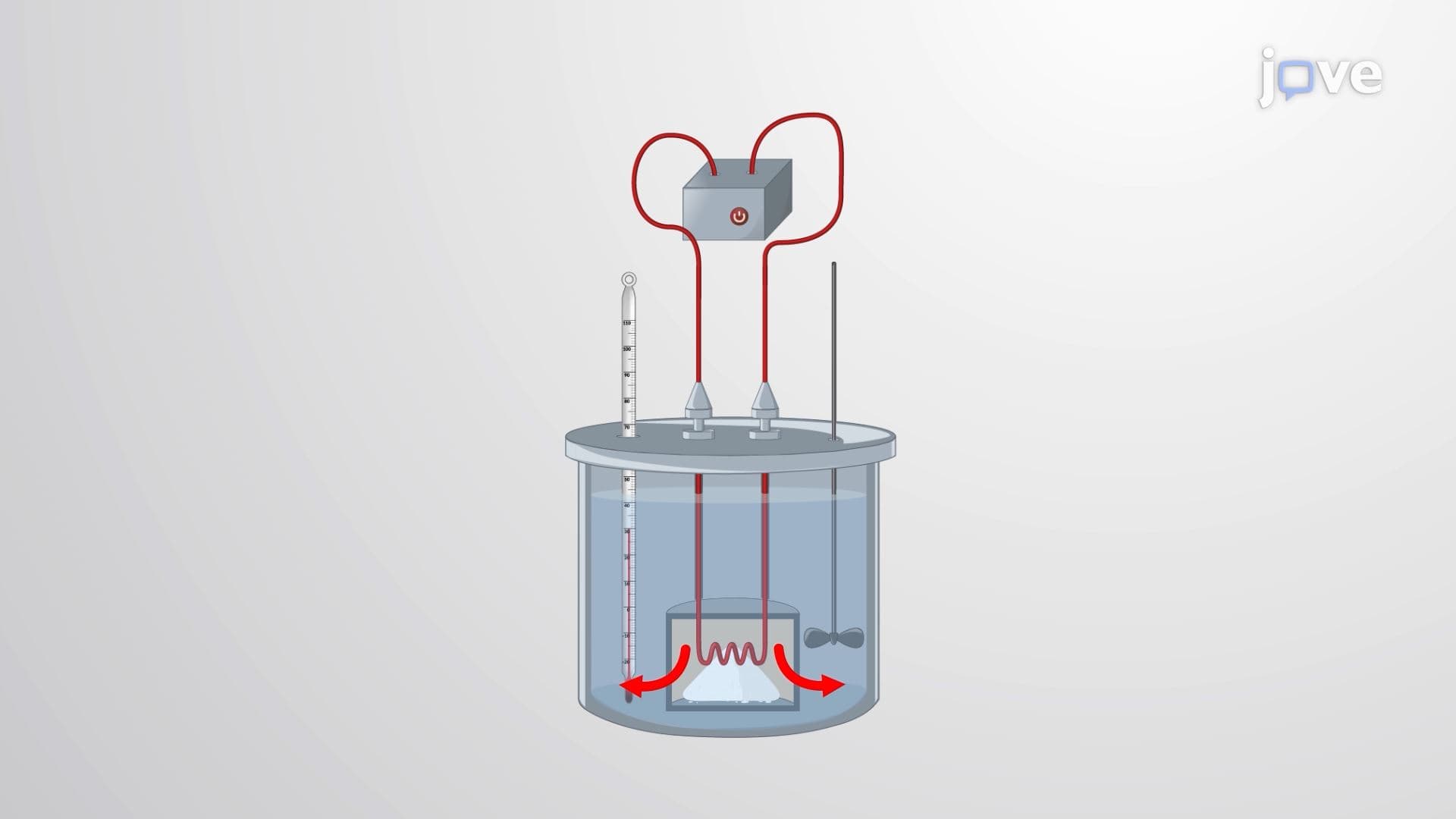
3. Heat Measurement and Calorimetry Heat represents thermal energy transfer between objects at different temperatures, measured using calorimetry techniques. Specific heat capacity determines how much heat is required to raise one gram of substance by one degree Celsius - water's high specific heat capacity (4.18 J/g°C) explains why coastal areas have moderate climates. Coffee cup calorimeters measure heat changes at constant pressure for solution reactions, while bomb calorimeters determine energy content in foods and fuels under constant volume conditions like those used by nutritionists.
4. Work in Chemical Systems Chemical reactions often involve pressure-volume work when gases expand or contract. When baking soda reacts with vinegar in a closed container, the expanding carbon dioxide gas does work against atmospheric pressure. Work equals negative pressure times volume change (w = -PΔV), with the negative sign indicating that expansion work is done by the system. This concept is crucial for understanding engine efficiency and explosive reactions where gas expansion provides mechanical energy.
5. Enthalpy and Thermochemical Equations Enthalpy (H) represents the total heat content of a system at constant pressure, with enthalpy change (ΔH) measuring heat absorbed or released during reactions. Exothermic reactions like combustion of propane in gas grills have negative ΔH values because they release heat, while endothermic reactions like photosynthesis have positive ΔH values because they absorb energy. Thermochemical equations include balanced chemical equations with corresponding enthalpy changes, enabling calculations of energy requirements for industrial processes like steel production.
6. Hess's Law and Energy Calculations Hess's Law states that the total enthalpy change for a reaction is independent of the pathway taken, allowing complex reactions to be analyzed using simpler component reactions. This principle enables calculation of unknown enthalpy changes by combining known values, similar to solving algebraic equations. For example, determining the energy released when hydrogen reacts with atmospheric ozone can be calculated using separate reactions involving oxygen and water formation, crucial for environmental chemistry applications.
7. Standard Enthalpy of Formation Standard enthalpy of formation (ΔH°f) represents the energy change when one mole of a compound forms from its constituent elements in their standard states (25°C, 1 bar pressure). By definition, elements in their standard states have ΔH°f = 0. These standardized values, compiled in reference tables, allow prediction of reaction energies for processes ranging from metabolism in biological systems to industrial chemical production, providing essential data for chemical engineers and environmental scientists.