Loading video…


 12 Concepts
 532.6K views

Video Summary: What Is Standard Enthalpy of Formation
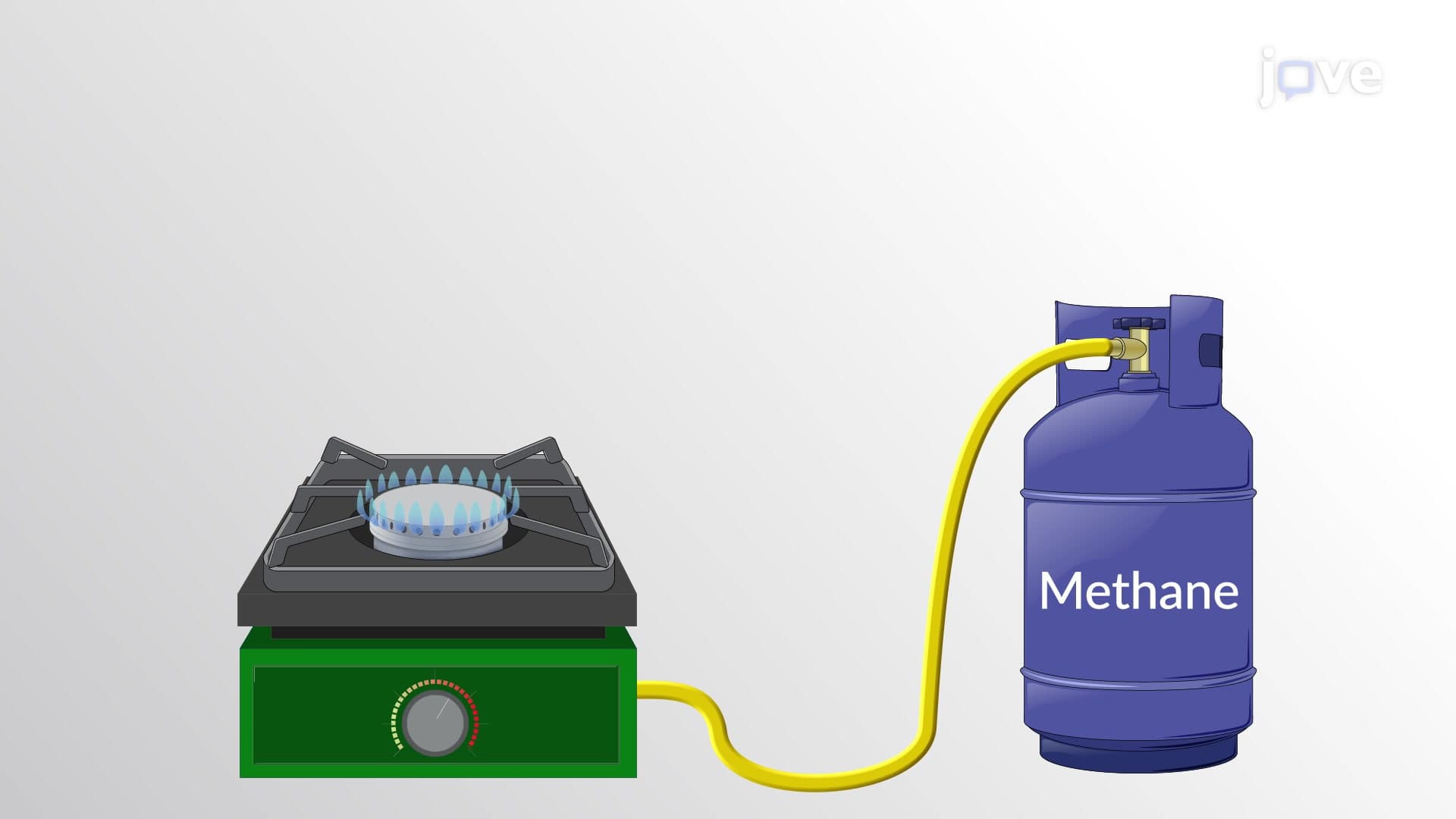
Ever wonder why NASA engineers precisely calculate fuel combustion energy for rocket launches? The standard enthalpy of formation provides the foundation for these critical energy calculations. This thermodynamic property measures the heat absorbed or released when one mole of a compound forms from its constituent elements in their most stable states at standard conditions (25°C and 1 bar pressure). For instance, when hydrogen and oxygen gases combine to form liquid water, the standard enthalpy of formation tells us exactly how much energy this reaction releases. Watch the full video on JoVE Coach to master this concept with expert-led visuals and step-by-step explanations.
The standard enthalpy of formation represents one of chemistry's most practical thermodynamic measurements. When elements combine under carefully defined conditions-298 K (25°C), 1 bar pressure, and 1 M concentration for solutions-the energy change provides invaluable insights into molecular stability and reaction feasibility.
Consider the formation of carbon dioxide from graphite and oxygen gas. This reaction releases 393.5 kJ/mol, making CO₂'s standard enthalpy of formation -393.5 kJ/mol. The negative value indicates an exothermic process, explaining why combustion reactions release heat energy that powers everything from car engines to power plants across the United States.
Standard states provide the crucial reference framework for meaningful enthalpy comparisons. Pure elements in their most thermodynamically stable forms at standard conditions serve as zero-enthalpy baselines. Graphite, not diamond, represents carbon's standard state despite diamond's popularity in jewelry. Similarly, white phosphorus, though more reactive, serves as phosphorus's standard state over the more stable red phosphorus.
These conventions ensure consistency across scientific literature and enable reliable calculations for industrial processes. Chemical engineers designing reactors for pharmaceutical companies like Pfizer or petrochemical facilities along the Gulf Coast rely on these standardized values for safety and efficiency calculations.
Students encounter standard enthalpy of formation extensively in AP Chemistry courses and college-level physical chemistry classes. The College Board's AP Chemistry exam frequently tests students' ability to calculate reaction enthalpies using formation data from reference tables. Similarly, pre-med students preparing for the MCAT must demonstrate proficiency with these calculations in the Chemical and Physical Foundations section.
Beyond academics, environmental scientists use formation enthalpies to model atmospheric chemistry, including ozone formation and greenhouse gas behavior. The EPA relies on such thermodynamic data when evaluating new chemical compounds for environmental impact assessments.
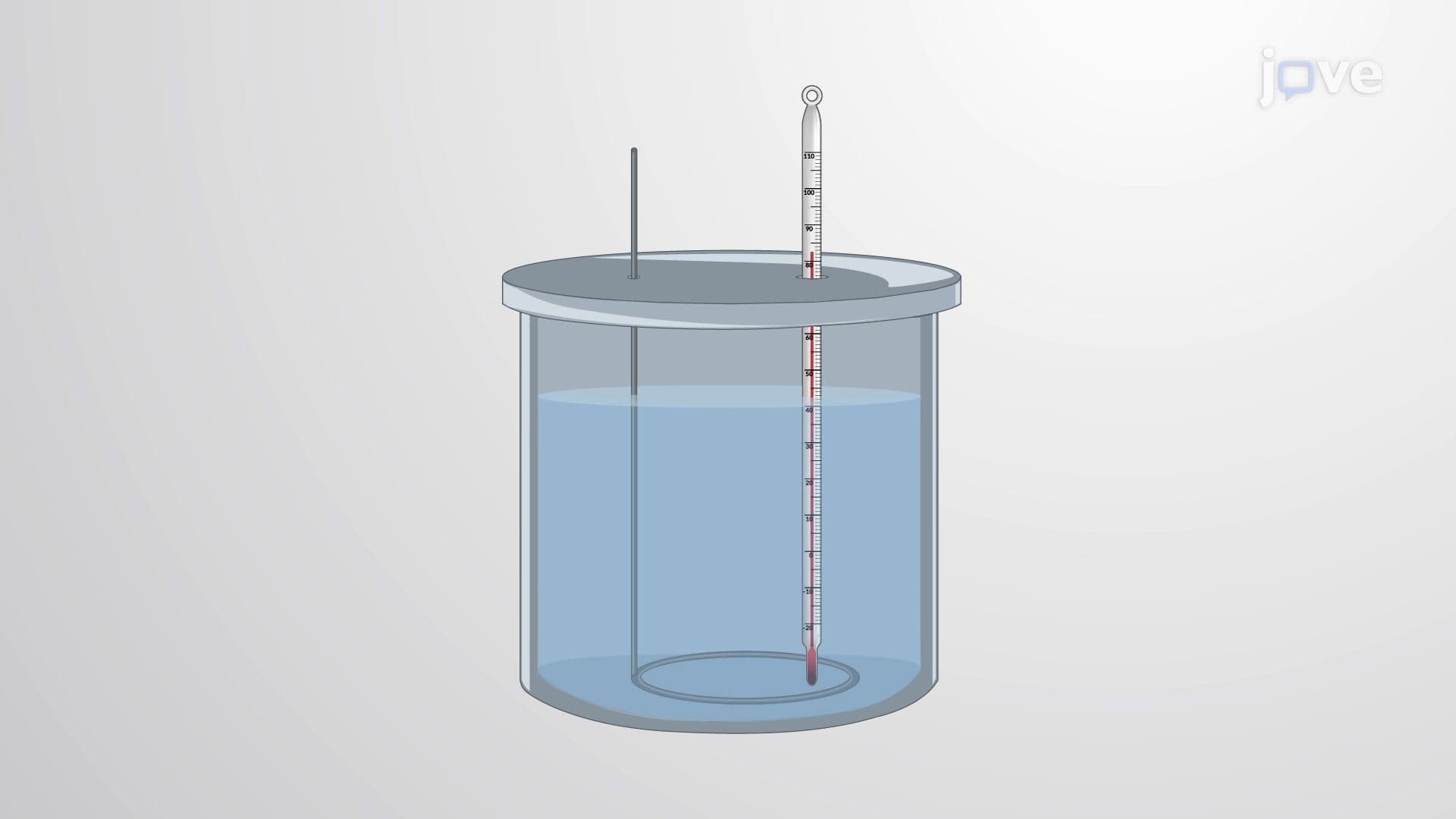
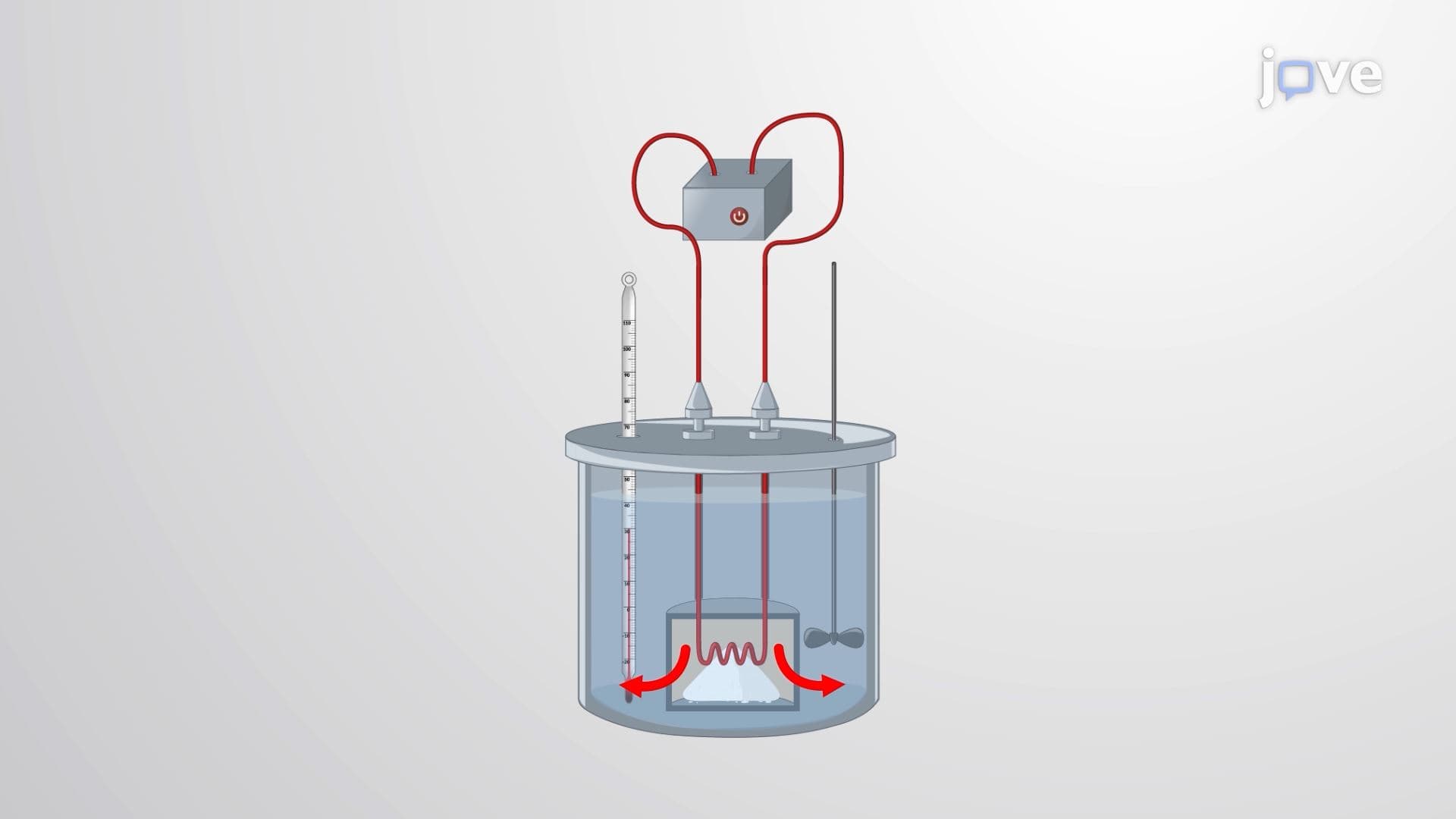
While calorimetry provides direct experimental measurements, computational chemistry increasingly supplements traditional methods. Software packages used by researchers at institutions like MIT and Stanford calculate formation enthalpies for novel compounds before synthesis, saving considerable time and resources in drug discovery and materials science research.
Related Micro-courses