Loading concepts…


12 Concepts
7 Concepts
10 Concepts
13 Concepts
10 Concepts
12 Concepts
15 Concepts
8 Concepts
14 Concepts
9 Concepts
21 Concepts
13 Concepts
12 Concepts
10 Concepts
14 Concepts
15 Concepts
10 Concepts
10 Concepts
10 Concepts
10 Concepts
12 Concepts
 12 Concepts
 561K Views
 Popular topics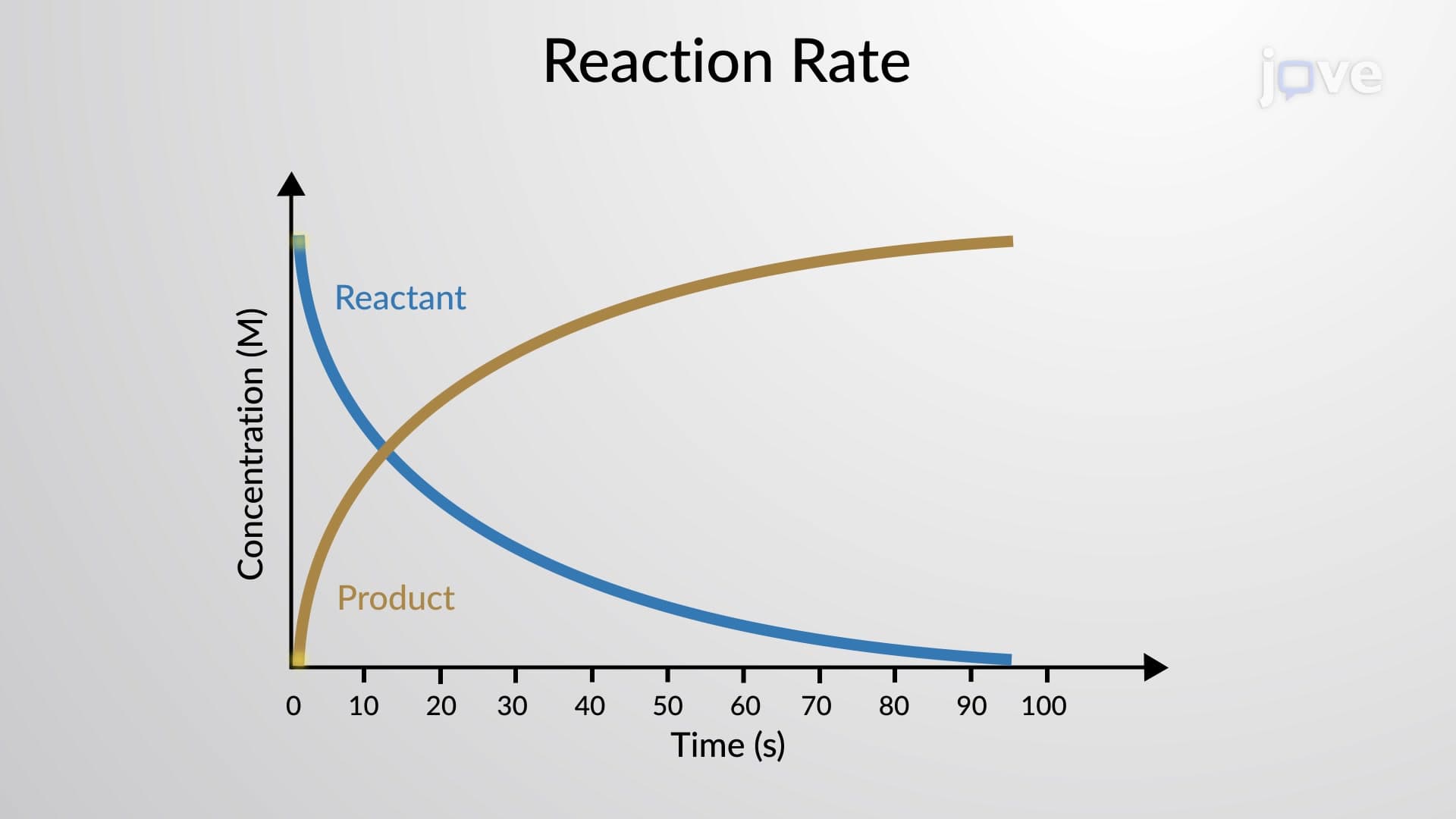

Chemical kinetics explores how fast reactions occur and what factors control reaction rates. From pharmaceutical development to industrial processes, understanding reaction rate kinetics helps predict how quickly drugs metabolize, optimize manufacturing conditions, and control chemical processes. This comprehensive course covers rate laws, activation energy, reaction mechanisms, and catalysis kinetics through real-world applications. Master these concepts with JoVE Coach's expert instruction.
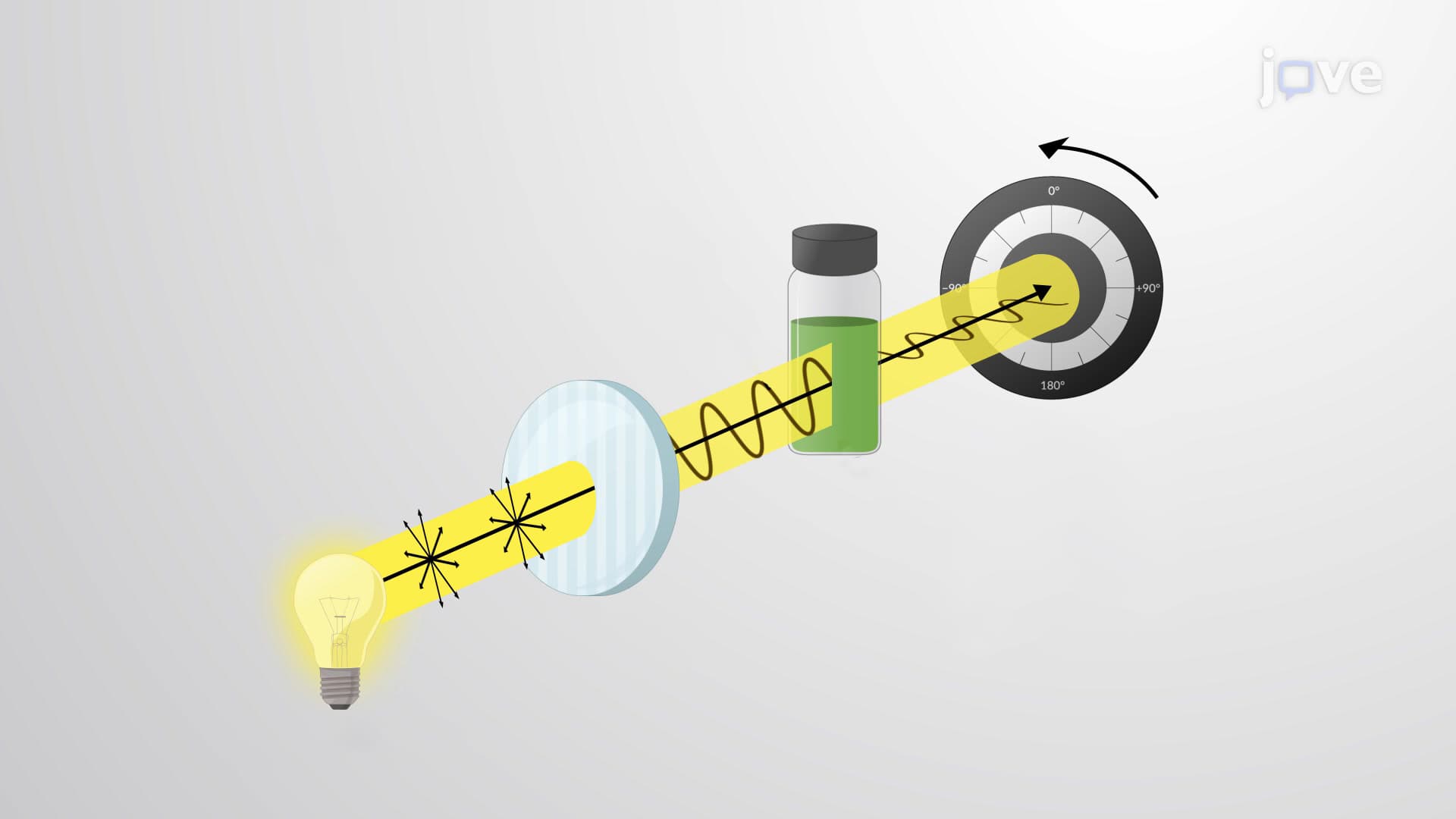
1. Reaction Rates and Measurement Techniques Understanding reaction rates as the speed of chemical transformations forms the foundation of kinetics. Students learn to calculate average and instantaneous reaction rates using concentration changes over time. The course covers experimental methods including spectrophotometry for studying iodine reactions, polarimetry for sucrose hydrolysis, and pressure measurements for gas-producing reactions like hydrogen peroxide decomposition. These techniques are essential in pharmaceutical testing, where drug dissolution rates determine bioavailability, and in industrial quality control processes.
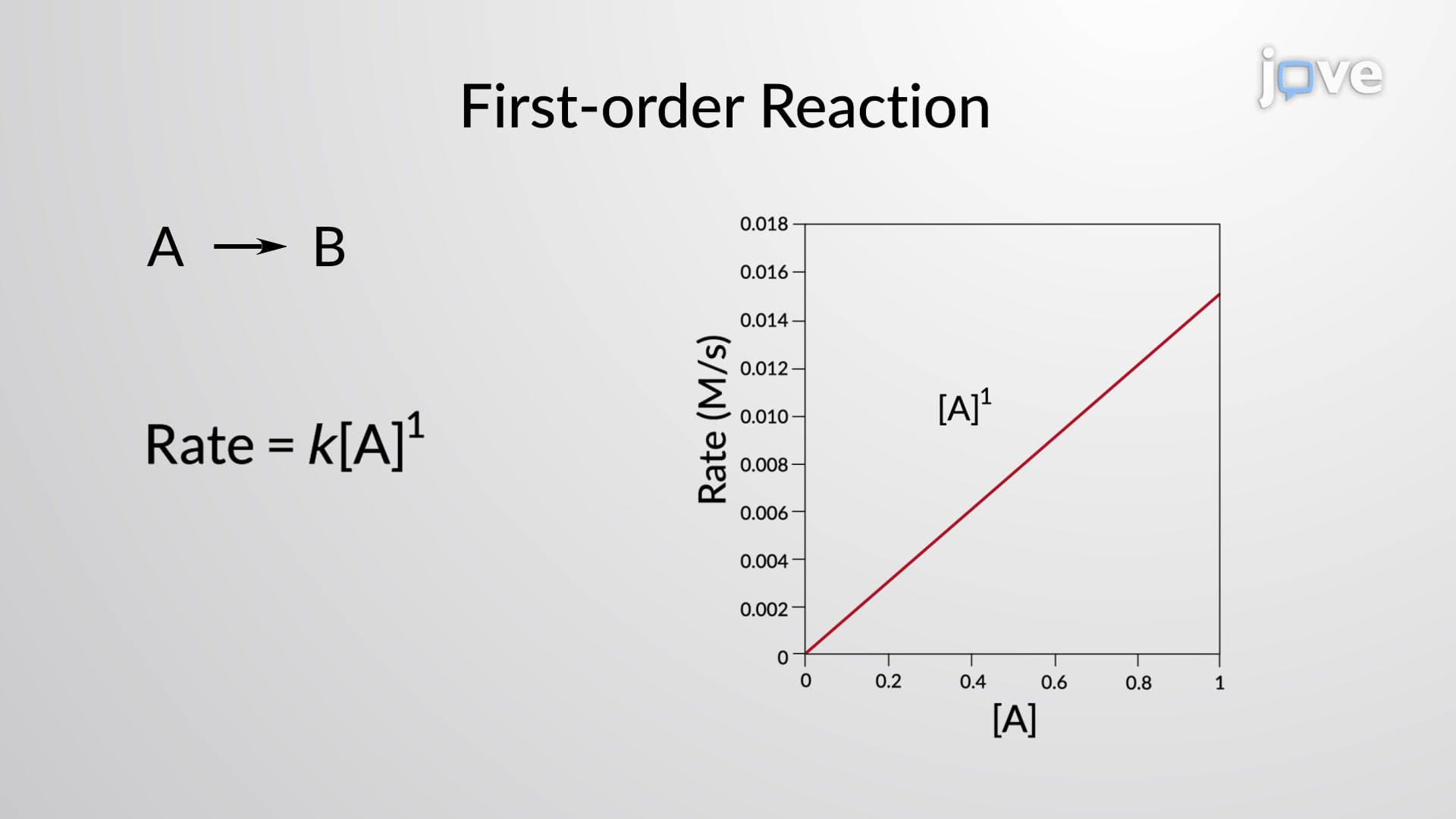
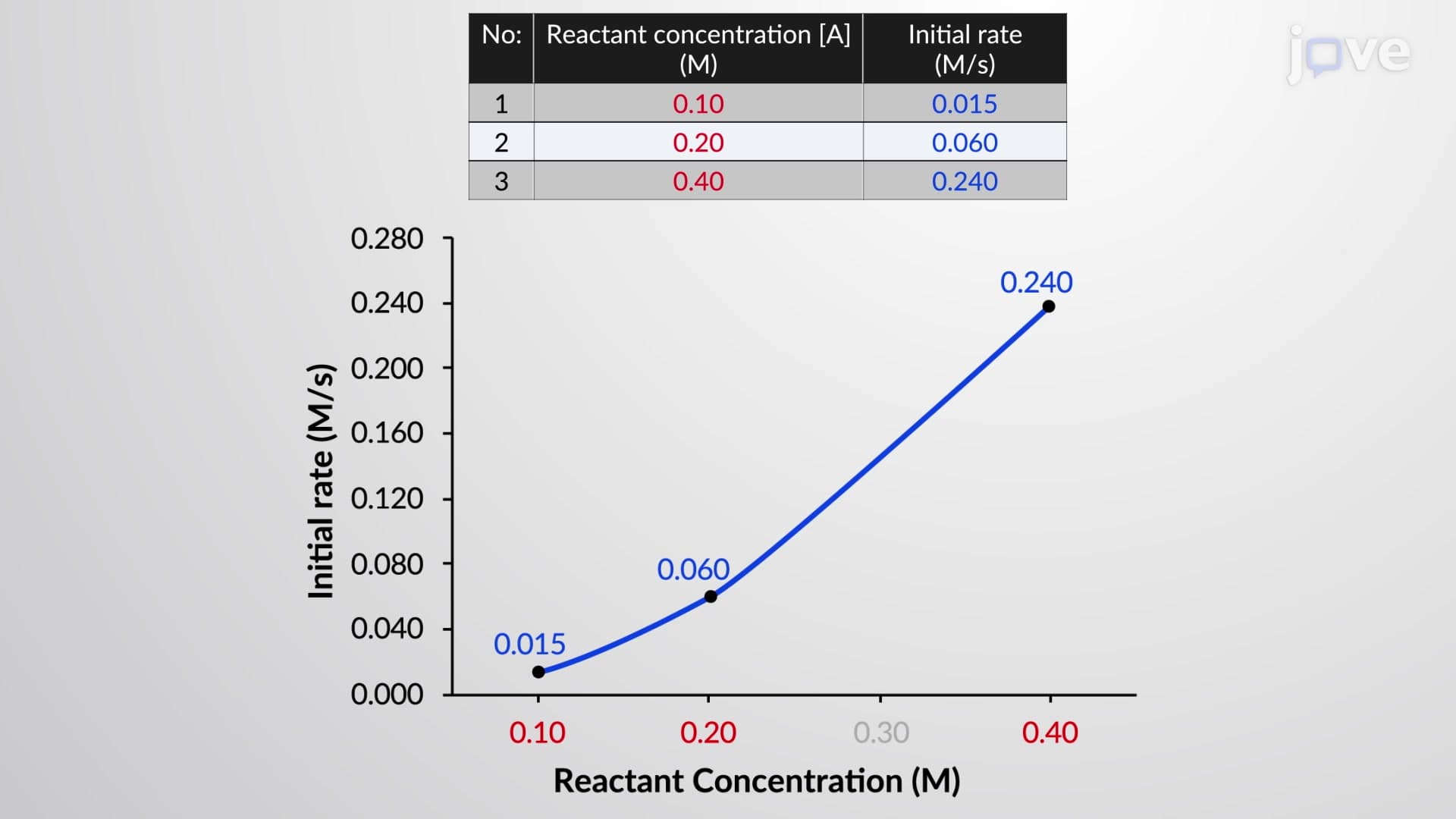
2. Rate Laws and Reaction Order Rate laws mathematically describe how reaction rates depend on reactant concentrations. Students explore zero-order reactions where rates remain constant (like enzyme saturation), first-order reactions where rates decrease linearly with concentration (common in radioactive decay), and second-order reactions where rates depend on concentration squared. The method of initial rates helps determine reaction orders experimentally, crucial for pharmaceutical kinetics where drug elimination follows specific orders affecting dosing schedules.
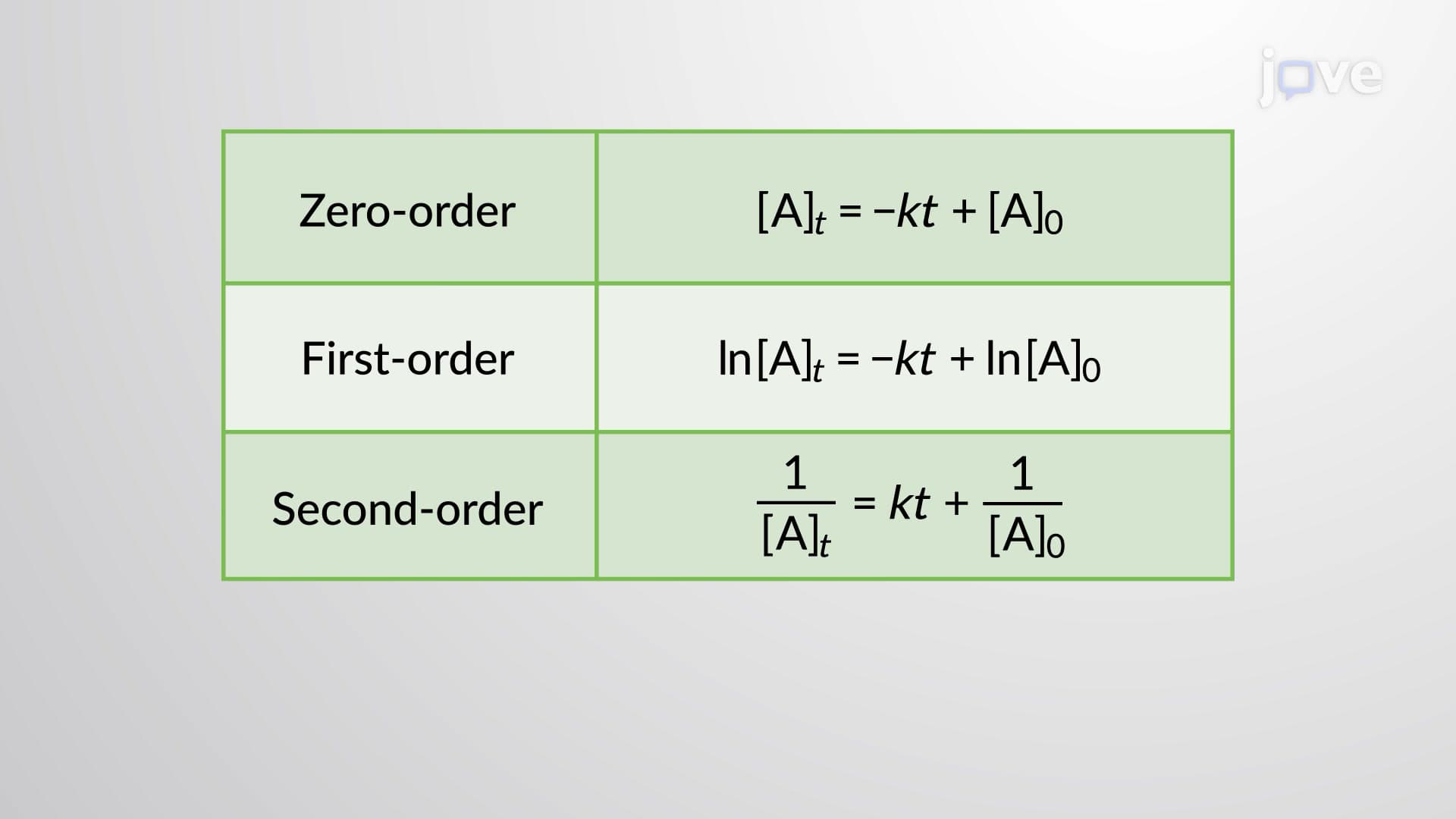
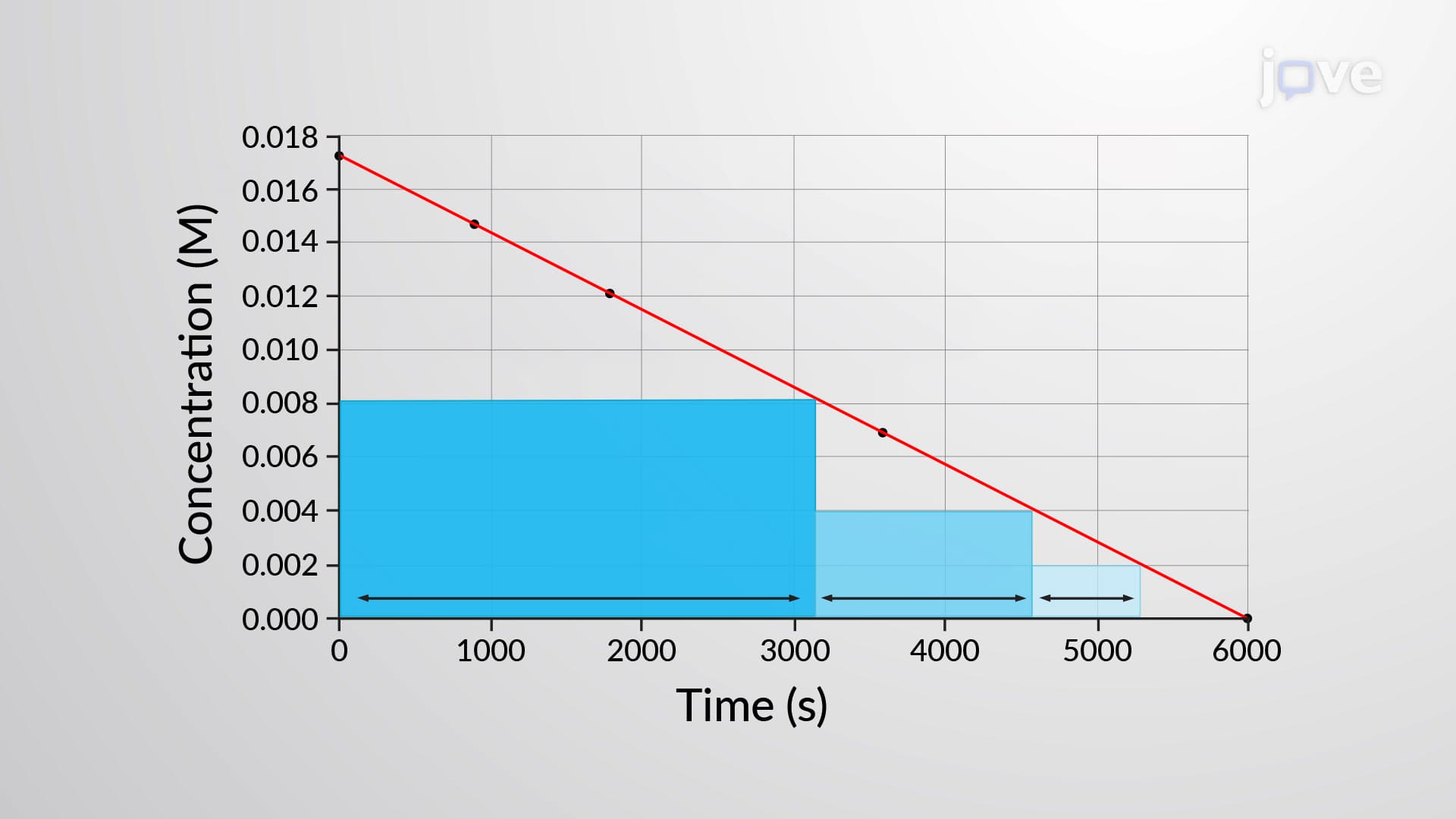
3. Integrated Rate Laws and Concentration-Time Relationships Integrated rate laws predict reactant concentrations at any time during a reaction. Zero-order reactions show linear concentration decrease, first-order reactions follow exponential decay, and second-order reactions display inverse relationships. These mathematical tools are vital in pharmacokinetics for calculating drug plasma levels, in environmental chemistry for pollutant degradation modeling, and in food science for shelf-life determination of products containing reactive ingredients.
4. Half-Life Calculations and Applications Half-life represents the time required for reactant concentration to decrease by half. Zero-order half-lives depend on initial concentration and shorten over time, first-order half-lives remain constant (like carbon-14 dating), and second-order half-lives increase as reactions slow. Understanding half-life concepts is crucial for medical professionals calculating drug elimination, nuclear medicine technologists working with radioisotopes, and environmental scientists studying pollutant persistence in ecosystems.
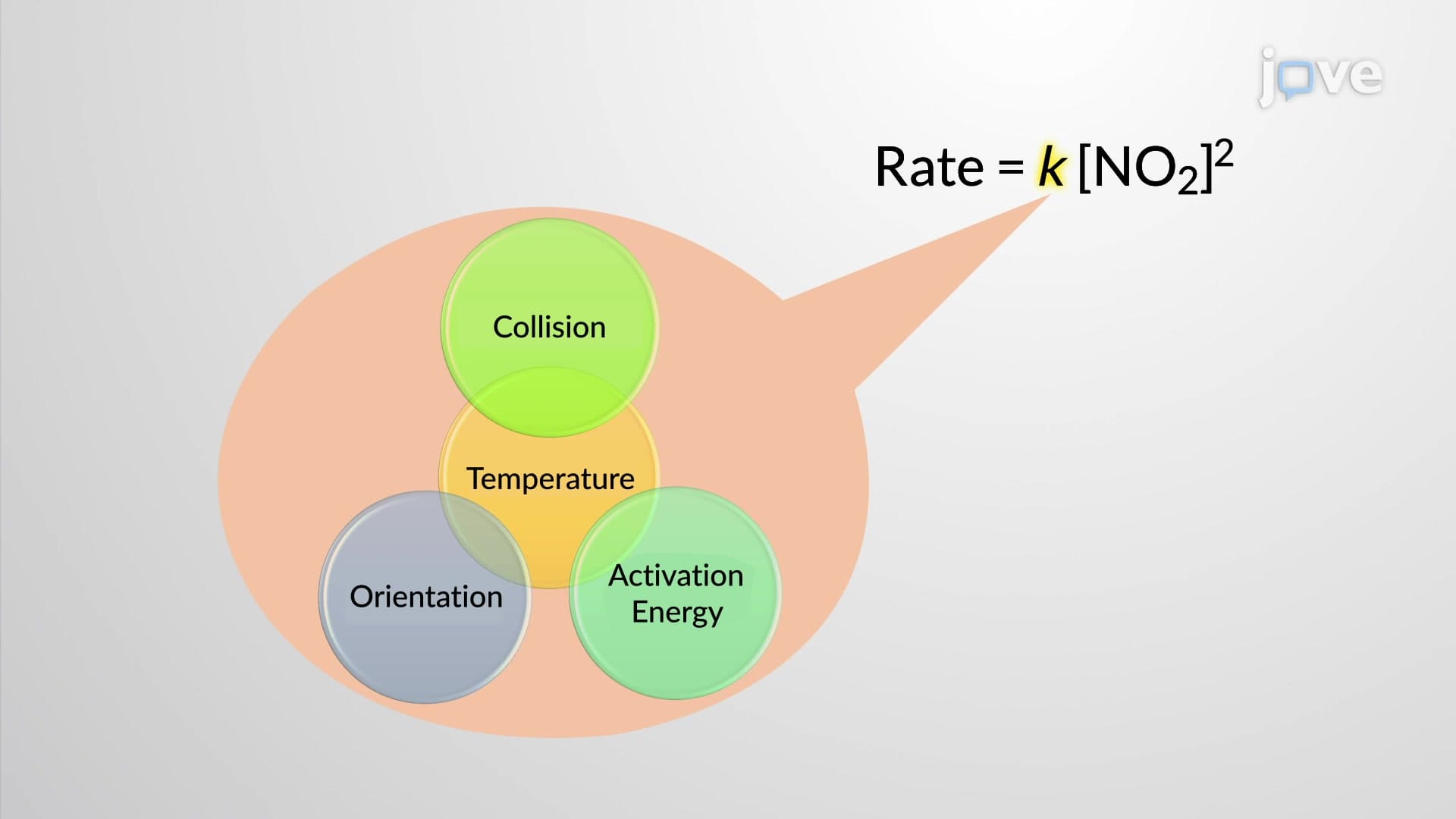
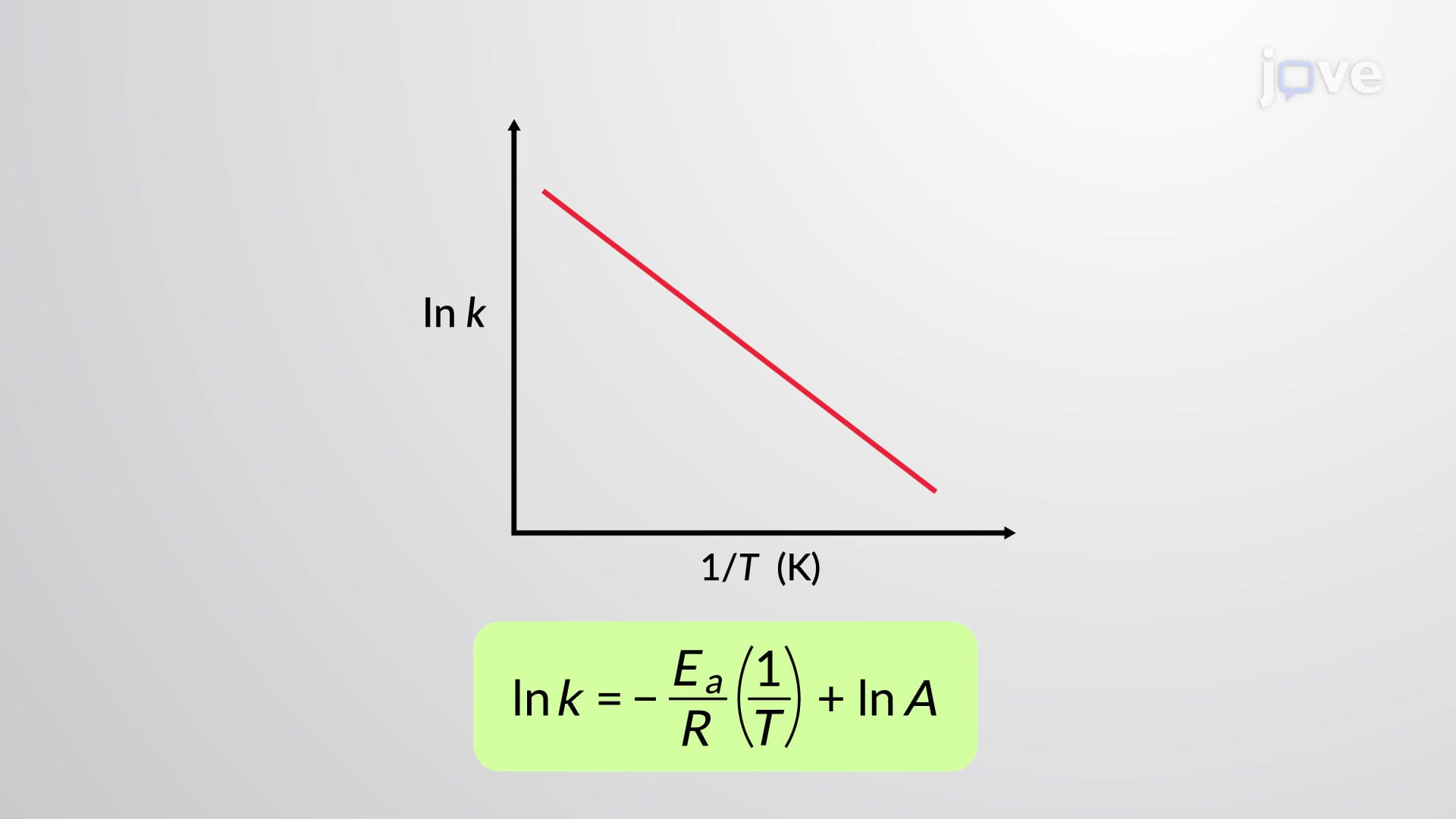
5. Temperature Effects and Arrhenius Equation Temperature dramatically affects reaction rates through the Arrhenius equation, which relates rate constants to activation energy and temperature. The collision theory explains why higher temperatures increase molecular collision frequency and energy. Arrhenius plots help determine activation energies graphically, essential for industrial process optimization where temperature control affects production rates, energy costs, and product quality in manufacturing pharmaceuticals, petrochemicals, and food products.
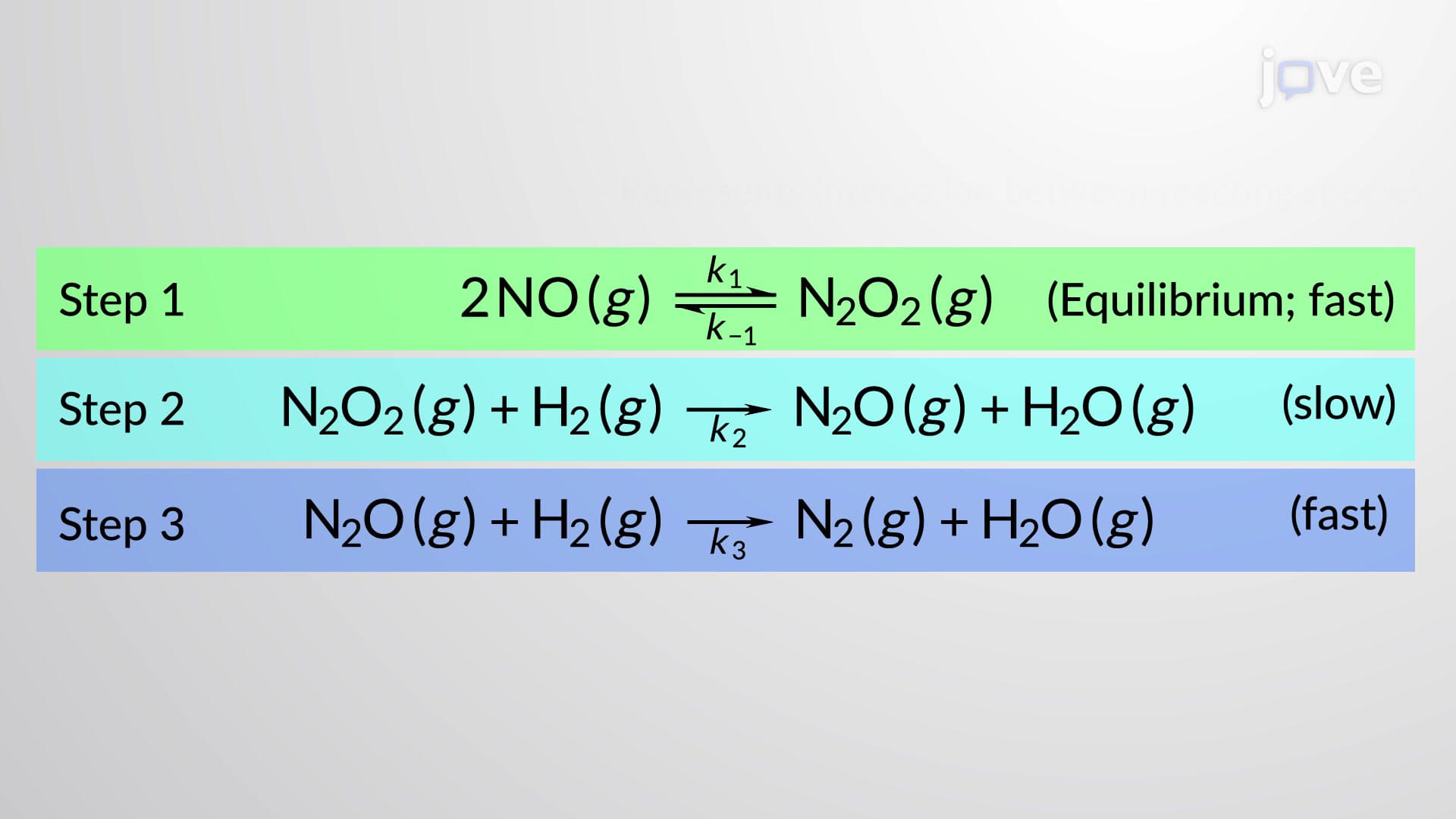
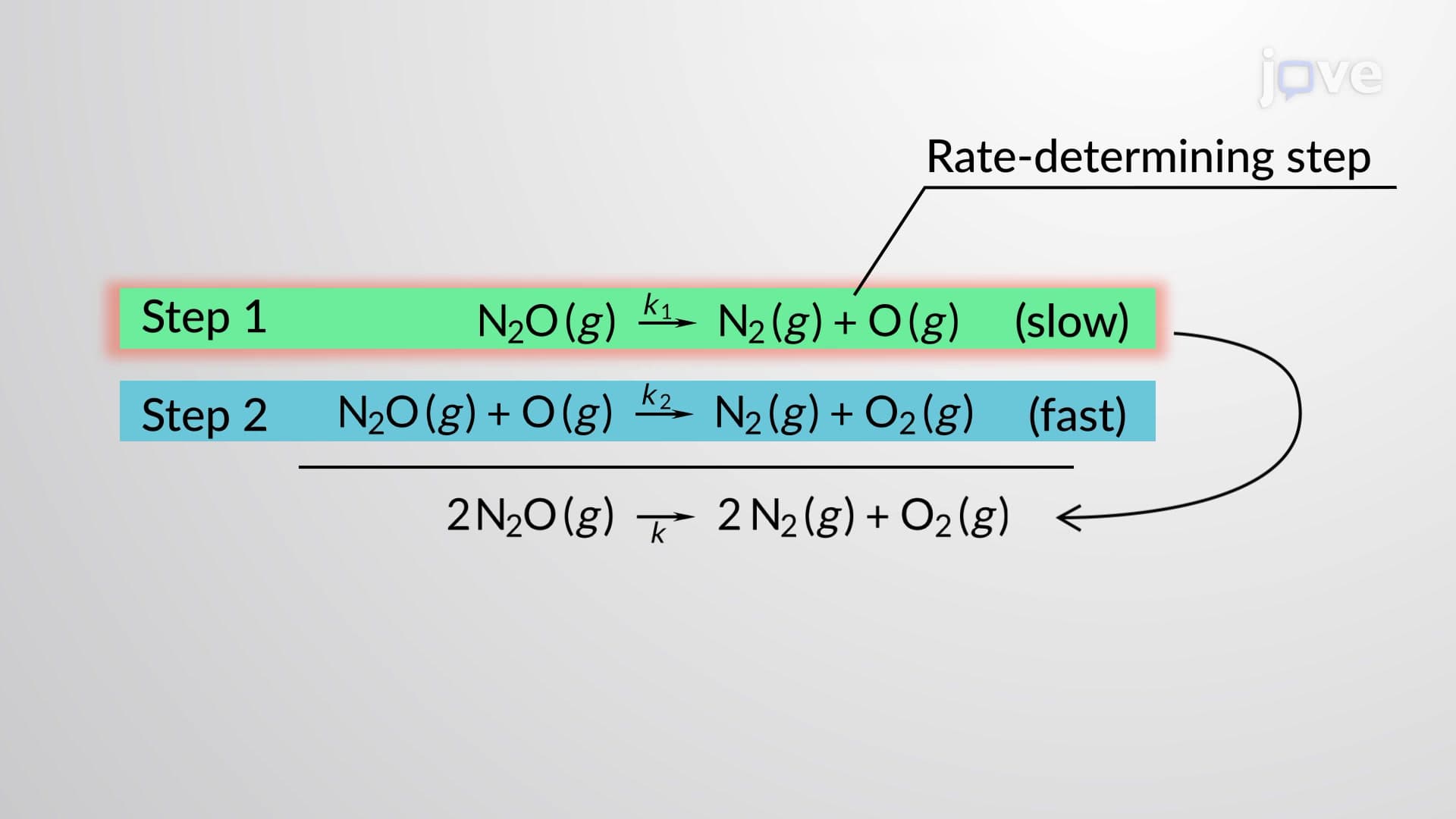
6. Reaction Mechanisms and Elementary Steps Complex reactions proceed through multiple elementary steps, with the slowest step determining overall rate. Students learn to identify reaction intermediates, distinguish them from transition states, and propose mechanisms consistent with experimental rate laws. Understanding mechanisms helps pharmaceutical chemists design more efficient synthetic routes, biochemists study enzyme pathways, and industrial chemists optimize multi-step processes like petroleum refining and polymer production.
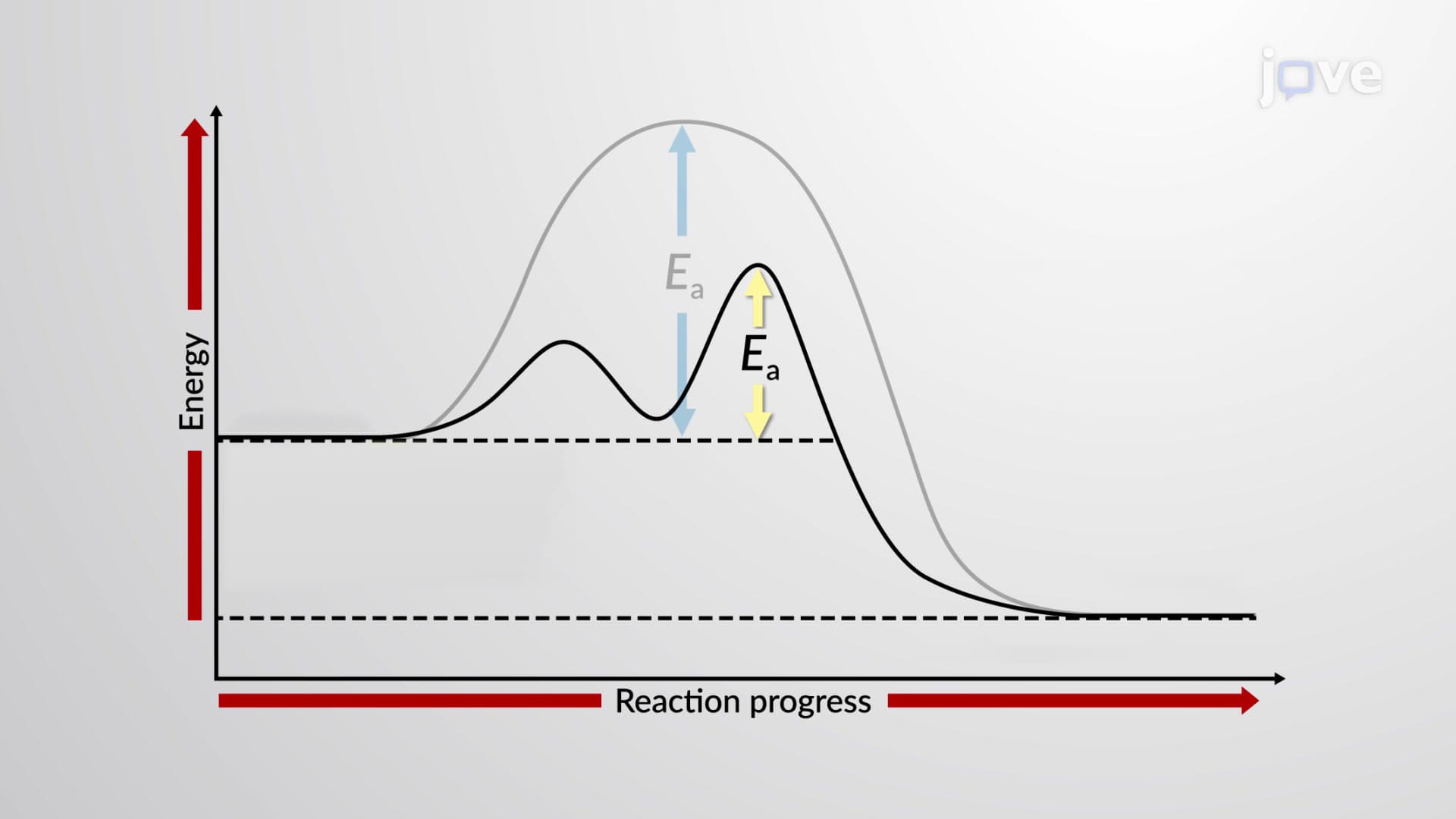
7. Catalysis and Enzyme Kinetics Catalysts accelerate reactions by lowering activation energy without being consumed. Homogeneous catalysts exist in the same phase as reactants, while heterogeneous catalysts operate in different phases. Enzyme catalysis demonstrates biological efficiency in processes like digestion and metabolism. Industrial applications include catalytic converters reducing automotive emissions, petroleum cracking processes, and pharmaceutical synthesis where catalysts enable more selective and efficient drug production while minimizing environmental impact.