Loading video…


 12 Concepts
 561K views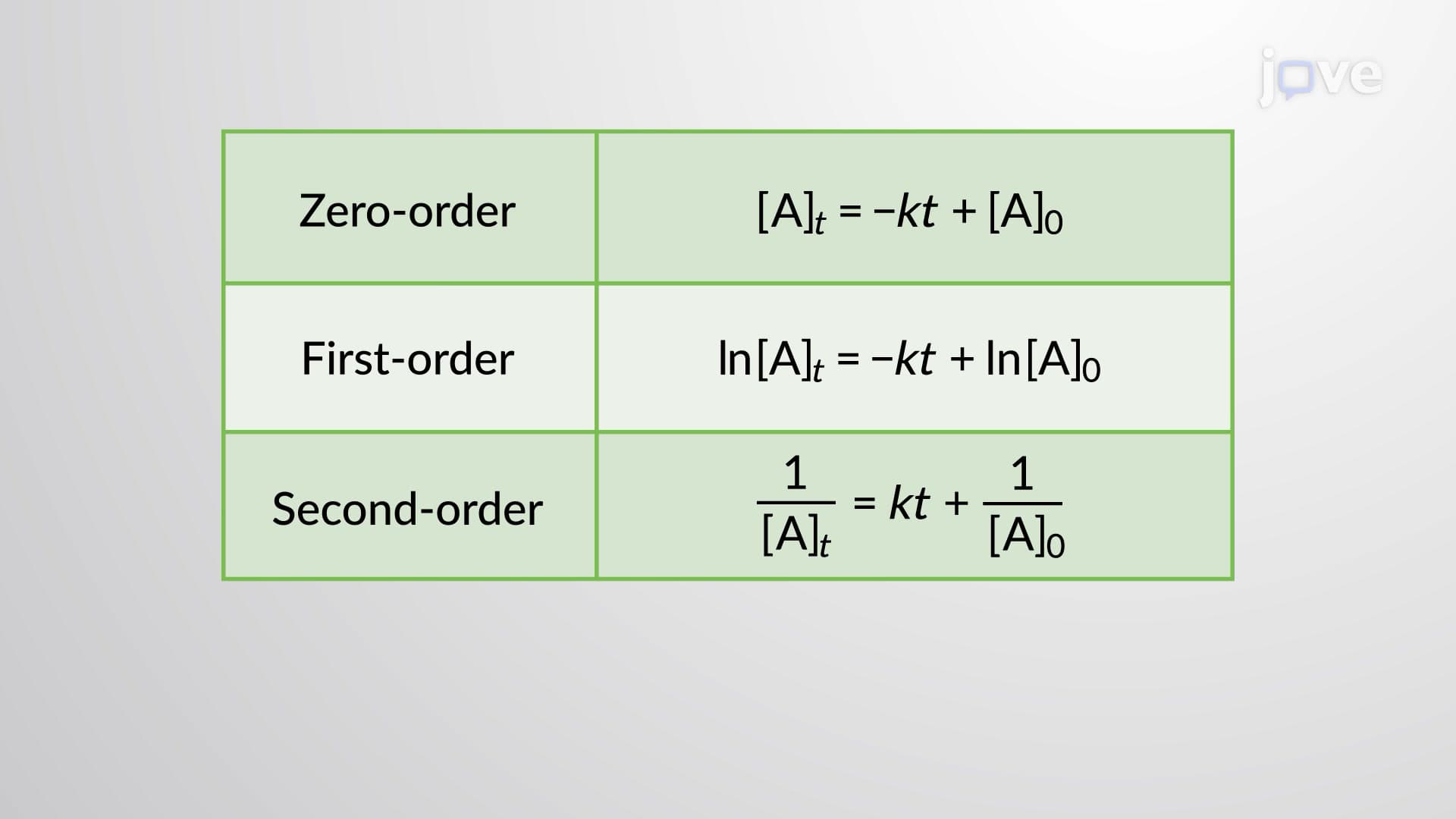

Video Summary: What Is the Integrated Rate Law
Ever wonder why aspirin expires after two years while ibuprofen lasts three? The integrated rate law explains how drug concentrations change over time, determining shelf life and dosing schedules. This fundamental concept in chemical kinetics transforms differential equations into linear relationships, allowing chemists to predict reactant concentrations at any given time. From pharmaceutical manufacturing to environmental cleanup, understanding the integrated rate law is essential for controlling reaction progress. Watch the full video on JoVE Coach to master this concept with expert-led visuals and step-by-step explanations.
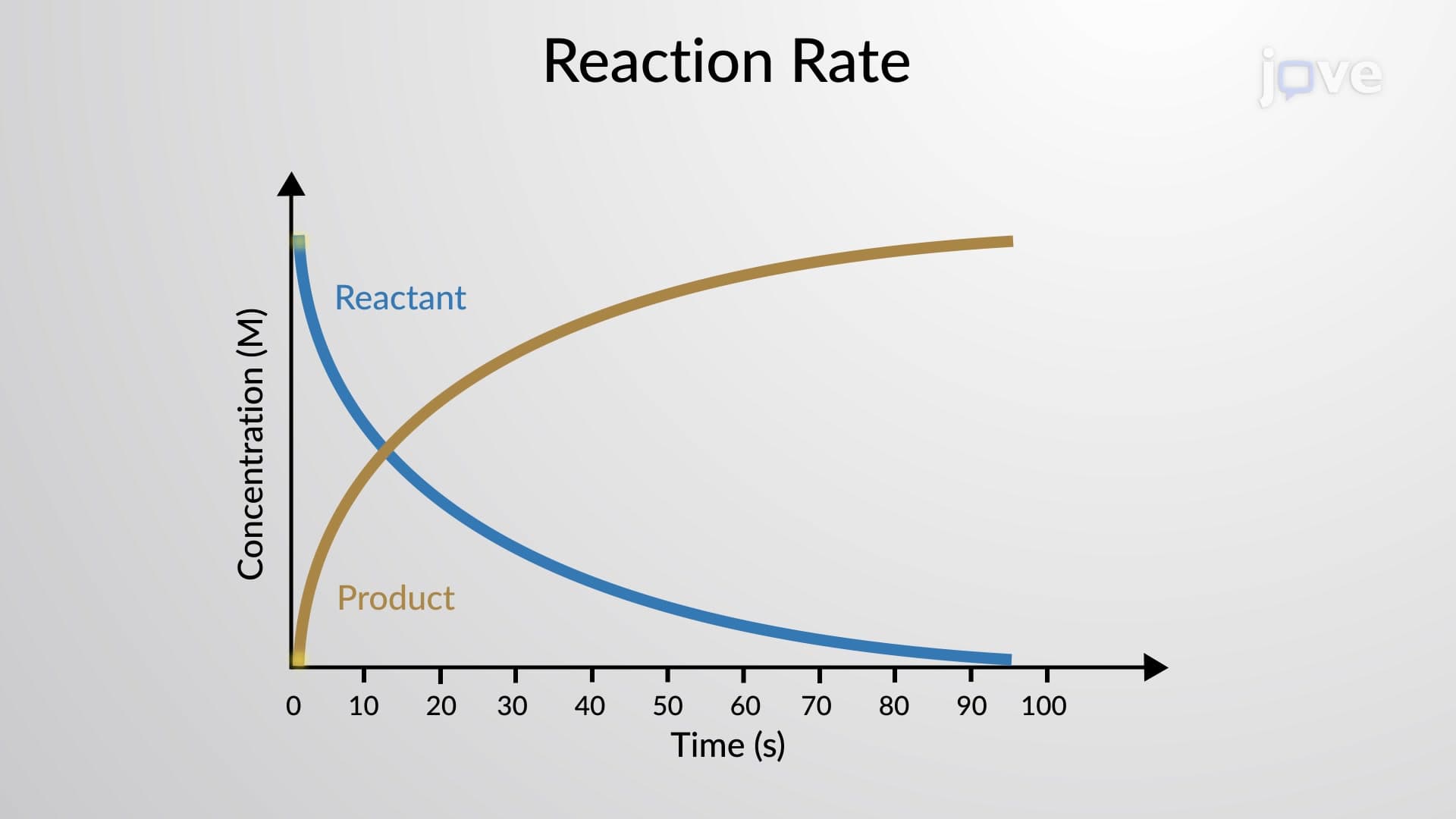
The integrated rate law represents a mathematical transformation that converts differential rate expressions into equations relating concentration and time directly. Unlike differential rate laws that describe instantaneous reaction rates, integrated rate laws provide a cumulative view of how reactant concentrations evolve throughout the entire reaction process. This transformation proves invaluable for predicting reaction behavior over extended periods, making it essential for pharmaceutical development, environmental remediation, and industrial process control.
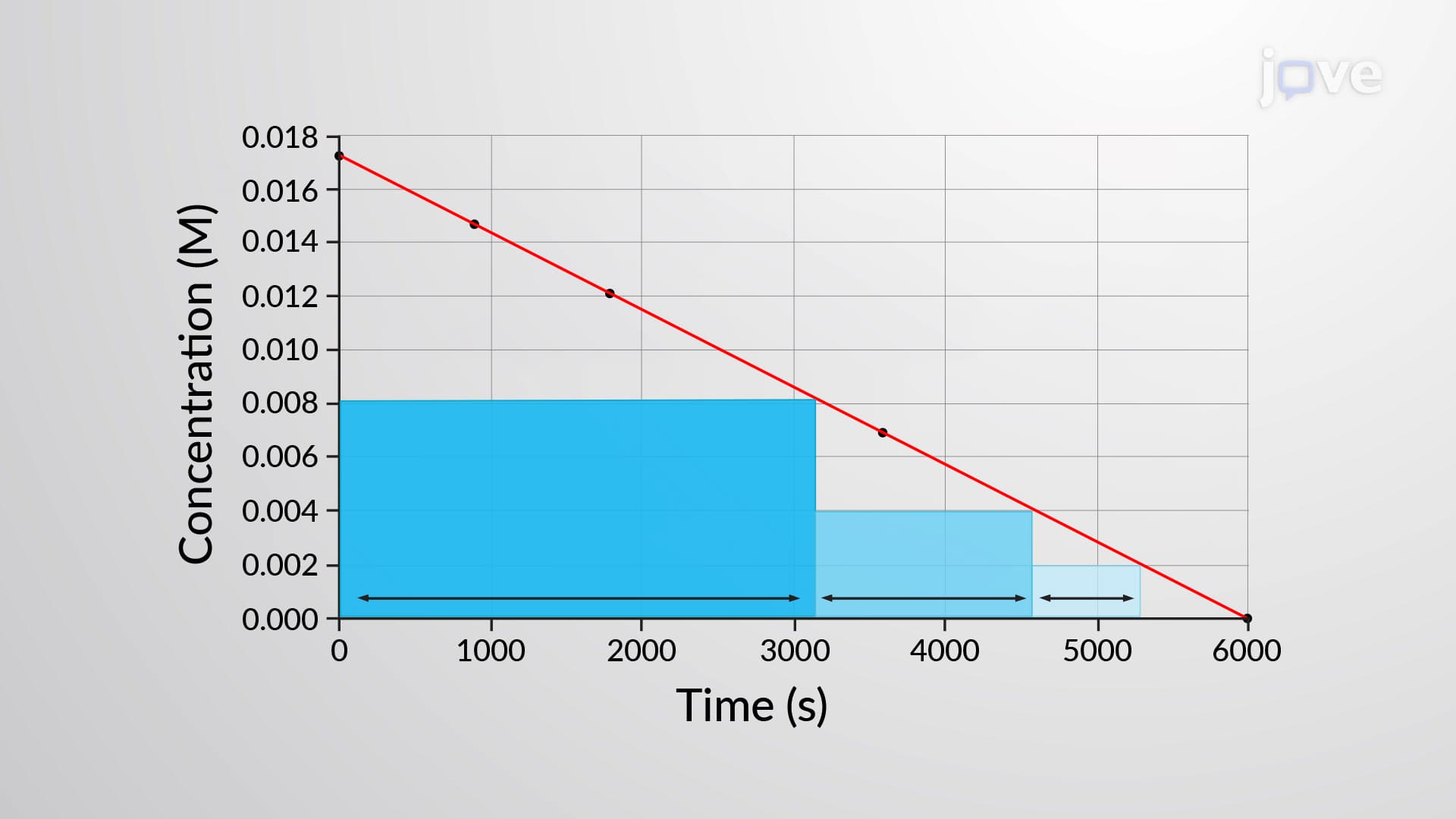
In zero-order reactions, the reaction rate remains constant regardless of reactant concentration. The integrated rate law takes the form [A]t = [A]0 - kt, where [A]t represents concentration at time t, [A]0 is initial concentration, k is the rate constant, and t is time. This linear relationship appears frequently in enzyme-catalyzed reactions operating at substrate saturation, such as alcohol metabolism in the human liver. When plotting [A]t versus time, the resulting straight line has a slope equal to -k and y-intercept equal to [A]0. This behavior explains why blood alcohol concentration decreases linearly over time, crucial for forensic science applications and DUI calculations in US legal proceedings.
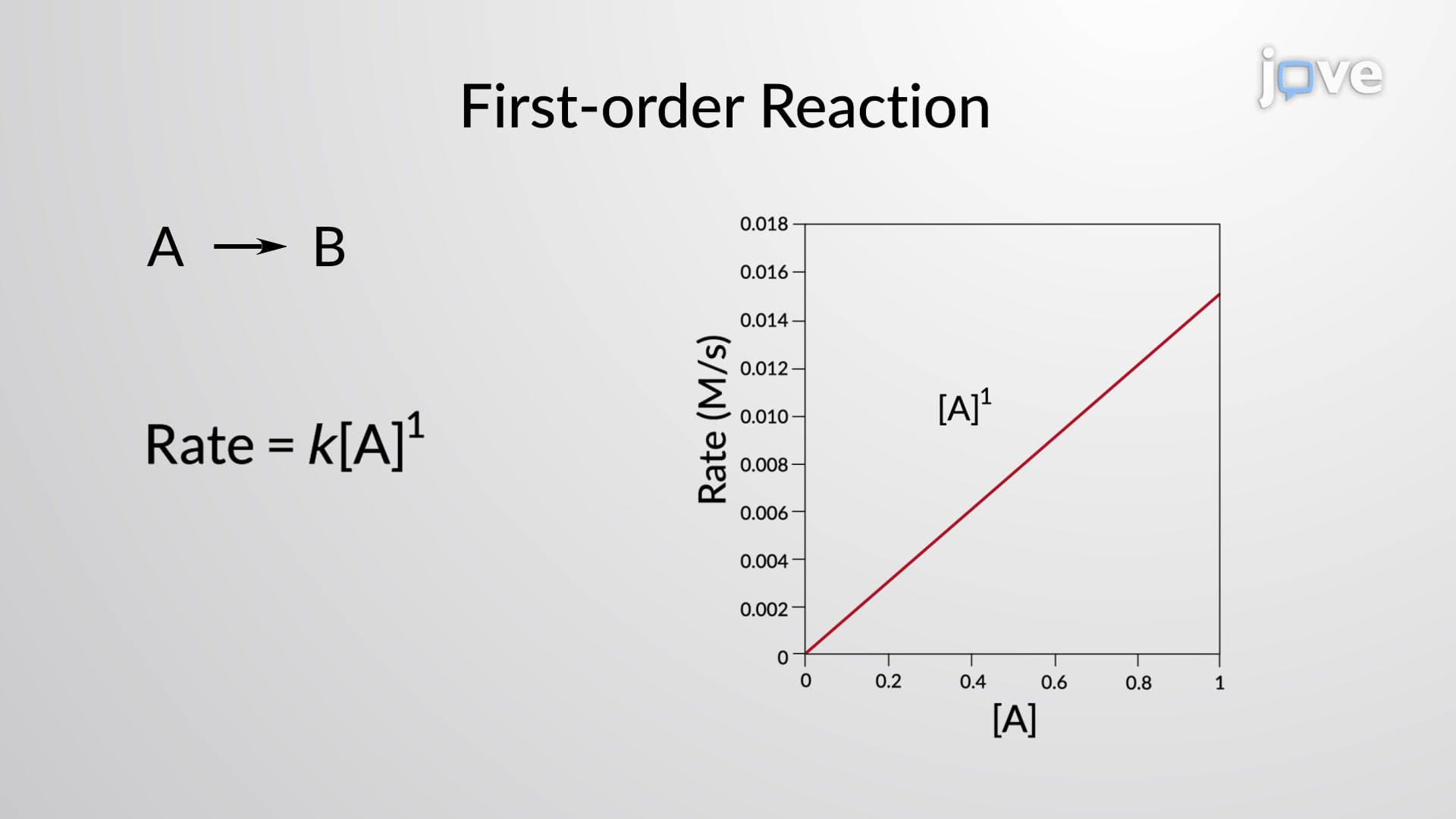
First-order reactions follow the integrated rate law ln[A]t = ln[A]0 - kt, demonstrating exponential decay behavior. These reactions are ubiquitous in pharmaceutical science, governing drug elimination from the body. When graphing ln[A]t versus time, the linear plot yields a slope of -k and y-intercept of ln[A]0. This relationship determines half-life calculations, essential for establishing dosing intervals for medications like penicillin or morphine. The exponential nature means that a constant fraction of the drug is eliminated per unit time, regardless of the amount present-a principle that underlies FDA approval processes for new medications.
Second-order integrated rate laws take the form 1/[A]t = 1/[A]0 + kt, requiring a plot of 1/[A]t versus time to achieve linearity. These reactions commonly occur in atmospheric chemistry and pollution control systems. For example, the reaction between nitrogen oxides and hydrocarbons in smog formation follows second-order kinetics. The linear plot provides a positive slope equal to k and y-intercept equal to 1/[A]0. Understanding this relationship helps environmental engineers design catalytic converters and predict air quality changes, directly impacting EPA regulations and urban planning decisions across major US cities.
Related Micro-courses