Loading subject page…


561,000 views

Video Summary: What Is Catalysis
Ever wonder how car exhaust systems clean pollution or how your body digests food efficiently? Catalysis makes these processes possible by dramatically speeding up chemical reactions without being consumed. From the platinum catalytic converters in Ford vehicles to the enzymes breaking down proteins in your stomach, catalysts are everywhere in American industry and biology. Understanding what is catalysis reveals how scientists control reaction speeds and optimize industrial processes. Watch the full video on JoVE Coach to master this concept with expert-led visuals and step-by-step explanations.
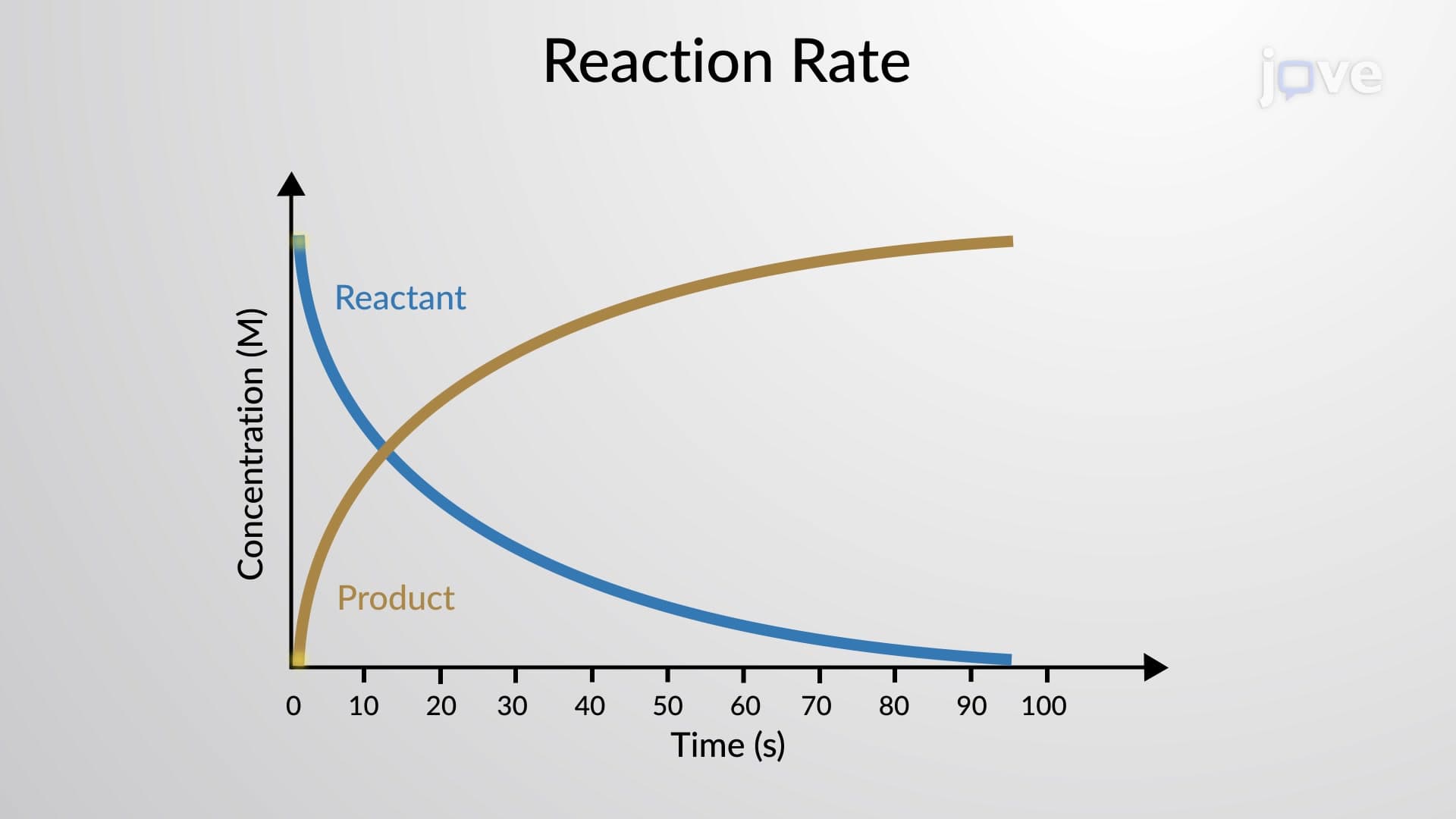
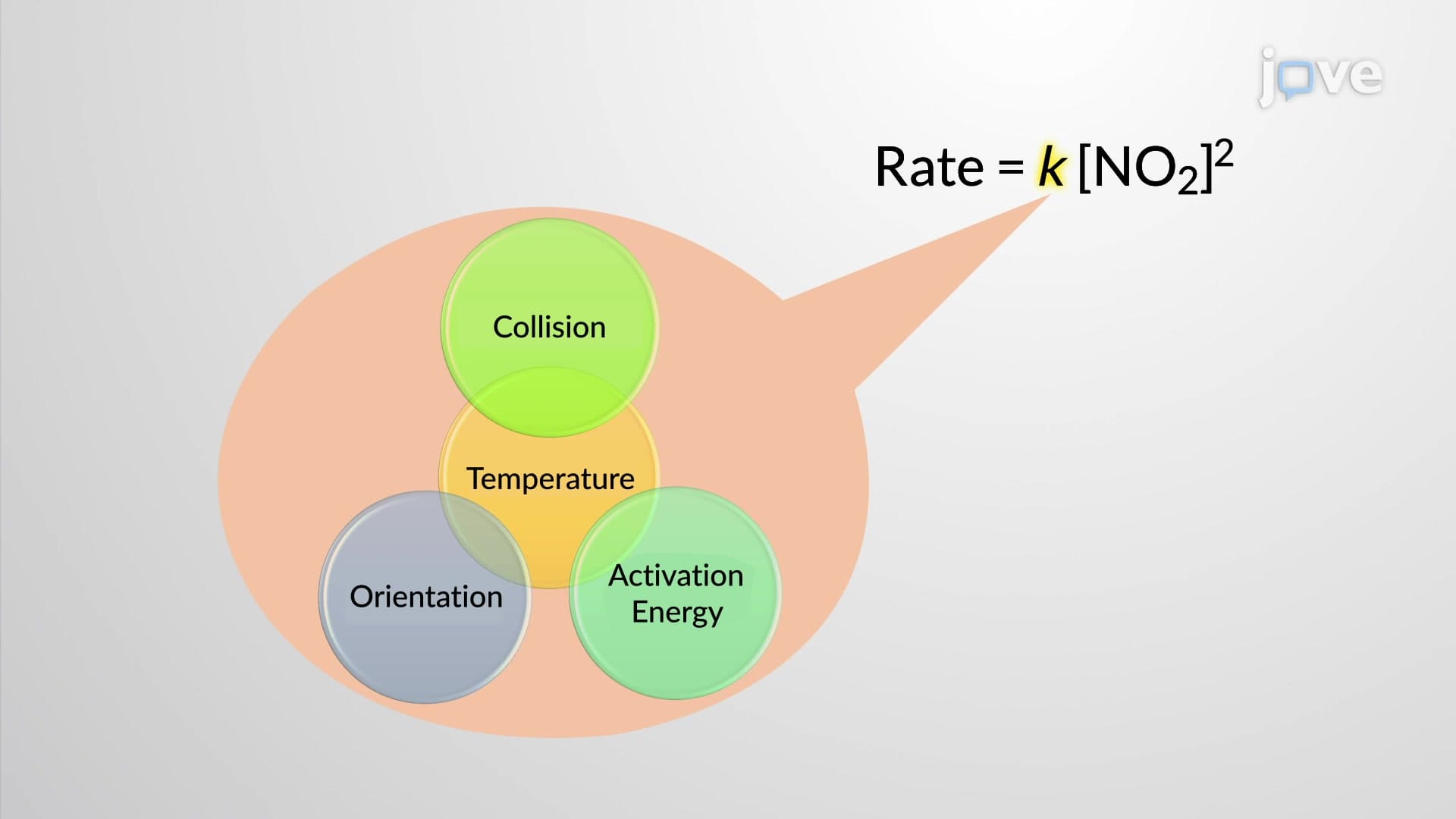
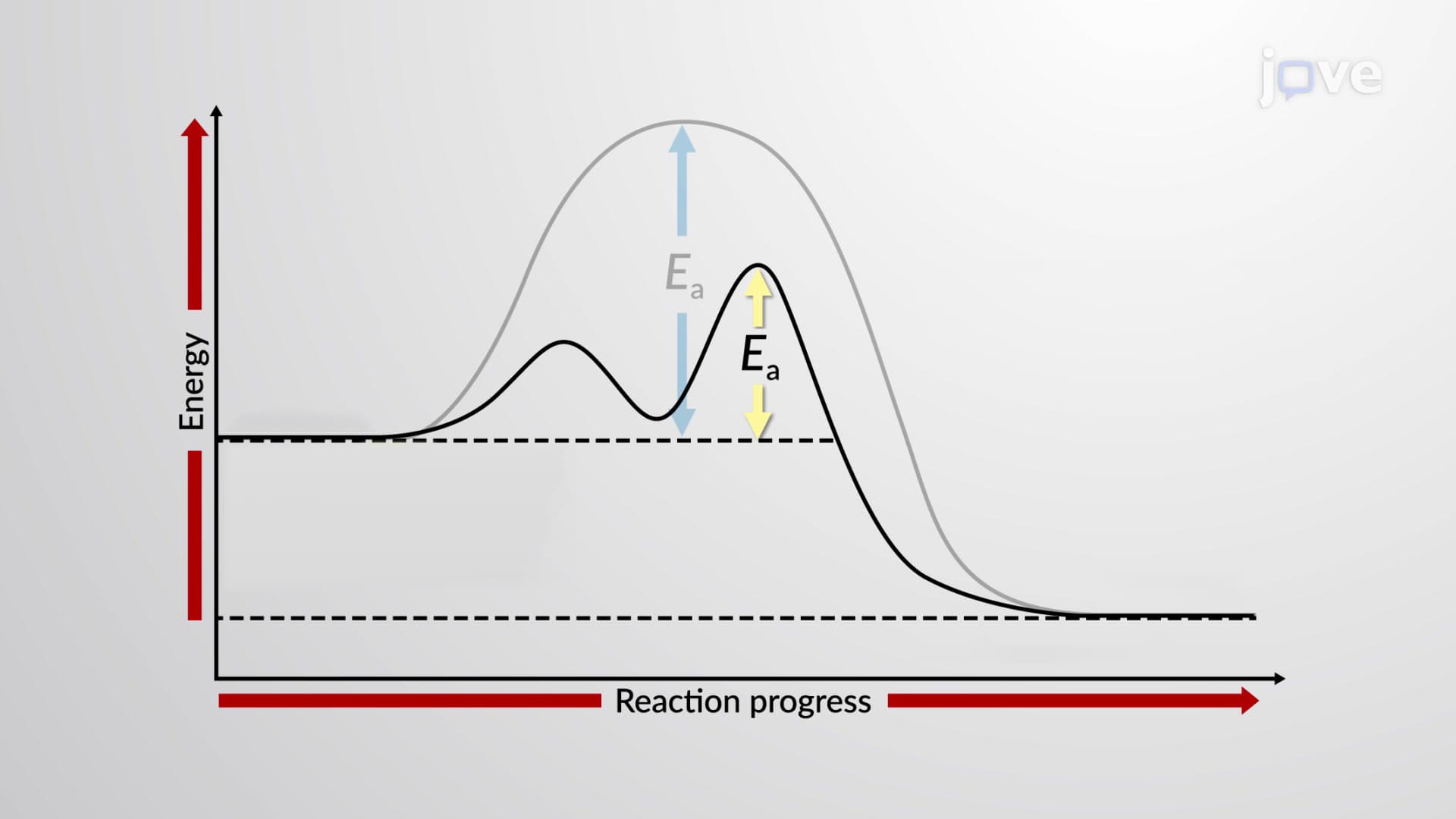
Catalysis represents one of chemistry's most powerful tools for controlling reaction rates and selectivity. At its core, catalysis involves substances that accelerate chemical reactions by providing alternative pathways with lower activation energies. Unlike traditional methods of speeding reactions-such as increasing temperature or concentration-catalysts offer precise control without the energy costs or unwanted side reactions that high-temperature conditions often produce.
The catalysis definition centers on this key principle: catalysts participate in reactions but emerge unchanged, ready to facilitate additional reaction cycles. This regenerative property makes catalysts incredibly efficient, with single catalyst molecules potentially facilitating millions of product molecules' formation.
Homogeneous catalysts exist in the same physical phase as their reactants, typically in liquid solutions. The hydrogen peroxide decomposition example illustrates this beautifully-bromide ions catalyze the breakdown while remaining in the aqueous phase throughout. This same-phase interaction allows for intimate molecular contact and uniform distribution, making homogeneous catalysis particularly valuable in pharmaceutical manufacturing.
Major pharmaceutical companies like Pfizer and Johnson & Johnson rely heavily on homogeneous catalysis for drug synthesis. The precise control offered by dissolved catalysts enables the production of complex molecules with specific stereochemistry-crucial for drug effectiveness and safety.
Heterogeneous catalysts operate in different phases from their reactants, most commonly as solids catalyzing gas-phase reactions. The four-step mechanism-adsorption, diffusion, reaction, and desorption-occurs on catalyst surfaces where reactant molecules temporarily bind, react, and then release as products.
The automotive industry exemplifies heterogeneous catalysis through catalytic converters, where platinum-group metals convert harmful exhaust gases into less toxic compounds. General Motors, Ford, and other US automakers have invested billions in catalyst technology to meet EPA emissions standards, demonstrating catalysis's critical role in environmental protection.
For students preparing for AP Chemistry or college-level courses, understanding catalysis basics proves essential for mechanism problems and kinetics calculations. The MCAT frequently tests catalysis concepts, particularly enzyme catalysis in biological systems. Students should focus on energy diagrams showing how catalysts lower activation barriers while maintaining identical starting and ending energy levels.
Industrial applications span petroleum refining, where companies like ExxonMobil use zeolite catalysts for crude oil processing, to food production, where enzymes catalyze everything from cheese making to high-fructose corn syrup production. This breadth makes catalysis knowledge valuable for careers in chemical engineering, biochemistry, and materials science.
Related Micro-courses