Loading concepts…


12 Concepts
7 Concepts
10 Concepts
13 Concepts
10 Concepts
12 Concepts
15 Concepts
8 Concepts
14 Concepts
9 Concepts
21 Concepts
13 Concepts
12 Concepts
10 Concepts
14 Concepts
15 Concepts
10 Concepts
10 Concepts
10 Concepts
10 Concepts
12 Concepts
 13 Concepts
 797.5K Views
 Popular topics




Chemical quantities form the foundation of understanding stoichiometry and aqueous reactions in chemistry. This comprehensive course covers mole calculations, limiting reactants, solution concentrations, and various reaction types including precipitation, acid-base, and redox reactions. Students explore real-world applications from rocket fuel calculations to pharmaceutical preparations, building essential problem-solving skills needed for advanced chemistry courses and standardized exams with JoVE Coach guidance.
1. Reaction Stoichiometry and Mole Calculations Understanding chemical quantities begins with stoichiometry - the quantitative relationships in chemical reactions. Like following a recipe, balanced chemical equations provide mole ratios that serve as conversion factors between reactants and products. For example, in rocket propellant combustion, calculating that 5,000 grams of fuel requires approximately 17,000 grams of liquid oxygen demonstrates how stoichiometric principles apply to real-world engineering challenges. Students master converting between mass and moles using molar mass, then applying mole ratios to determine quantities of reactants or products needed.
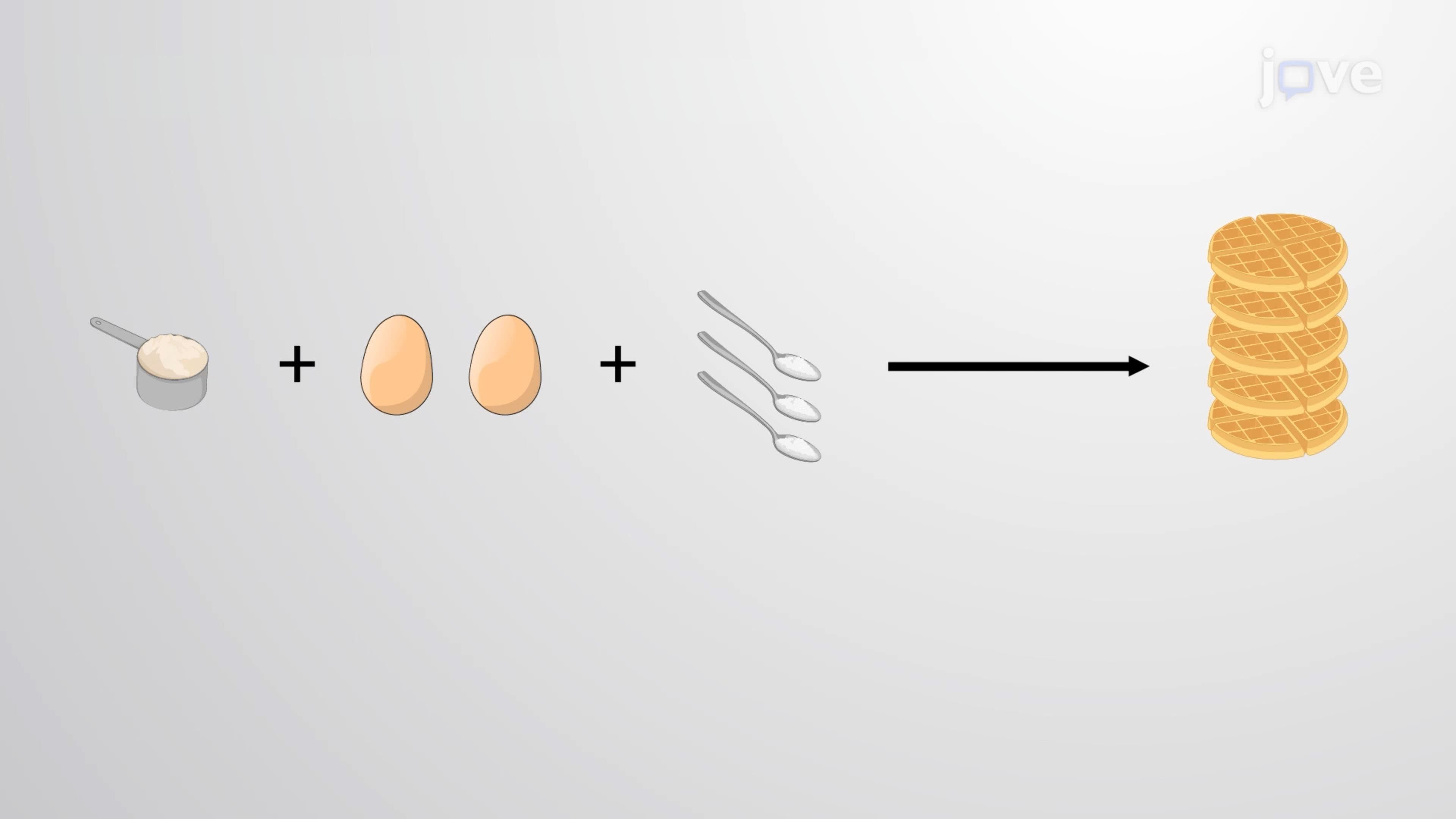
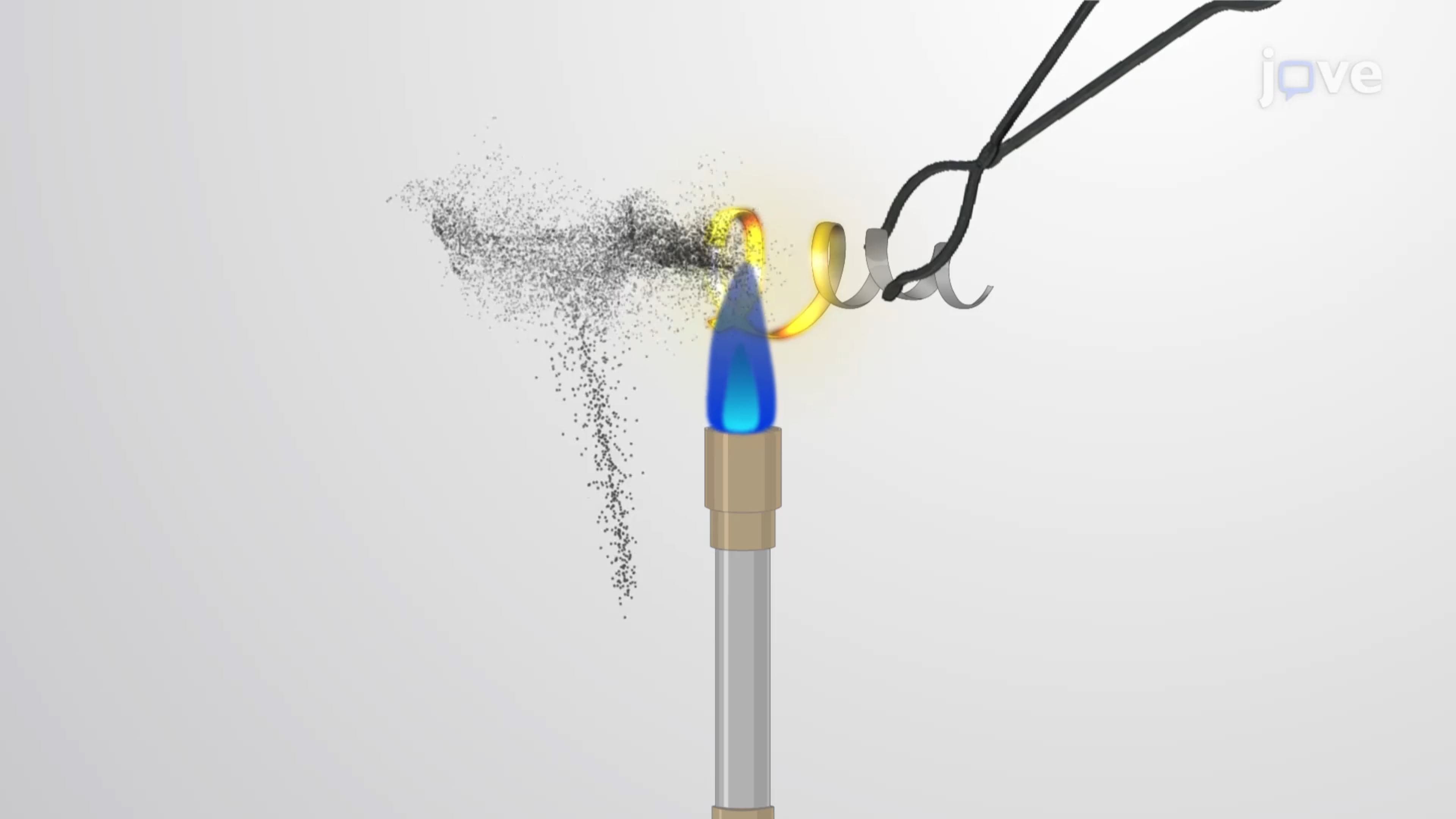
2. Limiting Reactants and Reaction Yields In chemical reactions, the limiting reactant determines how much product can form, similar to how a shortage of eggs limits waffle production regardless of available flour and sugar. Students learn to identify limiting reactants by calculating theoretical yields for each reactant and selecting the smallest value. The magnesium combustion example illustrates how 63.4 grams of magnesium with excess oxygen theoretically produces 105 grams of magnesium oxide, but actual yields of 80.0 grams give a 76.2% yield due to practical limitations like side reactions and product loss.
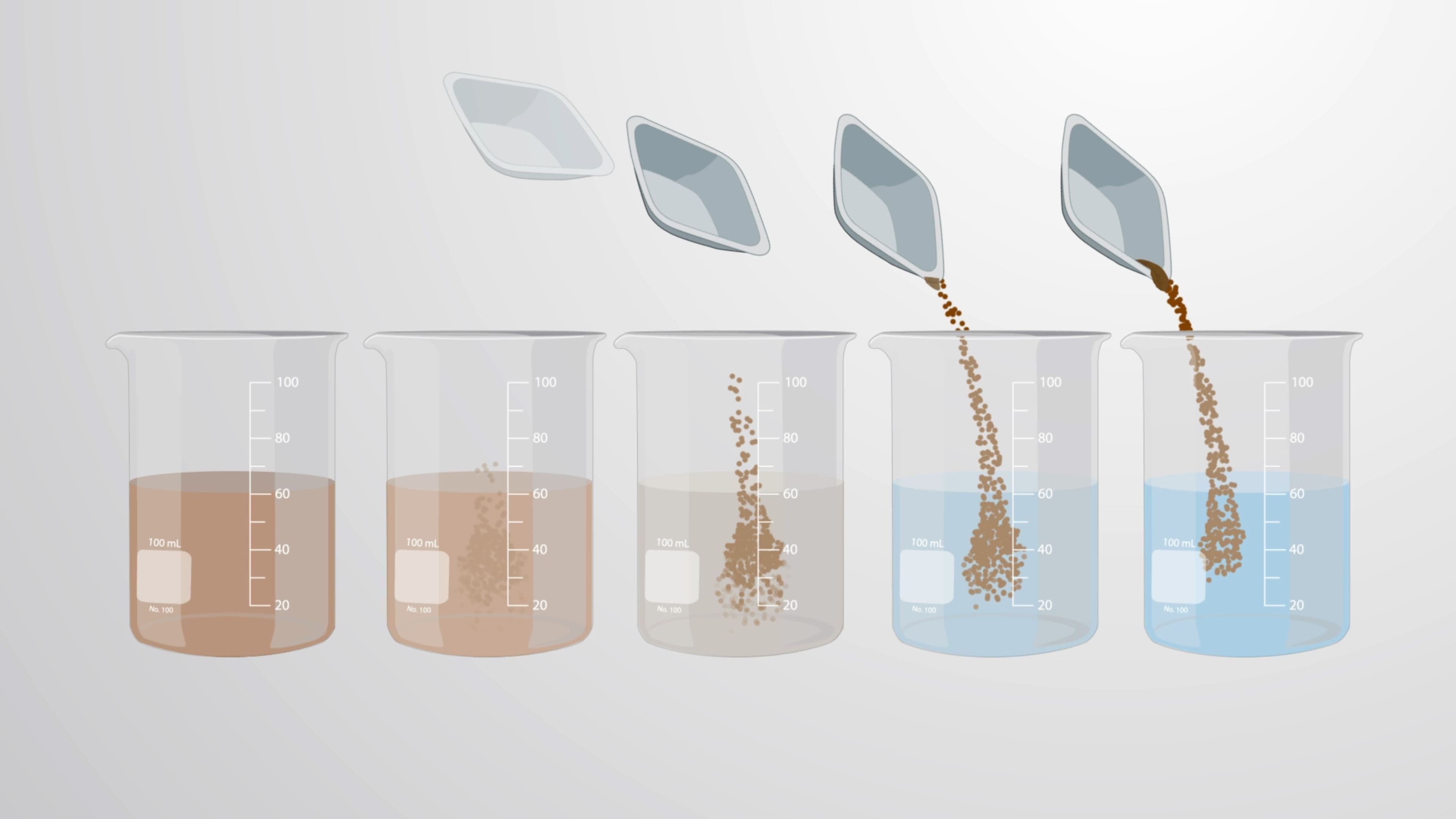
3. Solution Concentration and Molarity Calculations Molarity expresses solution concentration as moles of solute per liter of solution, enabling precise laboratory preparations. For medical applications like preparing potassium permanganate disinfectant, students calculate that making 1 liter of 0.2 M solution from 2 M stock requires 0.1 liters of concentrated solution diluted to final volume. The dilution equation M₁V₁ = M₂V₂ becomes essential for pharmaceutical preparations and analytical chemistry, where accurate concentrations determine treatment effectiveness and experimental validity.
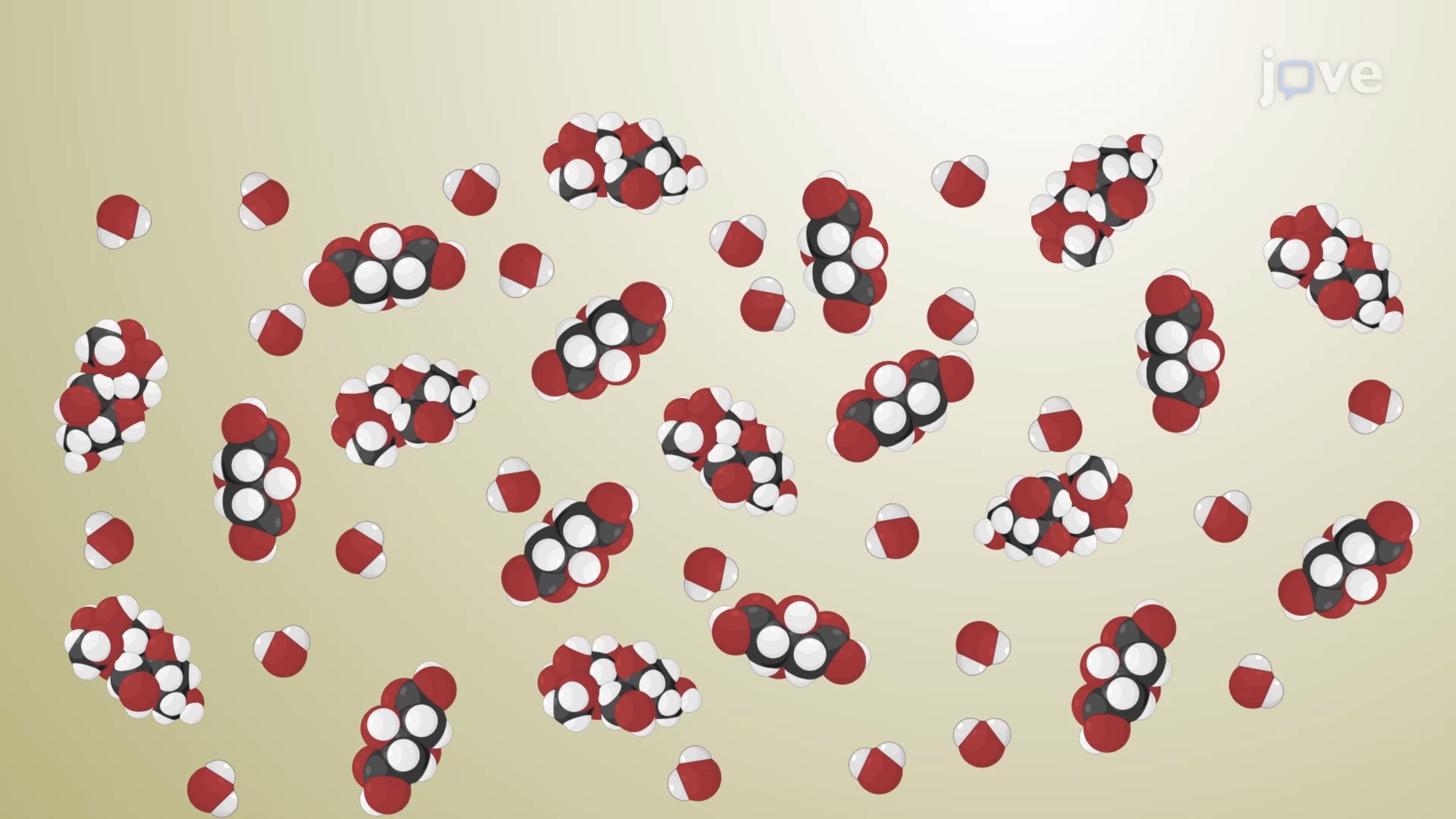
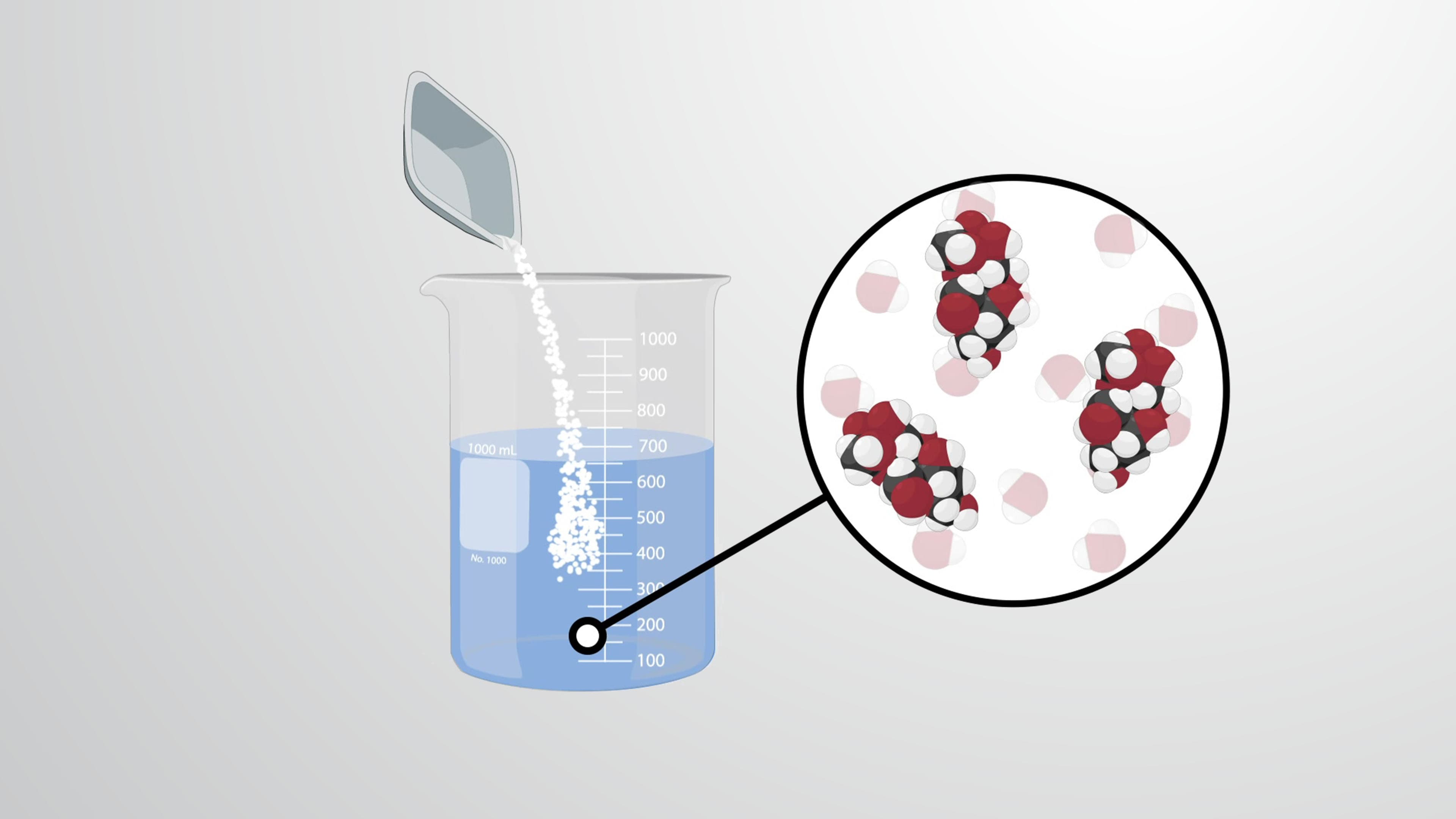
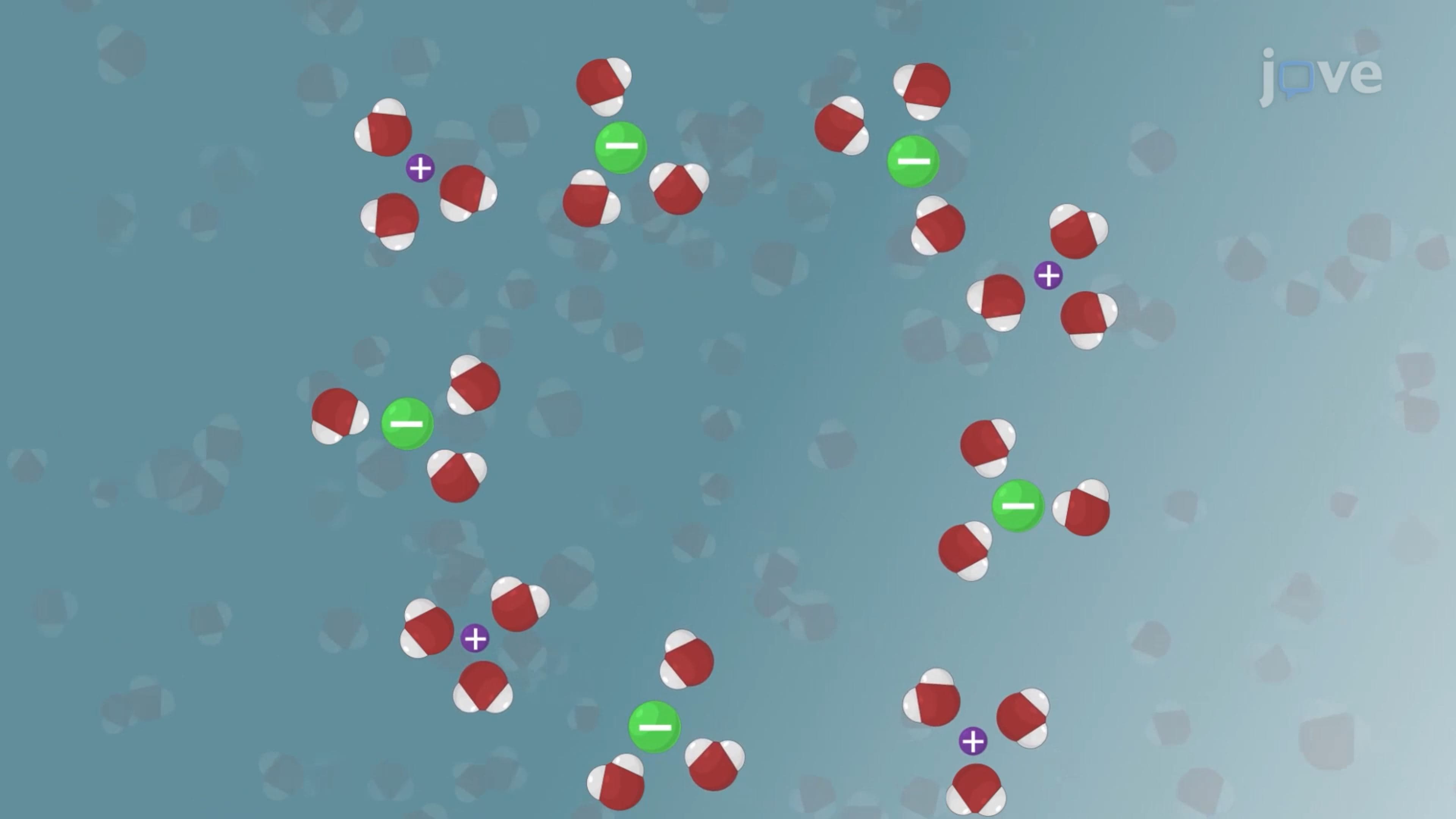
4. Electrolytes and Solution Properties Water's polar nature enables it to dissolve ionic compounds through hydration, creating electrolytic solutions that conduct electricity. Strong electrolytes like sodium chloride completely dissociate into ions, while weak electrolytes like hydrofluoric acid only partially ionize. Non-electrolytes such as sucrose dissolve as intact molecules without conducting current. Understanding these distinctions explains biological processes like nerve transmission and helps predict solution behavior in medical IV fluids and industrial processes where conductivity matters.
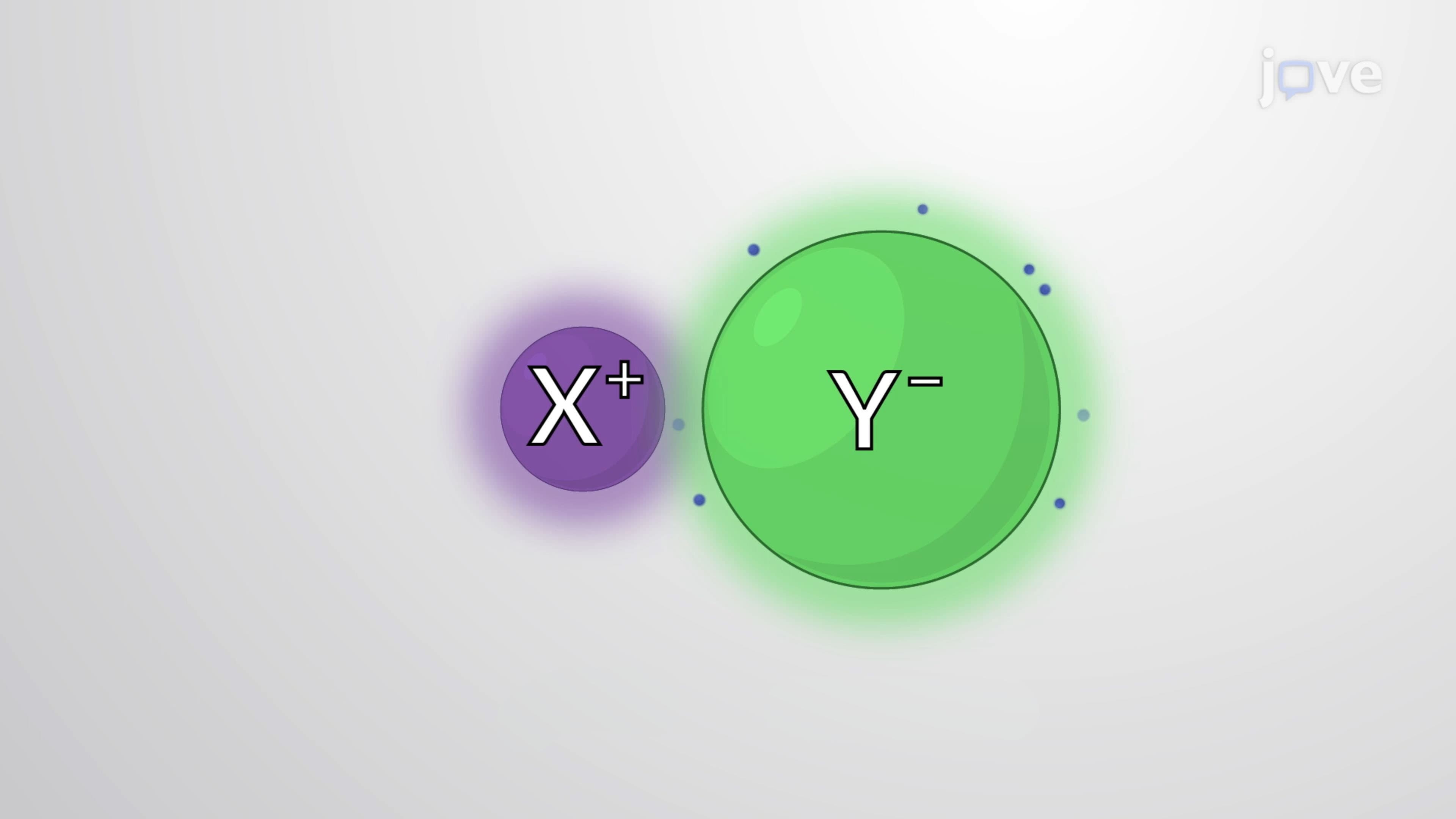
5. Ionic Compound Solubility and Precipitation Reactions Systematic solubility rules predict whether ionic compounds dissolve in water, crucial for understanding precipitation reactions in environmental chemistry and pharmaceutical manufacturing. All nitrates and acetates dissolve completely, while sulfides and carbonates generally remain insoluble except with alkali metals. The classic silver chloride precipitation from mixing sodium chloride and silver nitrate solutions demonstrates double displacement reactions where ions "swap partners" to form new compounds, one remaining dissolved while the other precipitates.
6. Chemical Equations in Aqueous Solutions Three equation types describe aqueous reactions with increasing detail: molecular equations show complete formulas, complete ionic equations separate soluble compounds into ions, and net ionic equations focus only on reacting species. For the lead nitrate and sodium iodide precipitation forming lead iodide, the net ionic equation Pb²⁺ + 2I⁻ → PbI₂ eliminates spectator ions (Na⁺ and NO₃⁻) to highlight the actual chemical change. This progression helps students understand reaction mechanisms and predict products in complex mixtures.
7. Oxidation-Reduction Reactions and Electron Transfer Redox reactions involve electron transfer between species, fundamental to processes like photosynthesis, combustion, and corrosion. Using the mnemonic OIL RIG (Oxidation Is Losing, Reduction Is Gaining electrons), students track electron movement through oxidation number changes. In potassium chloride formation, potassium loses an electron (oxidized from 0 to +1) while chlorine gains an electron (reduced from 0 to -1). These concepts apply to battery technology, metabolism, and industrial metal extraction processes.
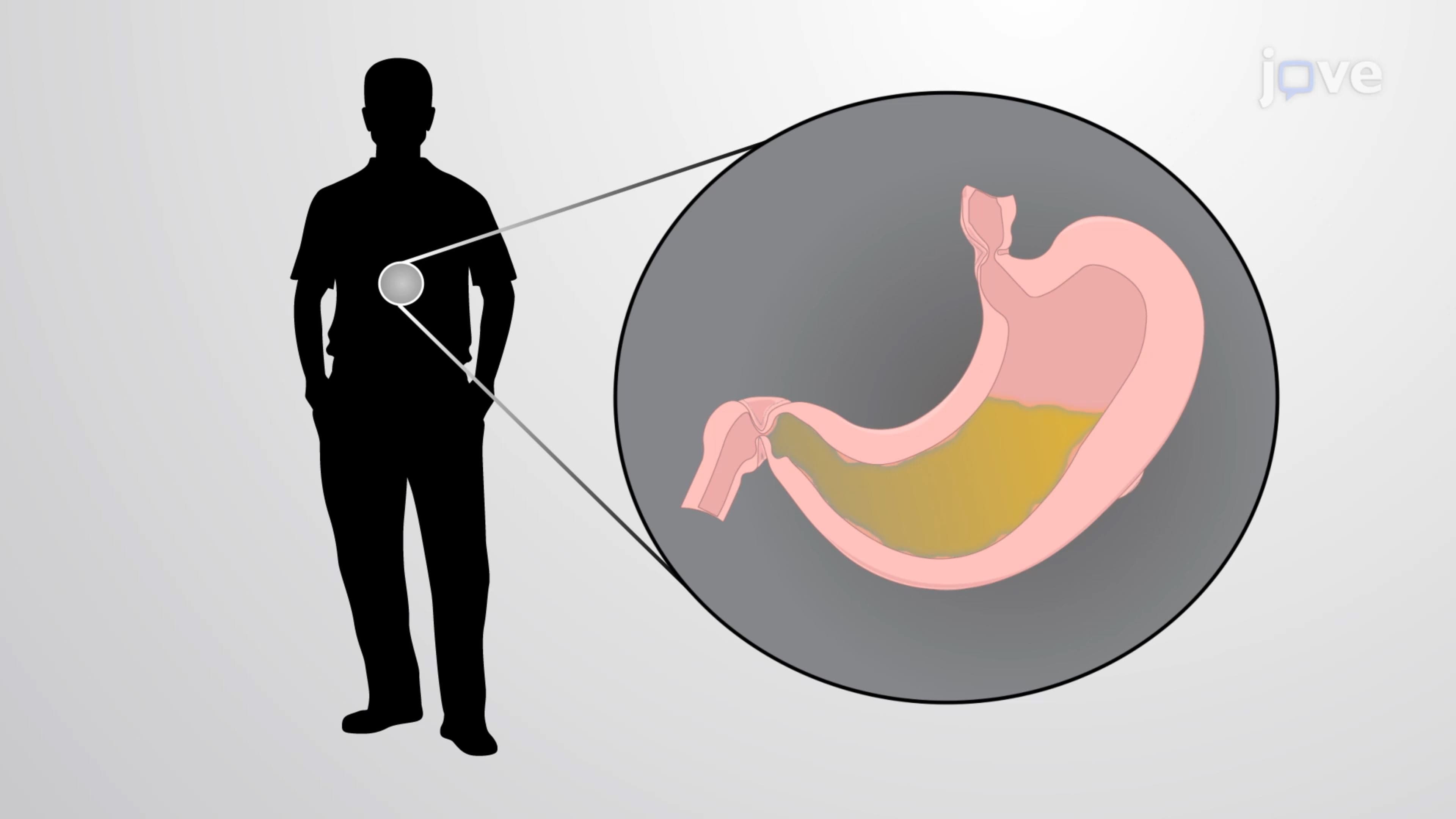
8. Acid-Base Neutralization and Stoichiometry Acid-base reactions neutralize H⁺ ions with OH⁻ ions to form water, with counterions creating salts. Stomach antacids demonstrate this principle by neutralizing excess hydrochloric acid to relieve heartburn. Monoprotic acids like HCl release one proton per molecule, while polyprotic acids like sulfuric acid can donate multiple protons sequentially. Understanding acid-base stoichiometry enables pharmaceutical dosage calculations and environmental pH control in water treatment facilities.