Loading video…


 13 Concepts
 797.5K views

Video Summary: What are Electrolyte and Nonelectrolyte Solutions
Ever wonder why sports drinks claim to "replenish electrolytes" after intense exercise? Electrolyte and nonelectrolyte solutions represent a fundamental distinction in chemistry based on their ability to conduct electricity when dissolved in water. While table salt (sodium chloride) creates a solution that can power electrical circuits, sugar water remains electrically neutral despite both dissolving completely. Watch the full video on JoVE Coach to master this concept with expert-led visuals and step-by-step explanations.
Electrolyte and nonelectrolyte solutions represent one of chemistry's most practical distinctions. When substances dissolve in water, they follow two fundamentally different pathways that determine whether the resulting solution can conduct electricity. This concept forms the backbone of electrochemistry, biochemistry, and countless industrial applications.
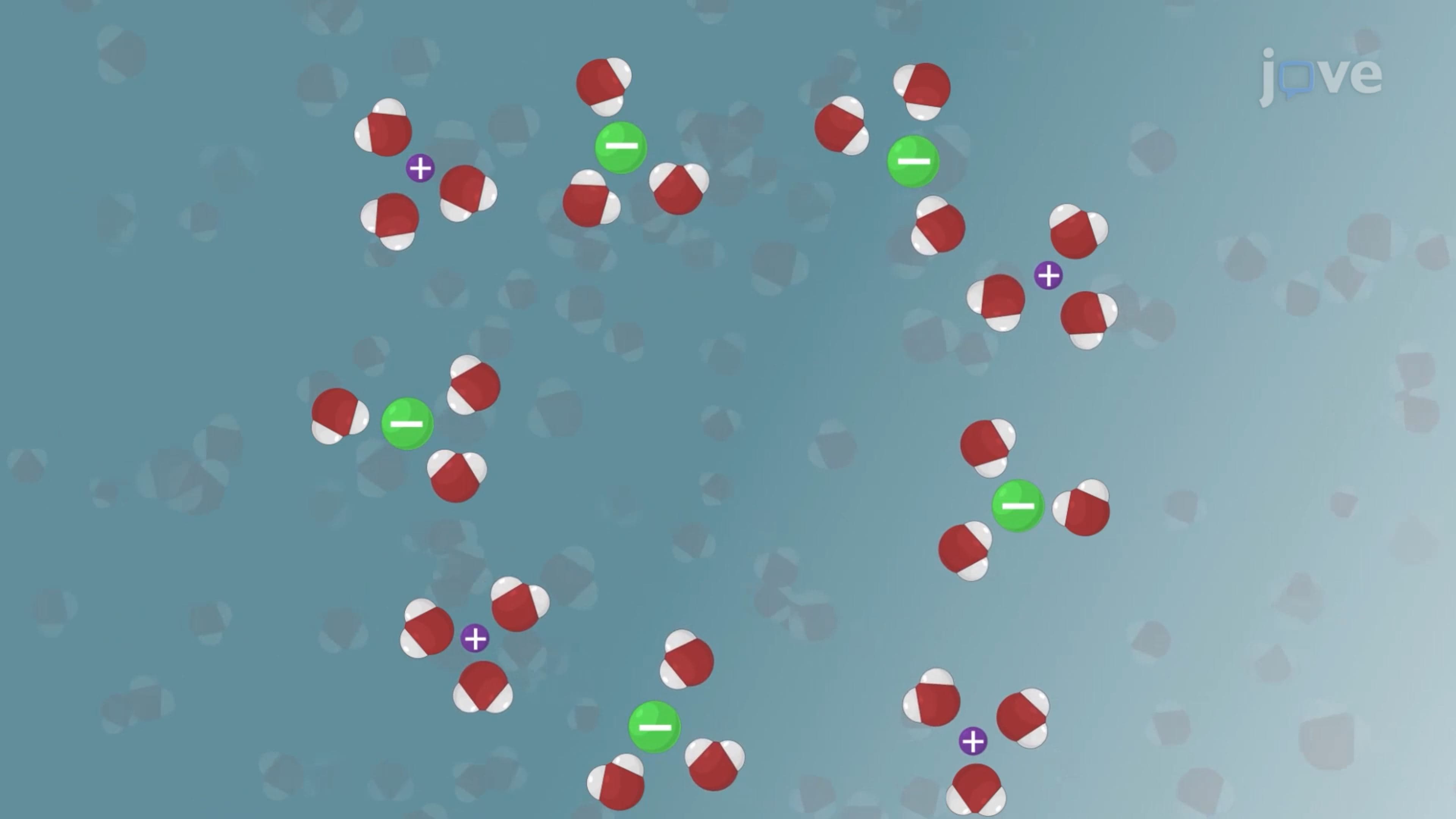
The key lies in water's polar nature. Each water molecule acts like a tiny magnet with a partially negative oxygen atom and partially positive hydrogen atoms. This polarity allows water to interact differently with various solutes, leading to dramatically different solution properties.
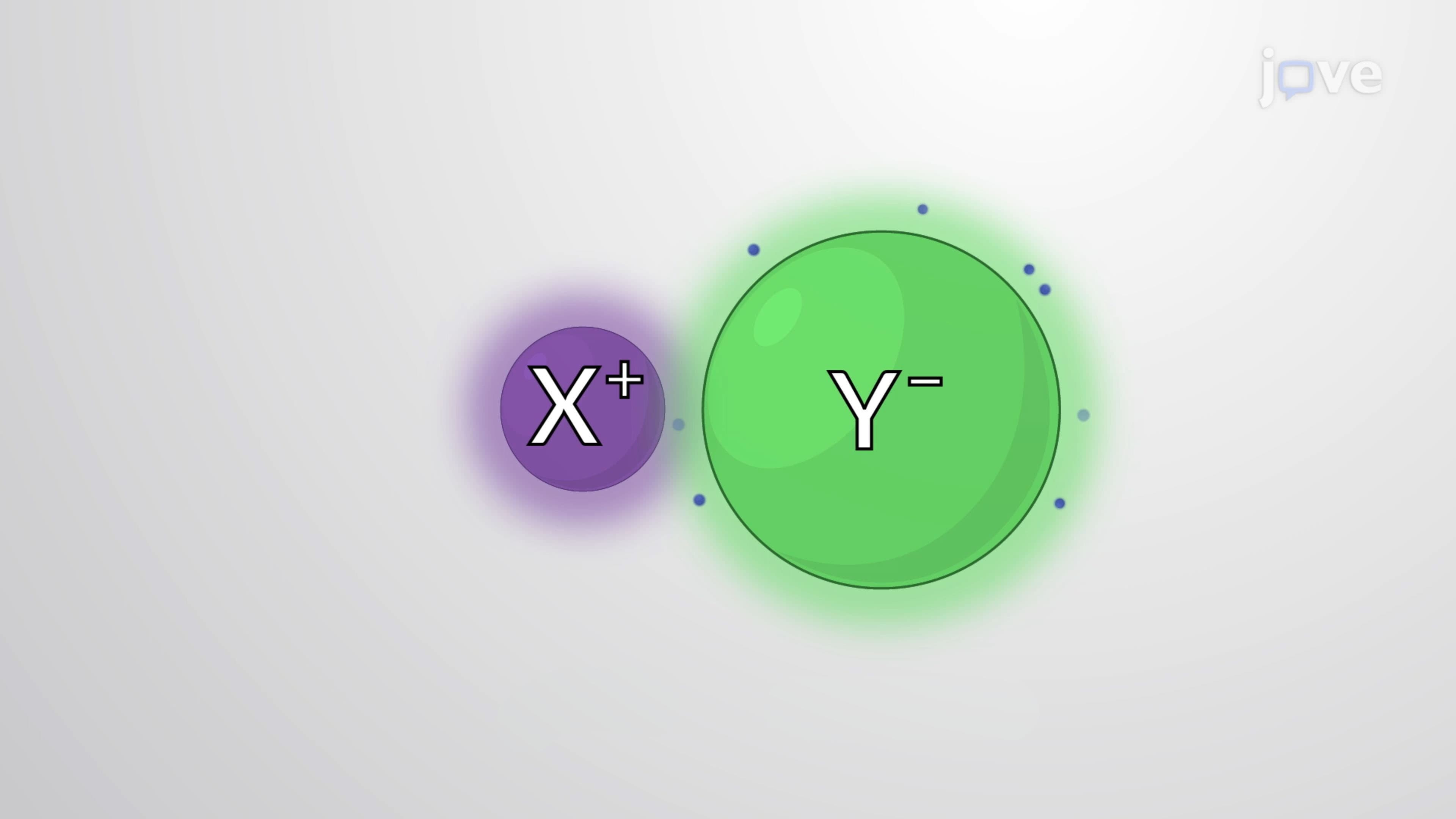
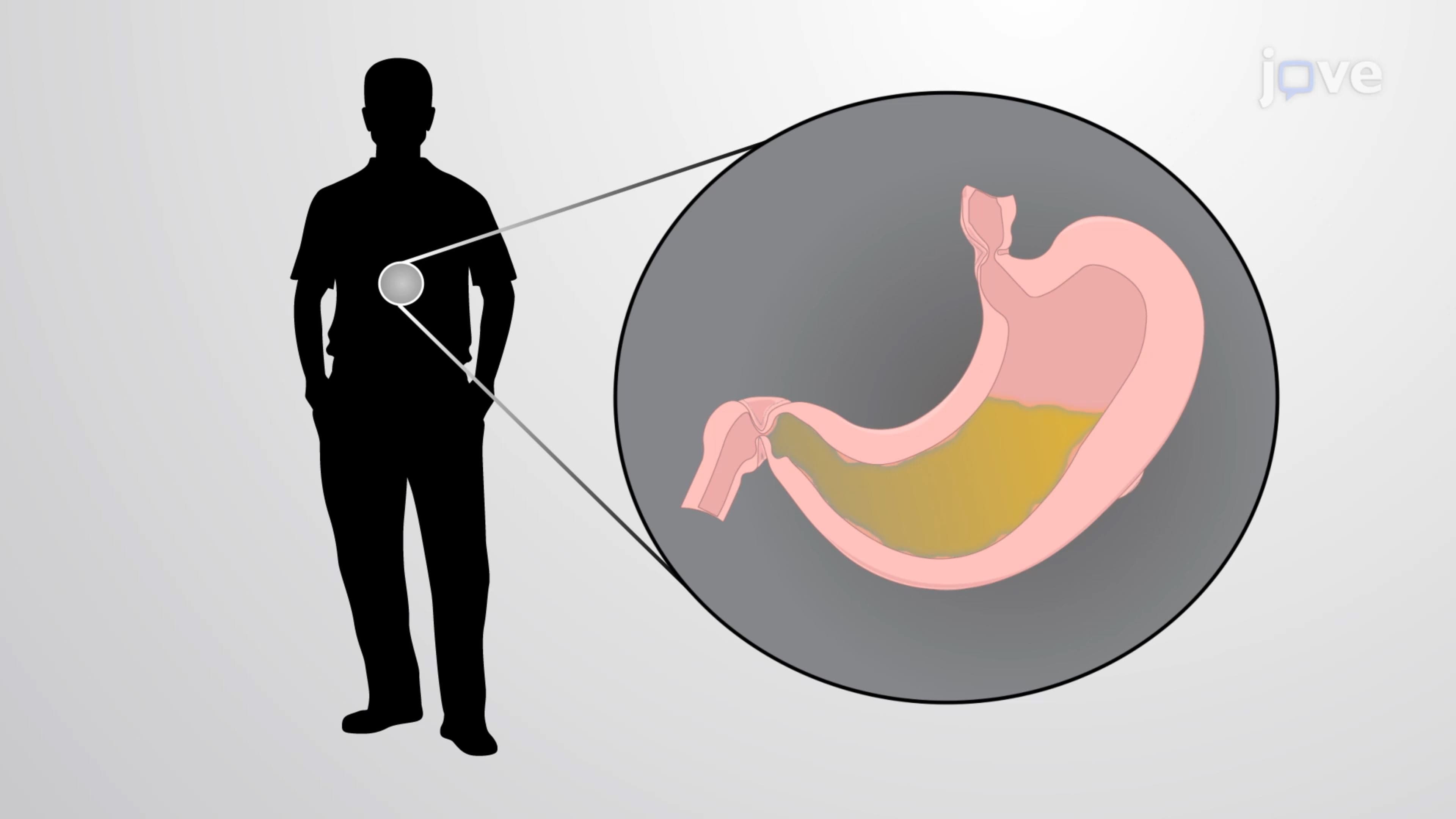
Strong electrolytes completely dissociate into ions when dissolved. Common examples include sodium chloride (table salt), potassium nitrate (fertilizer), and hydrochloric acid (stomach acid). These solutions conduct electricity exceptionally well because every dissolved particle becomes a charge carrier. In AP Chemistry exams, students often encounter problems calculating ion concentrations in strong electrolyte solutions.
Weak electrolytes only partially dissociate, creating solutions with limited conductivity. Acetic acid (vinegar) and ammonia represent classic examples. These substances exist in equilibrium between their molecular and ionic forms, making them frequent subjects in college general chemistry equilibrium problems.
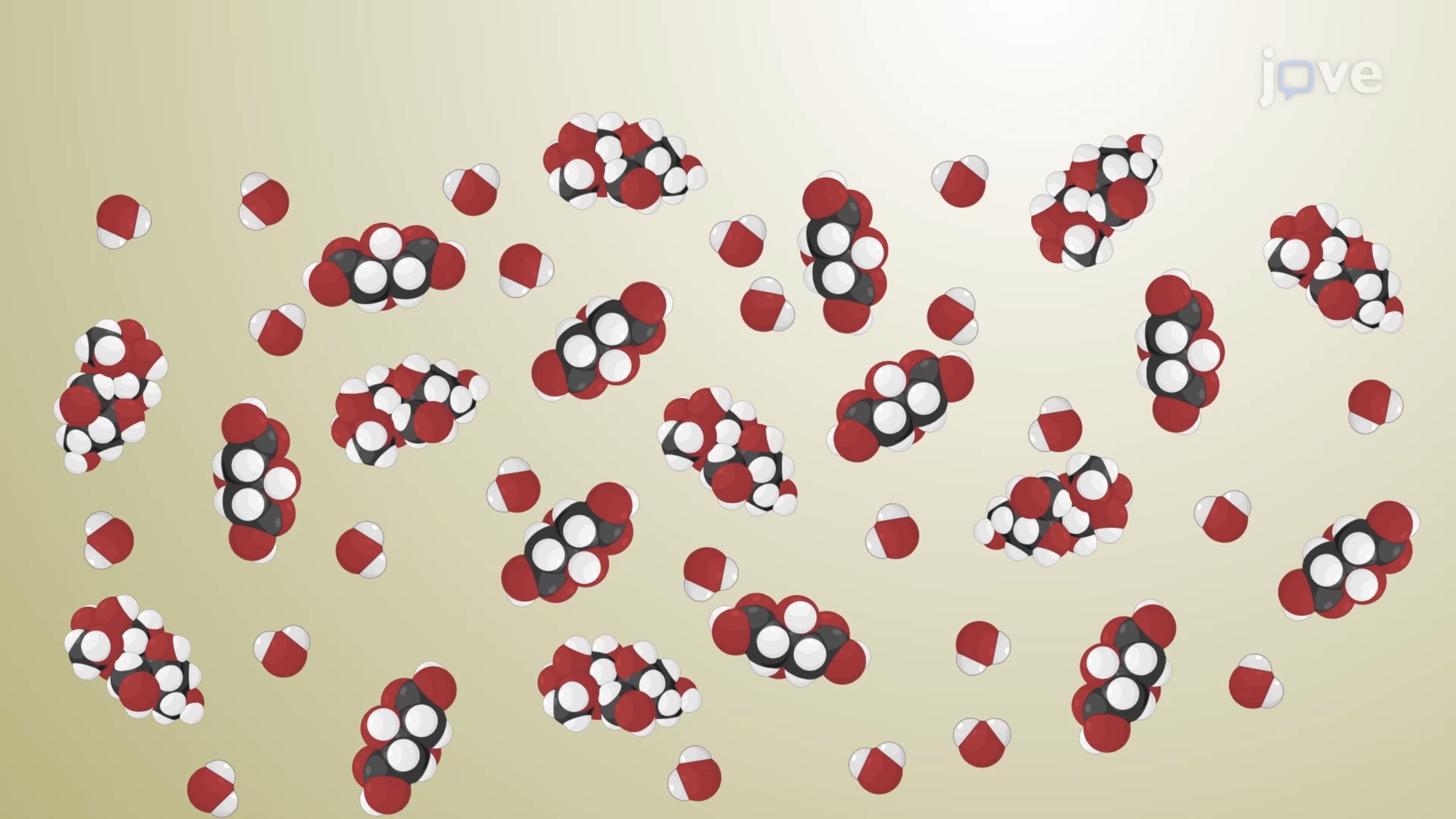
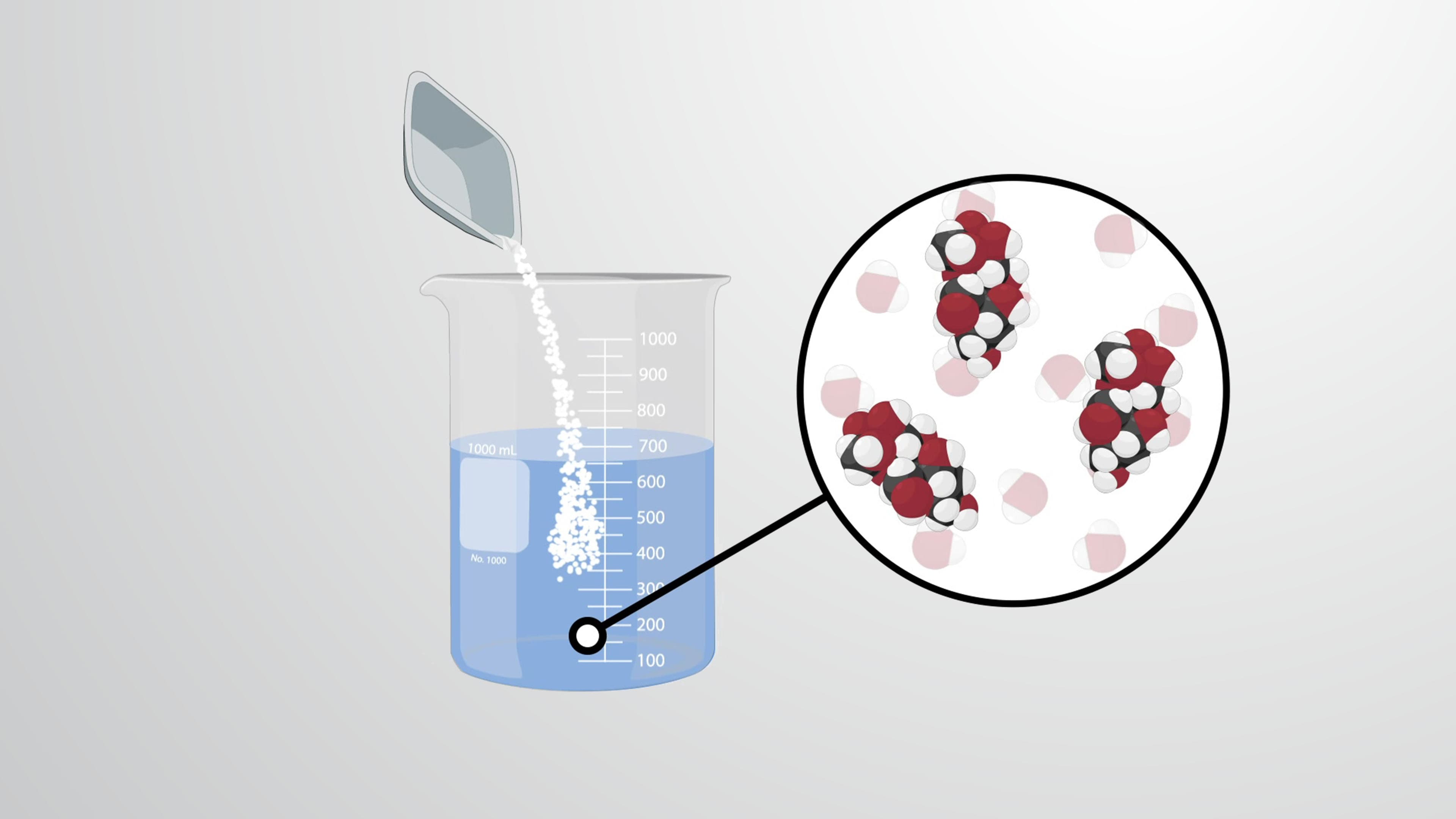
Nonelectrolytes remain as intact molecules when dissolved, producing solutions that cannot conduct electricity. Sucrose (table sugar), ethanol (rubbing alcohol), and glucose exemplify this category. Despite dissolving completely, these molecular compounds maintain their covalent bonds in aqueous solution.
Healthcare professionals regularly monitor electrolyte and nonelectrolyte solutions in patient care. Intravenous fluids contain carefully balanced electrolytes like sodium and potassium to maintain proper cellular function. Sports medicine utilizes this knowledge in formulating hydration products that replace electrolytes lost through sweating.
Industrial applications span from battery manufacturing to water treatment facilities. The automotive industry relies on strong electrolyte solutions in car batteries, while food processing companies use electrolyte principles in preservation techniques.
Students preparing for standardized tests should focus on predicting solution behavior based on molecular structure. The MCAT frequently tests electrolyte concepts in biological contexts, while AP Chemistry emphasizes quantitative calculations involving ion concentrations. College courses typically integrate this foundation with more advanced topics like electrode potentials and membrane transport.
Understanding electrolyte and nonelectrolyte solutions overview provides essential groundwork for biochemistry, where cellular processes depend on precise electrolyte balance across biological membranes.
Related Micro-courses