12 Concepts
7 Concepts
10 Concepts
13 Concepts
10 Concepts
12 Concepts
15 Concepts
8 Concepts
14 Concepts
9 Concepts
21 Concepts
13 Concepts
12 Concepts
10 Concepts
14 Concepts
15 Concepts
10 Concepts
10 Concepts
10 Concepts
10 Concepts
12 Concepts
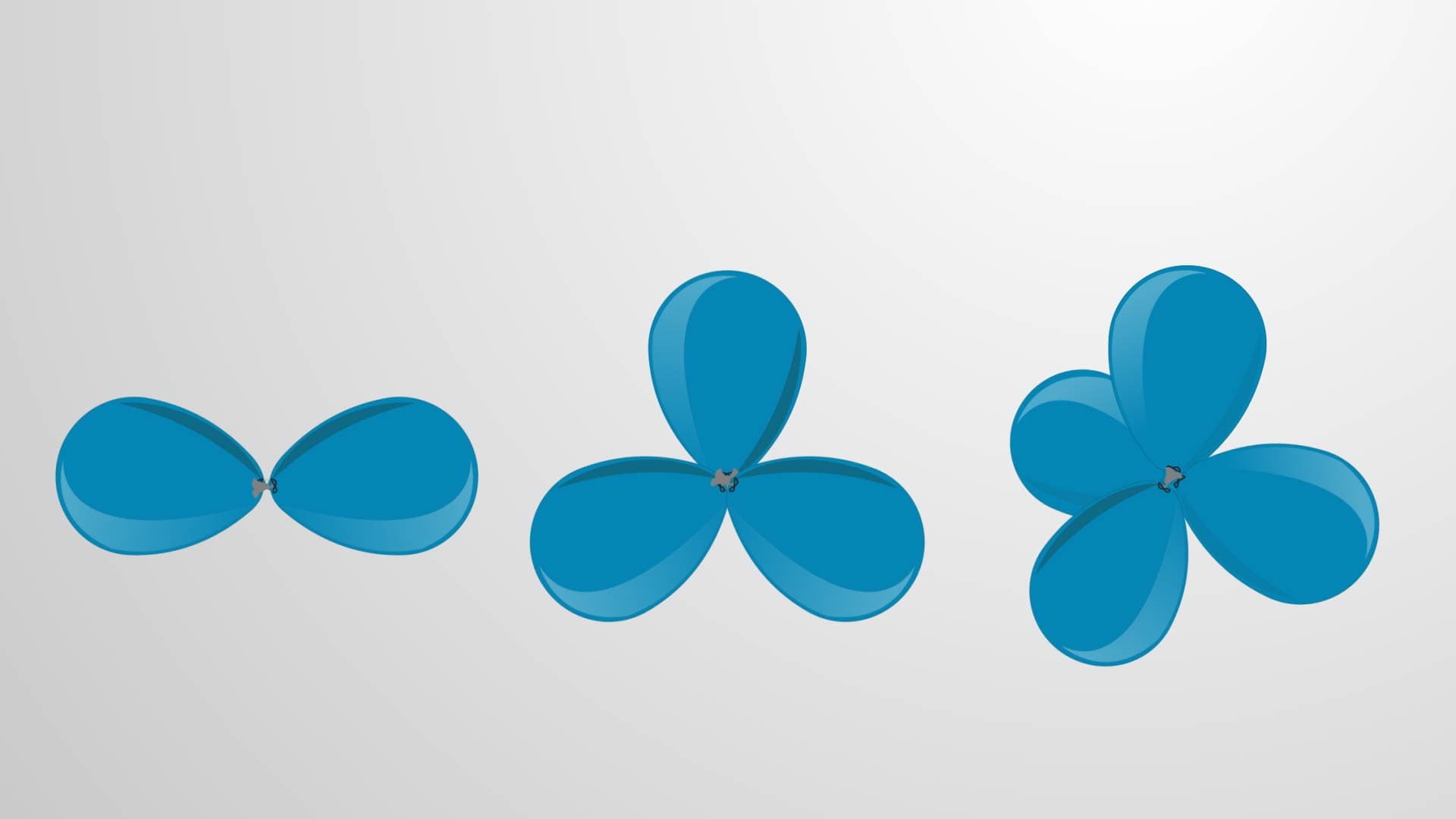
Molecular geometry determines how atoms arrange in three-dimensional space, directly impacting chemical properties and biological functions. This comprehensive course, guided by JoVE Coach, explores VSEPR theory, hybridization concepts, and advanced bonding theories used extensively in US undergraduate chemistry programs and standardized testing.
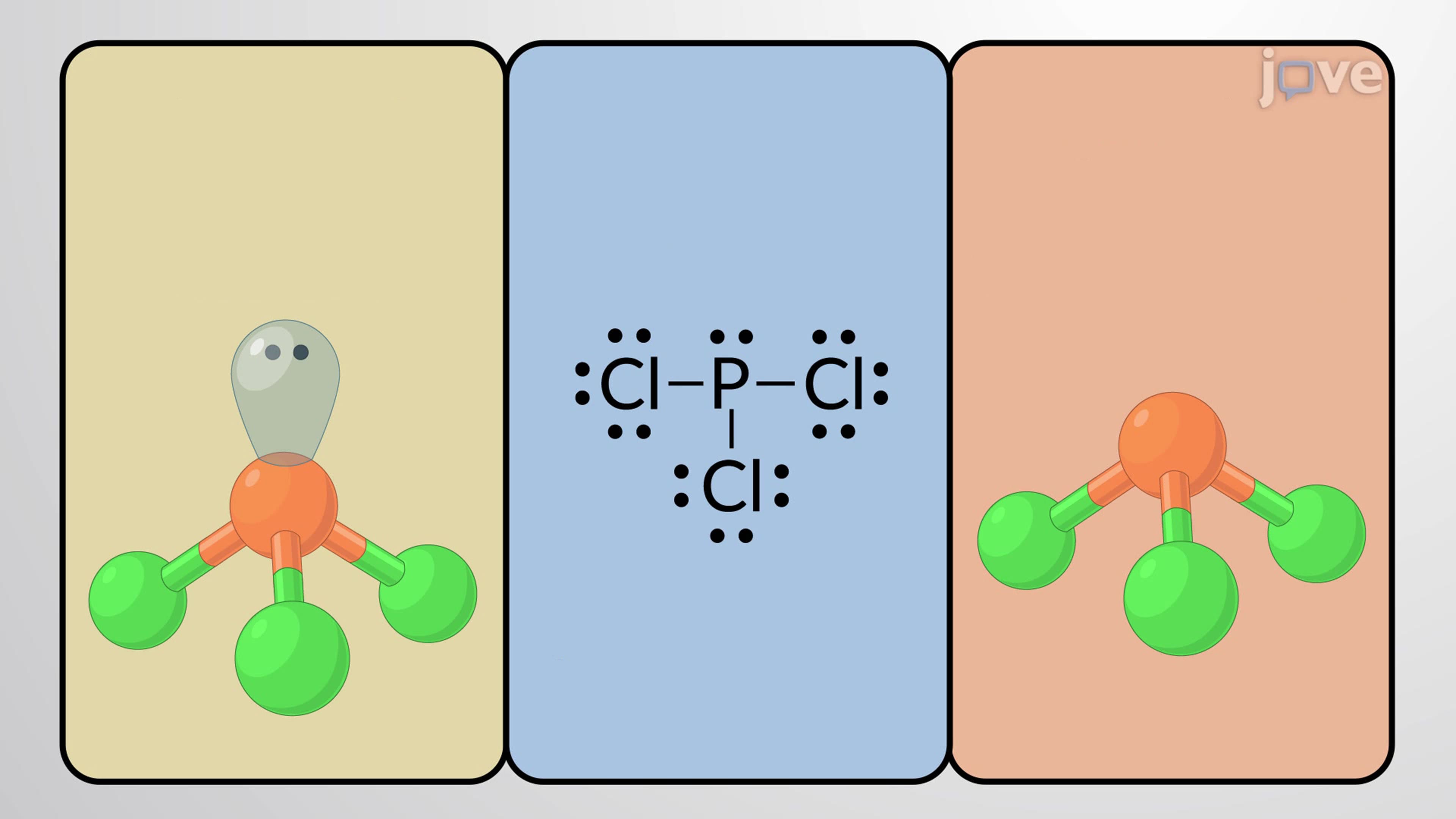
1. VSEPR Theory Fundamentals and Basic Molecular Shapes VSEPR theory predicts molecular geometry by minimizing electron-pair repulsions around central atoms. Five fundamental shapes emerge from two to six electron groups: linear (BeF₂, 180°), trigonal planar (BF₃, 120°), tetrahedral (CH₄, 109.5°), trigonal bipyramidal (PCl₅), and octahedral (SF₆, 90°). These geometric arrangements form the foundation for understanding more complex molecular structures commonly tested on standardized exams.
2. Lone Pair Effects on Molecular Architecture Lone pairs occupy more space than bonding pairs, significantly compressing bond angles and altering molecular shapes. Ammonia demonstrates tetrahedral electron-pair geometry but trigonal pyramidal molecular geometry due to one lone pair. Water exhibits bent geometry with two lone pairs further reducing the H-O-H angle. Understanding these distortions is crucial for predicting properties of biological molecules and pharmaceutical compounds.
3. Molecular Polarity and Dipole Moments Molecular polarity results from both bond polarities and geometric arrangements. Water's bent shape creates a net dipole moment, making it an excellent solvent for ionic compounds. Carbon dioxide's linear geometry cancels opposing dipole moments, rendering it nonpolar. This concept explains solubility patterns, intermolecular forces, and biological membrane interactions essential for understanding biochemical processes.
4. sp³ Hybridization and Tetrahedral Geometry Carbon's ground-state electron configuration cannot explain its four equivalent bonds in methane. sp³ hybridization involves mixing one 2s and three 2p orbitals to create four equivalent hybrid orbitals with 109.5° angles. This concept explains the three-dimensional structure of organic molecules, including biomolecules like glucose and amino acids, fundamental to understanding biochemistry and organic chemistry mechanisms.
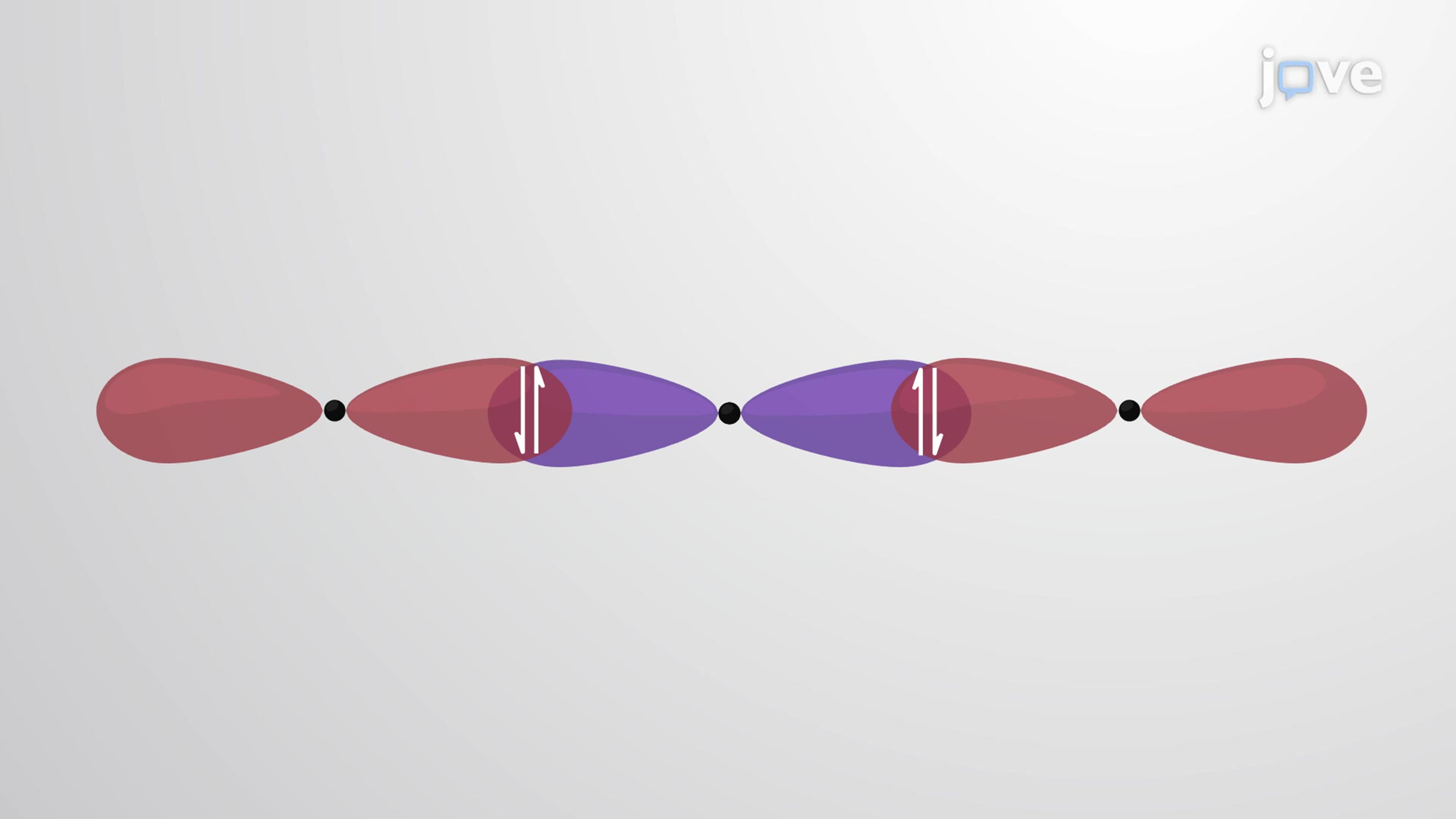
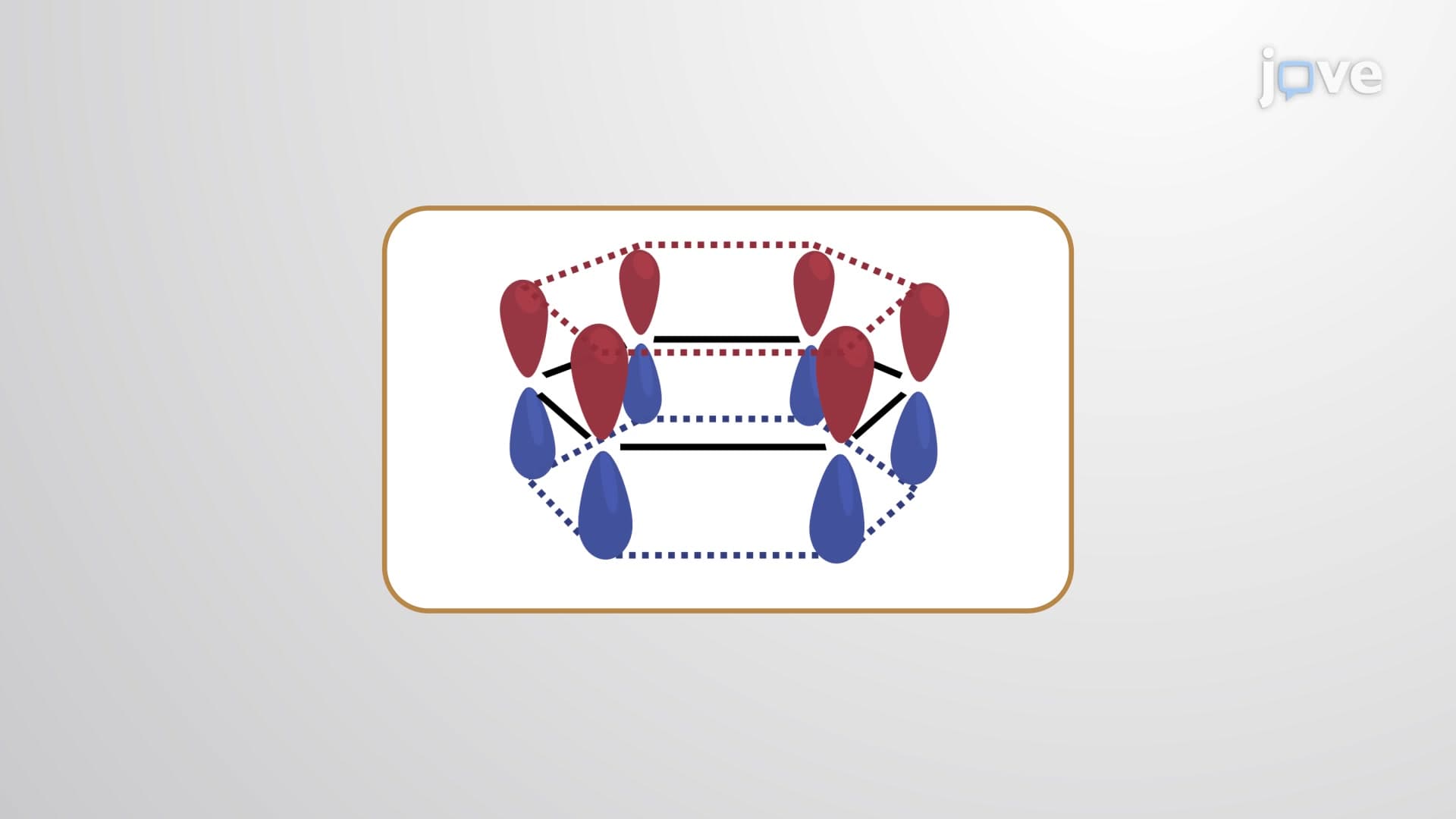
5. Multiple Bond Formation and Advanced Hybridization Double and triple bonds require different hybridization schemes. Ethene (C₂H₄) uses sp² hybridization with one σ and one π bond, while ethyne (C₂H₂) employs sp hybridization with one σ and two π bonds. These concepts explain the rigidity of double bonds, the linear geometry of triple bonds, and the planar structure of aromatic compounds like benzene, crucial for understanding organic reaction mechanisms.
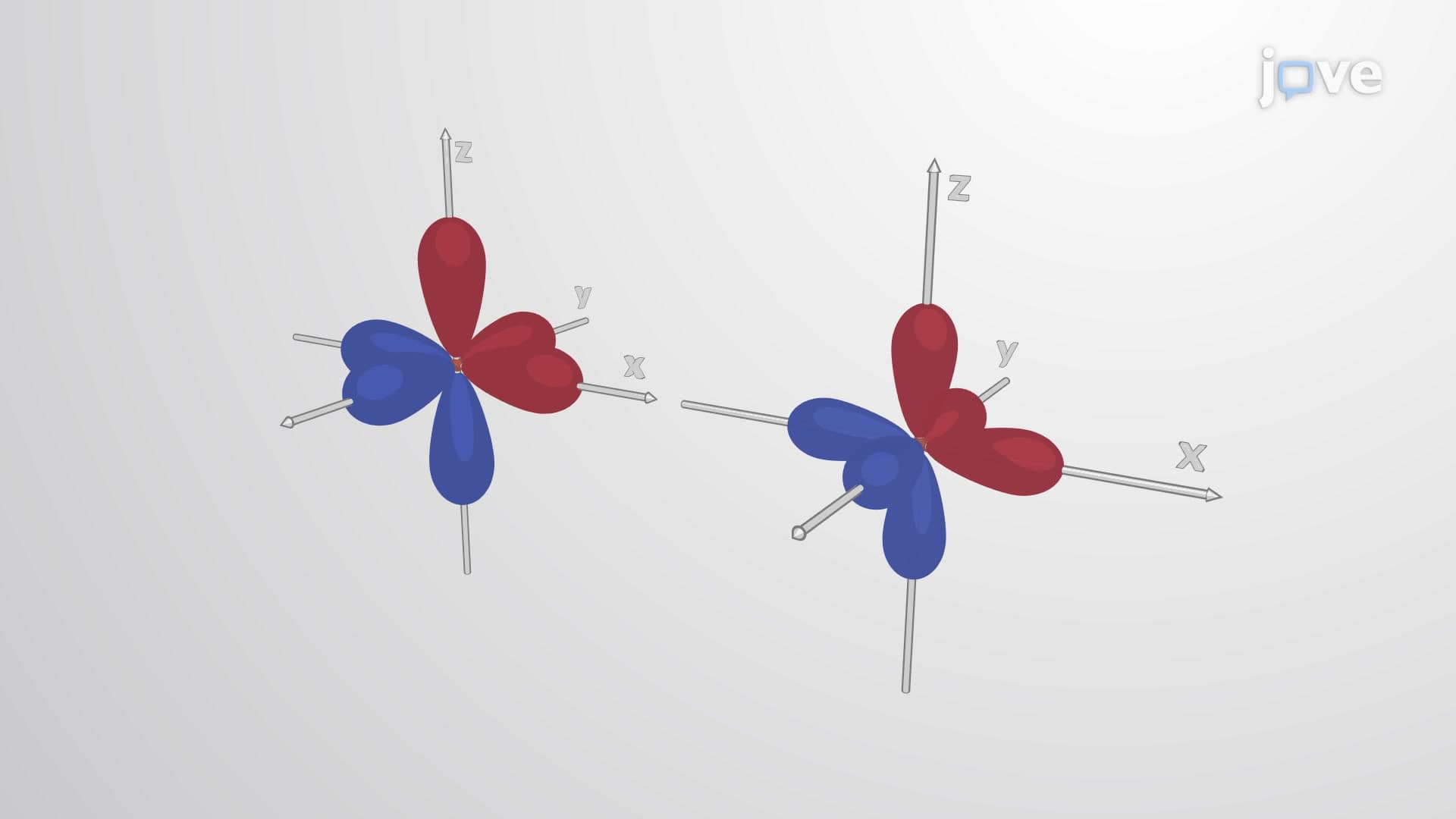
6. Molecular Orbital Theory and Bond Order MO theory describes electron distribution throughout entire molecules rather than localized bonds. Constructive interference creates bonding orbitals (lower energy), while destructive interference forms antibonding orbitals (higher energy). Bond order calculations [(bonding electrons - antibonding electrons)/2] predict molecular stability and magnetic properties, explaining why He₂ doesn't exist but H₂ forms stable bonds with bond order 1.