Loading video…


 8 Concepts
 290.6K views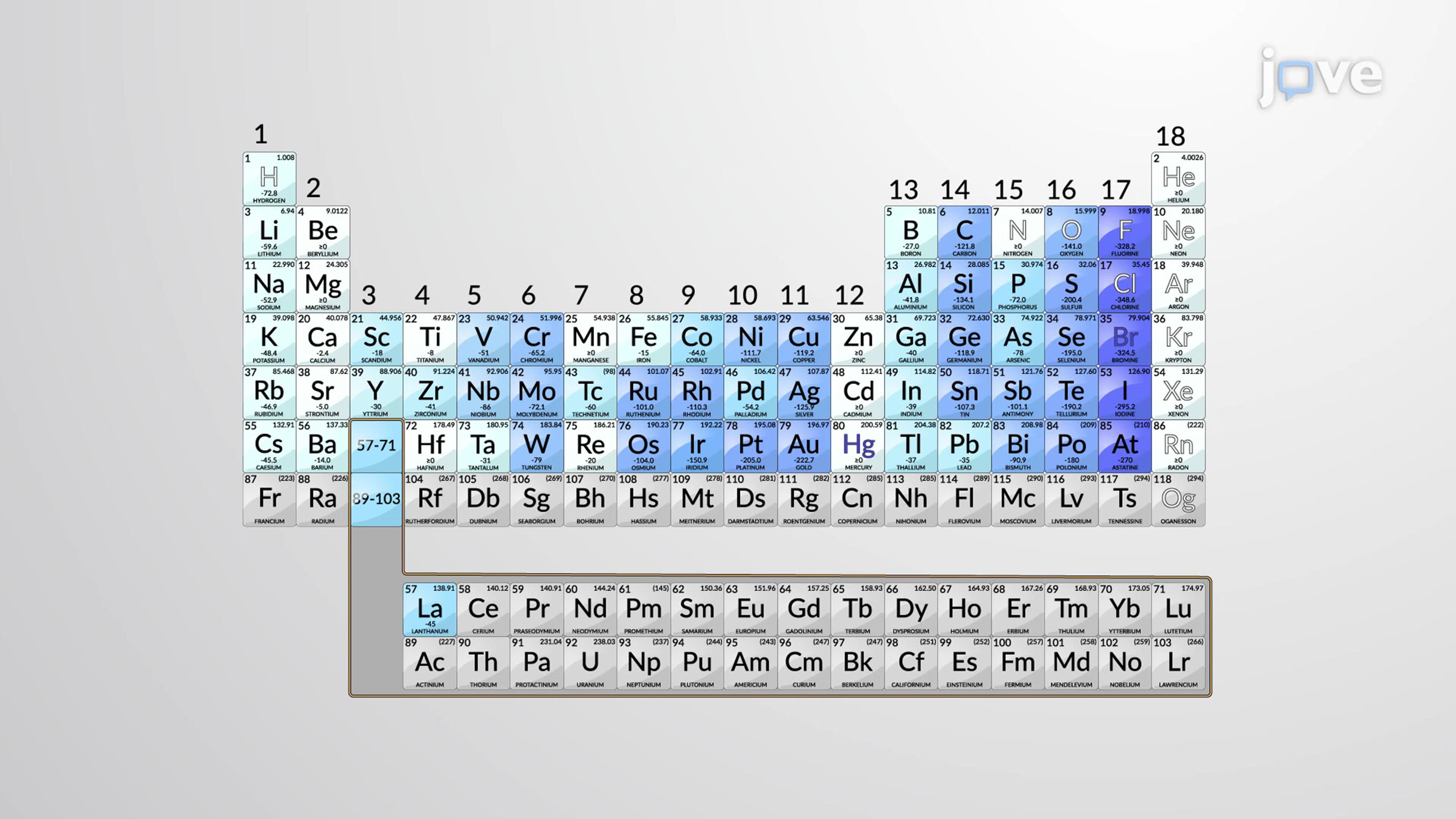

Video Summary: What Is Electron Affinity
Ever wonder why chlorine gas is so reactive it's used in swimming pools as a disinfectant? The answer lies in electron affinity, the energy change when an atom gains an electron. Chlorine's exceptionally high electron affinity of -348.6 kJ/mol drives its aggressive chemical behavior, making it perfect for sanitizing water systems across the United States. What is Electron Affinity reveals how this fundamental atomic property governs chemical reactivity and periodic trends. Watch the full video on JoVE Coach to master this concept with expert-led visuals and step-by-step explanations.
Electron affinity represents the energy change when a neutral gaseous atom gains an electron to form an anion. This fundamental atomic property quantifies how readily an atom accepts additional electrons, directly influencing chemical bonding and reactivity patterns. Unlike ionization energy, which measures electron removal difficulty, electron affinity focuses on electron addition processes.
The sign convention for electron affinity values provides crucial insight: negative values indicate exothermic processes where energy is released, while positive values represent endothermic processes requiring energy input. For instance, chlorine's electron affinity of -348.6 kJ/mol means substantial energy release accompanies chloride ion formation, explaining chlorine's aggressive reactivity in applications from water treatment to pharmaceutical manufacturing.
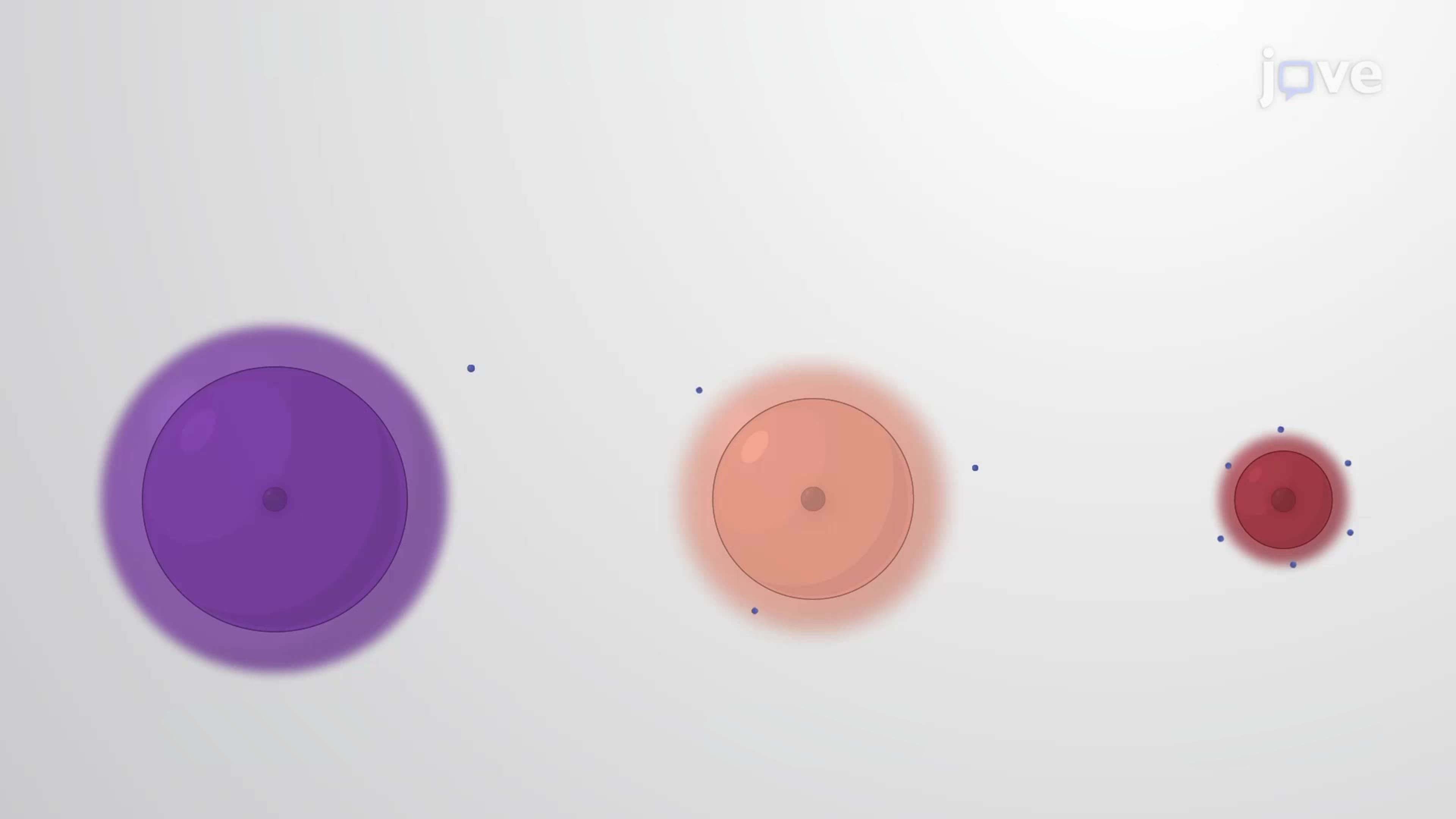
Moving across periods from left to right, electron affinities generally become more negative due to increasing nuclear charge. This trend explains why pharmaceutical companies utilize halogen-containing compounds extensively, halogens readily accept electrons, forming stable ionic bonds crucial for drug efficacy and bioavailability.
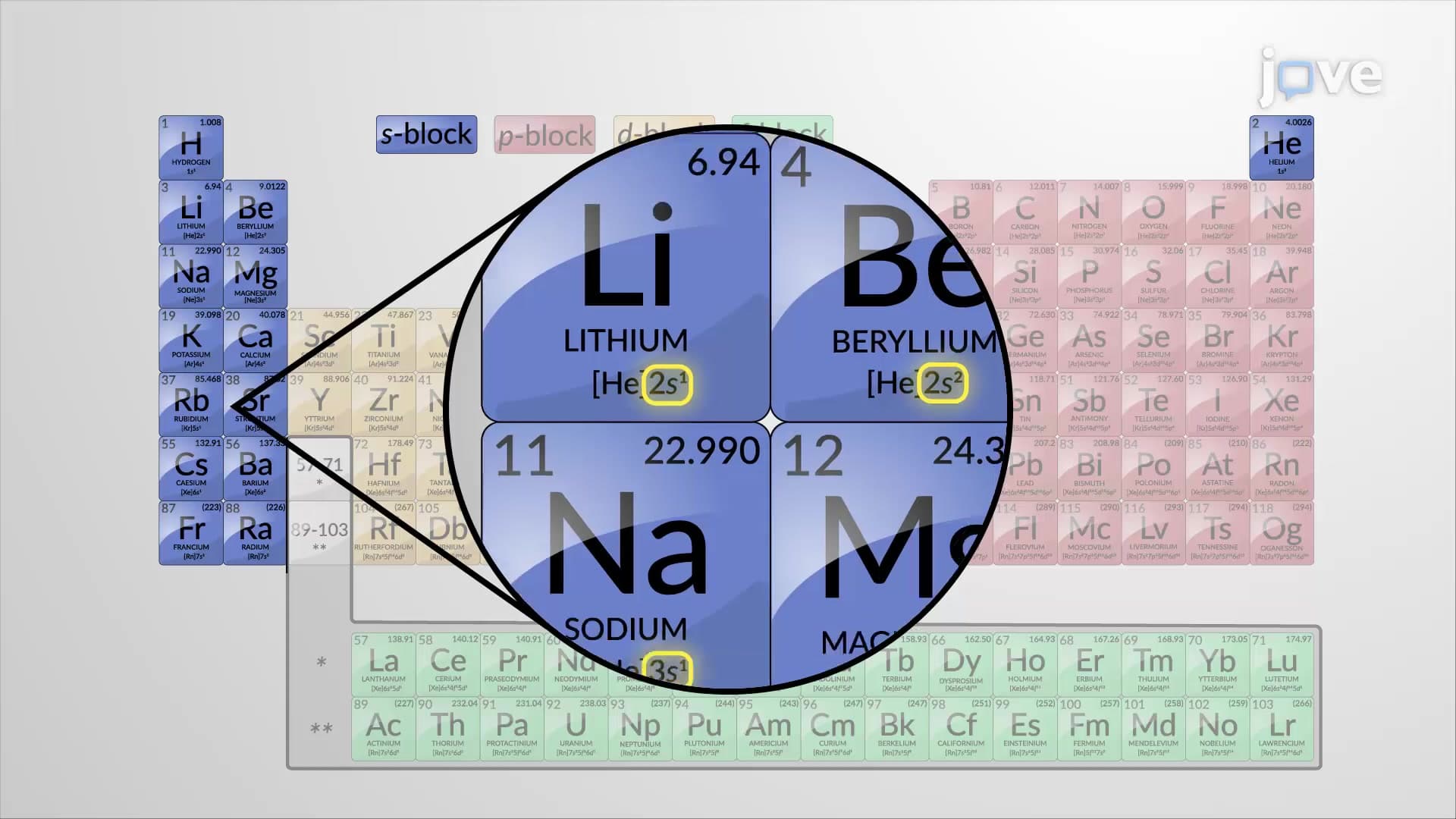
However, significant exceptions exist. Group 2 elements (alkaline earth metals) show positive or weakly negative electron affinities because incoming electrons must occupy higher-energy orbitals. Similarly, noble gases require energy input for electron addition since their complete electron shells force new electrons into higher principal energy levels.
Group 15 elements present another fascinating exception. Phosphorus exhibits less negative electron affinity than silicon because phosphorus has a half-filled p-subshell configuration. Adding an electron requires pairing with an existing electron, increasing electron-electron repulsion and making the process less favorable energetically.
Understanding electron affinity proves essential for AP Chemistry students tackling periodic trends questions and college students in general chemistry courses. The MCAT frequently tests electron affinity concepts in passages about pharmaceutical development and biochemical processes.
Industrial applications abound in the United States: semiconductor manufacturing relies on precisely controlled electron affinities of dopant materials like boron and phosphorus. Environmental engineers utilize electron affinity principles when designing water treatment systems, selecting materials based on their electron-accepting capabilities.
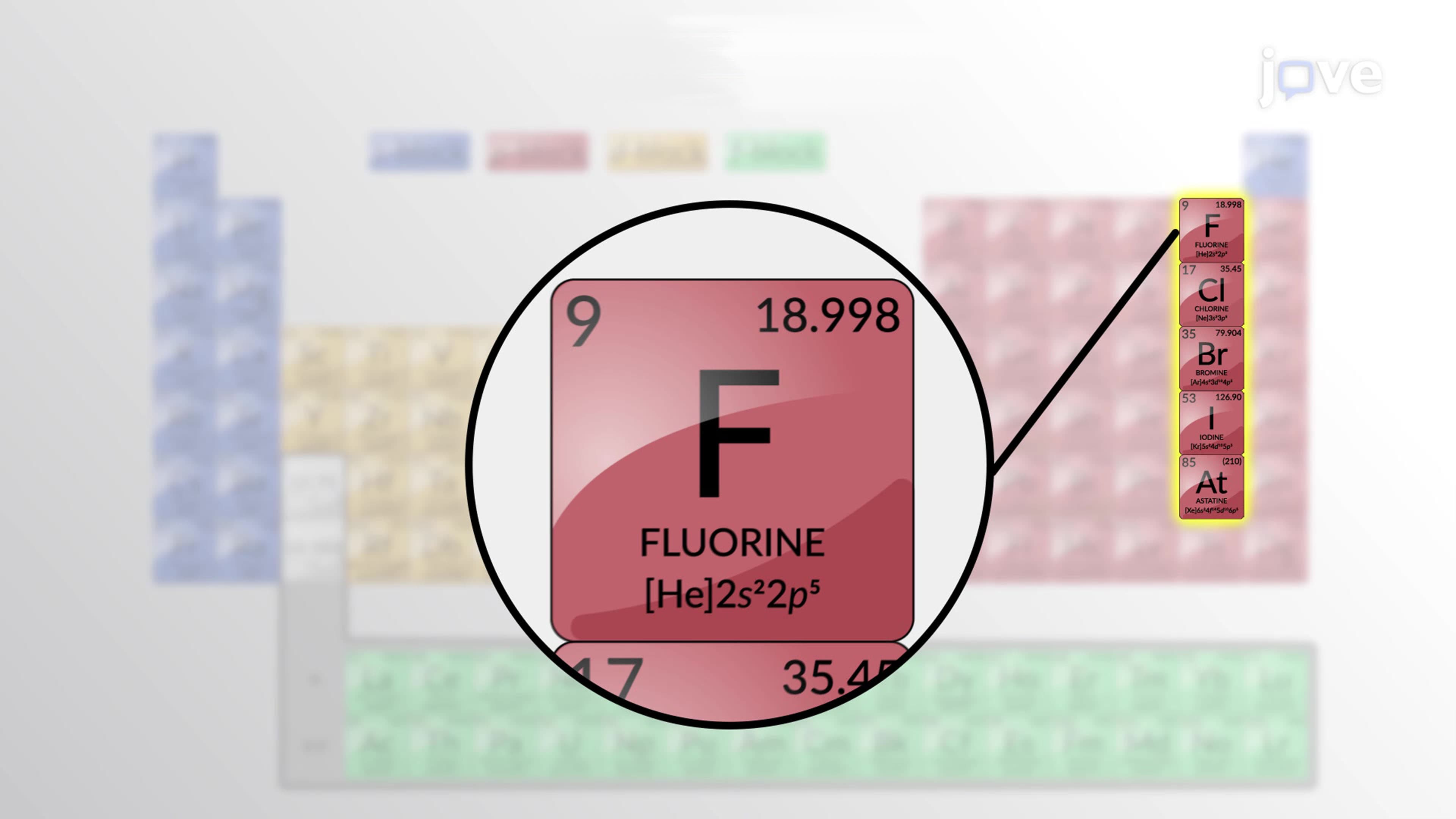
The fluorine-chlorine exception frequently appears on standardized tests, requiring students to explain why smaller fluorine has less negative electron affinity than chlorine despite greater nuclear charge. This counterintuitive result demonstrates how electron-electron repulsion can override nuclear attraction effects.
Related Micro-courses