Loading video…


 8 Concepts
 290.6K views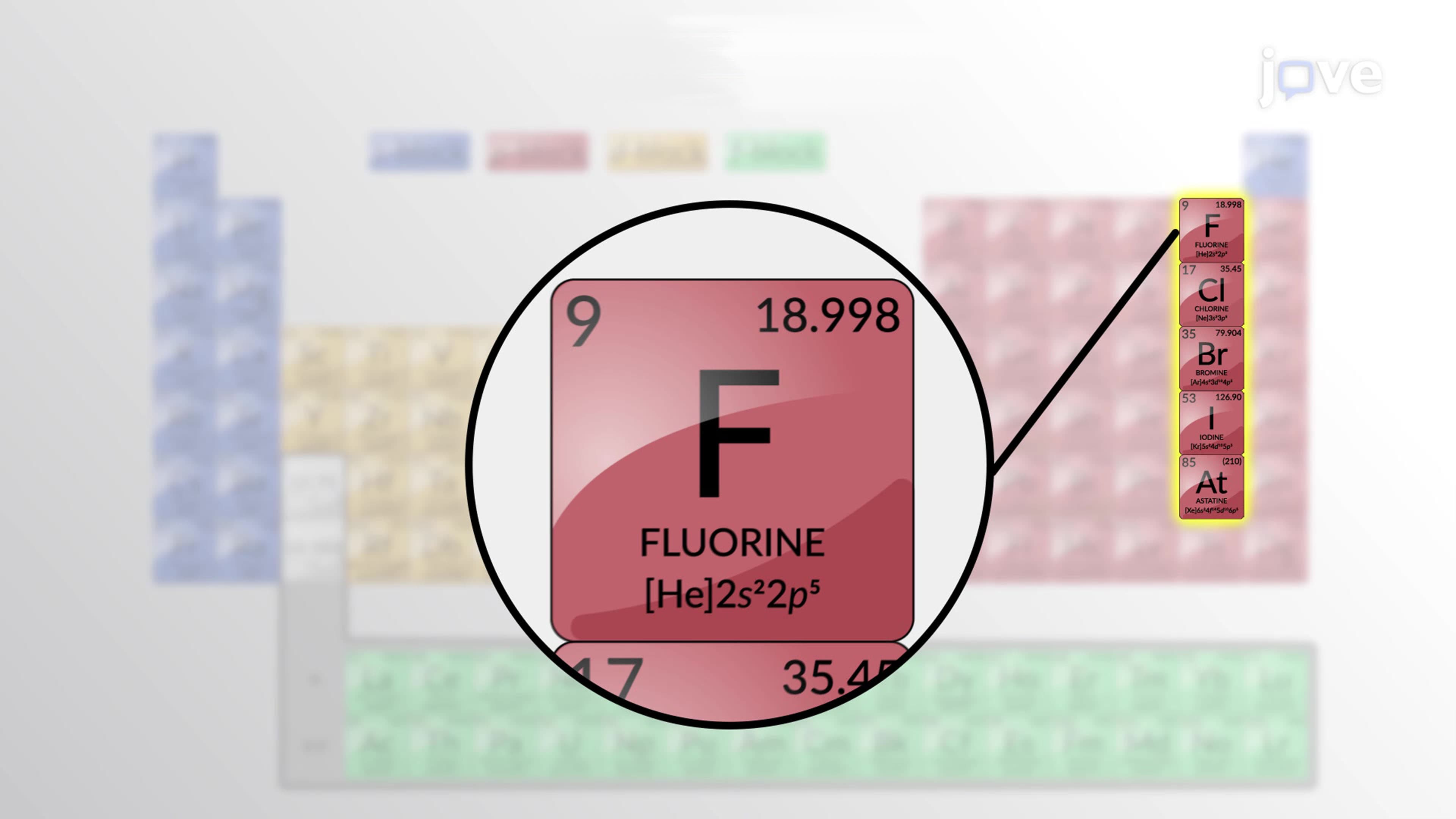

Video Summary: What are Halogens
Ever wonder why your swimming pool stays sanitized or how table salt forms its distinctive crystals? Halogens are the reactive chemical elements responsible for these everyday phenomena. These five nonmetallic elements-fluorine, chlorine, bromine, iodine, and astatine-make up Group 17 of the periodic table and are essential in everything from water treatment facilities across the United States to the production of common household products. Watch the full video on JoVE Coach to master this concept with expert-led visuals and step-by-step explanations.
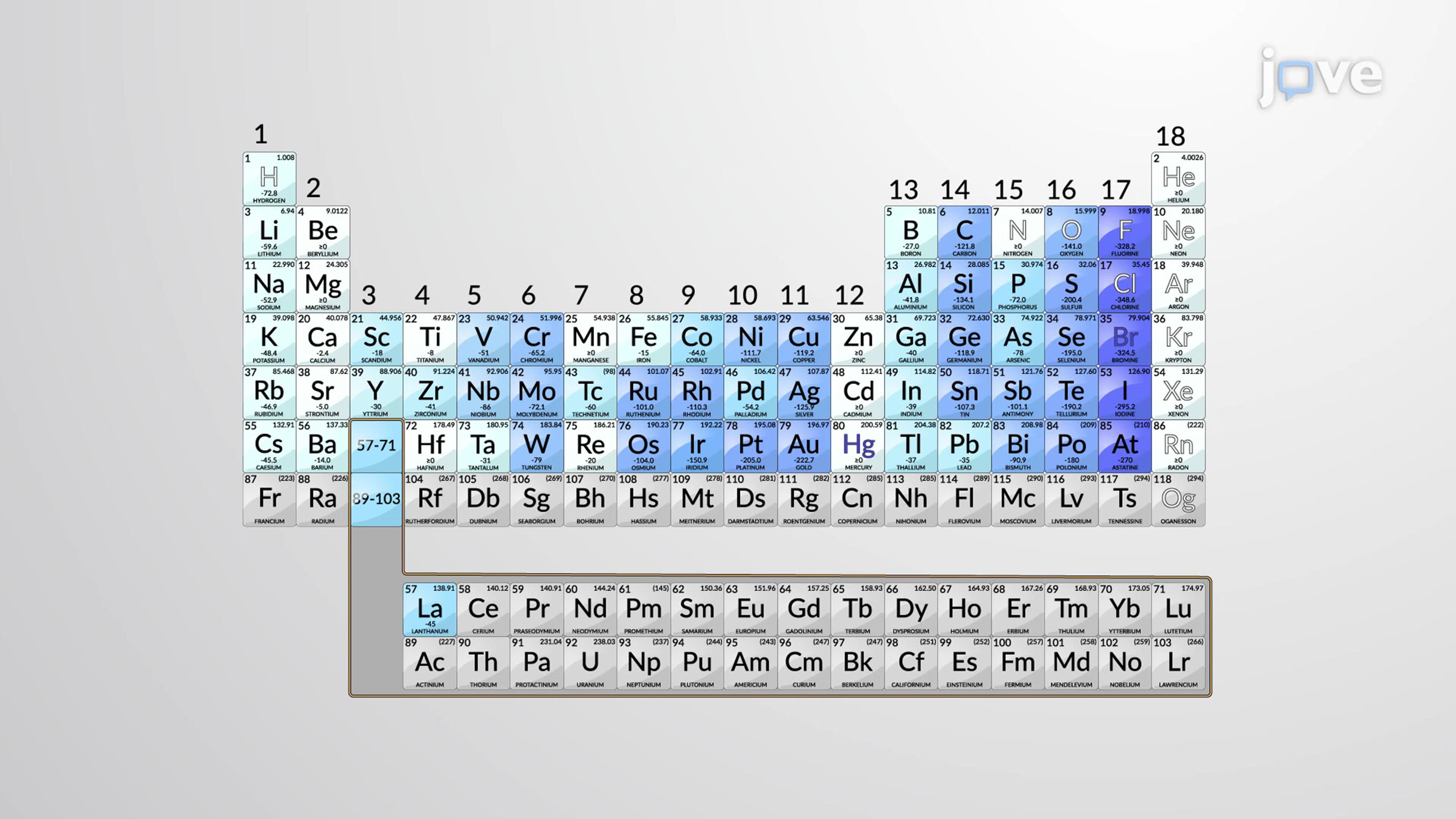
Halogens represent one of the most chemically significant groups in the periodic table, consisting of fluorine (F), chlorine (Cl), bromine (Br), iodine (I), and the rare element astatine (At). These elements occupy Group 17 and share fundamental characteristics that make them industrially valuable and academically important for students preparing for AP Chemistry, college general chemistry courses, and standardized tests like the MCAT.
The types of halogens exhibit a fascinating progression of physical states at room temperature. Fluorine and chlorine exist as gases, with fluorine appearing as a pale yellow gas and chlorine as a greenish-yellow gas. Bromine stands out as the only liquid nonmetal at room temperature, displaying a distinctive reddish-brown color. Iodine forms dark purple-black crystals that sublimate directly into violet vapor. This pattern reflects increasing molecular weight and stronger intermolecular forces down the group.
The atomic radius increases systematically from fluorine to iodine, following typical periodic trends. Correspondingly, melting and boiling points increase down the group due to stronger van der Waals forces between larger atoms. These trends frequently appear on standardized chemistry exams, making them essential for test preparation.
Understanding halogens requires examining their electron configuration: each halogen possesses seven valence electrons, just one short of achieving a stable noble gas configuration. This electron deficiency drives their high electronegativity and aggressive tendency to gain electrons, making them powerful oxidizing agents.
Fluorine tops the electronegativity scale at 4.0, making it the most reactive element known. This extreme reactivity explains why fluorine compounds like sodium fluoride are added to municipal water supplies across American cities for dental health. Chlorine, while less reactive than fluorine, remains highly oxidizing and serves as the primary disinfectant in water treatment plants nationwide.
Halogens play crucial roles in American industry and daily life. Chlorine production at facilities like those operated by Dow Chemical supports everything from PVC plastic manufacturing to pharmaceutical synthesis. Bromine compounds serve as flame retardants in electronics and textiles, while iodine remains essential for thyroid hormone production and medical imaging procedures in hospitals across the United States.
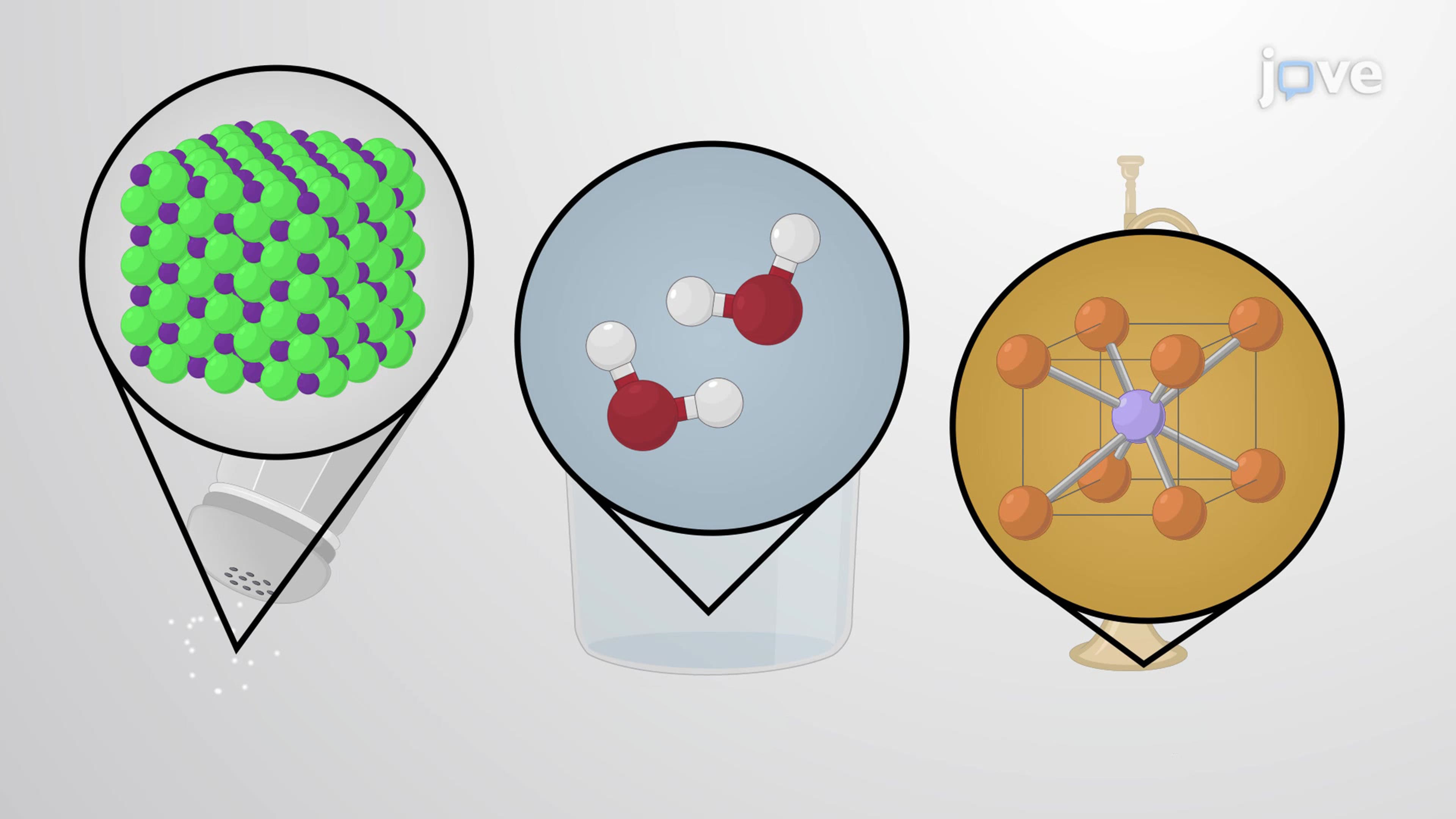
Students studying for the AP Chemistry exam should focus on halogen reaction mechanisms, particularly their formation of ionic compounds with metals (like sodium chloride) and covalent hydrogen halides (such as hydrochloric acid). These reaction types consistently appear in both multiple-choice and free-response sections of standardized chemistry assessments.
Related Micro-courses