Loading subject page…


774,425 views

Video Summary: The Quantum Mechanical Model of Explained
Did you know that electrons don't orbit atoms like planets around the sun, but exist as probability clouds? The quantum mechanical model of the atom revolutionized our understanding by replacing fixed electron paths with statistical regions called orbitals. This breakthrough explains how MRI machines at hospitals like Johns Hopkins use quantum principles to create detailed images of human tissue. Watch the full video on JoVE Coach to master this concept with expert-led visuals and step-by-step explanations.
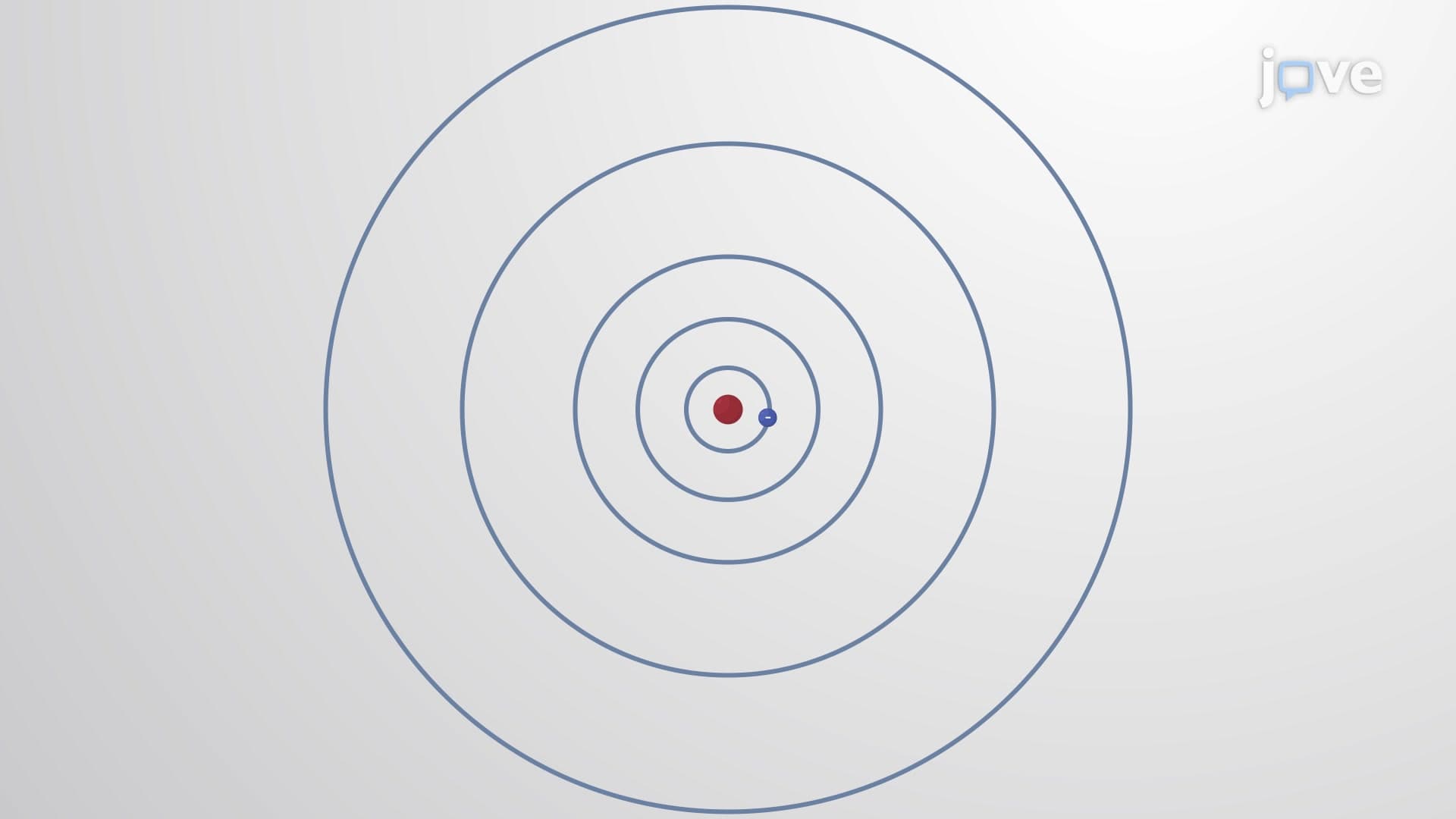
The quantum mechanical model represents the most accurate description of atomic structure available to modern science. Unlike earlier atomic theories that depicted electrons as particles following predetermined paths, this model embraces the fundamental uncertainty inherent in subatomic particles. When Niels Bohr proposed his atomic model in 1913, he suggested electrons traveled in fixed circular orbits-much like planets orbiting the sun. However, advances in quantum physics revealed this classical approach was fundamentally flawed.
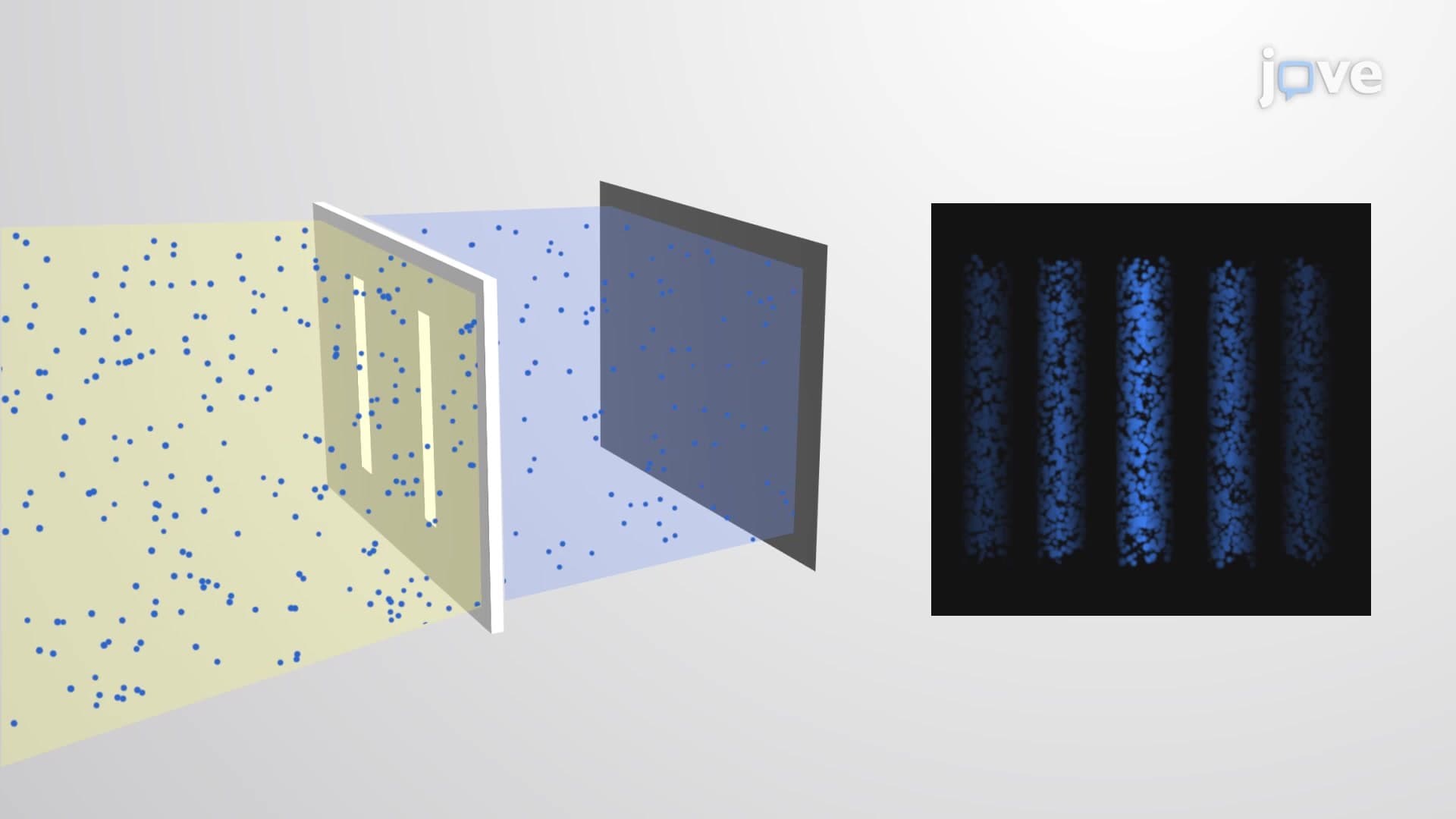
The foundation of quantum mechanics rests on a counterintuitive concept: electrons simultaneously exhibit both wave and particle characteristics. This wave-particle duality means that measuring an electron's exact position makes its momentum (and therefore velocity) uncertain, and vice versa. Werner Heisenberg formalized this relationship in his uncertainty principle, which states that the more precisely we know one property, the less precisely we can know its complementary property. For students preparing for the AP Chemistry exam or college general chemistry courses, understanding this principle is crucial for grasping why electrons exist in probability clouds rather than defined paths.
Erwin Schrödinger developed his famous wave equation in 1926 to mathematically describe electron behavior in atoms. The equation (HΨ = EΨ) incorporates both wave and particle properties, where Ψ (psi) represents the wave function, H is the Hamiltonian operator, and E represents energy. While solving this equation requires advanced calculus typically encountered in physical chemistry courses, the key insight for introductory students is that the square of the wave function (Ψ²) gives the probability density of finding an electron at any specific location around the nucleus.
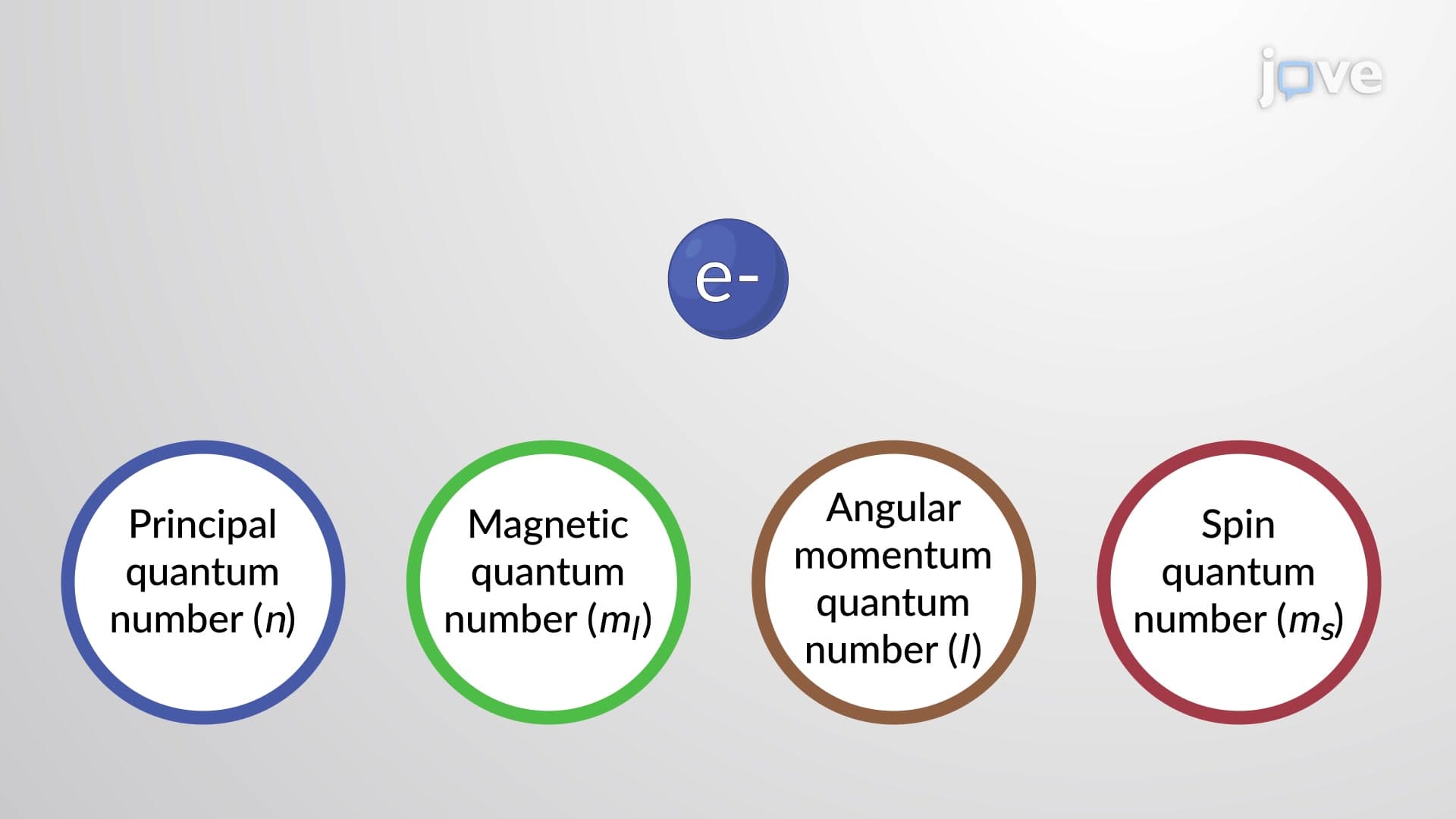
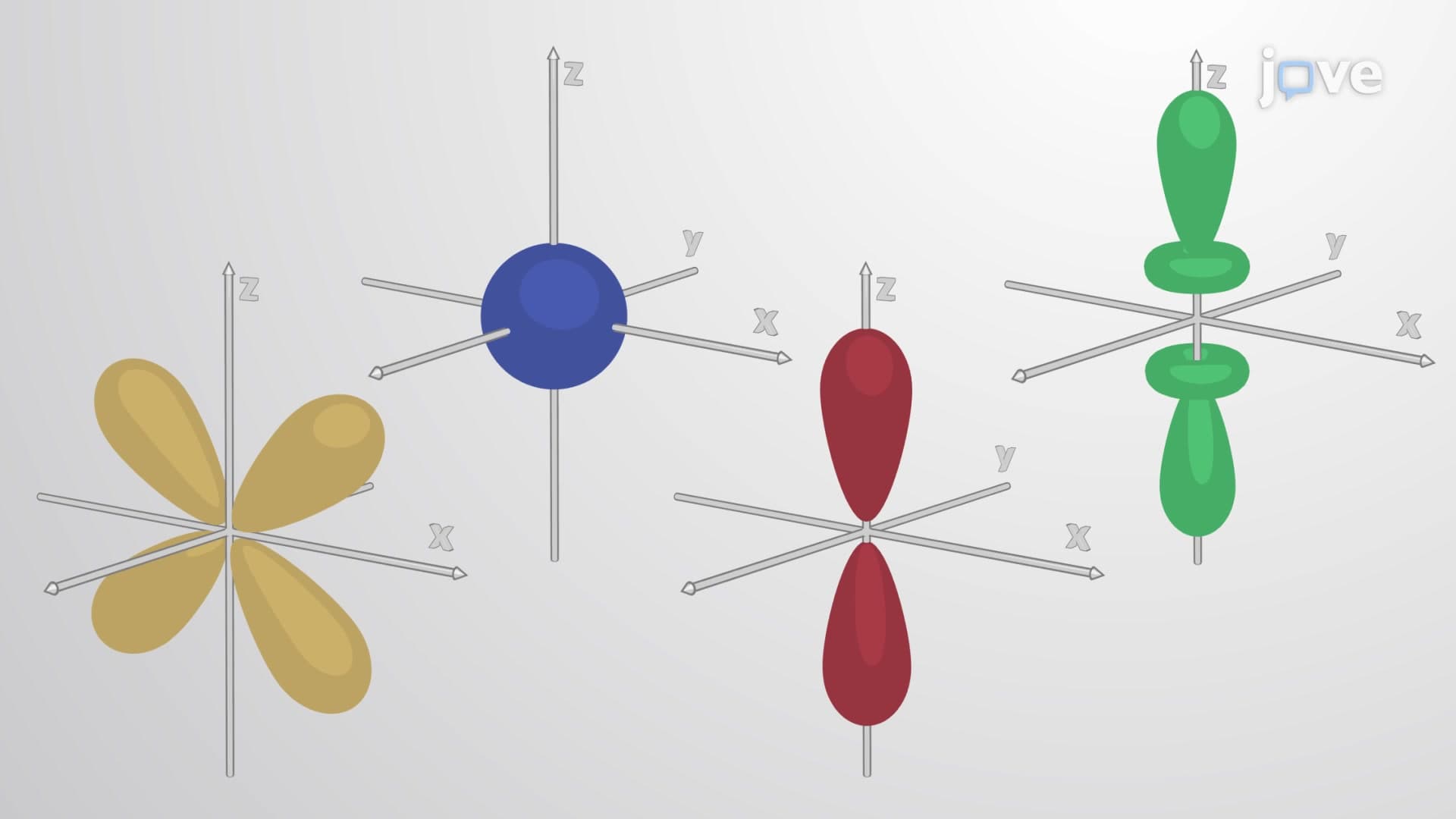
Rather than following fixed orbits, electrons occupy three-dimensional regions called orbitals where the probability of finding them is highest. These orbitals have distinct shapes-spherical s orbitals, dumbbell-shaped p orbitals, and more complex d and f orbitals-determined by quantum numbers. This concept appears frequently on standardized tests like the SAT Subject Test in Chemistry and is fundamental to understanding chemical bonding patterns that explain everything from water's unique properties to the effectiveness of pharmaceutical drugs developed by companies like Pfizer and Merck in the United States.
Related Micro-courses