Loading subject page…


389,002 views


Video Summary: What are Voltaic Galvanic Cells
Ever wonder how your smartphone battery converts chemical energy into electrical power? Voltaic galvanic cells are electrochemical devices that harness spontaneous chemical reactions to generate electricity through electron transfer. From the lithium-ion batteries in Tesla vehicles to the alkaline batteries powering smoke detectors across American homes, these fundamental electrochemical systems drive countless technologies we rely on daily. Understanding what are voltaic galvanic cells reveals the science behind portable power generation and energy storage. Watch the full video on JoVE Coach to master this concept with expert-led visuals and step-by-step explanations.
Voltaic galvanic cells represent one of chemistry's most practical applications, transforming spontaneous chemical reactions into usable electrical energy. Named after Luigi Galvani and Alessandro Volta, these electrochemical devices form the backbone of modern portable power systems, from the AA batteries in your TV remote to the sophisticated lithium-ion cells powering electric vehicles manufactured by companies like General Motors and Ford.
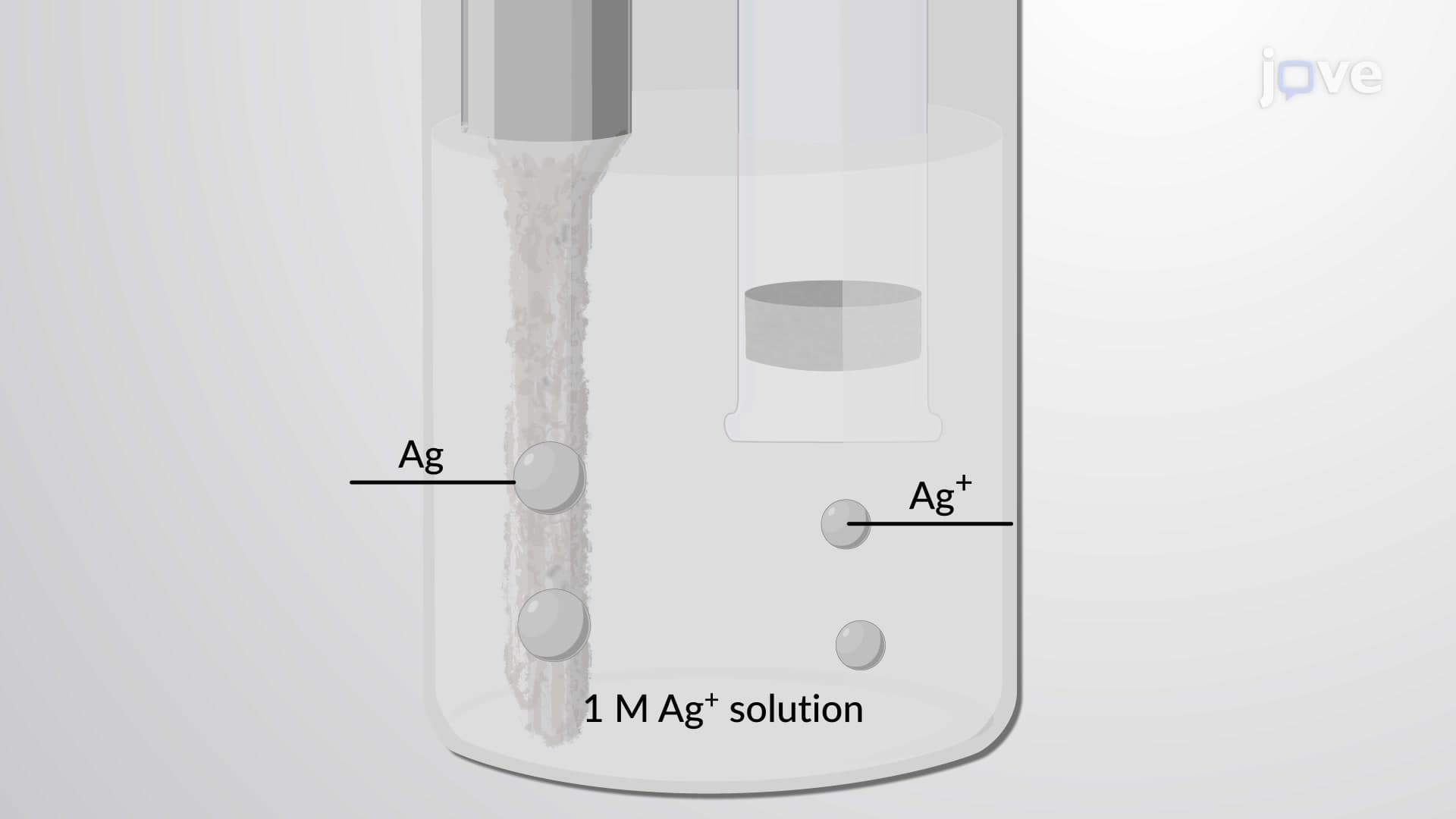
The voltaic galvanic cells basics center on a deceptively simple design: two separate half-cells connected by an external circuit and a salt bridge. Each half-cell contains a metal electrode immersed in an electrolyte solution containing ions of that metal. For example, a copper electrode sits in copper sulfate solution while a silver electrode resides in silver nitrate solution. This physical separation is crucial-it forces electrons to travel through the external circuit rather than transferring directly between reactants.
The salt bridge, typically containing potassium chloride or sodium nitrate in an agar gel, serves as an ionic highway. As electrons flow through the external circuit, positive ions accumulate in one half-cell while negative ions build up in the other. Without the salt bridge's ion migration, this charge imbalance would quickly halt the reaction, similar to how a traffic jam stops vehicle movement.
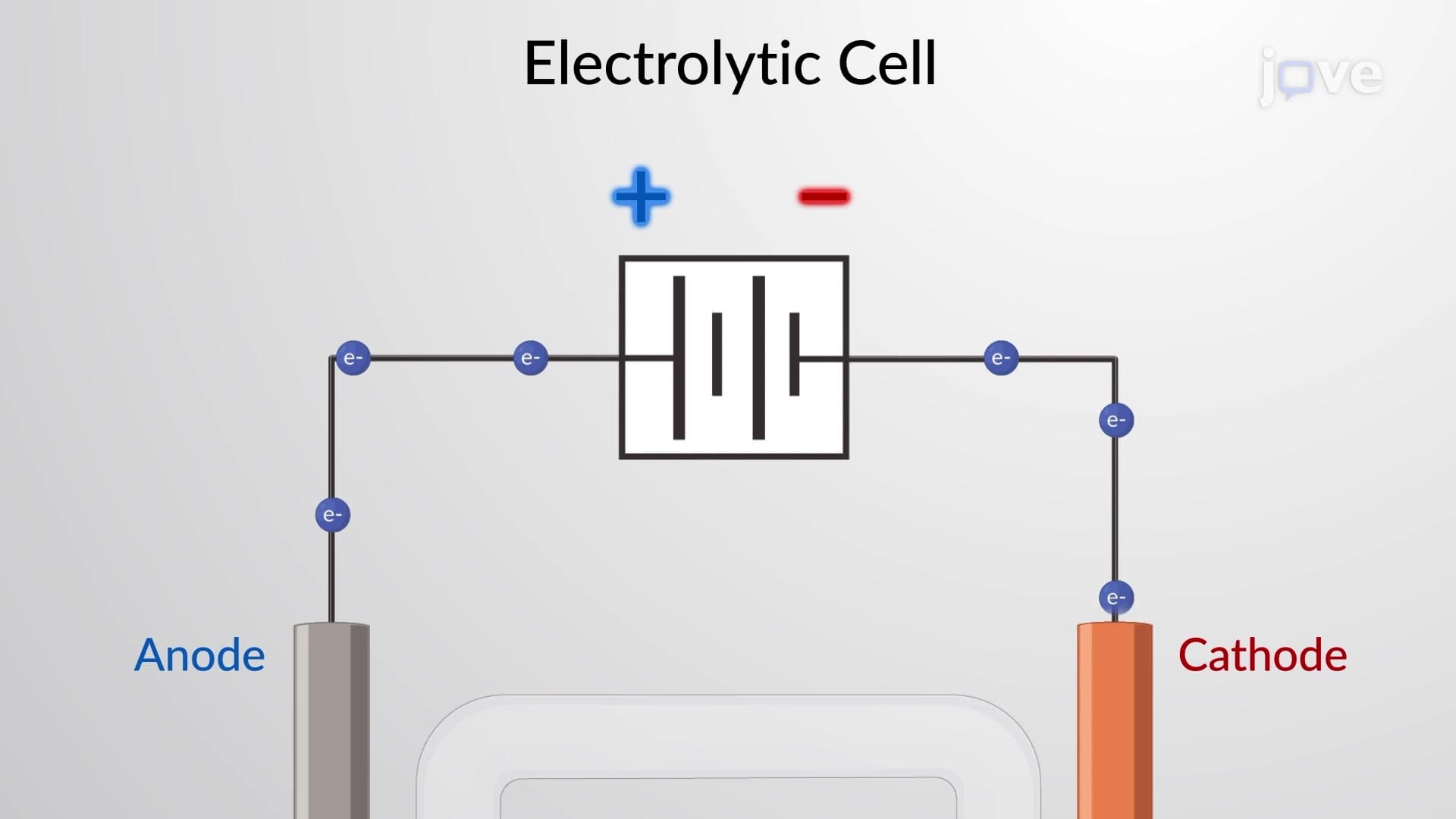
Understanding types of voltaic galvanic cells requires mastering electrode terminology. The anode, where oxidation occurs, always carries a negative charge in galvanic cells. Here, atoms lose electrons, creating positive ions. Conversely, the cathode hosts reduction reactions, carrying a positive charge as it attracts electrons flowing through the external circuit. This conventional assignment often confuses students preparing for AP Chemistry exams, but remembering "An Ox, Red Cat" (Anode Oxidation, Reduction Cathode) provides a reliable mnemonic.
Electrochemists use standardized notation to describe galvanic cells concisely. The format places oxidation components on the left, reduction on the right, with double vertical lines (||) representing the salt bridge. Single vertical lines (|) indicate phase boundaries between solids and solutions. This notation appears frequently on MCAT practice tests and college chemistry exams, making mastery essential for pre-medical students.
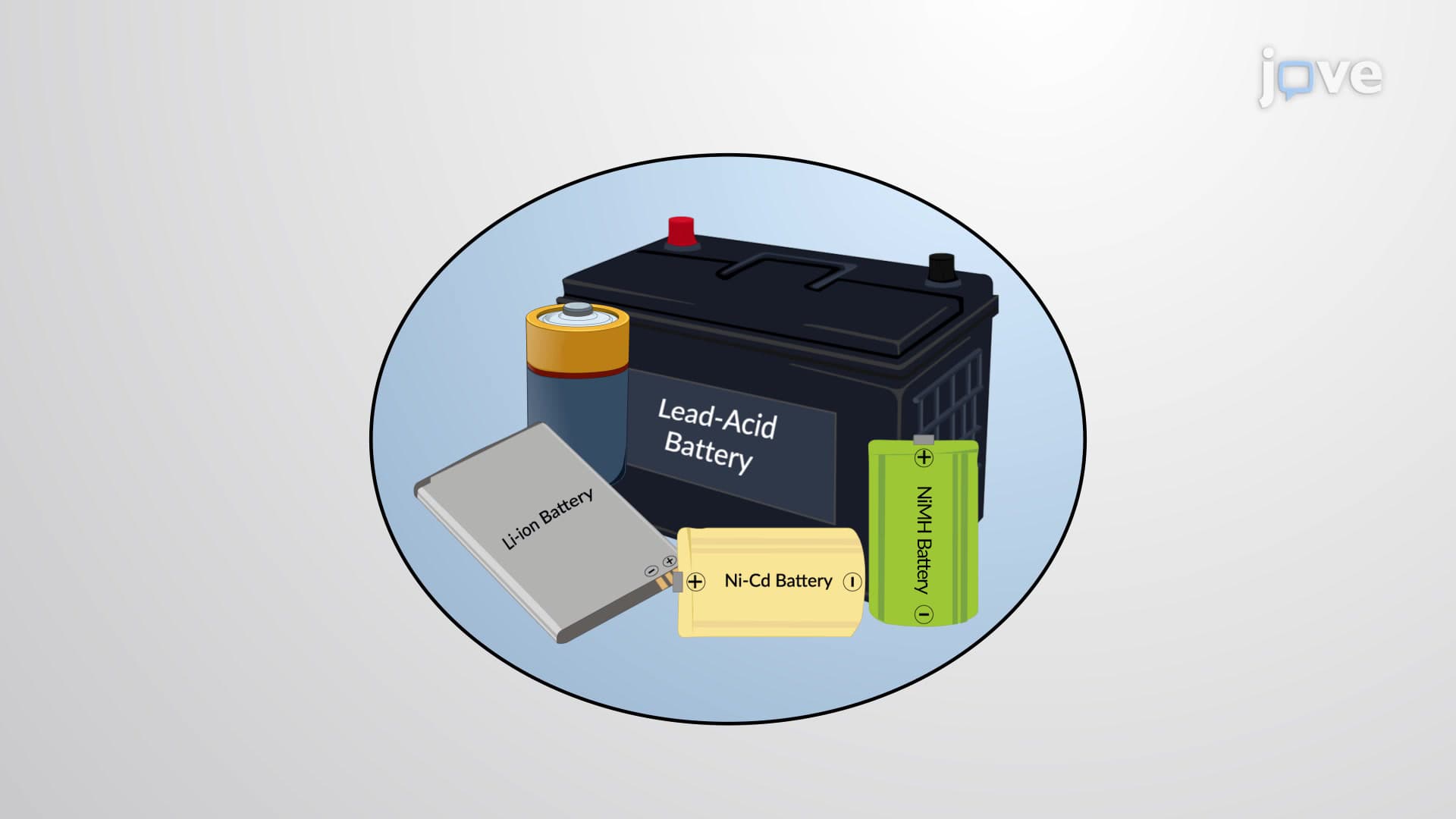
Modern applications of voltaic galvanic cells concept extend far beyond textbook examples. The automotive industry relies heavily on lead-acid batteries in conventional vehicles, while aerospace applications demand specialized nickel-cadmium cells for satellite systems. Understanding these principles helps students grasp how Tesla's Gigafactory produces battery cells and why companies like Energizer continue innovating alkaline battery chemistry for consumer electronics.
Related Micro-courses