Loading video…


 15 Concepts
 925.5K views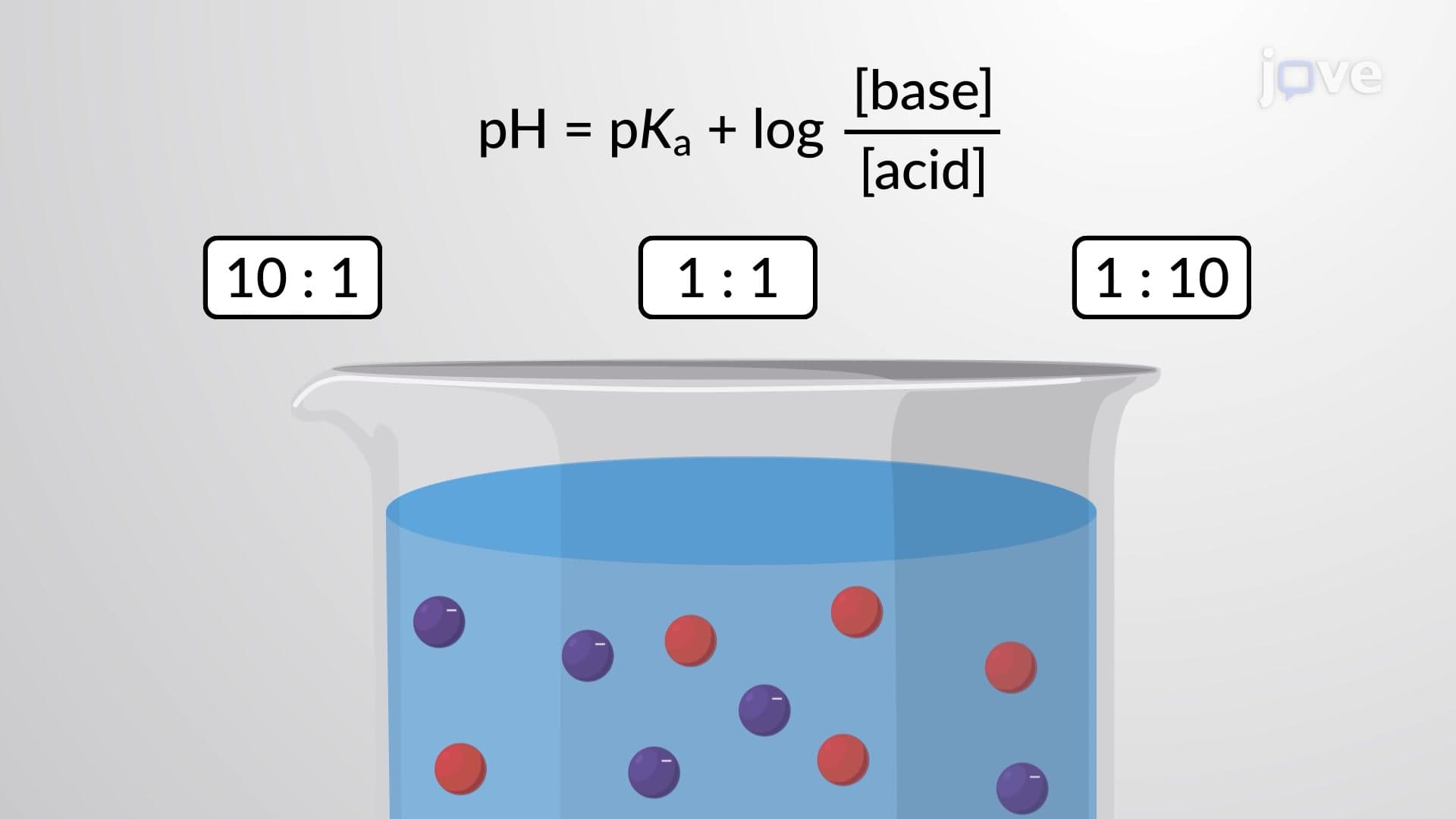

Video Summary: What Is Buffer Effectiveness
Ever wonder why your blood doesn't become acidic after drinking soda? Buffer effectiveness determines how well chemical solutions resist dramatic pH changes when acids or bases are added. In hospital IV fluids across the US, precise buffer systems maintain patient safety by keeping blood pH stable. What is buffer effectiveness depends on the concentration ratio between weak acids and their conjugate bases, plus their absolute concentrations. Watch the full video on JoVE Coach to master this concept with expert-led visuals and step-by-step explanations.
Buffer effectiveness represents a solution's ability to maintain stable pH when small amounts of strong acids or bases are added. This concept forms the foundation of acid-base chemistry taught in AP Chemistry courses and college-level general chemistry. Unlike simple solutions that experience dramatic pH swings, effective buffers act as chemical shock absorbers, maintaining pH stability crucial for biological processes and industrial applications.
The effectiveness depends on two critical factors: the concentration ratio between weak acid and conjugate base components, and their absolute concentrations in solution. This dual dependency makes buffer design both an art and a science, requiring careful calculation and understanding of chemical equilibrium principles.
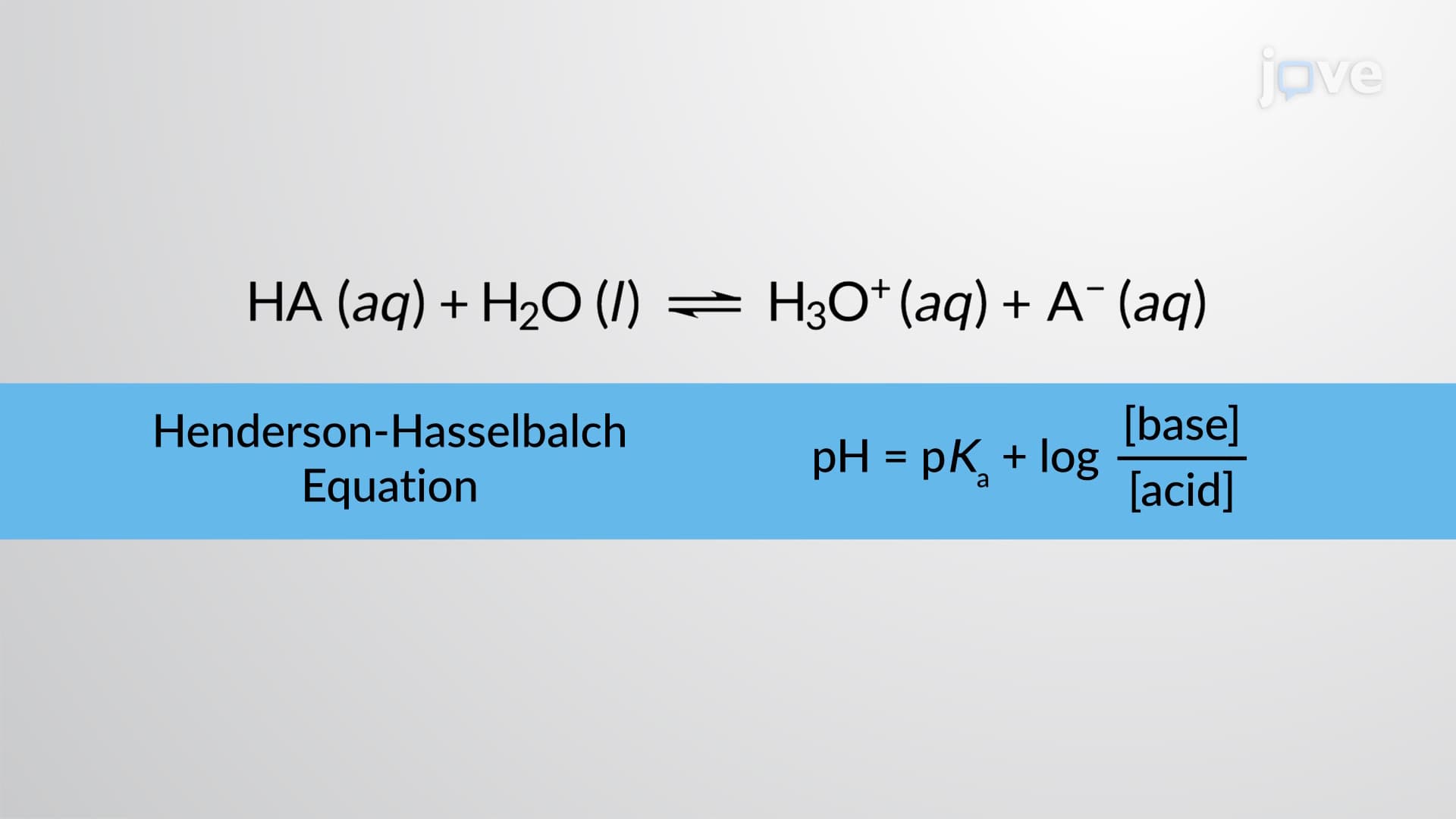
The most effective buffers maintain concentration ratios between 10:1 and 1:10 (weak acid to conjugate base). Outside this range, buffer capacity drops significantly. Using the Henderson-Hasselbalch equation (pH = pKa + log([A-]/[HA])), we can calculate that when acid concentration is 10 times the base concentration, pH equals pKa - 1. Conversely, when base concentration is 10 times the acid concentration, pH equals pKa + 1.
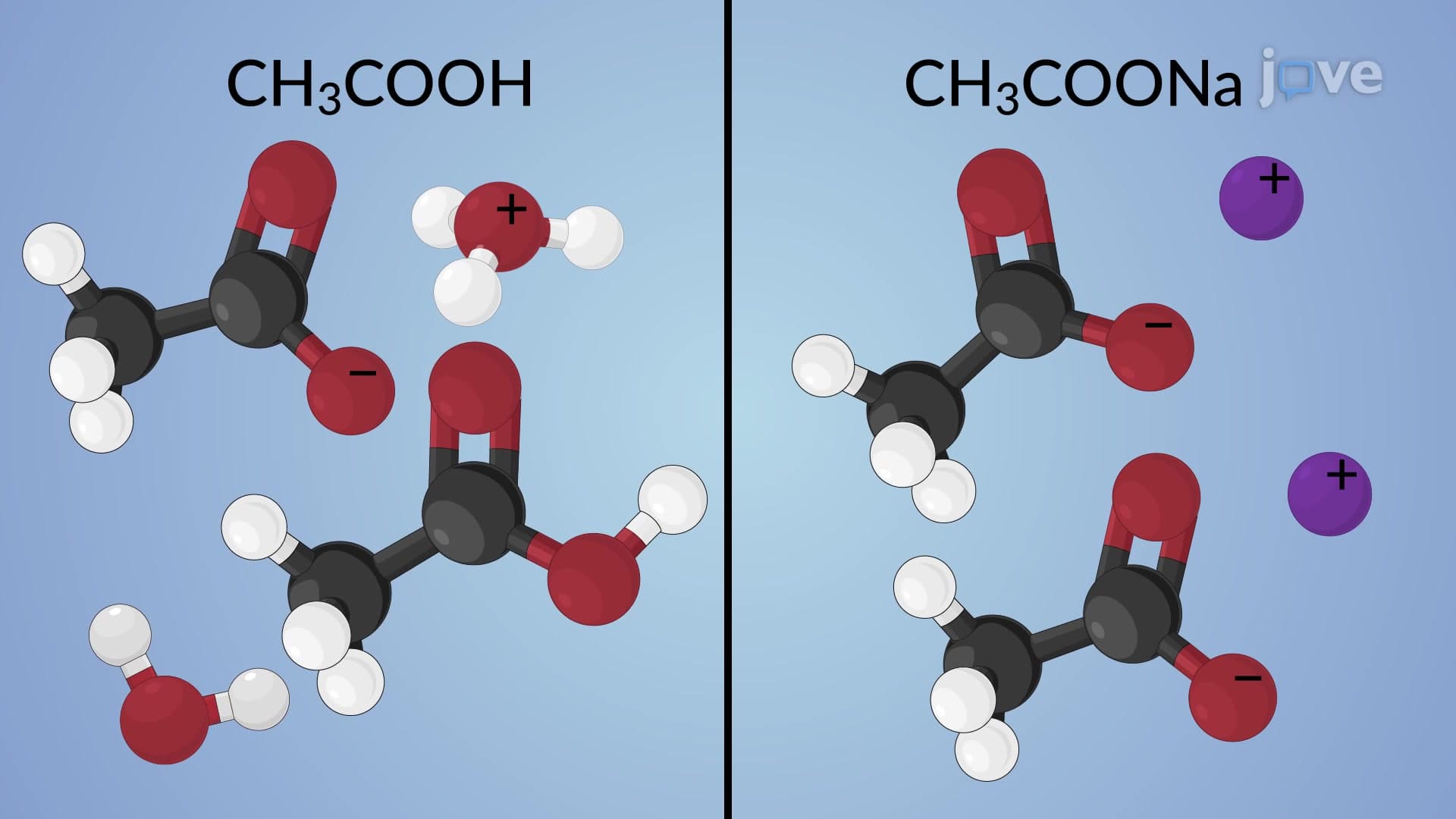
This creates the "buffer range" - typically within one pH unit above or below the pKa value. For example, acetic acid (pKa = 4.76) creates effective buffers between pH 3.76 and 5.76. College students preparing for MCAT biochemistry sections frequently encounter buffer calculations within these ranges, particularly for physiological systems like blood (pH 7.4) and stomach acid regulation.
Beyond ratios, absolute concentrations determine how much strong acid or base a buffer can neutralize before pH changes significantly. A buffer containing 1.0 M acetic acid and 1.0 M sodium acetate neutralizes ten times more added acid than an identical buffer with 0.1 M concentrations. This concept, called "buffer capacity," explains why hospital IV solutions contain relatively high concentrations of buffering agents.
Real-world applications include maintaining proper pH in swimming pools across the US, where sodium bicarbonate buffers help stabilize water chemistry despite chlorine additions and swimmer-introduced contaminants.
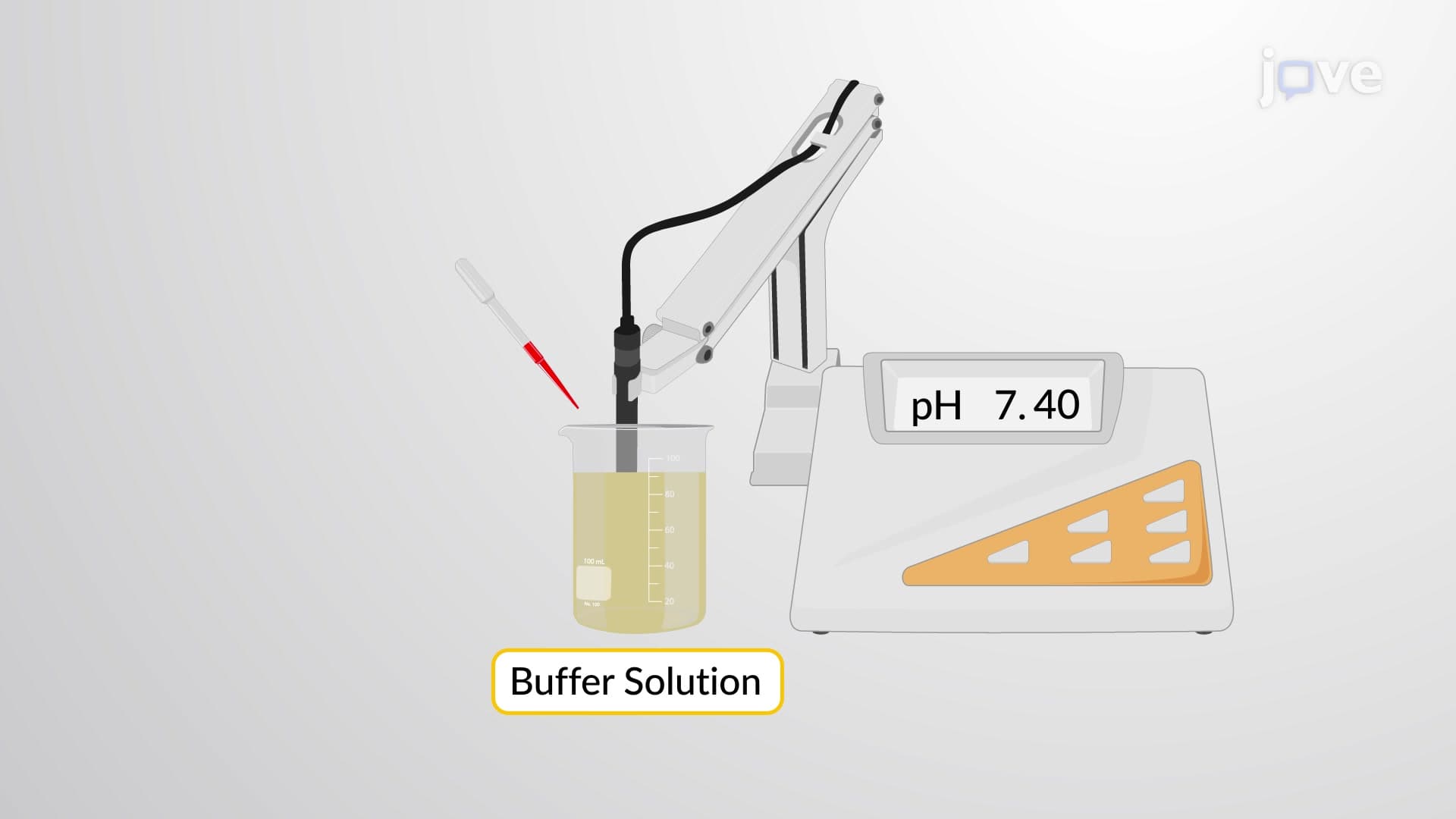
Buffer effectiveness principles govern critical US healthcare applications. Blood plasma maintains pH between 7.35-7.45 using bicarbonate, phosphate, and protein buffer systems. Hospital laboratories use phosphate buffers (pKa ≈ 7.2) for enzyme assays, while pharmaceutical companies employ buffer systems in drug formulations to ensure medication stability and bioavailability.
Environmental applications include acid rain neutralization in sensitive ecosystems, where natural buffer systems in soil and water help protect against pH fluctuations that could harm wildlife and vegetation.
Related Micro-courses