Loading subject page…


202,200 views


Video Summary: What Is Nuclear Binding Energy
Did you know that when hydrogen atoms fuse to create helium in the Sun, a tiny amount of mass simply vanishes, releasing the energy that powers life on Earth? Nuclear binding energy explains this remarkable phenomenon where mass converts to energy during nuclear reactions. This concept is fundamental to understanding both nuclear power plants across the United States and the fusion processes in stars. Watch the full video on JoVE Coach to master this concept with expert-led visuals and step-by-step explanations.
Nuclear binding energy represents the energy required to completely separate a nucleus into its individual protons and neutrons, or equivalently, the energy released when these nucleons combine to form the nucleus. This concept lies at the heart of nuclear physics and explains why nuclear reactions can release enormous amounts of energy compared to chemical reactions.
The foundation of nuclear binding energy rests on Einstein's famous equation E = mc², which reveals that mass and energy are interchangeable. When nucleons bind together to form a nucleus, the resulting atomic mass is always less than the sum of the individual particle masses. This missing mass, called the mass defect, has been converted into binding energy that holds the nucleus together.
Consider helium-4, a common example used in AP Chemistry and college physics courses. The helium-4 nucleus contains two protons and two neutrons, but its measured mass is 0.0305 atomic mass units less than the sum of its constituent particles. This mass defect translates to approximately 28.4 megaelectronvolts (MeV) of binding energy per nucleus, or about 7.1 MeV per nucleon.
Students preparing for the MCAT or advanced placement exams should master the conversion between atomic mass units and energy. One atomic mass unit equals approximately 931.5 MeV, making these calculations manageable with practice. Nuclear engineers at facilities like the Diablo Canyon Power Plant in California routinely use these principles to monitor reactor safety and fuel efficiency.
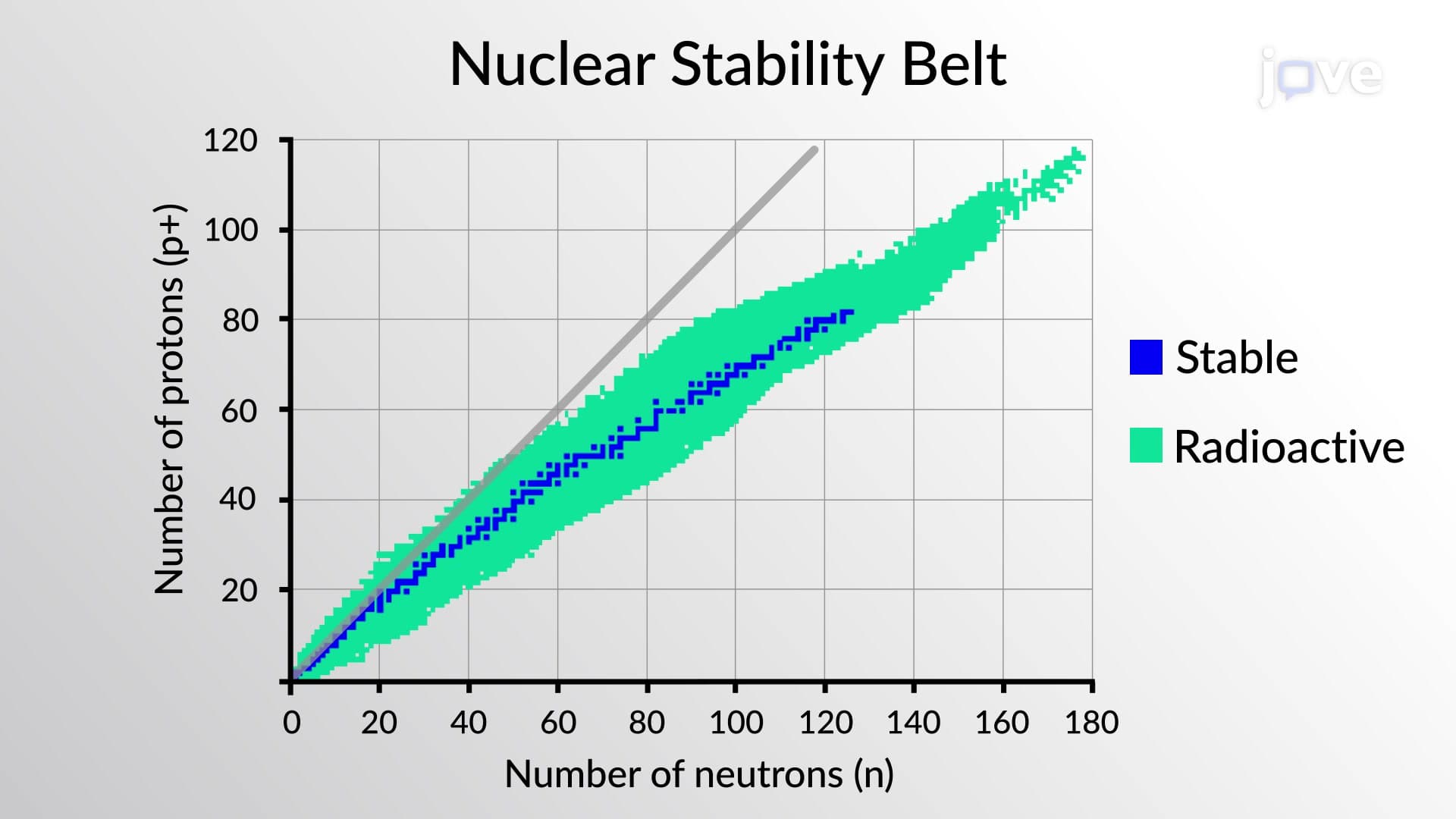
The plot of binding energy per nucleon versus mass number reveals crucial insights about nuclear stability. Elements with mass numbers between 40 and 100, particularly iron-56, exhibit the highest binding energy per nucleon, making them the most stable nuclei. This stability pattern explains two fundamental nuclear processes that power both weapons and peaceful applications.
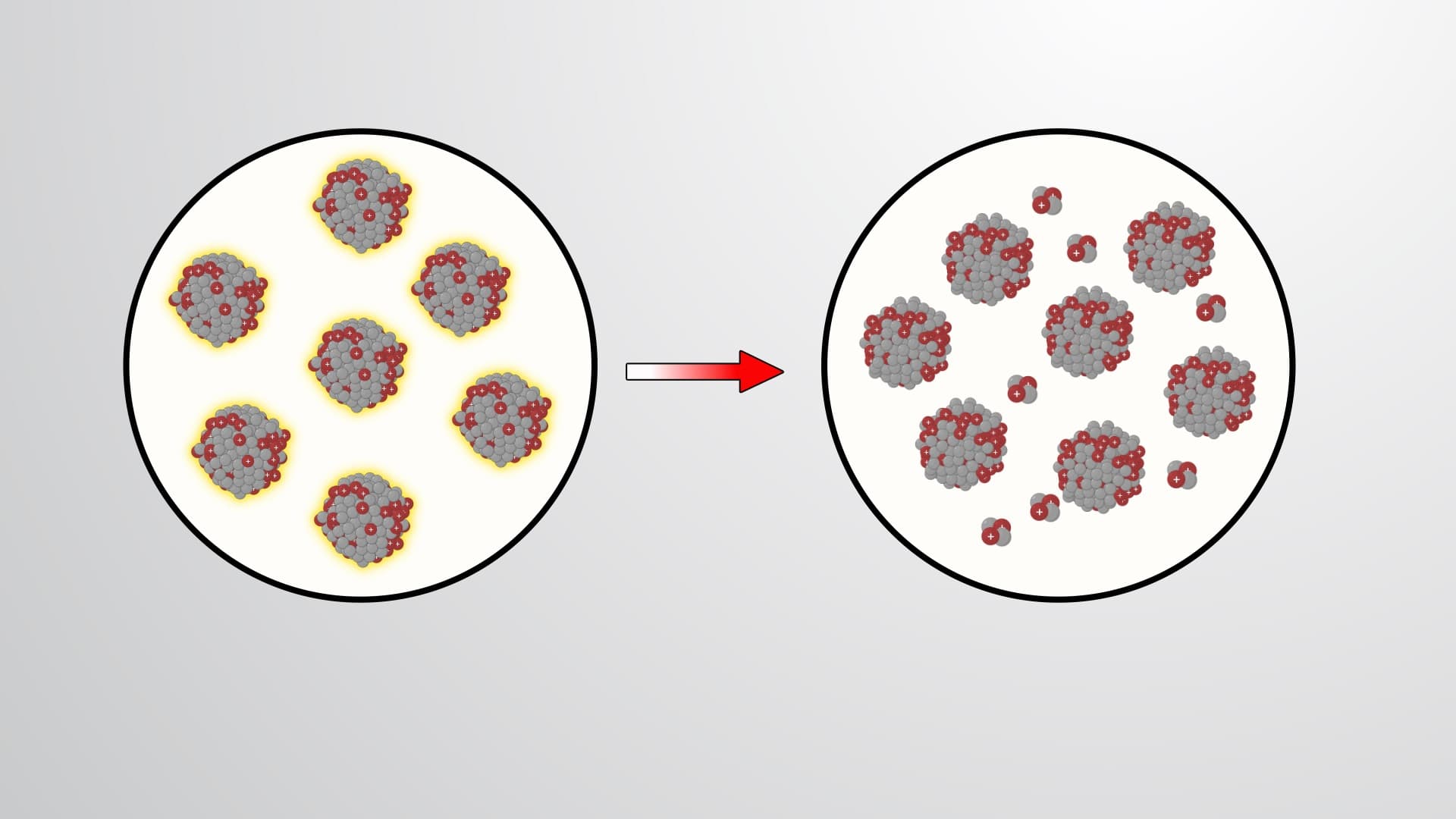
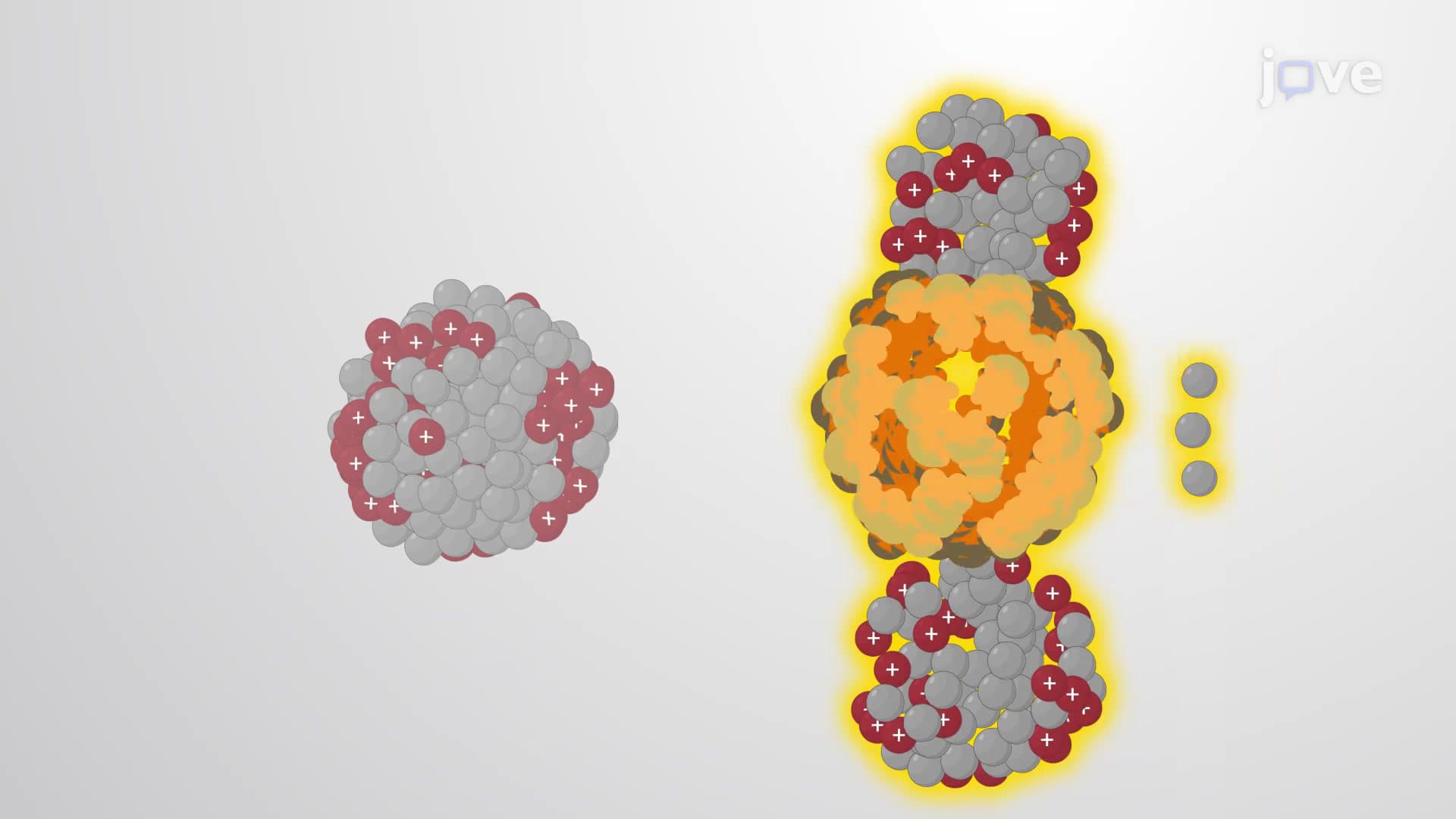
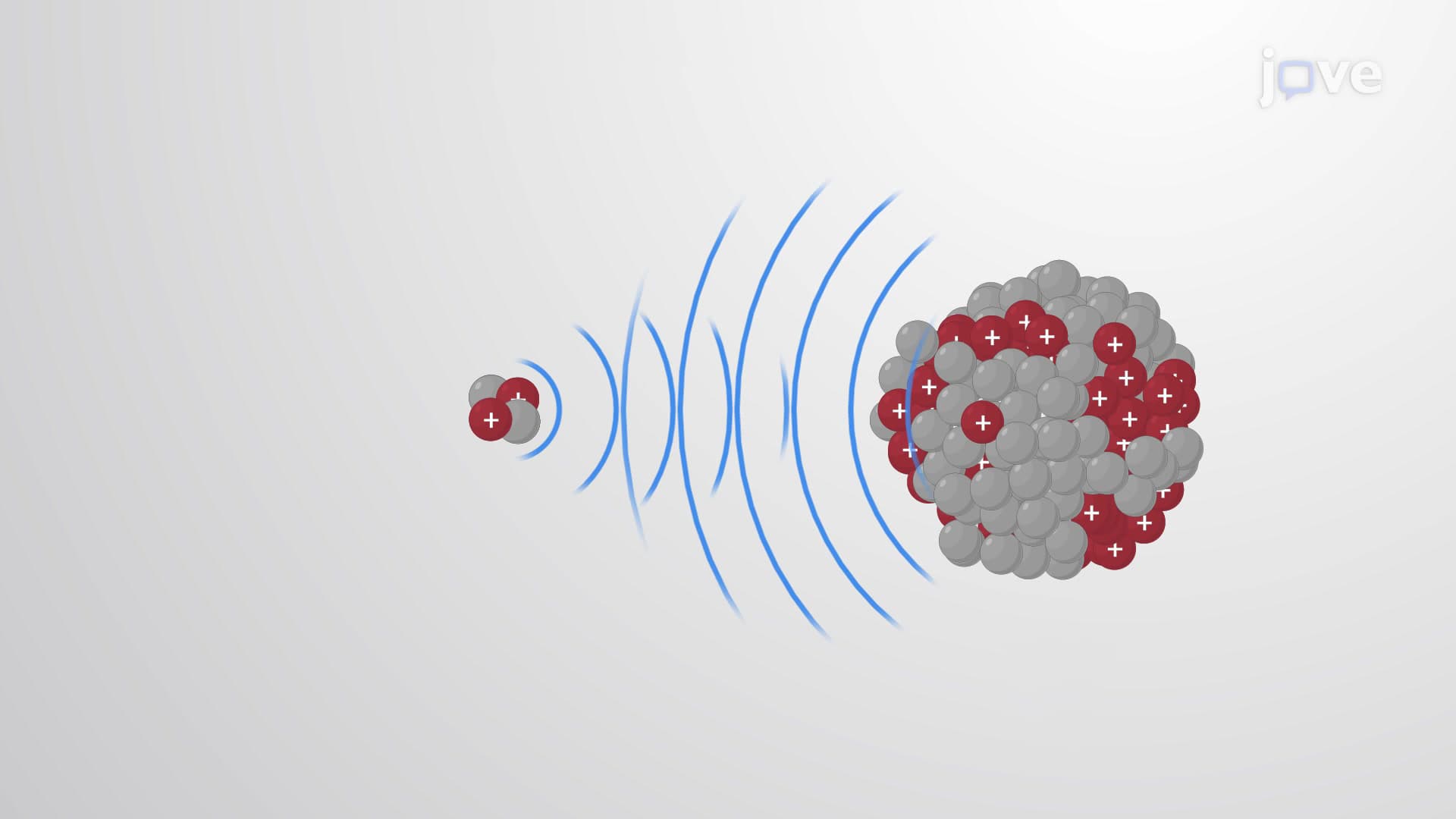
Heavy nuclei like uranium-235, used in nuclear reactors across the United States, have lower binding energy per nucleon than medium-mass elements. Through fission, these heavy nuclei split into more stable, medium-mass fragments, releasing energy in the process. Conversely, light nuclei like hydrogen isotopes can undergo fusion to form heavier, more stable nuclei, releasing even more energy per unit mass-the process being researched at facilities like the National Ignition Facility in California.
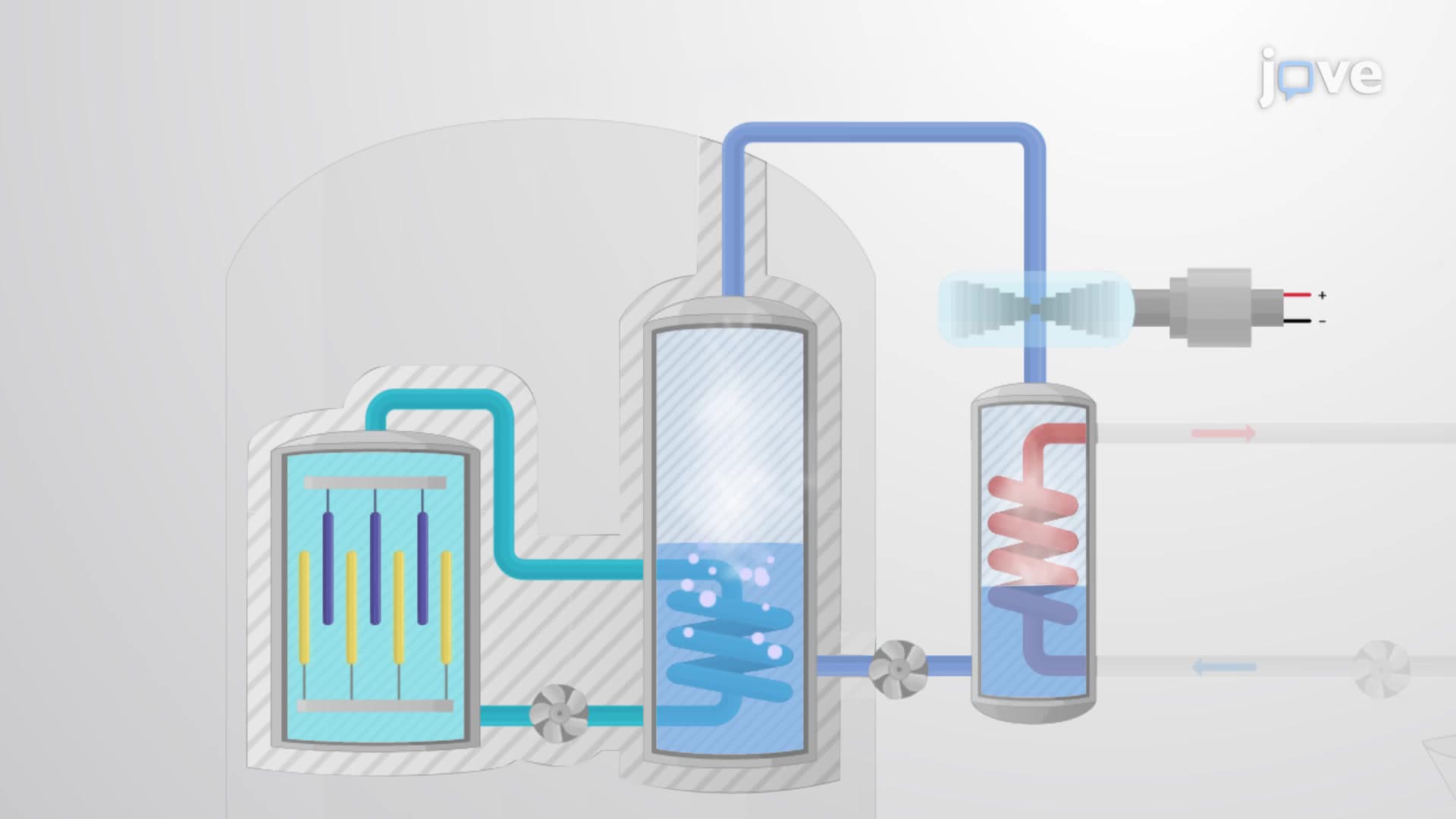
Nuclear binding energy principles directly apply to current US energy infrastructure and medical applications. The 93 commercial nuclear reactors operating in the United States rely on controlled fission reactions, where the binding energy difference drives electricity generation. Medical isotope production facilities use similar principles to create radiopharmaceuticals for cancer treatment and diagnostic imaging.
Understanding nuclear binding energy also proves essential for students pursuing careers in nuclear engineering, medical physics, or radiation safety-fields with growing job markets as the US transitions toward carbon-free energy sources and advances precision medicine techniques.
Related Micro-courses