Loading video…


 10 Concepts
 202.2K views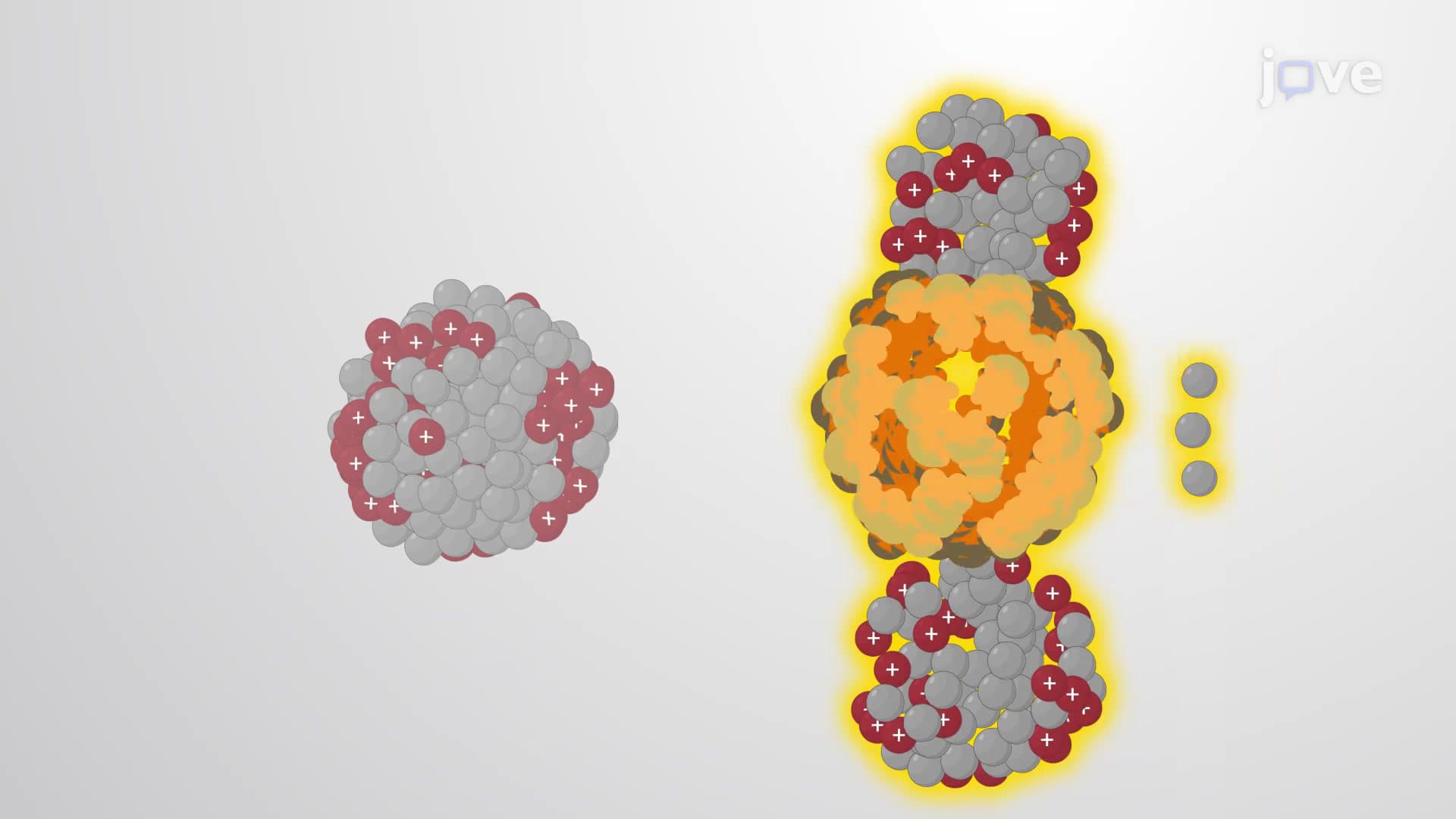

Video Summary: What Is Nuclear Fission
Did you know that the splitting of a single uranium-235 atom releases energy equivalent to burning 3 million carbon atoms? Nuclear fission is the process where heavy atomic nuclei break apart into lighter fragments, releasing enormous amounts of energy that power everything from nuclear submarines to 20% of America's electricity grid. This fundamental nuclear process involves the controlled splitting of atoms like uranium-235, producing lighter nuclei, neutrons, and tremendous energy through Einstein's famous E=mc² equation. What is nuclear fission becomes clear when we examine how nuclear power plants in states like Illinois and Pennsylvania harness this atomic phenomenon. Watch the full video on JoVE Coach to master this concept with expert-led visuals and step-by-step explanations.
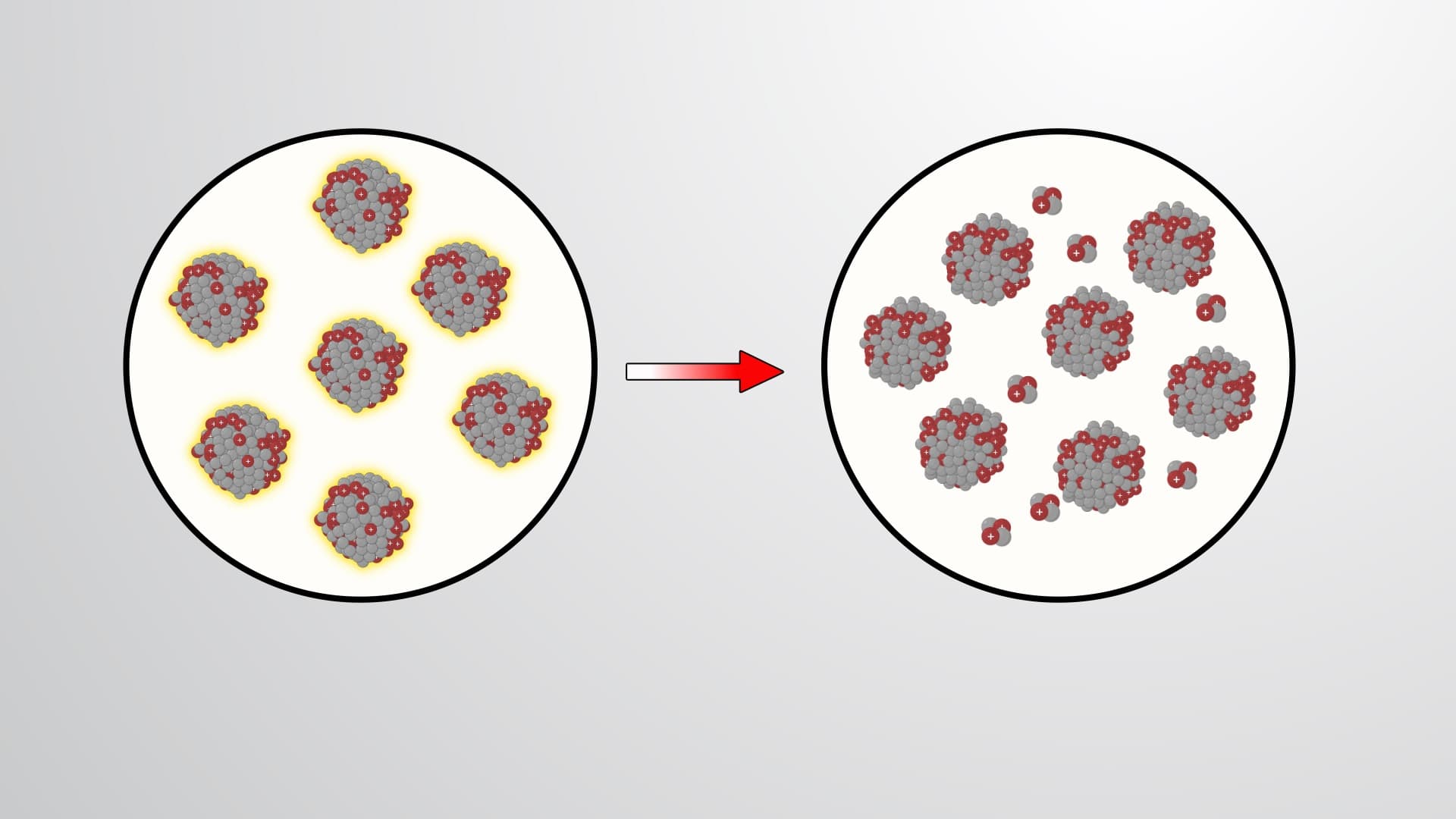
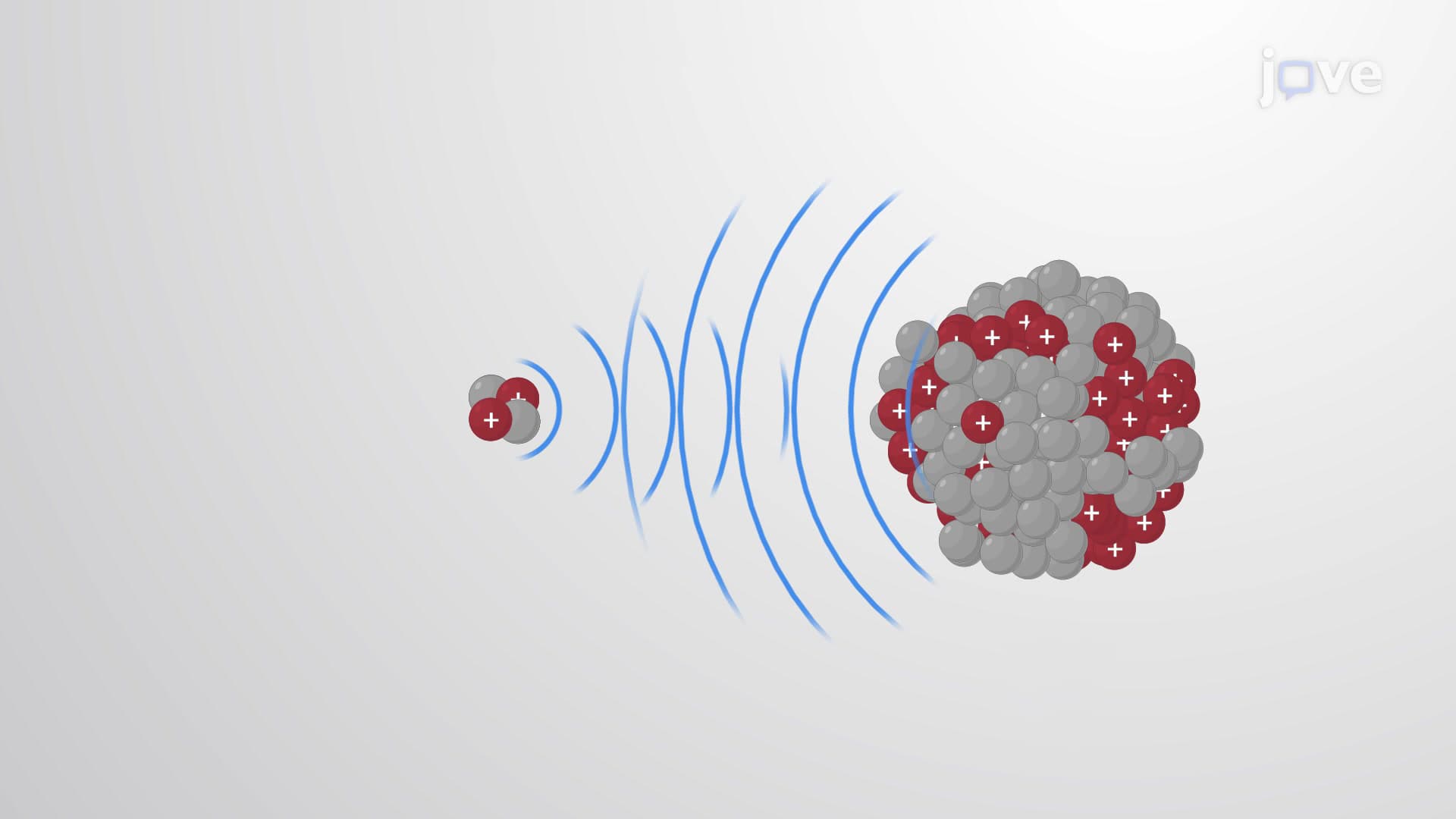
Nuclear fission represents one of the most significant discoveries in modern physics, fundamentally changing how we harness energy. When a heavy nucleus like uranium-235 or plutonium-239 absorbs a neutron, it becomes unstable and splits into two or more lighter nuclei, called fission fragments. This process releases an enormous amount of energy-approximately 200 million electron volts per fission event-along with additional neutrons that can trigger more fissions.
The neutrons produced during fission come in two types: prompt neutrons (released immediately) and delayed neutrons (released after beta decay of fission fragments). These neutrons are initially "fast" neutrons with high kinetic energies, but they must slow down to become "thermal" neutrons to efficiently cause additional fissions in fissile materials like U-235. This moderation process typically occurs when neutrons collide with light nuclei in materials like water or graphite.
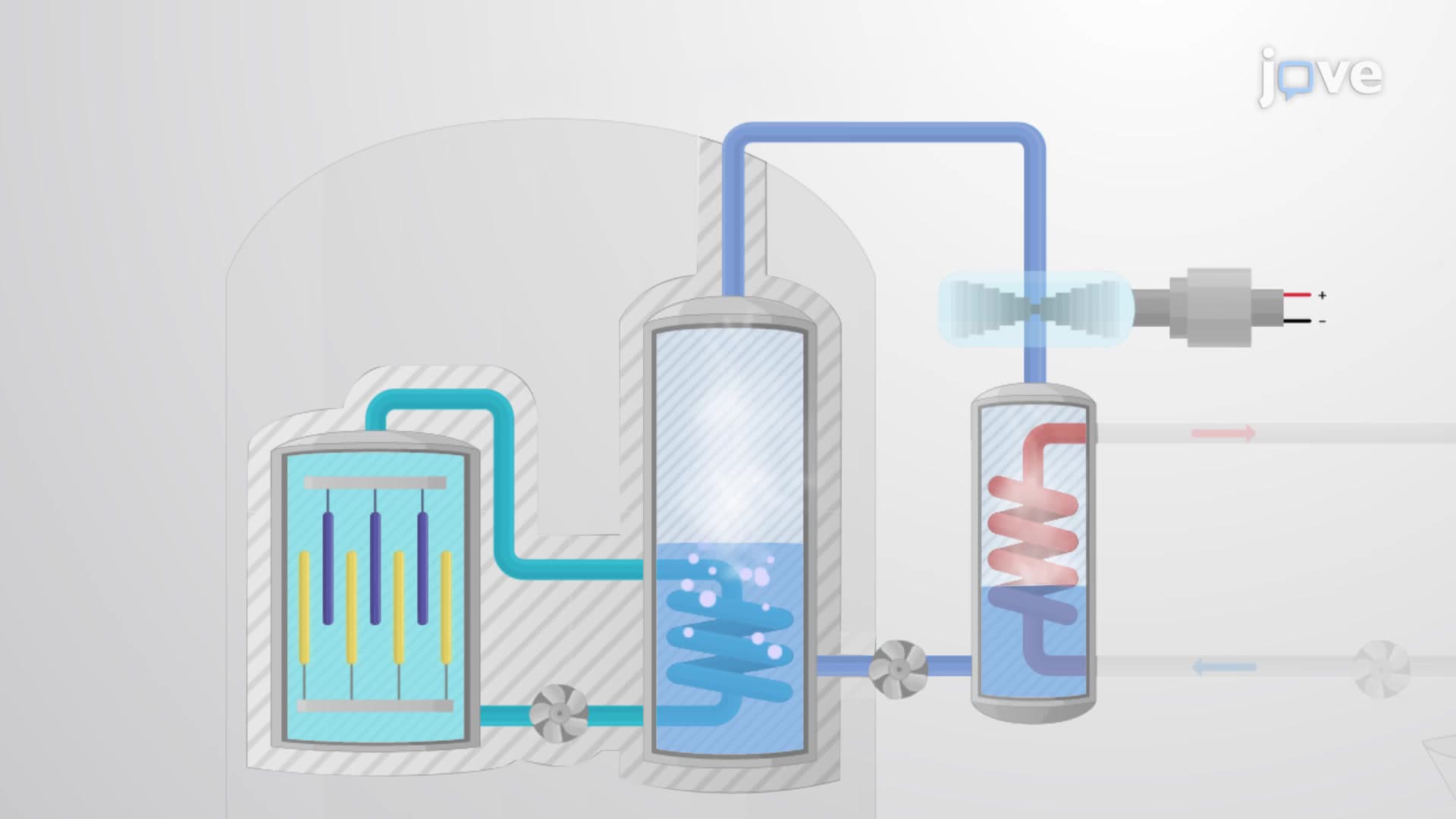
Chain reactions occur when neutrons from one fission event cause additional fissions, creating successive neutron generations. The sustainability of this process depends on the neutron multiplication factor-if each generation produces the same average number of fissions, the reaction remains steady, powering nuclear reactors like those at Georgia's Plant Vogtle or Arizona's Palo Verde Nuclear Generating Station.
The concept of critical mass is fundamental to both nuclear power and weapons design. Critical mass represents the minimum amount of fissile material needed to sustain a chain reaction. Below this threshold (subcritical mass), too many neutrons escape without causing fission. Above this threshold (supercritical mass), the reaction accelerates rapidly. Nuclear power plants operate near critical mass through careful control rod positioning and moderator management.
Several factors affect critical mass: geometry (spheres are most efficient), purity of fissile material, presence of neutron absorbers, and surrounding materials. For example, U-235 has a critical mass of about 52 kilograms in a perfect sphere, but this can be reduced significantly through neutron reflection and optimal geometry.
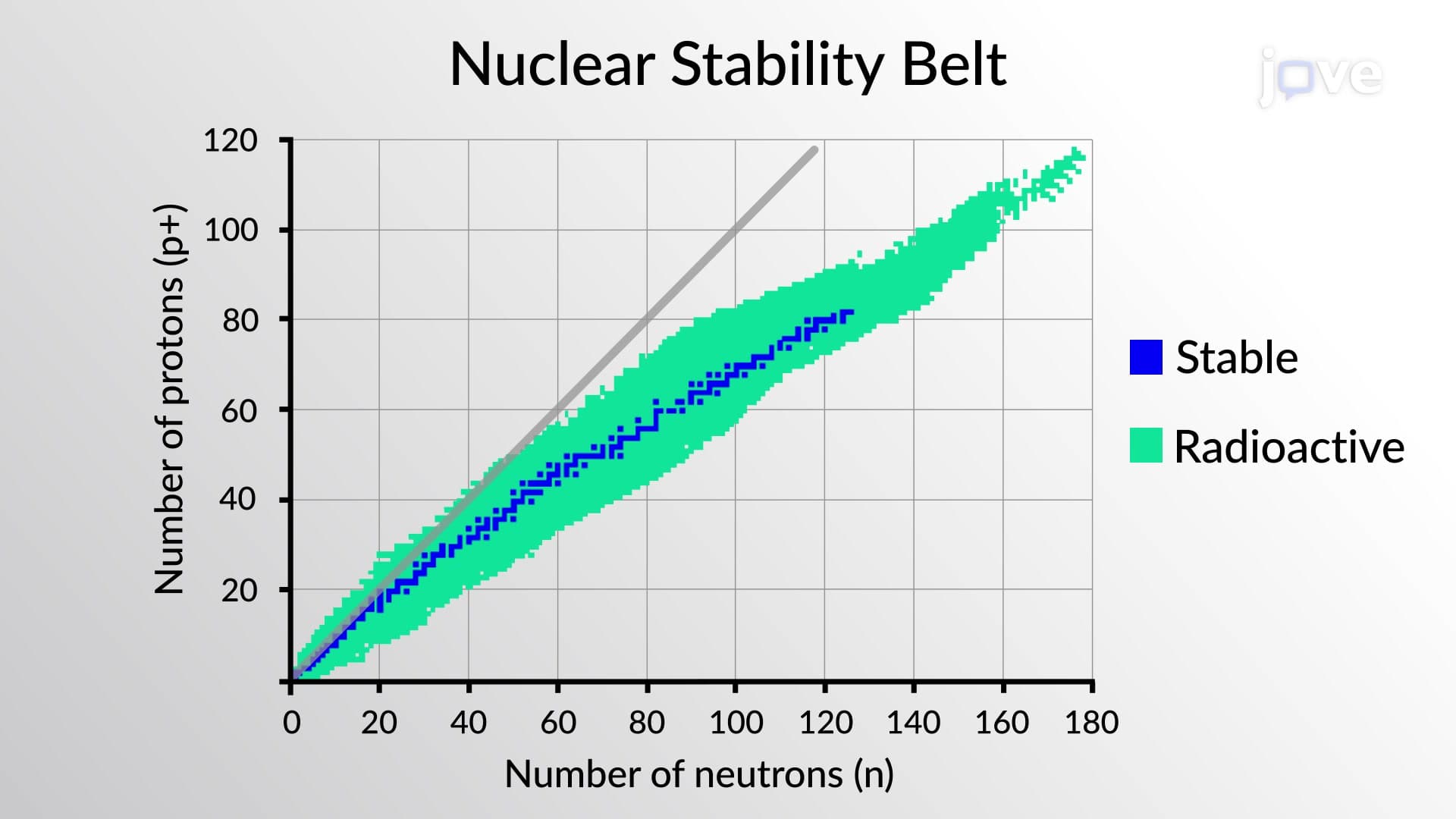
Nuclear fission appears prominently in AP Physics C exams, college-level nuclear chemistry courses, and pre-med MCAT preparation. Students should master energy calculations using E=mc², understand neutron balance equations, and recognize how fission relates to nuclear stability concepts. Practice problems often involve calculating energy released per fission, determining critical mass factors, or analyzing chain reaction sustainability-skills essential for careers in nuclear engineering, medical physics, or energy policy.
Related Micro-courses