Loading video…


 10 Concepts
 202.2K views

Video Summary: What Is Nuclear Fusion
Did you know that nuclear fusion powers every sunrise you've ever witnessed? Nuclear fusion is the process where lightweight atomic nuclei combine to form heavier elements, releasing tremendous energy in the process. This same reaction that fuels our sun could revolutionize energy production here on Earth, with facilities like the National Ignition Facility in California working toward breakthrough fusion power generation. Understanding what is nuclear fusion reveals why this process represents both the ultimate clean energy solution and one of humanity's greatest scientific challenges. Watch the full video on JoVE Coach to master this concept with expert-led visuals and step-by-step explanations.
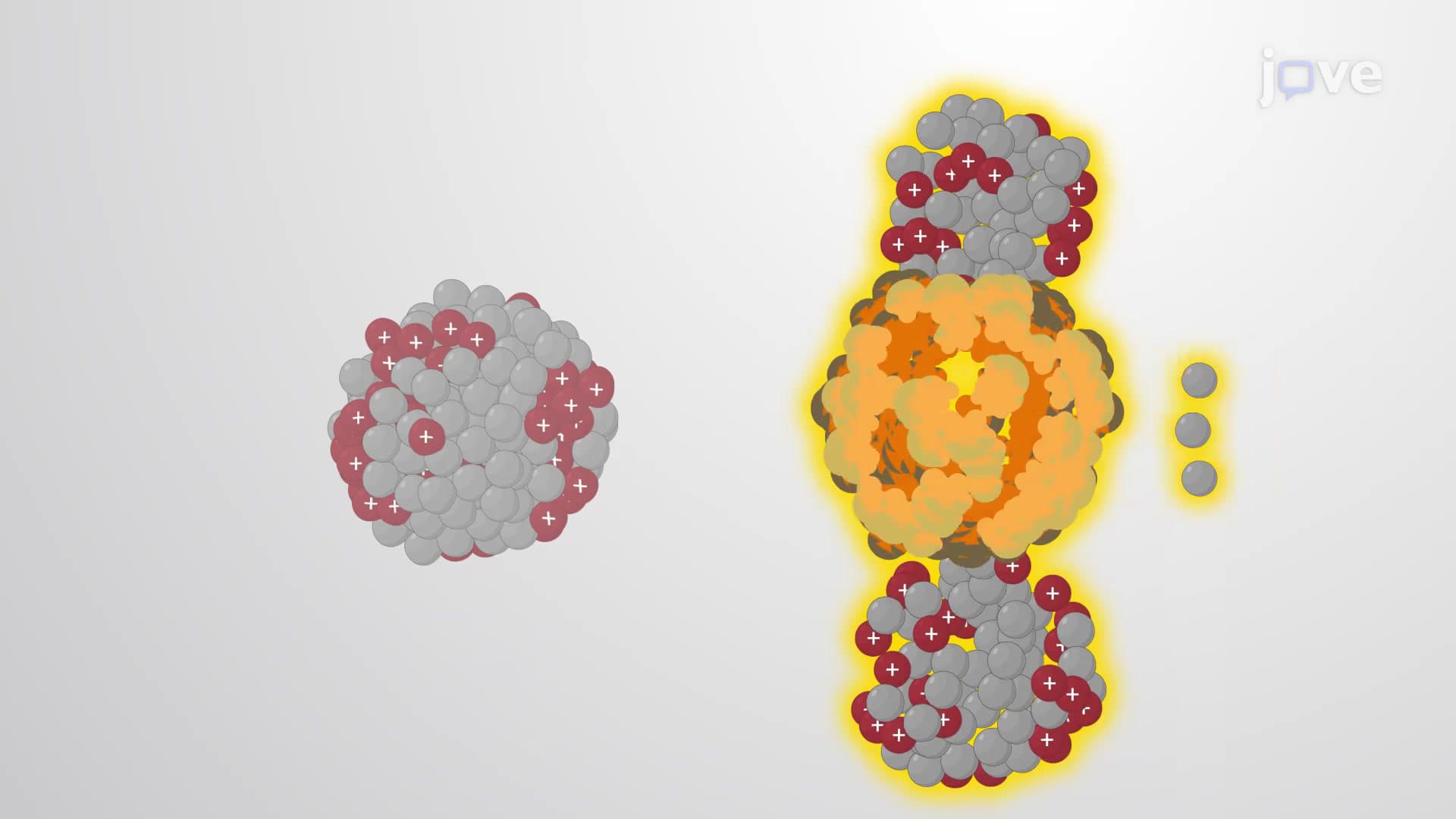
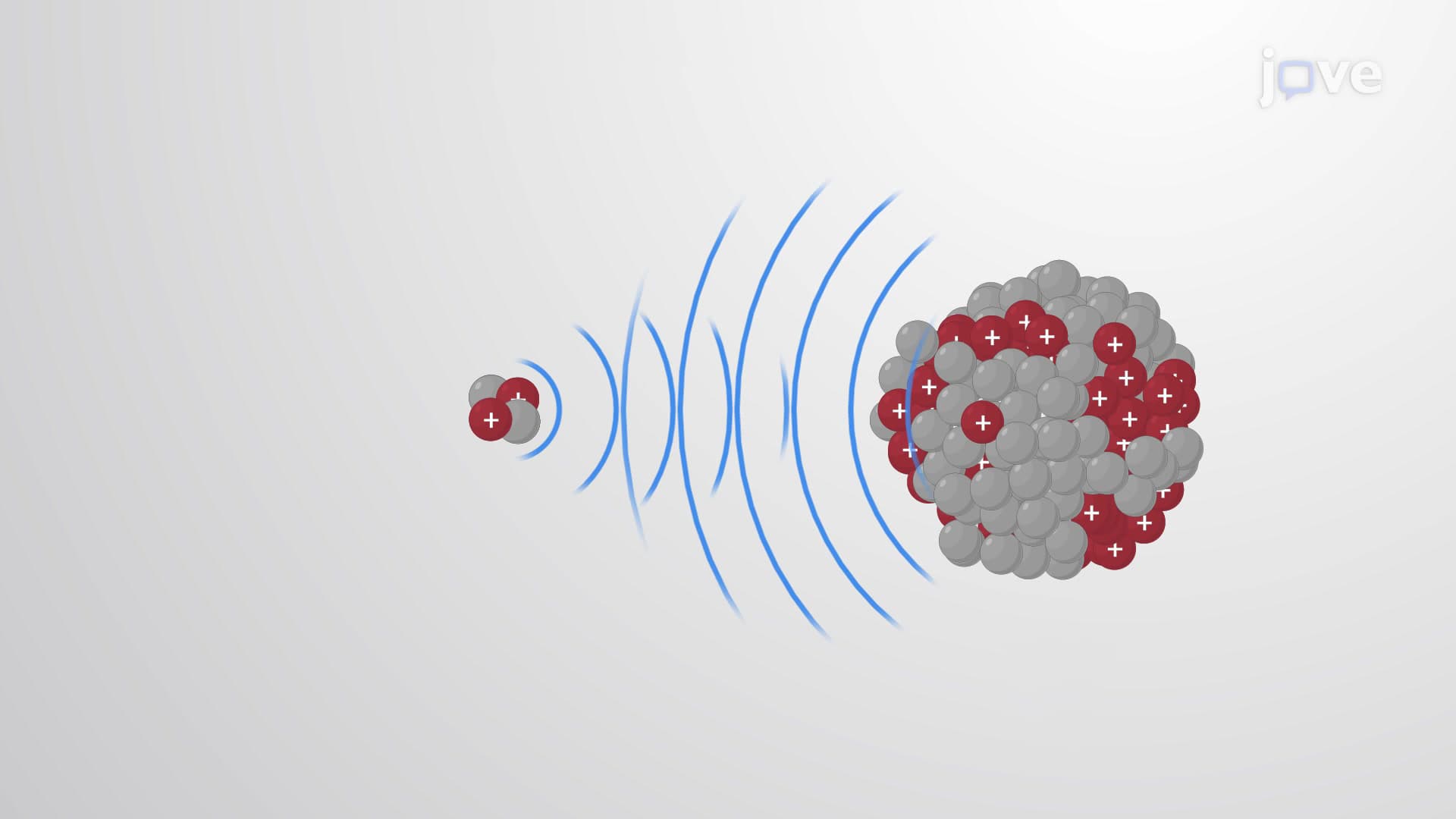
Nuclear fusion represents one of the most powerful energy-releasing processes in the universe. Unlike fission, which splits heavy nuclei, fusion combines light nuclei to create heavier elements while releasing enormous amounts of energy. This process requires overcoming the electrostatic repulsion between positively charged nuclei, demanding extreme temperatures that strip electrons from atoms and create plasma-the fourth state of matter.
The nuclear fusion definition centers on the concept of nuclear binding energy. Lighter elements like hydrogen have relatively low binding energy per nucleon, while mid-weight elements (mass numbers 40-100) possess the highest binding energies. When light nuclei fuse, the resulting nucleus has higher binding energy per nucleon, with the difference released as energy according to Einstein's mass-energy equivalence principle.
What is nuclear fusion in detail reveals why this process outperforms all other energy sources. The deuterium-tritium fusion reaction, producing helium-4 plus a neutron, releases 17.6 MeV per reaction-millions of times more energy than chemical bonds. One gram of fusion fuel contains energy equivalent to 11 tons of coal, making fusion the ultimate clean energy solution.
Students preparing for AP Physics or college-level nuclear chemistry courses should understand that fusion cross-sections (reaction probabilities) peak at specific energies. The Coulomb barrier-the energy needed to overcome nuclear repulsion-explains why fusion requires such extreme conditions. At temperatures around 100 million Kelvin, hydrogen nuclei possess sufficient kinetic energy for fusion to occur at practical rates.
Stellar nucleosynthesis demonstrates nuclear fusion basics in cosmic settings. Main-sequence stars like our sun fuse hydrogen into helium through the proton-proton chain, converting 4.2 million tons of mass into energy every second. As stars evolve, they initiate helium fusion, creating carbon through the triple-alpha process where three helium-4 nuclei combine.
Massive stars continue fusion up to iron-56, which possesses the highest binding energy per nucleon. Elements heavier than iron cannot be formed through fusion because such reactions would absorb rather than release energy. This nuclear fusion overview explains why supernovae are necessary to create elements beyond iron through rapid neutron capture processes.
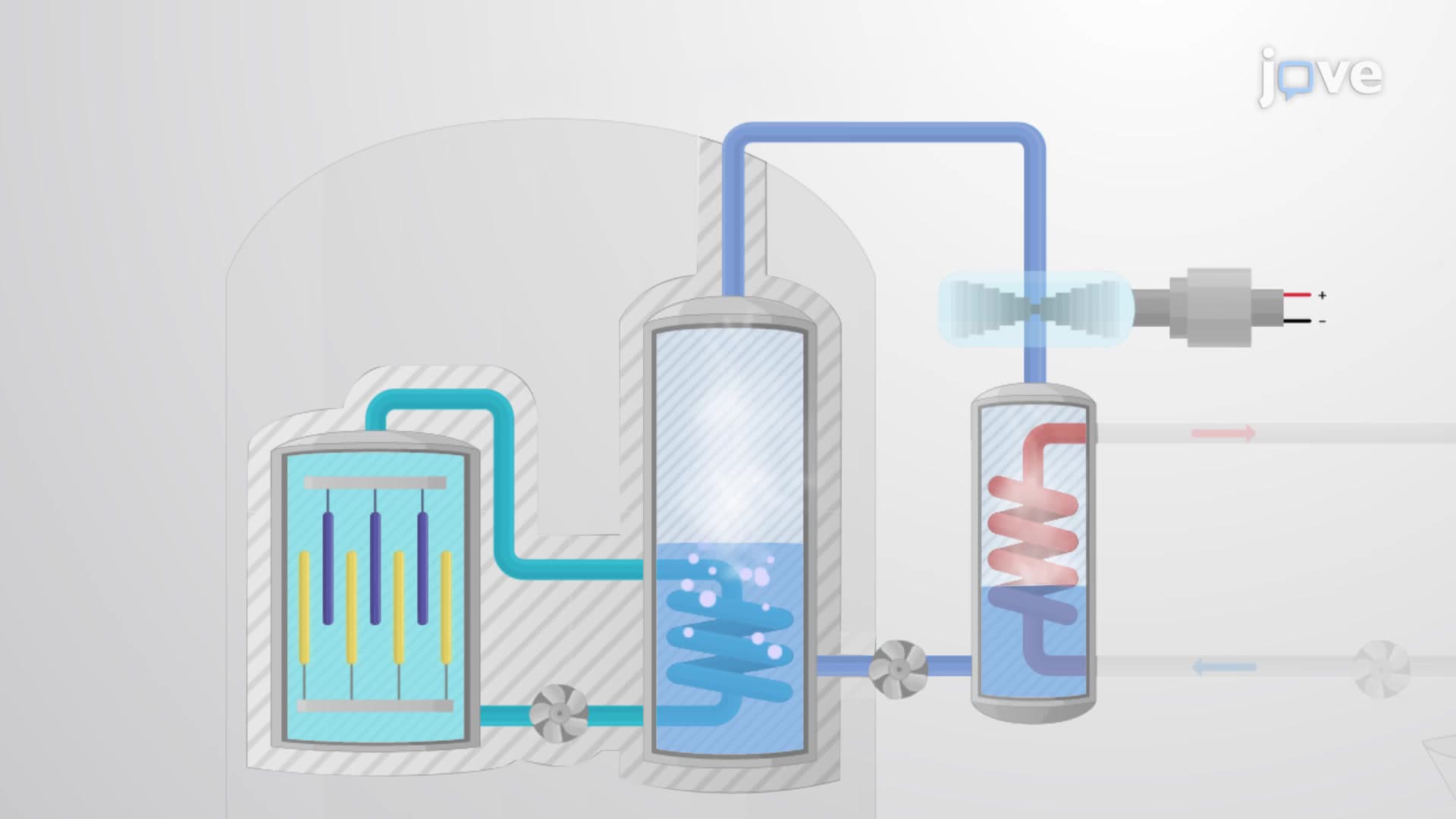
Current fusion research in the United States focuses on magnetic confinement (tokamaks) and inertial confinement approaches. The ITER project represents international cooperation toward achieving sustained fusion reactions, while the National Ignition Facility has demonstrated fusion ignition-producing more energy from fusion than directly applied to the fuel pellet.
Understanding nuclear fusion proves essential for MCAT preparation, particularly in physics and general chemistry sections covering nuclear processes. College students studying nuclear engineering, physics, or chemistry encounter fusion in thermodynamics, quantum mechanics, and materials science courses, making this nuclear fusion study guide valuable across multiple disciplines.
Related Micro-courses