Loading subject page…


202,200 views

Video Summary: What Is Nuclear Power
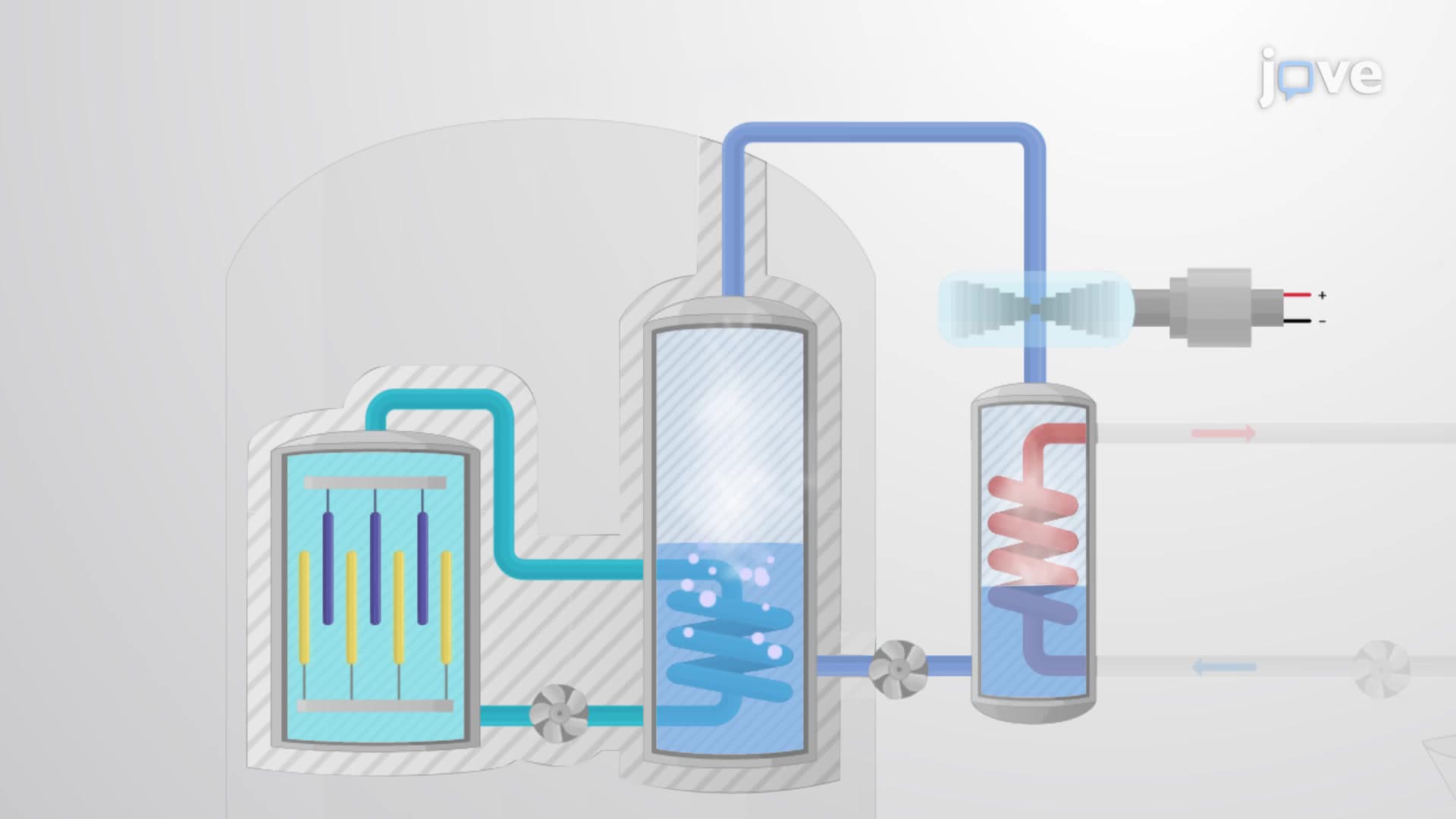
Did you know that a single uranium pellet the size of your fingertip contains as much energy as a ton of coal? Nuclear power harnesses the incredible energy released during nuclear fission to generate electricity for millions of Americans. When uranium-235 atoms split, they release enormous amounts of thermal energy that heats water into steam, which then spins turbines to produce electricity-the same process that powers about 20% of the US electrical grid, including facilities like the Palo Verde Nuclear Generating Station in Arizona. Watch the full video on JoVE Coach to master this concept with expert-led visuals and step-by-step explanations.
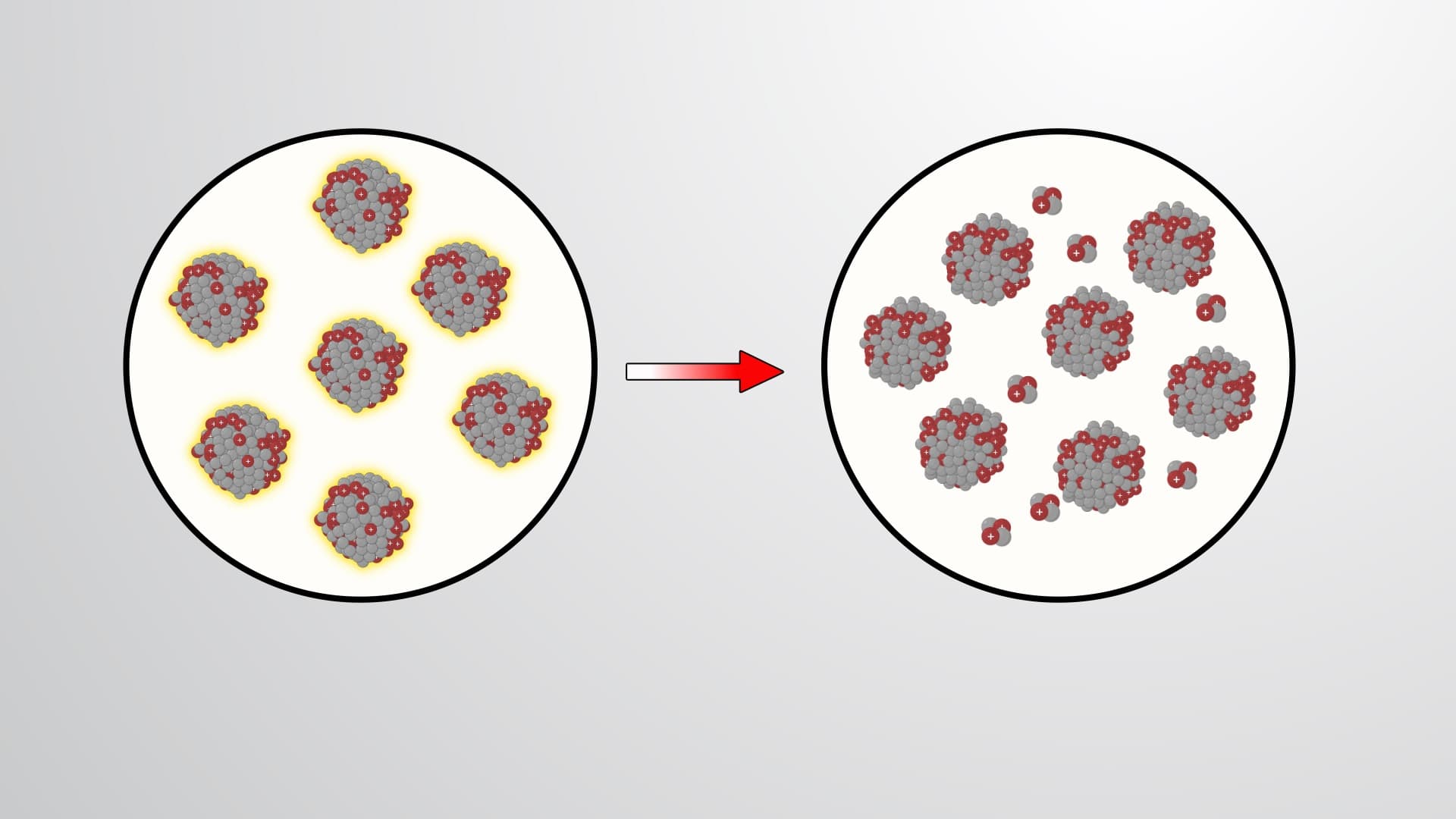
Nuclear power represents one of the most sophisticated energy technologies, converting the binding energy within atomic nuclei into electricity that powers American homes and businesses. Unlike fossil fuel plants that burn chemical compounds, nuclear power plants harness the energy released when heavy atomic nuclei like uranium-235 undergo fission-a process where the nucleus splits into smaller fragments while releasing tremendous amounts of energy according to Einstein's famous equation E=mc².
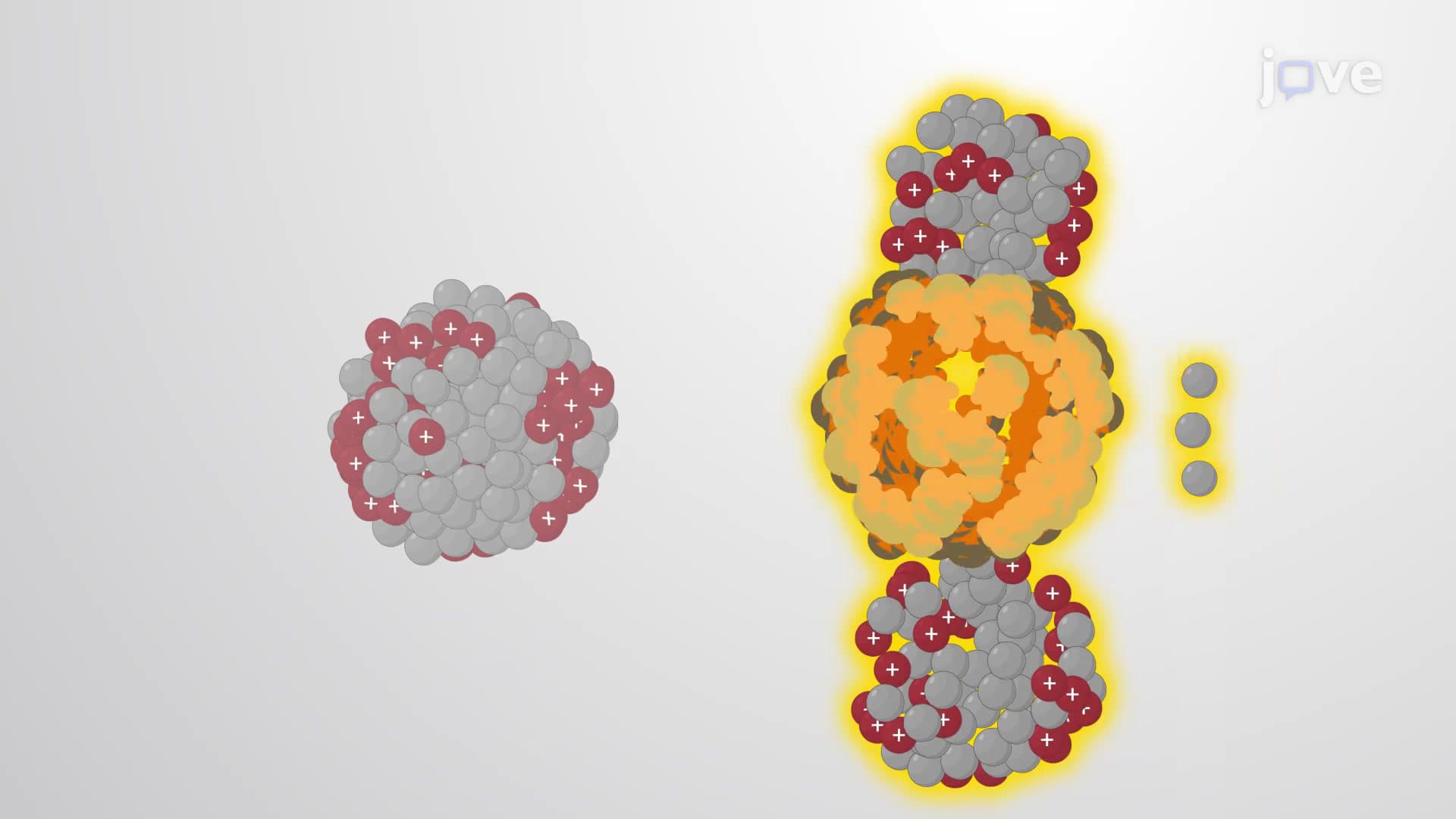
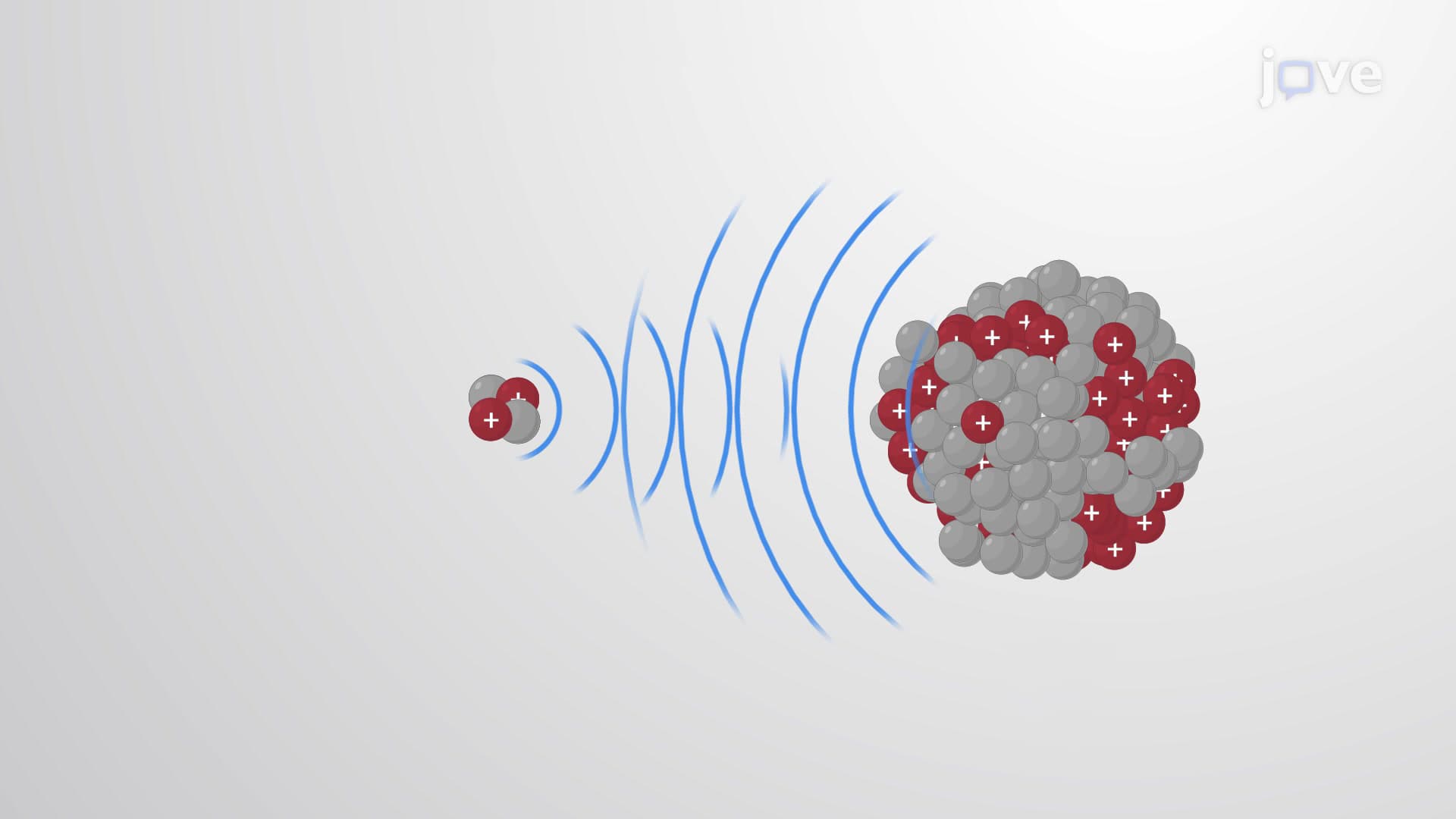
The process begins with nuclear fuel, typically enriched uranium containing about 3-5% uranium-235. When a thermal neutron strikes a uranium-235 nucleus, it becomes unstable and splits into two smaller nuclei (fission fragments), releasing 2-3 new neutrons plus approximately 200 million electron volts of energy-roughly 10 million times more energy per atom than chemical reactions produce.
The neutrons released during fission can trigger additional fissions in nearby uranium-235 nuclei, creating a self-sustaining chain reaction. However, the neutrons initially move too fast (about 20,000 km/s) to efficiently cause further fissions. Nuclear reactors use moderators-materials that slow these "fast" neutrons down to "thermal" speeds of about 2 km/s, making them much more likely to cause additional fissions.
Water serves as an excellent moderator because hydrogen nuclei have nearly the same mass as neutrons, causing maximum energy transfer during collisions (like two billiard balls of equal mass). Heavy water (deuterium oxide) works even better because deuterium nuclei are less likely to absorb neutrons completely, allowing more neutrons to remain available for fission.
The chain reaction's intensity is measured by the multiplication factor k. When k < 1, the reactor is subcritical and power decreases; when k = 1, it's critical with steady power output; when k > 1, it's supercritical with increasing power. Operators control this using control rods made of neutron-absorbing materials like boron or cadmium. Inserting these rods absorbs more neutrons, reducing k; withdrawing them allows k to increase.
Modern US nuclear plants like those operated by Exelon or Duke Energy incorporate multiple safety systems. The reactor core sits within several containment barriers: a steel reactor vessel, concrete biological shield, and often a secondary containment building capable of withstanding extreme events.
For students preparing for AP Physics or college-level nuclear chemistry courses, understanding these concepts helps explain energy calculations, nuclear stability, and reactor physics problems commonly found on standardized tests. The principles also appear in MCAT questions covering atomic structure and energy transformations.
Related Micro-courses