Loading subject page…


3,826 views

Video Summary: Strength and Heat of Hydration Explained
When concrete in major US infrastructure projects like the Hoover Dam generates enough heat during curing to crack without proper cooling, you're witnessing the strength and heat of hydration in action. This fundamental cement chemistry process determines both the thermal energy released and the structural strength gained as Portland cement reacts with water. Understanding how compounds like C3S and C3A contribute differently to heat generation and strength development is crucial for predicting concrete performance in everything from residential foundations to highway bridges. Watch the full video on JoVE Coach to master this concept with expert-led visuals and step-by-step explanations.
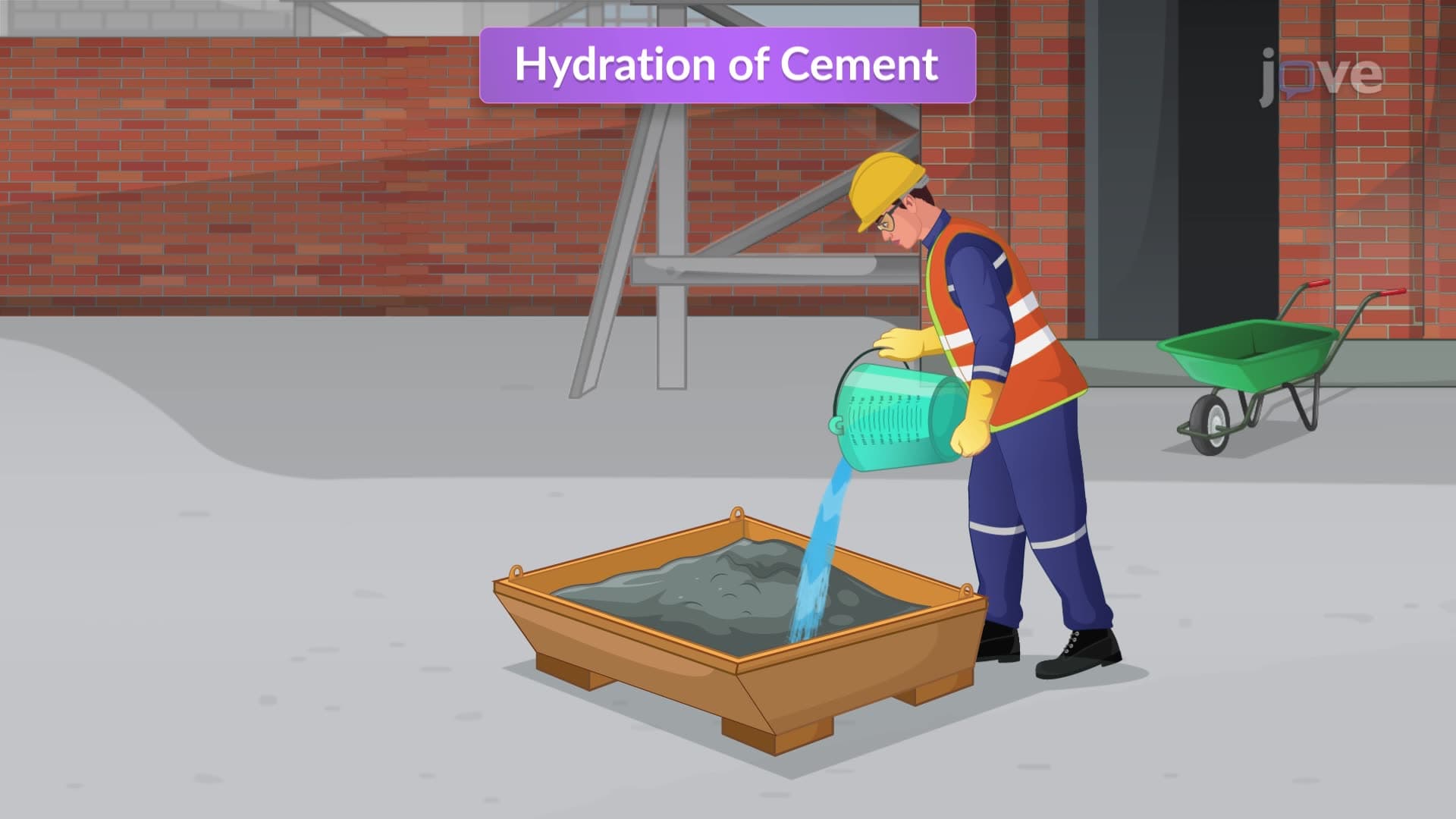
The strength and heat of hydration represent two interconnected outcomes of the chemical reaction between Portland cement and water. This process, essential to concrete technology, involves the transformation of anhydrous cement compounds into hydrated products that bind aggregate particles together while simultaneously releasing significant thermal energy. The relationship between these phenomena directly impacts construction practices across the United States, from residential foundations to major infrastructure projects like bridges and dams.
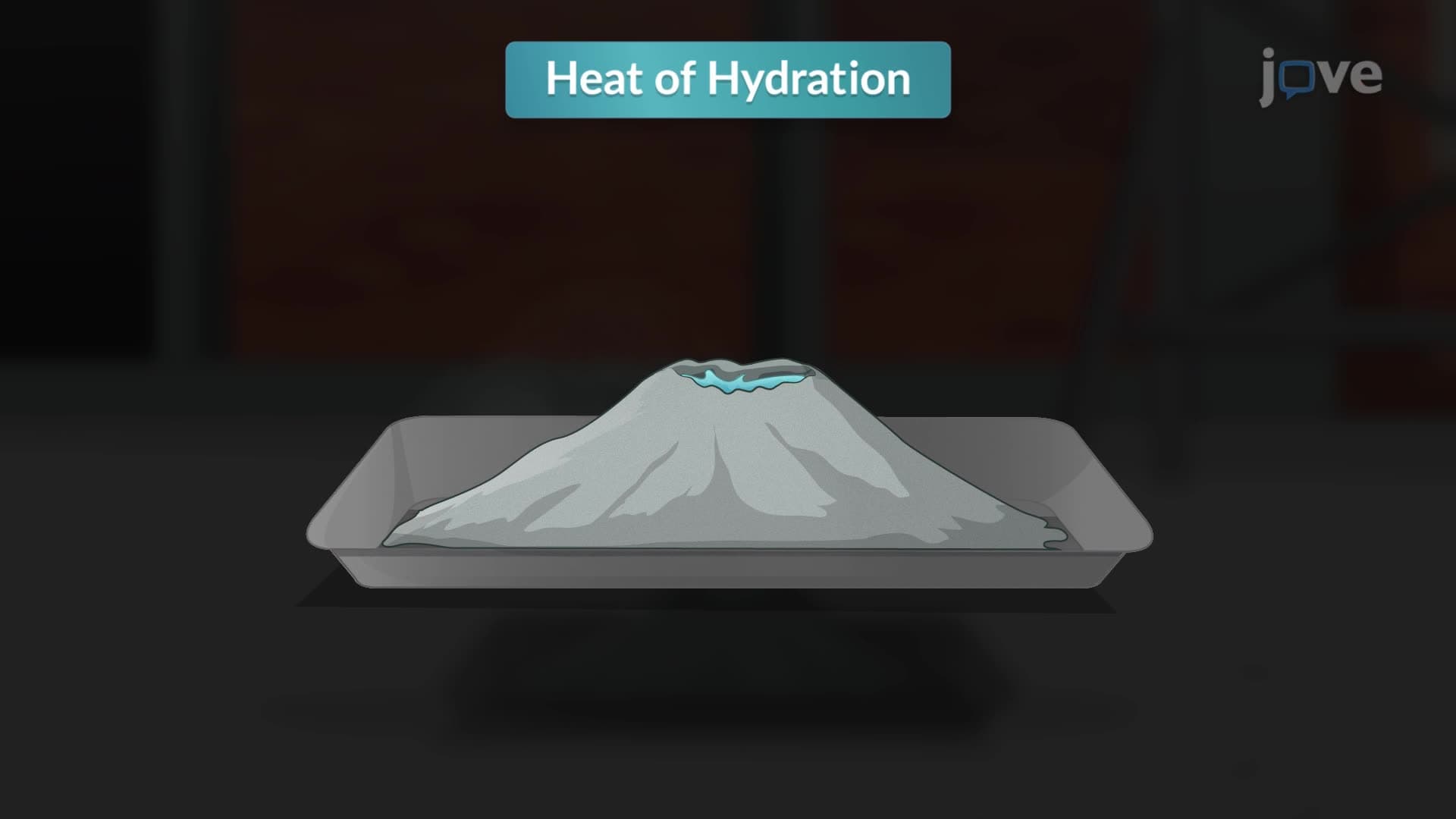
The heat of hydration follows a predictable pattern that construction engineers must understand for proper concrete placement and curing. Initially, rapid heat generation occurs as tricalcium aluminate (C3A) and calcium silicates react vigorously with water. This intense early activity can raise concrete temperatures by 50-70°F within the first few hours, creating thermal stress that may cause cracking in mass concrete structures.
The reaction then experiences a characteristic drop as hydration products coat the remaining silicate particles, temporarily slowing further reaction. Subsequently, heat generation gradually increases as these protective coatings dissolve, allowing the underlying silicates to continue reacting. Among the four main cement compounds, C3A contributes the most heat per unit mass, while dicalcium silicate (C2S) contributes the least. Understanding this hierarchy helps engineers select appropriate cement types for specific applications-high C3A cements for rapid setting versus low-heat cements for massive structures.
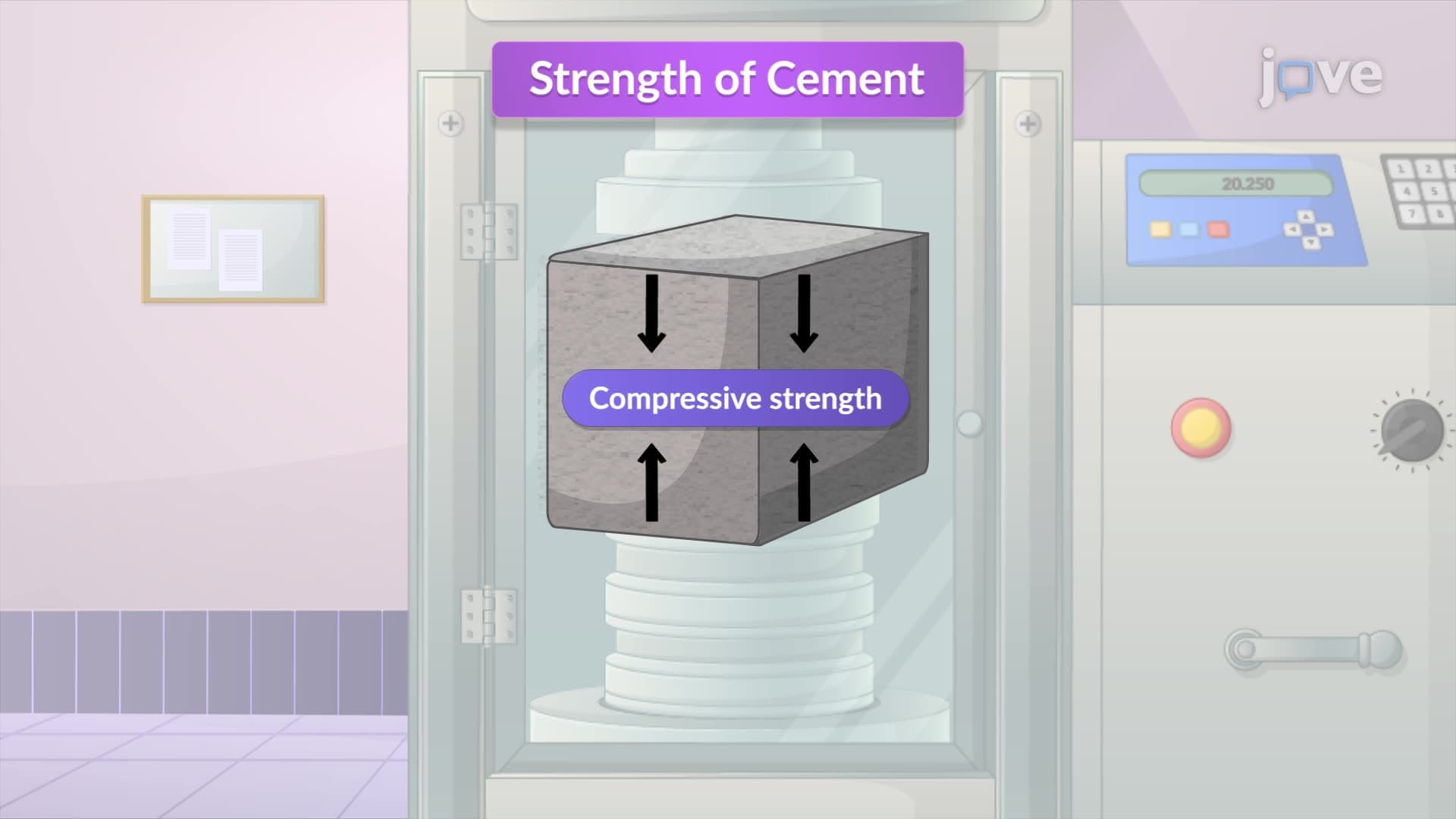
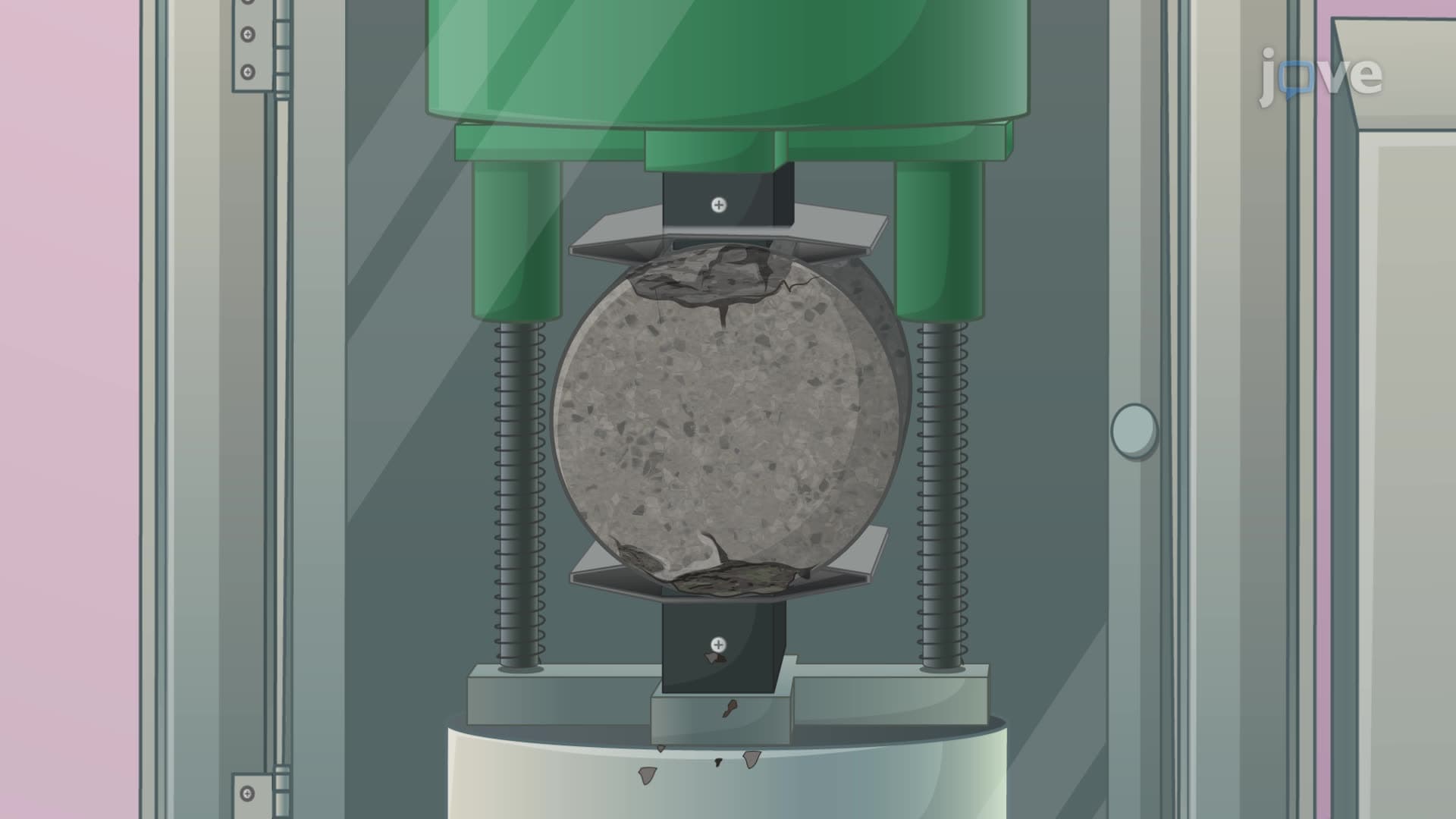
Concrete strength develops through the formation of calcium silicate hydrate (C-S-H) gel, the primary binding phase in hydrated cement. This gel forms as tricalcium silicate (C3S) and dicalcium silicate (C2S) react with water, creating the microscopic matrix that holds concrete together. The strength timeline differs significantly from heat generation: while most heat releases within days, strength continues developing for months or even years under favorable conditions.
During the first four weeks, C3S hydration dominates strength gain, contributing to the rapid strength development crucial for construction schedules. However, after this initial period, C2S hydration becomes increasingly important for long-term strength. By one year, both compounds contribute equally to overall strength. This understanding proves essential for AP Chemistry students studying kinetics and for civil engineering students analyzing concrete design parameters.
These concepts appear frequently in standardized examinations, including AP Chemistry (reaction kinetics), MCAT (biochemistry applications), and various engineering certification exams. Students should recognize that the aluminate phases (C3A and C4AF) contribute minimally to strength despite their significant heat contribution, explaining why modern concrete mixes often limit C3A content for better durability and thermal control.
Related Micro-courses