Loading subject page…


3,826 views

Video Summary: What are Types of Cement I
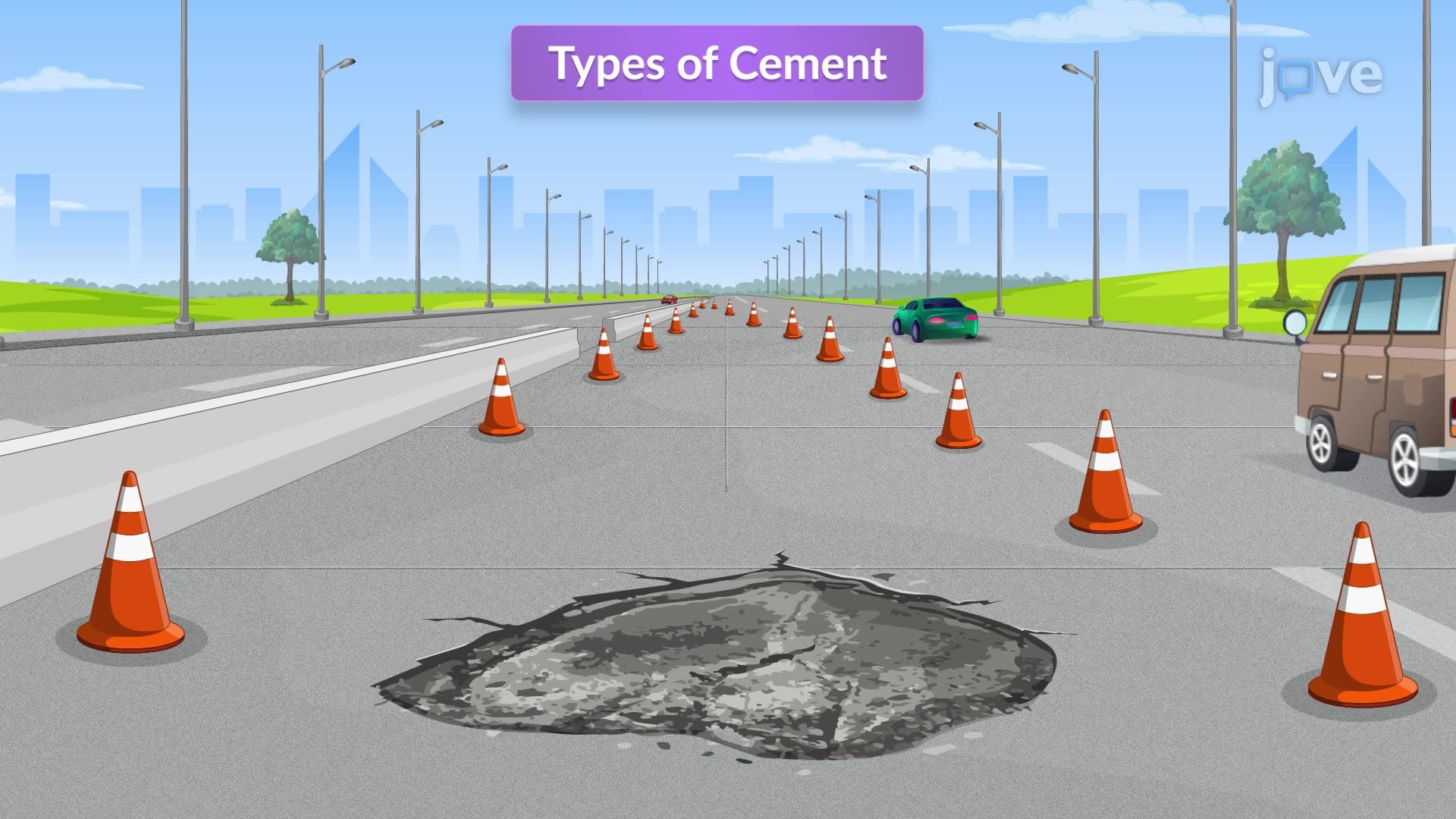
Did you know that when Interstate 95 needs emergency repairs, engineers don't use regular cement? The types of cement I classification system includes specialized formulations like Type III rapid-hardening cement that can restore highway strength in hours rather than days. From preventing thermal cracks in massive concrete dams to protecting sewer systems from chemical attack, understanding what are types of cement I reveals how material science keeps America's infrastructure functioning safely and efficiently. Watch the full video on JoVE Coach to master this concept with expert-led visuals and step-by-step explanations.
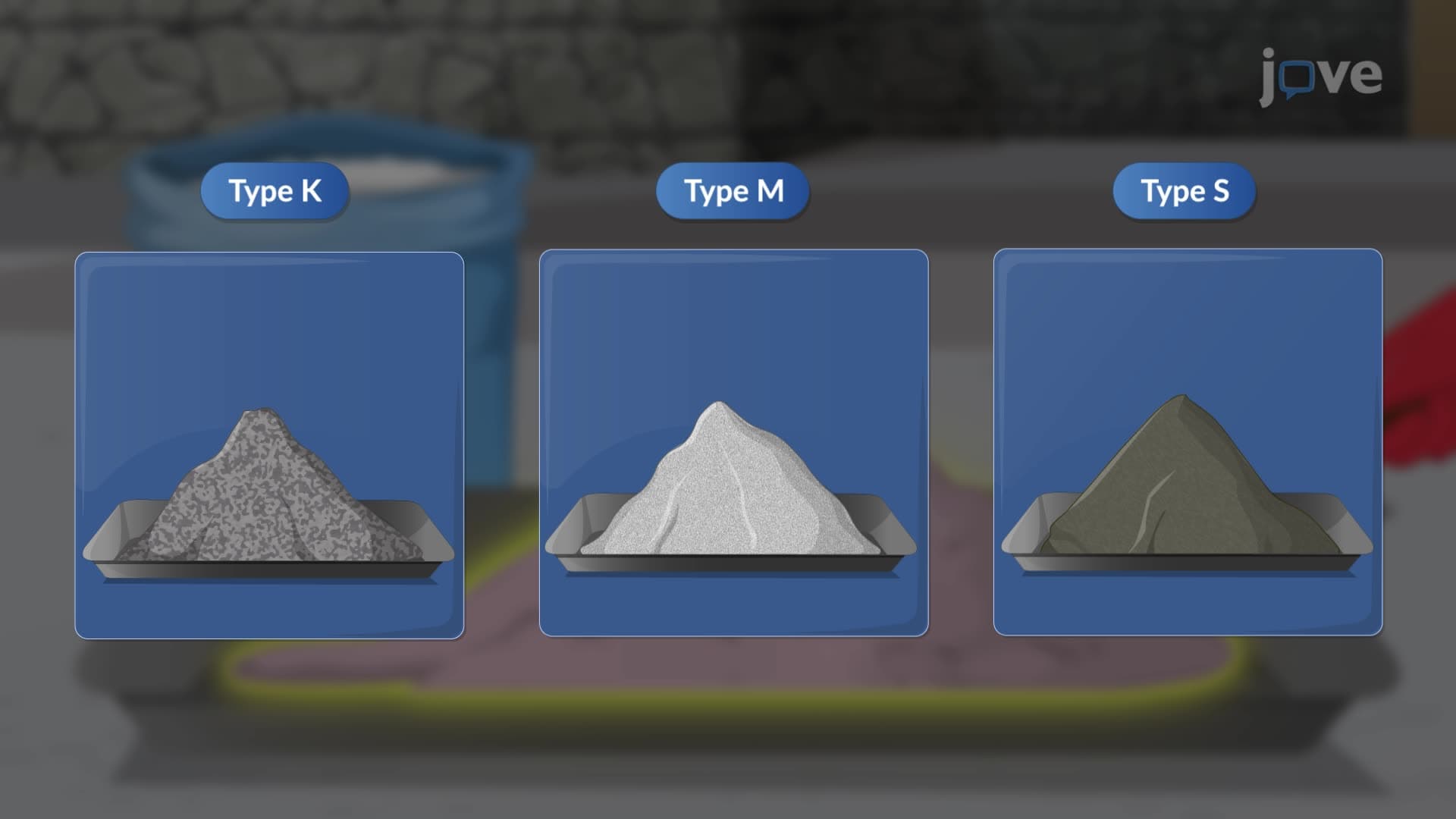
The types of cement I classification system, established by ASTM International, categorizes Portland cement into five distinct types based on chemical composition and intended applications. This standardization ensures that engineers and contractors across the United States can specify the appropriate cement for specific construction challenges, from routine building projects to specialized infrastructure requiring unique performance characteristics.
Type III cement contains higher percentages of tricalcium silicate (C3S), enabling accelerated strength development crucial for time-sensitive applications. When the San Francisco Bay Area's BART system requires overnight track repairs, Type III cement allows concrete to achieve sufficient strength for train traffic within 12-24 hours. This rapid hardening capability makes it indispensable for airport runway repairs, where extended closures cost airlines millions of dollars daily. The increased C3S content, typically 50-60% compared to 45-55% in ordinary cement, drives faster hydration reactions but requires careful temperature control during placement.
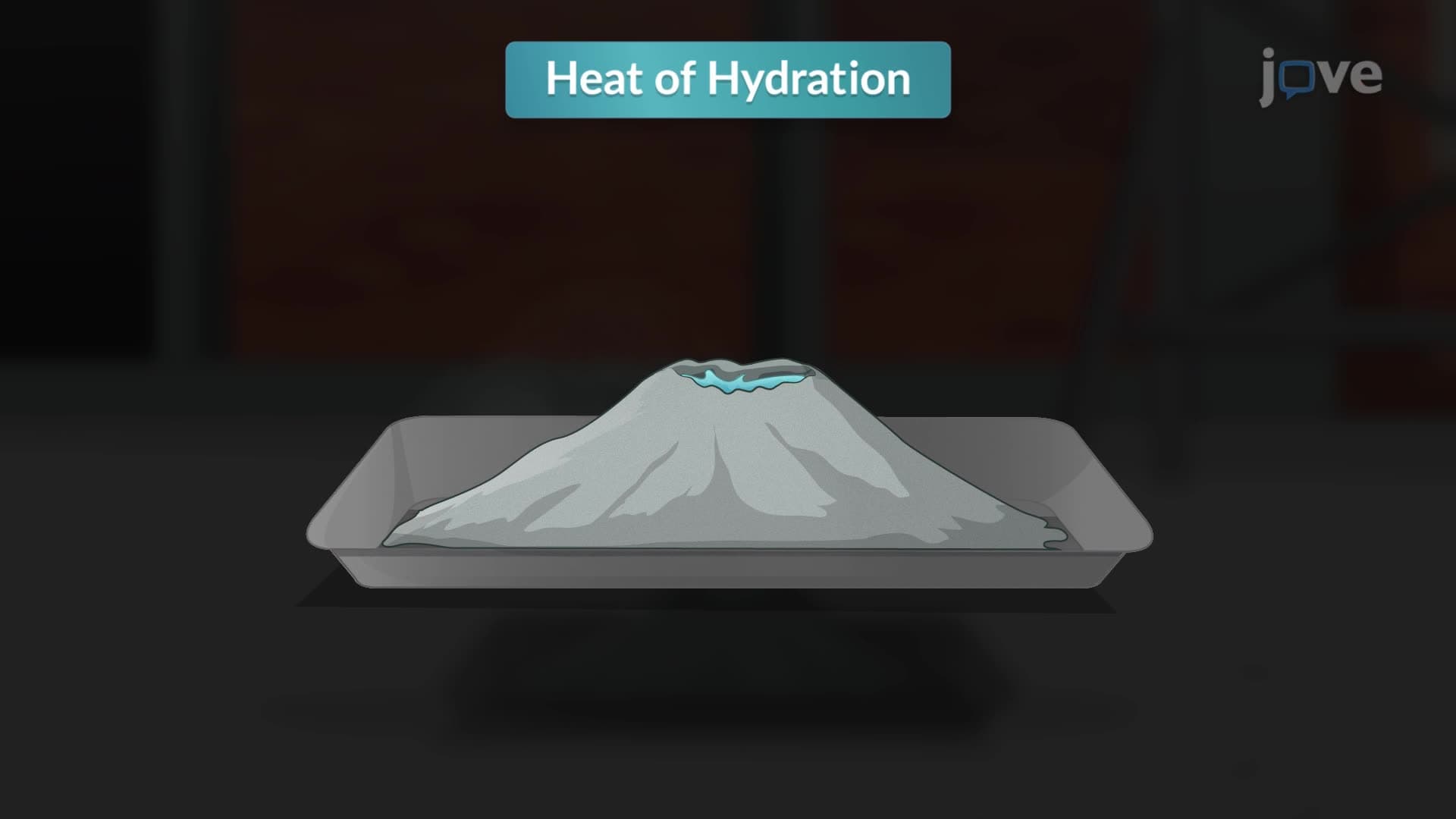
Massive concrete structures like the Hoover Dam face unique challenges during construction due to heat generated during cement hydration. Type IV cement addresses this through reduced C3S and C3A content, minimizing heat generation that could create temperature differentials leading to thermal cracking. While initial strength development is slower, 90-day compressive strengths match other cement types. Modern applications include nuclear power plant containment structures and large bridge piers where thermal integrity is paramount. The reduced lime content, typically 58-62% compared to 62-65% in ordinary cement, contributes to lower heat evolution.
Sulfate attack represents a significant threat to concrete durability, particularly in environments like wastewater treatment plants and coastal structures. Type V cement, with C3A content limited to 5%, provides maximum sulfate resistance for severe exposure conditions like the concrete foundations of the Chesapeake Bay Bridge. Type II cement, containing 6-8% C3A, offers moderate sulfate resistance suitable for structures exposed to groundwater with elevated sulfate levels. Understanding these distinctions proves essential for AP Chemistry students studying cement chemistry and college engineering students in materials science courses, where sulfate attack mechanisms frequently appear on exams.
Related Micro-courses