Loading subject page…


3,826 views

Video Summary: What are Types of Cement Ii
Ever wondered why the Hoover Dam hasn't cracked after nearly a century of extreme temperature changes? The answer lies in specialized types of cement II that engineers select based on specific performance requirements. These advanced cement varieties-including slag cement, white cement, expansive cement, air-entrained cement, and waterproof cement-each serve distinct purposes in construction projects across America, from skyscrapers in Manhattan to bridges spanning the Mississippi River. Watch the full video on JoVE Coach to master this concept with expert-led visuals and step-by-step explanations.
Types of cement II represent specialized formulations engineered to meet specific performance demands that standard Portland cement cannot adequately address. These advanced cement varieties incorporate supplementary materials or undergo modified manufacturing processes to achieve enhanced properties essential for challenging construction environments.
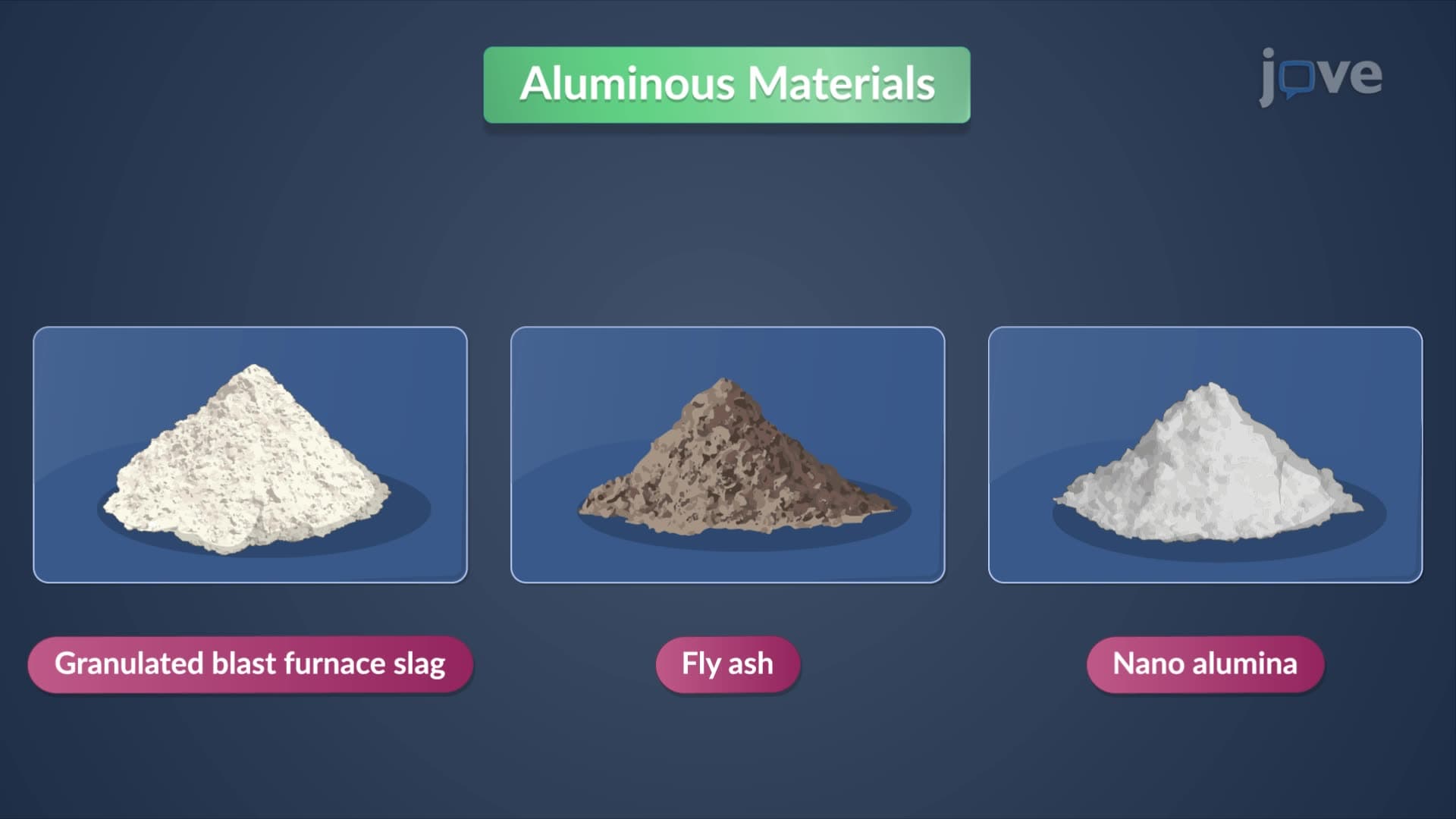
Slag cement exemplifies sustainable engineering by transforming granulated blast-furnace slag-a steel industry byproduct-into a valuable construction material. This cement type demonstrates superior resistance to chloride penetration and sulfate attack, making it ideal for marine structures and industrial facilities. The Port of Los Angeles extensively uses slag cement in its concrete structures due to the harsh saltwater environment. For AP Chemistry students, slag cement illustrates practical applications of chemical composition effects on material properties-the reduced calcium hydroxide content in hydrated slag cement limits alkali-aggregate reactions while improving long-term strength development.
White cement production requires careful raw material selection, utilizing chalk and china clay with minimal iron and manganese oxide content. The Getty Center in Los Angeles showcases white cement's architectural potential, where the distinctive color enhances the building's visual impact. Adding mineral pigments creates colored cement varieties used in decorative concrete applications throughout American cities. College materials science courses often examine how trace elements affect both color and performance characteristics.
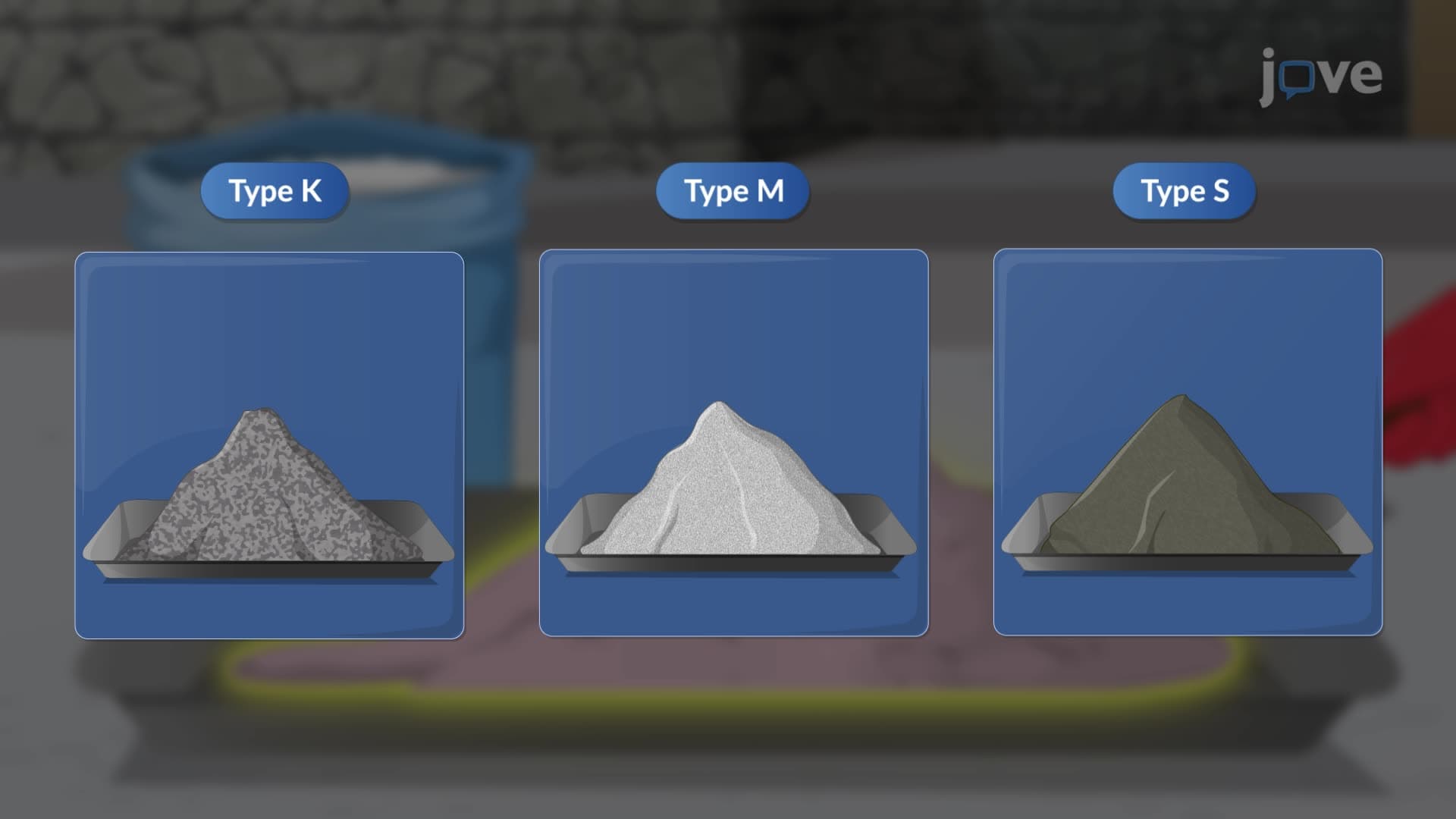
Expansive cements (Types K, M, and S) incorporate calcium sulfoaluminate compounds that undergo controlled expansion during hydration, counteracting typical concrete shrinkage. This technology proves crucial in applications like bridge deck construction, where shrinkage cracks can compromise structural integrity. Air-entrained cement creates microscopic voids that accommodate water expansion during freeze-thaw cycles-essential for concrete durability in northern US climates where winter temperatures regularly drop below freezing.
Waterproof cement integrates water-repellent additives directly into the cement matrix, providing inherent moisture protection. Subway tunnel construction in cities like New York relies heavily on waterproof cement formulations to prevent groundwater infiltration. MCAT test-takers studying materials properties should understand how these modifications alter the fundamental cement hydration chemistry while maintaining structural performance.
Related Micro-courses