Loading subject page…


3,825 views

Video Summary: What Is Portland Cement
Every time you walk on a sidewalk or drive over a bridge, you're relying on portland cement, the crucial binding agent that holds America's infrastructure together. This hydraulic cement, invented in the early 1800s and named after England's Portland stone, transforms from powder to rock-solid concrete through a fascinating chemical process involving limestone, clay, and extreme heat. From the Hoover Dam to your local school's foundation, what is portland cement becomes clear when you see its role in creating durable concrete structures. Watch the full video on JoVE Coach to master this concept with expert-led visuals and step-by-step explanations.
Portland cement serves as the essential hydraulic binder that transforms aggregate materials into the concrete that builds our world. Unlike simple lime mortars used in ancient construction, Portland cement undergoes complex chemical reactions with water to form incredibly strong, durable bonds that can withstand decades of weathering and structural stress.
The portland cement definition begins with understanding its source materials. Calcareous materials (primarily limestone) provide the calcium oxide, while argillaceous materials (clay and shale) contribute silica, alumina, and iron oxide. These raw materials are carefully proportioned, typically 75-80% limestone and 20-25% clay-based materials, to achieve the precise chemical balance needed for optimal cement properties.
The four main compounds formed during manufacturing each serve specific functions. Tricalcium silicate (C3S) provides early strength development, making concrete workable within hours. Dicalcium silicate (C2S) contributes to long-term strength, continuing to strengthen concrete for years. Tricalcium aluminate (C3A) affects setting time but can cause unwanted rapid hardening, while tetracalcium aluminoferrite (C4AF) helps with the manufacturing process and provides some resistance to chemical attack.
Understanding portland cement requires grasping its complex manufacturing process. After quarrying and crushing, raw materials undergo either wet or dry processing. The dry process, more energy-efficient and widely used in modern plants, involves grinding materials to powder and blending them in precise proportions. The wet process, though less common today, mixes materials with water to form a slurry.
Both processes culminate in the rotary kiln stage, where materials reach temperatures of 2,700°F (1,480°C). This extreme heat transforms the raw materials into clinker, small, marble-sized pellets containing the four main cement compounds. After cooling, clinker is ground with 3-5% gypsum, which controls setting time and prevents flash setting that would make concrete unworkable.
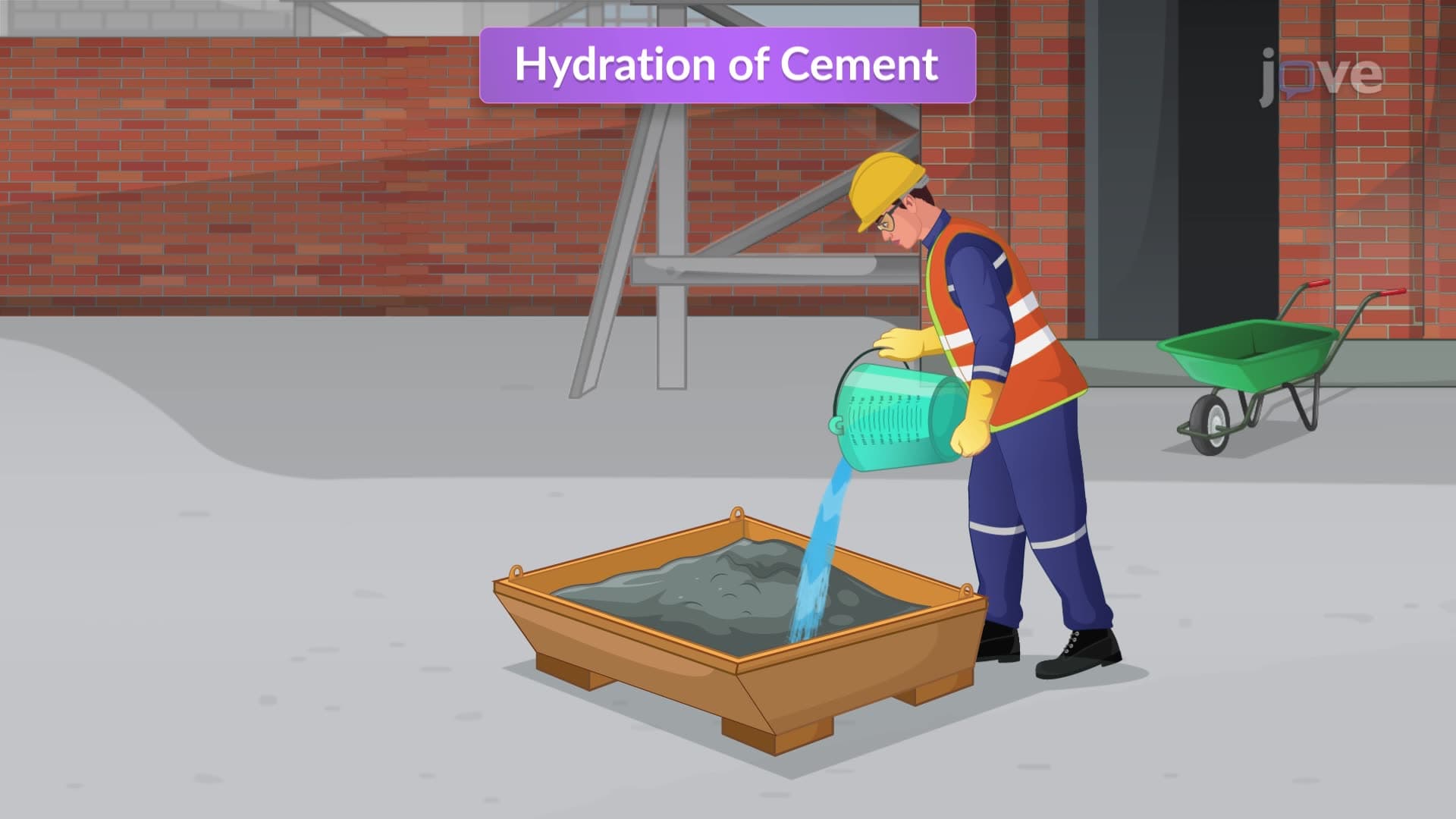
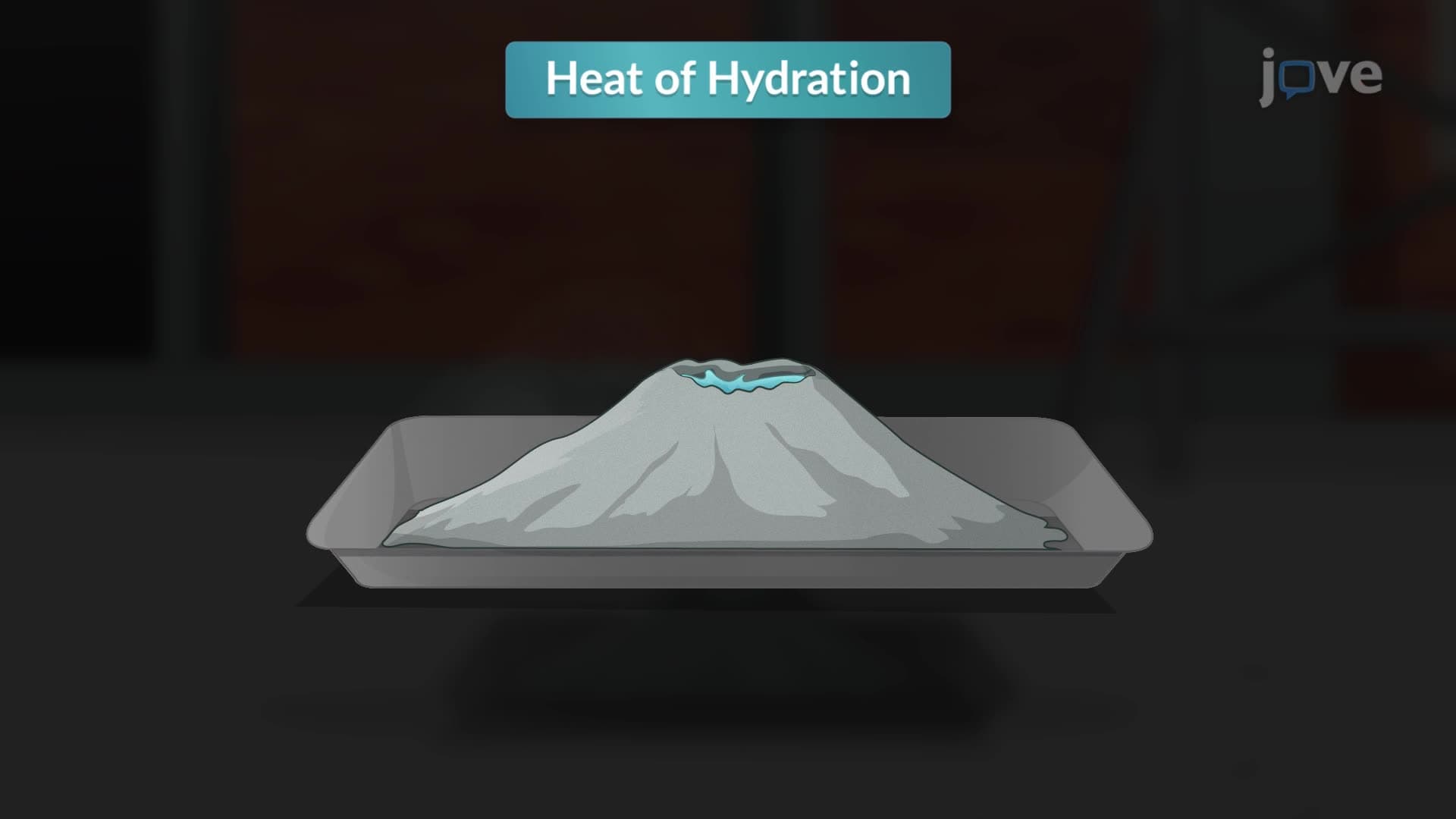
For students preparing for AP Chemistry or college-level materials science courses, what is portland cement in detail connects to broader concepts of crystallography, chemical kinetics, and thermodynamics. The hydration reactions that occur when cement meets water demonstrate complex chemical equilibria and heat evolution principles tested on standardized exams.
In professional practice, understanding Portland cement types becomes crucial for civil engineering students. Type II offers moderate sulfate resistance for foundations in certain soil conditions, while Type III provides high early strength for projects requiring rapid construction schedules, knowledge essential for the Fundamentals of Engineering (FE) exam.
Related Micro-courses