Loading subject page…

Micro-course: Introduction to Concrete
3,825 views
Learn key concepts and earn your certificate.

Pozzolans

00:00
01:21
Video Summary: What Is Pozzolans
Ever wondered why the Roman Pantheon's concrete dome has stood for nearly 2,000 years while modern concrete often cracks within decades? The secret lies in pozzolans, remarkable materials that transform ordinary Portland cement into superior concrete. These siliceous and aluminous compounds, including volcanic ash and fly ash from coal power plants, react with cement to create stronger, more durable structures like the Hoover Dam. Watch the full video on JoVE Coach to master this concept with expert-led visuals and step-by-step explanations.
- Understand what pozzolans are and their fundamental role in enhancing Portland cement properties
- Identify natural pozzolans (volcanic ash, pumicite) versus synthetic pozzolans (fly ash from power plants)
- Analyze the chemical reaction process between pozzolans and calcium hydroxide during cement hydration
- Compare the hydration characteristics of pozzolan-cement mixtures versus pure Portland cement
- Evaluate applications of pozzolan-enhanced concrete in roller-compacted, mass, and chemically resistant construction
- Apply knowledge of volume replacement principles when substituting cement with pozzolans
- Recognize the strength activity index as a measurement tool for pozzolanic effectiveness
- Explore the environmental and performance benefits of incorporating pozzolans in construction projects
Understanding Pozzolans: The Foundation of Durable Concrete
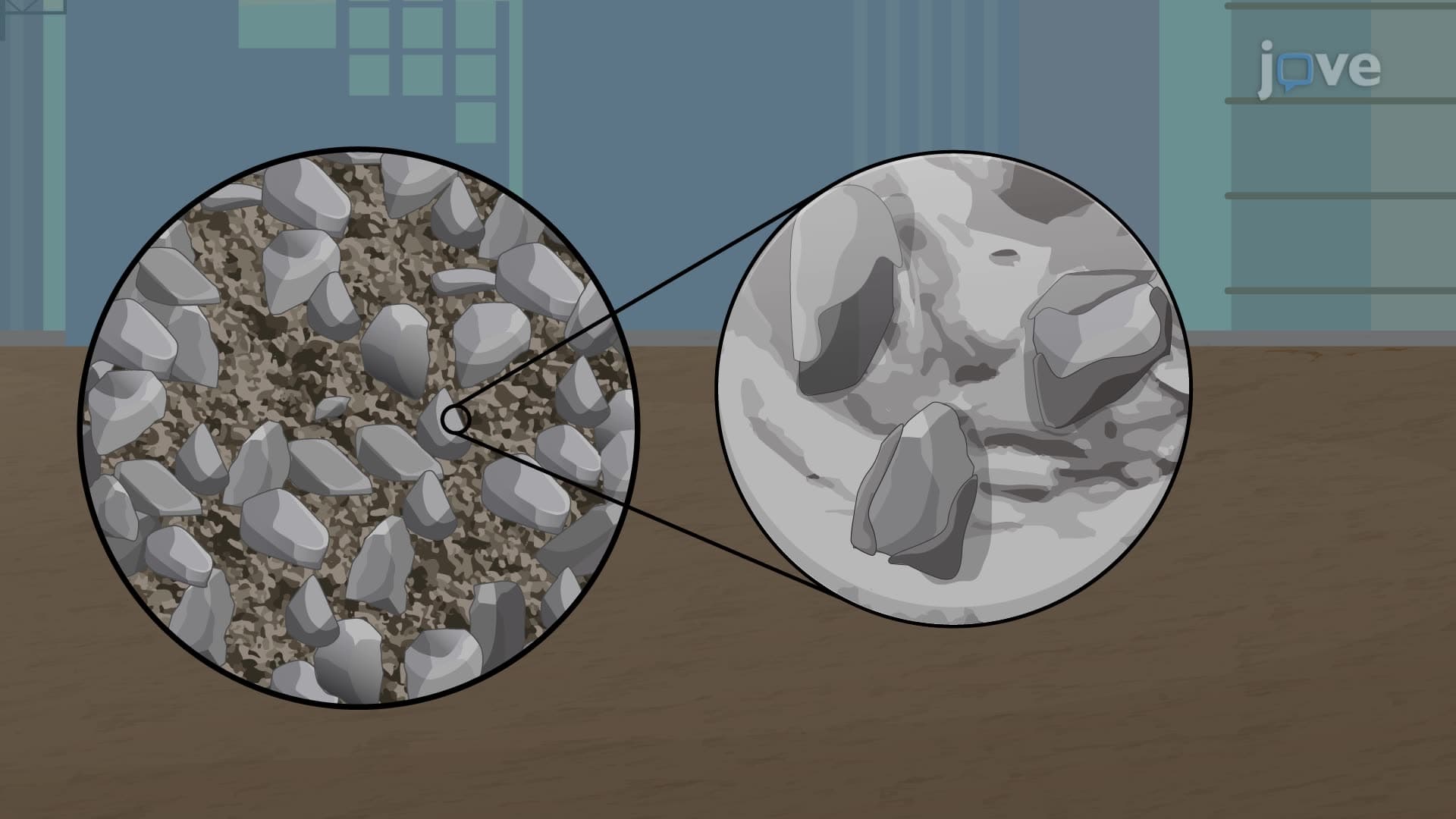
Pozzolans represent a revolutionary class of supplementary cementitious materials that have transformed modern construction engineering. These finely divided siliceous and aluminous materials possess the unique ability to react chemically with calcium hydroxide in the presence of water, forming additional cementitious compounds that enhance concrete's overall performance.
Natural vs. Synthetic Pozzolans: Sources and Properties
Natural pozzolans originate from geological processes, primarily volcanic activity. Volcanic ash from regions like Mount St. Helens and pumicite deposits throughout the western United States provide excellent natural pozzolan sources. These materials formed through rapid cooling of volcanic glass, creating the ideal amorphous structure necessary for pozzolanic activity.
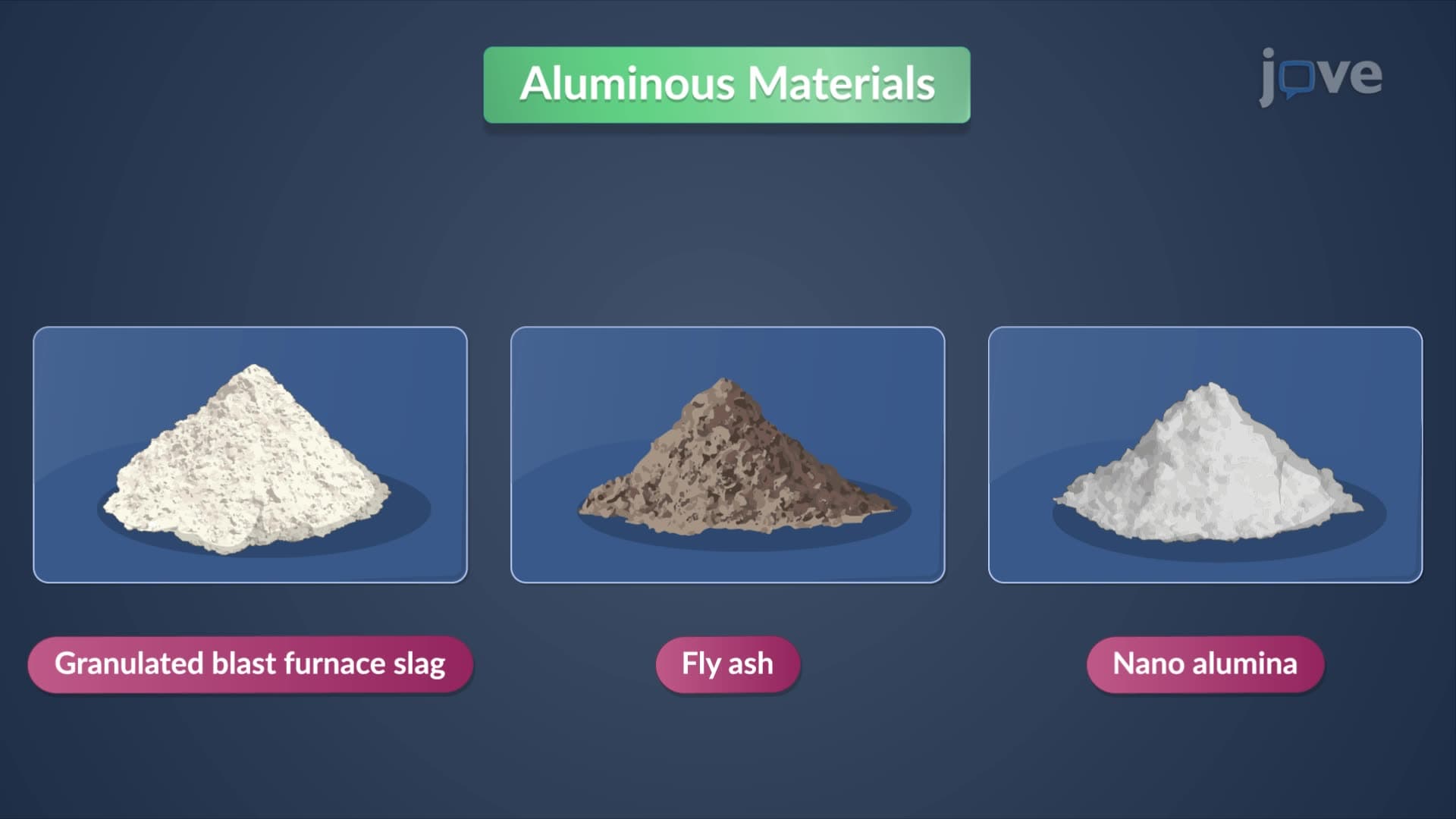
Synthetic pozzolans, conversely, result from industrial processes. Fly ash, the most common synthetic pozzolan in the United States, comes from coal-fired power plants' flue gases. With over 130 coal plants nationwide producing approximately 50 million tons of fly ash annually, this material represents both an environmental solution and construction enhancement. Silica fume from silicon metal production and ground granulated blast furnace slag from steel manufacturing also serve as valuable synthetic pozzolans.
Chemical Mechanisms and Performance Benefits
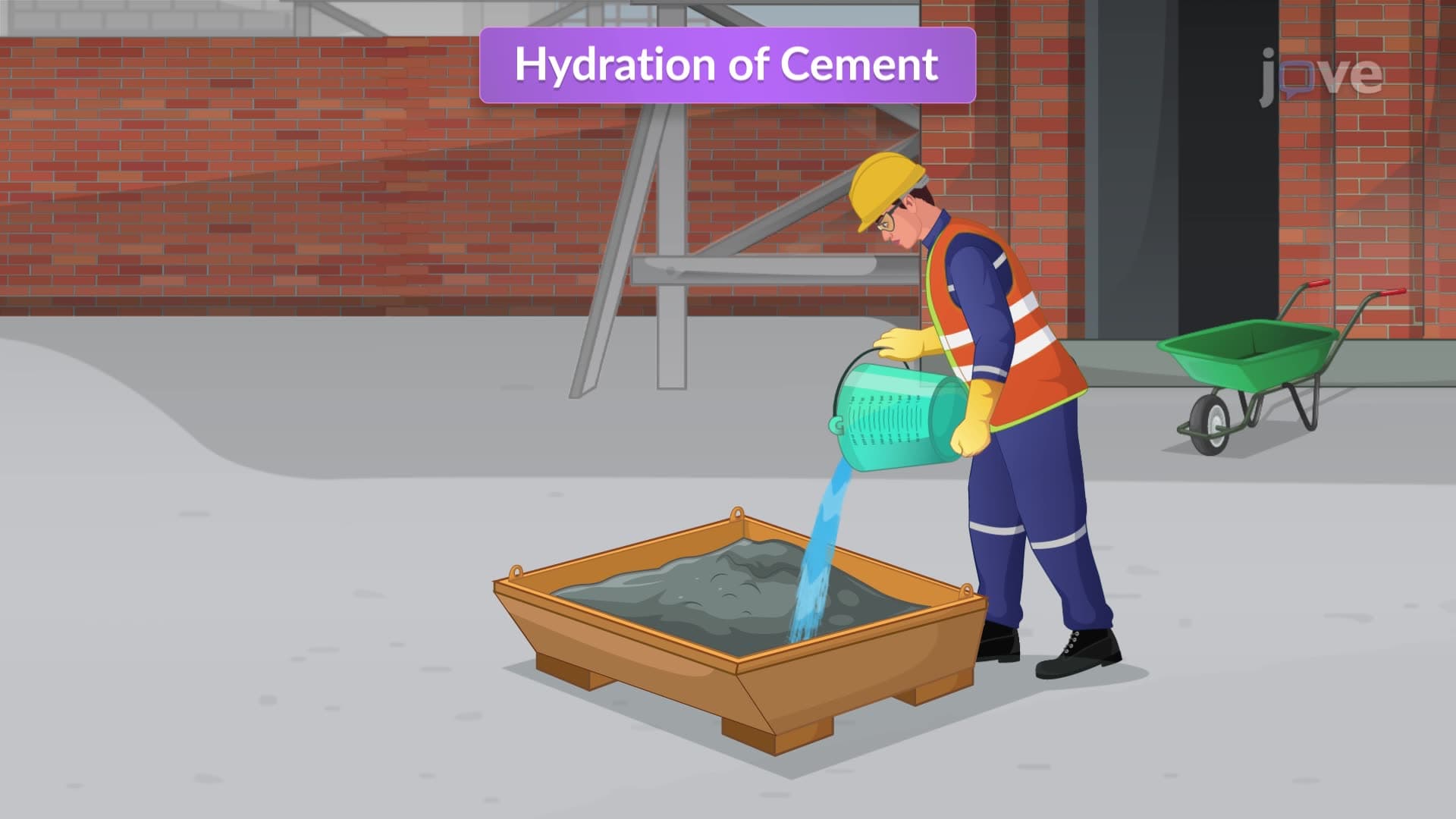
The pozzolanic reaction occurs when these materials encounter calcium hydroxide (Ca(OH)2) released during Portland cement hydration. This secondary reaction produces calcium silicate hydrate (C-S-H) gel, identical to the primary binding agent in concrete. However, pozzolanic reactions proceed more slowly than cement hydration, resulting in extended setting times and reduced heat generation.
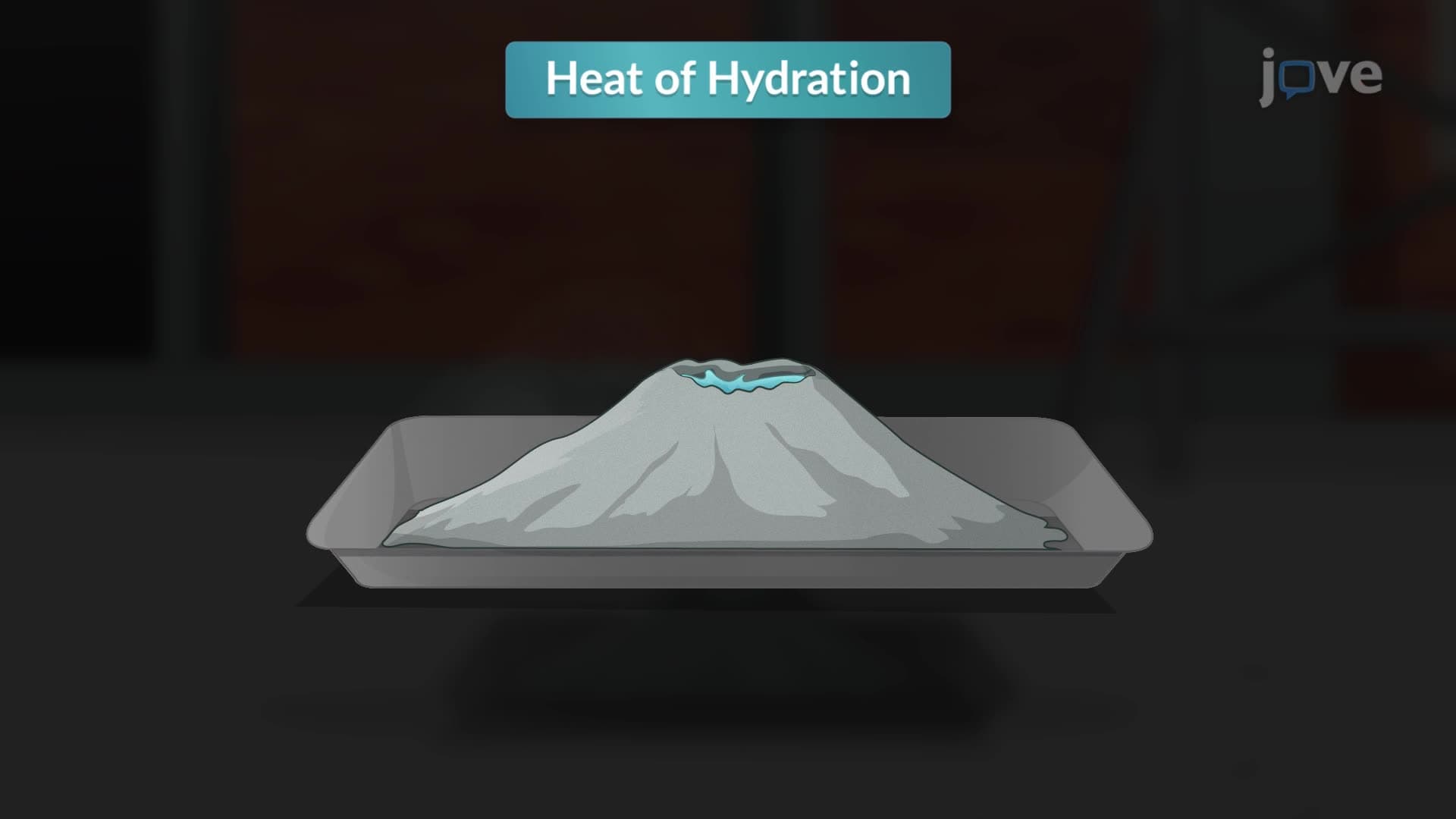
This slower reaction rate proves advantageous in mass concrete applications like dam construction, where excessive heat buildup can cause thermal cracking. The Hoover Dam, completed in 1935, utilized natural pozzolan to manage heat of hydration across its massive 6.6 million cubic yards of concrete.
Engineering Applications and Testing Standards
Pozzolan-enhanced concrete finds extensive use in roller-compacted concrete for pavements, mass concrete structures, and chemically resistant applications. The American Society for Testing and Materials (ASTM) has established rigorous standards, including ASTM C618 for fly ash specifications and ASTM C311 for sampling and testing procedures.
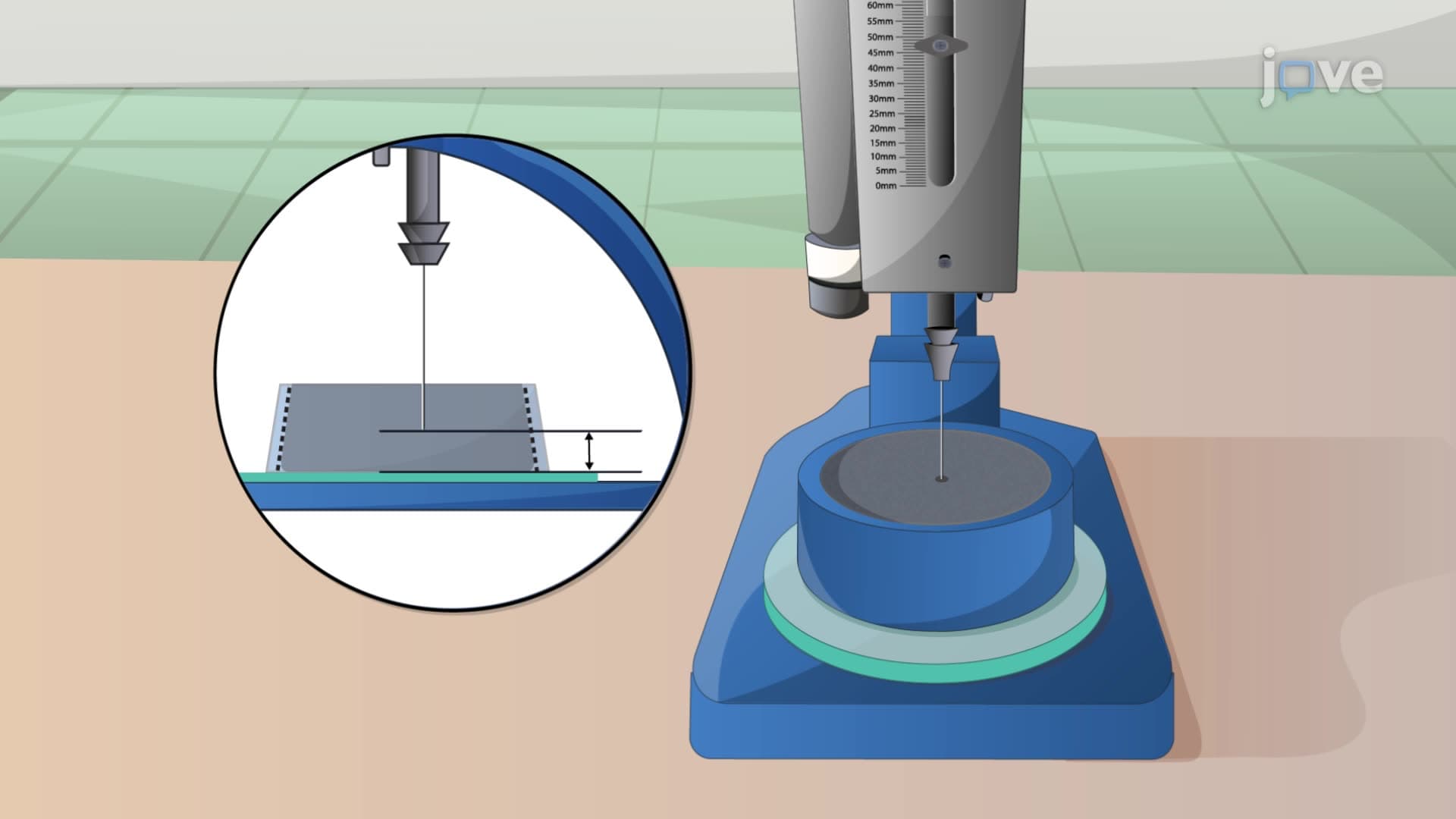
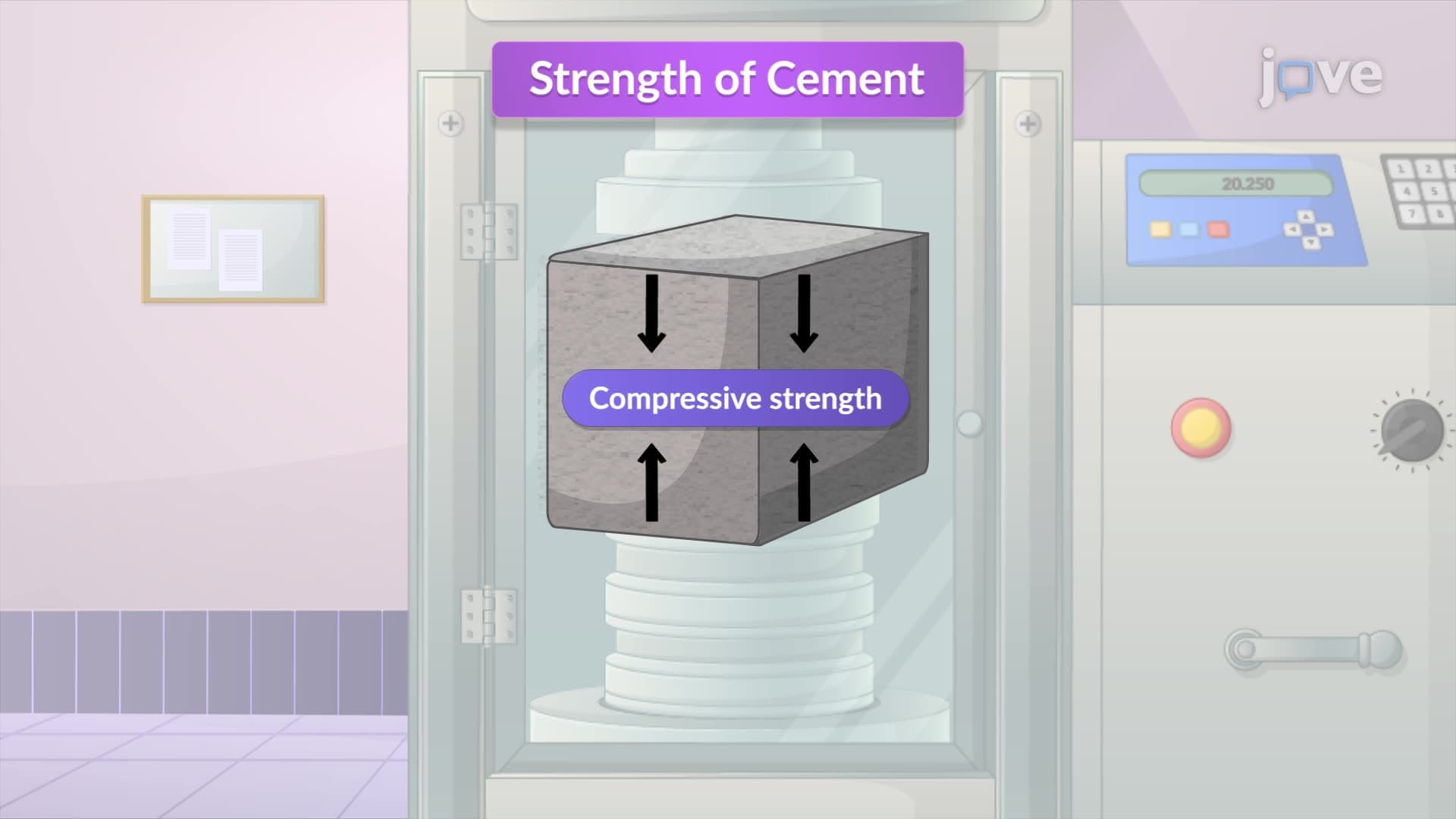
The strength activity index serves as the primary measure of pozzolanic effectiveness, comparing 28-day compressive strength of cement-pozzolan mixtures against control samples. Values above 75% indicate acceptable pozzolanic activity, while premium pozzolans achieve indices exceeding 90%.
Students preparing for AP Chemistry, Materials Science courses, or the Fundamentals of Engineering (FE) exam should understand that pozzolan replacement requires volume adjustments due to lower specific gravity compared to cement, typically requiring 10-20% additional volume for equivalent weight replacement.
Frequently Asked Questions
Pozzolans are fine materials that react with cement to make concrete stronger and more durable. They can be natural (like volcanic ash) or synthetic (like fly ash from power plants), and they help create the same binding compounds that make concrete hard, just through a different chemical pathway.
Pozzolans are siliceous and aluminous materials that undergo secondary cementitious reactions with calcium hydroxide released during Portland cement hydration. This pozzolanic reaction produces additional C-S-H gel, improving concrete's long-term strength, reducing permeability, and enhancing chemical resistance while moderating heat of hydration.
Yes, pozzolans frequently appear on the FE Civil exam under materials and concrete sections. AP Chemistry may include pozzolanic reactions as examples of slow chemical processes or supplementary cementitious materials, particularly in thermodynamics and kinetics contexts.
Pozzolans address critical infrastructure challenges by extending concrete service life, reducing thermal cracking in mass concrete like bridge foundations, and improving resistance to sulfate attack in coastal areas like Florida's highways exposed to seawater.
Not at all! If you understand basic chemistry concepts like chemical reactions and pH, you can grasp pozzolans easily. Think of them as "helper materials" that make concrete stronger by creating additional binding agents through simple chemical processes.
Focus on the reaction mechanism (pozzolan + Ca(OH)2 → C-S-H), memorize common types (fly ash, silica fume, volcanic ash), understand the strength activity index calculation, and practice problems involving volume replacement calculations due to density differences.
Explore other supplementary cementitious materials like ground granulated blast furnace slag, investigate alkali-silica reaction prevention, or delve into high-performance concrete design principles used in modern skyscraper construction and infrastructure projects.
Most materials engineering labs conduct strength activity index tests following ASTM C311, comparing compressive strength of mortar cubes with 20% pozzolan replacement against control samples, teaching students practical quality control methods used in construction industry.
Related Micro-courses