Loading subject page…


3,826 views

Video Summary: What Is Setting Time of Cement
Ever wonder why concrete sidewalks in New York City take hours to harden while your morning oatmeal sets in minutes? The setting time of cement determines this crucial transition from workable paste to solid foundation. This fundamental property affects everything from highway construction schedules to building project timelines across American infrastructure. Understanding what is setting time of cement reveals how engineers precisely control when cement transforms from its plastic state to rigid form using standardized testing methods. Watch the full video on JoVE Coach to master this concept with expert-led visuals and step-by-step explanations.
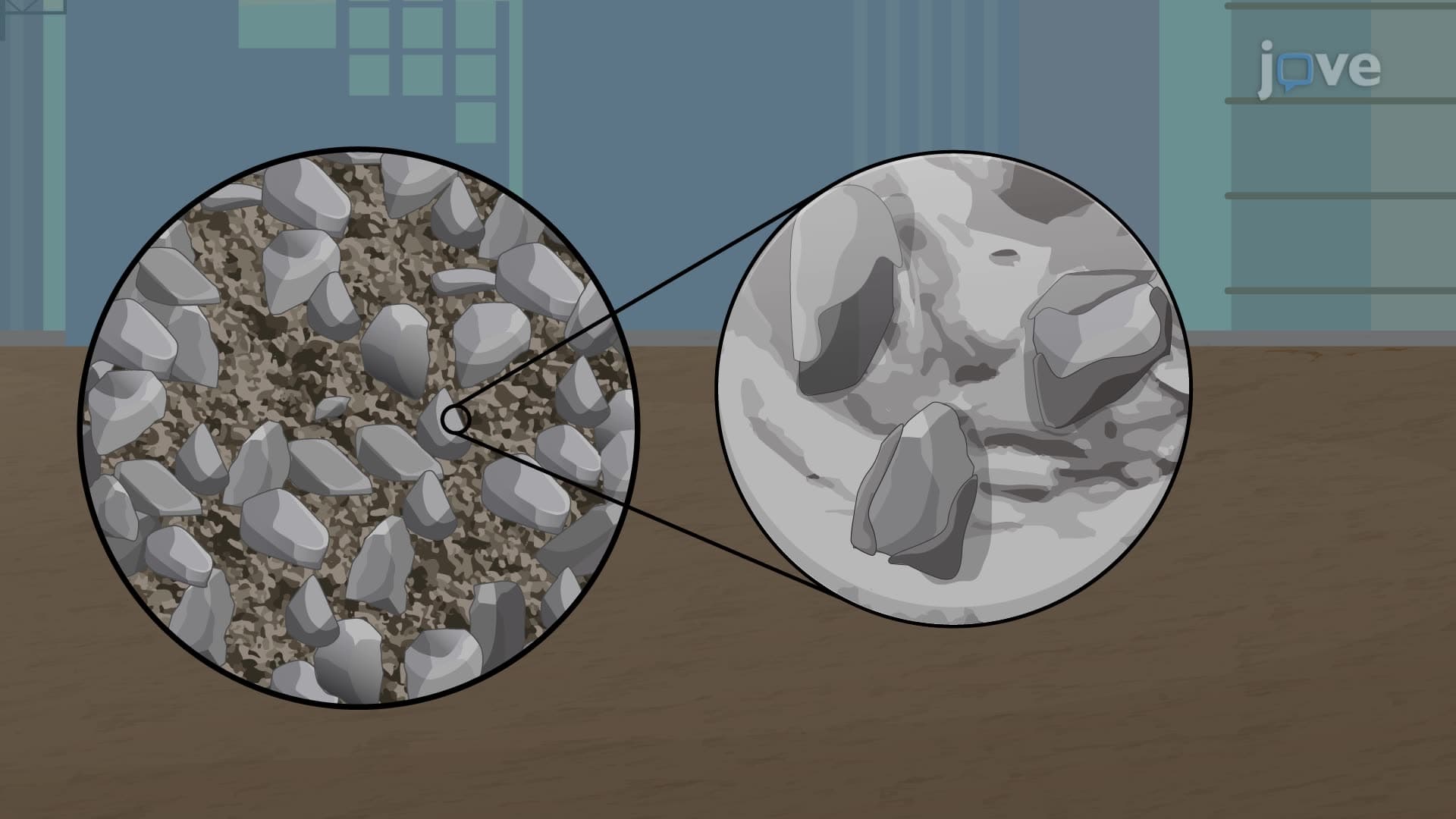
Setting time of cement represents one of the most critical properties governing construction timelines and material performance. This measurement quantifies the duration required for cement paste to transition from a workable, plastic consistency to a rigid, hardened state. Unlike simple drying, cement setting involves complex chemical hydration reactions that permanently transform the material's molecular structure.
The concept extends far beyond academic study-it directly impacts billion-dollar infrastructure projects across America. When the California Department of Transportation plans highway repairs, engineers must precisely calculate setting times to coordinate traffic patterns, equipment scheduling, and weather windows. Similarly, when constructing the foundation for a 50-story skyscraper in Chicago, contractors rely on accurate setting time predictions to ensure structural integrity and project efficiency.
The setting time of cement definition encompasses two distinct phases, each serving specific construction purposes. Initial setting time marks the moment when cement paste loses workability-the point where workers can no longer manipulate, shape, or place the material effectively. This typically occurs within 60 minutes minimum for Portland cement, providing sufficient time for mixing, transportation, and placement operations.
Final setting time indicates complete rigidity, when the cement can withstand significant load without deformation. American standards mandate this occurs within 10 hours, ensuring predictable construction schedules. Understanding these phases proves essential for AP Chemistry students studying chemical kinetics and college engineering majors analyzing material properties.
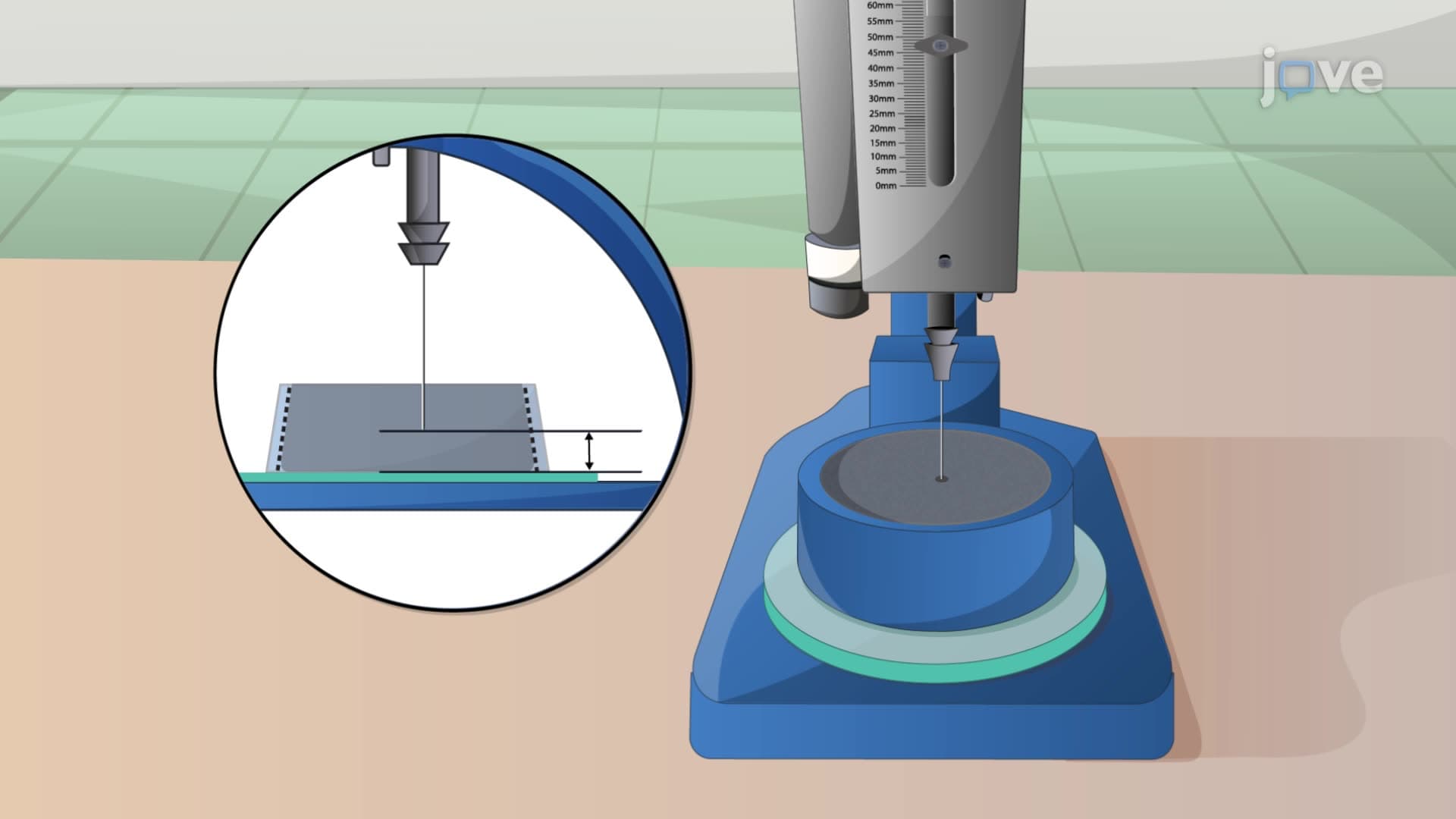
Standardized measurement requires sophisticated equipment. The Vicat apparatus employs a 0.04-inch diameter needle that penetrates cement paste at regular intervals. For initial setting time determination, testing continues until the needle stops at a specific distance from the mold bottom. Final setting time testing utilizes a needle with an annular attachment-testing concludes when this attachment fails to mark the paste surface.
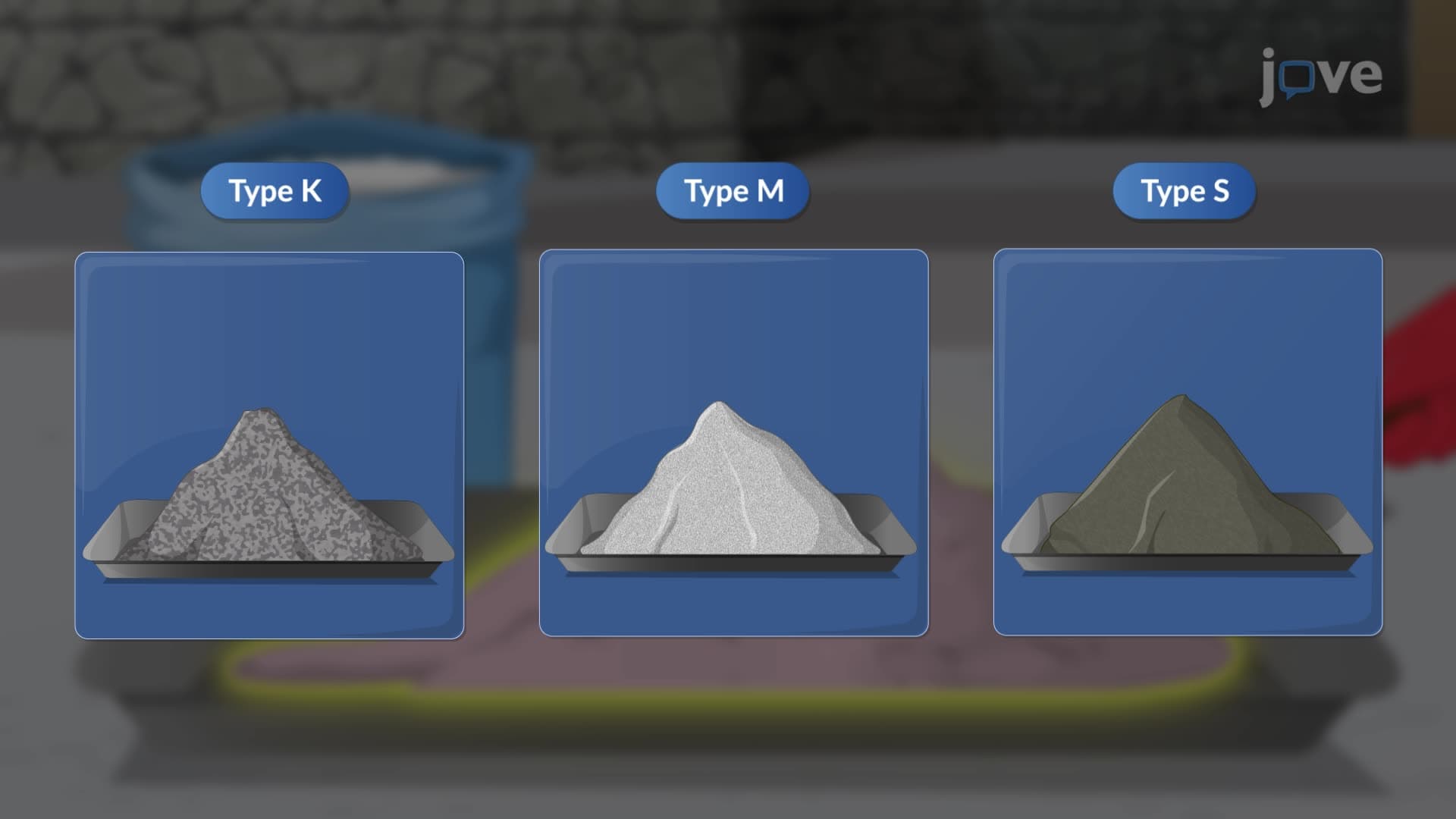
This methodology ensures consistency across American concrete suppliers, from small regional plants to major corporations like CEMEX and LafargeHolcim. The precision enables engineers to specify exact cement types for applications ranging from residential driveways to nuclear power plant containment structures.
Students preparing for the MCAT encounter setting time concepts when studying biochemical processes and reaction kinetics. Similarly, AP Chemistry coursework covers hydration reactions that parallel cement setting mechanisms. College materials science programs extensively analyze setting time data to understand structure-property relationships in construction materials.
Professional applications span every construction sector. Bridge engineers calculate setting times to coordinate deck pours with traffic management. Residential contractors use setting time knowledge to schedule foundation work around weather patterns. Even specialized applications like airport runway construction depend on precise setting time control to minimize flight disruptions while ensuring safety standards.
Related Micro-courses