Loading subject page…


3,826 views

Video Summary: What Is Soundness of Cement
Did you know that concrete structures like the Golden Gate Bridge can crack and fail years after construction due to cement expansion? Soundness of cement refers to a material's ability to maintain stable volume after hardening, preventing destructive expansion that could compromise structural integrity. When free lime, magnesia, and calcium sulfate in cement hydrate after setting, they can cause devastating expansion in buildings, bridges, and infrastructure across the United States. What is soundness of cement becomes critical when engineers select materials for major construction projects like highways and skyscrapers. Watch the full video on JoVE Coach to master this concept with expert-led visuals and step-by-step explanations.
Soundness of cement represents one of the most critical quality parameters in construction materials engineering. This fundamental property determines whether concrete structures will maintain their dimensional stability over decades of service life. When cement lacks adequate soundness, buildings, bridges, and infrastructure can experience catastrophic failure long after construction completion.
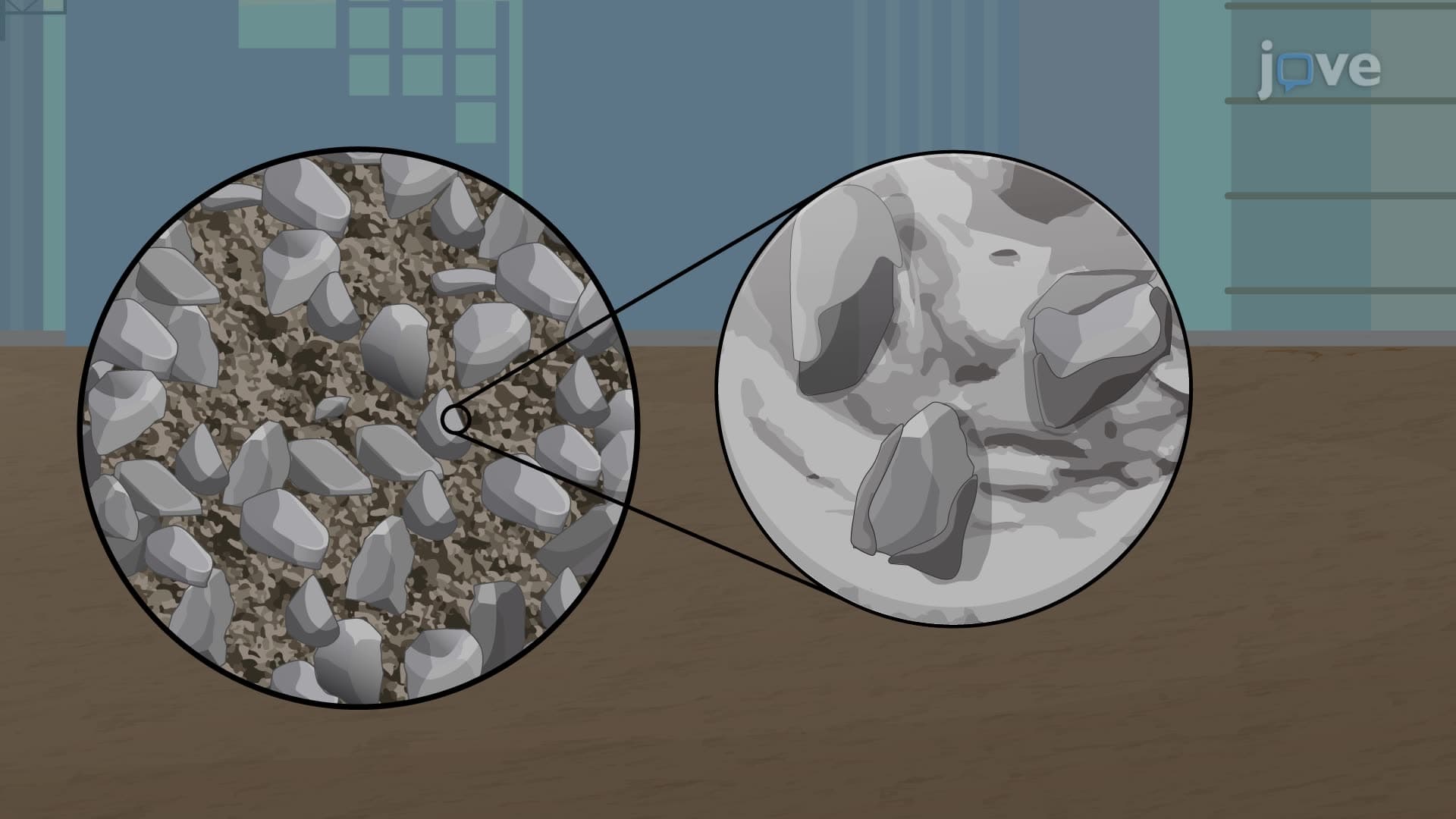
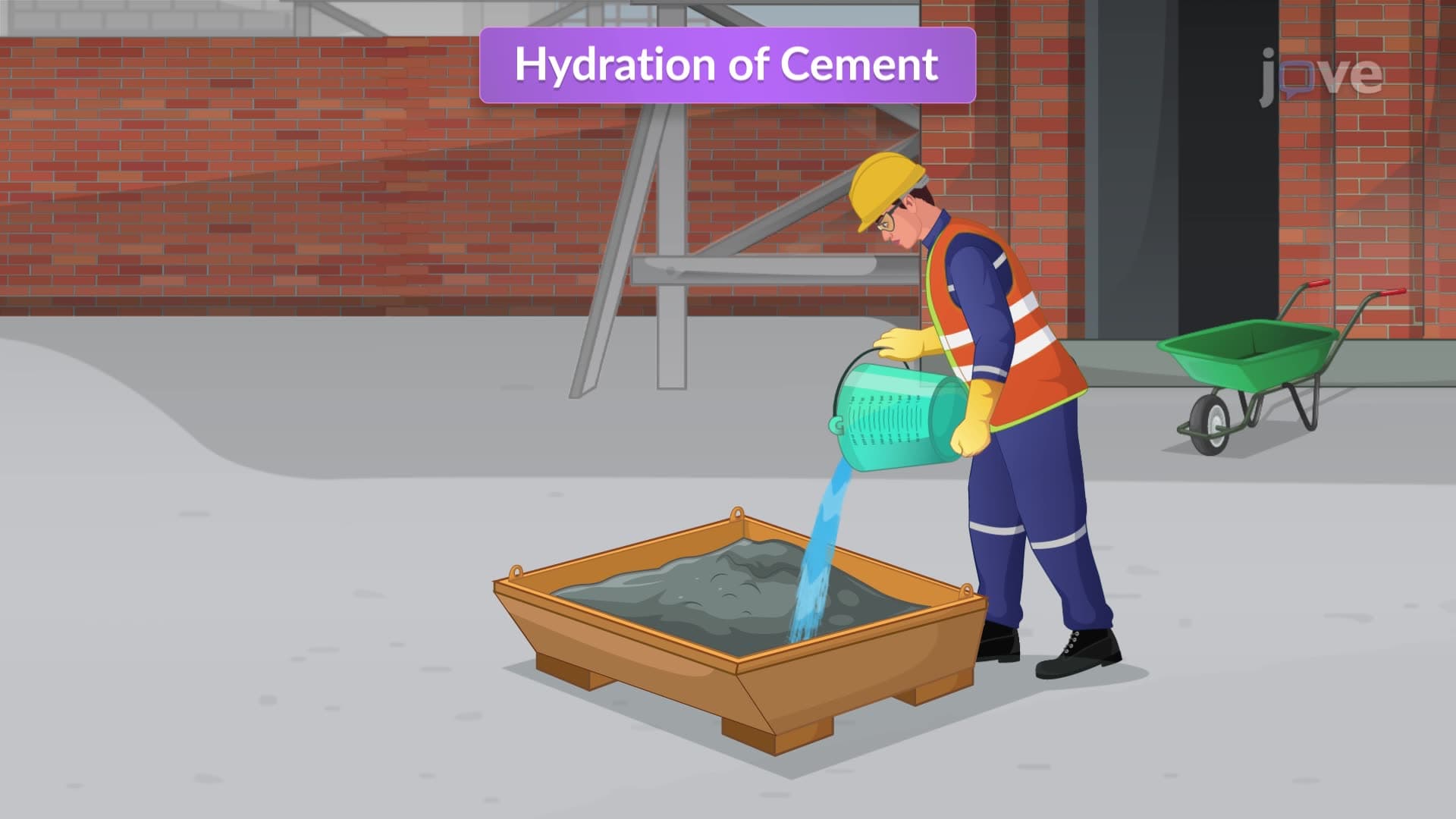
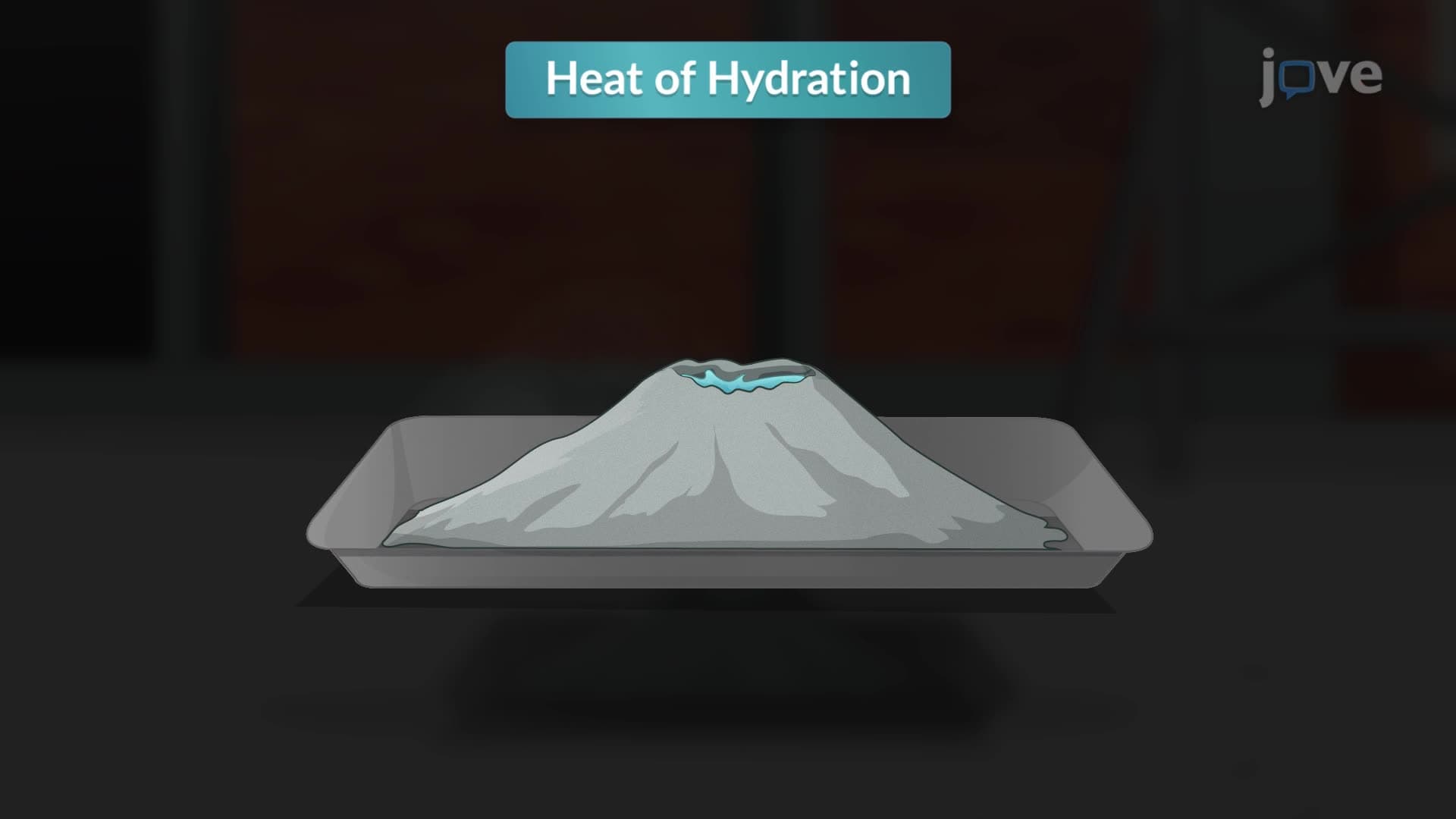
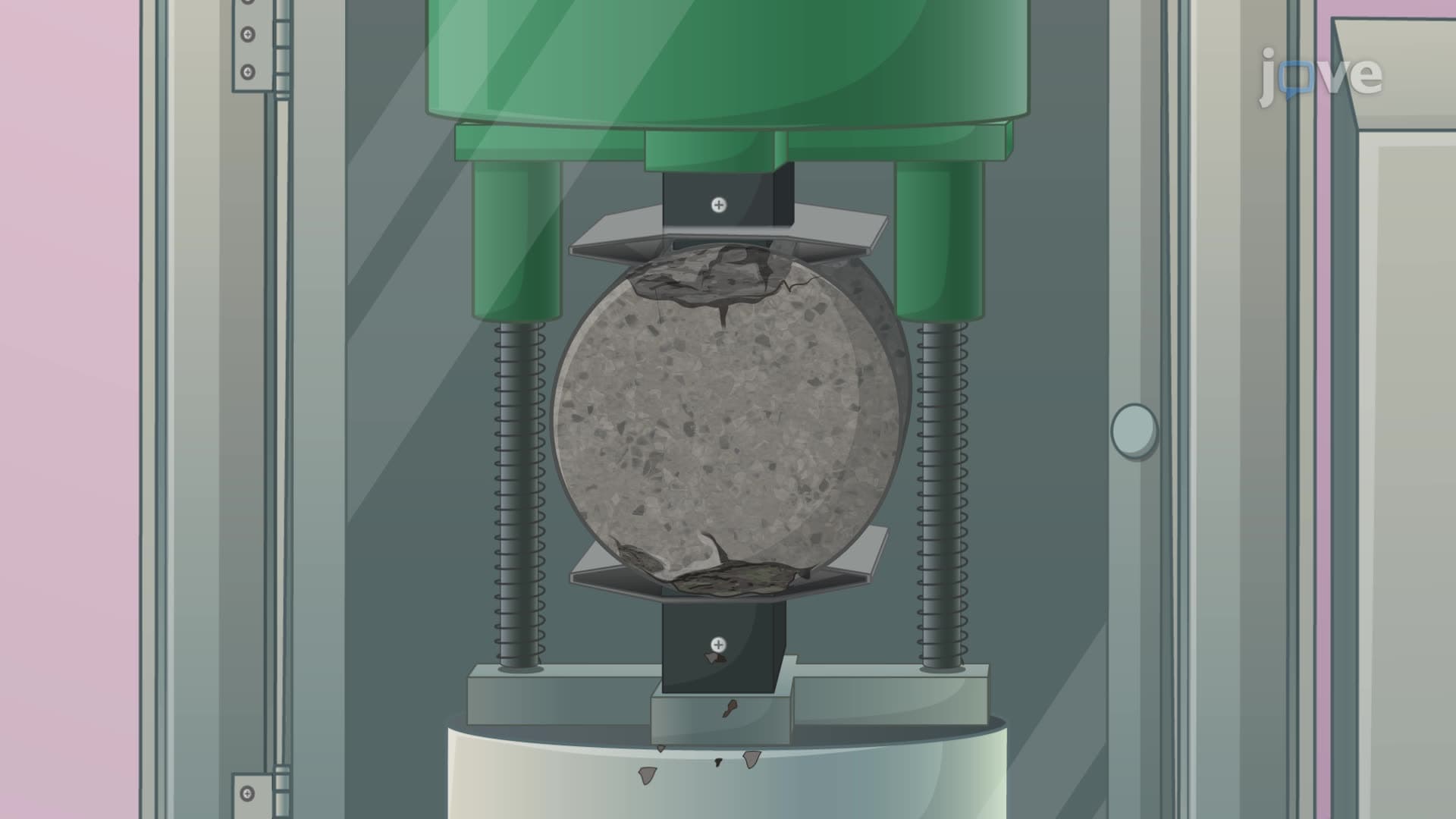
The soundness problem stems from three key chemical compounds: free lime (CaO), magnesia (MgO), and calcium sulfate (CaSO₄·2H₂O). During cement manufacturing, these compounds may not fully react, remaining as unreacted particles within the hardened cement matrix. Years later, when moisture penetrates the concrete, these dormant compounds undergo delayed hydration reactions that produce significant volume expansion.
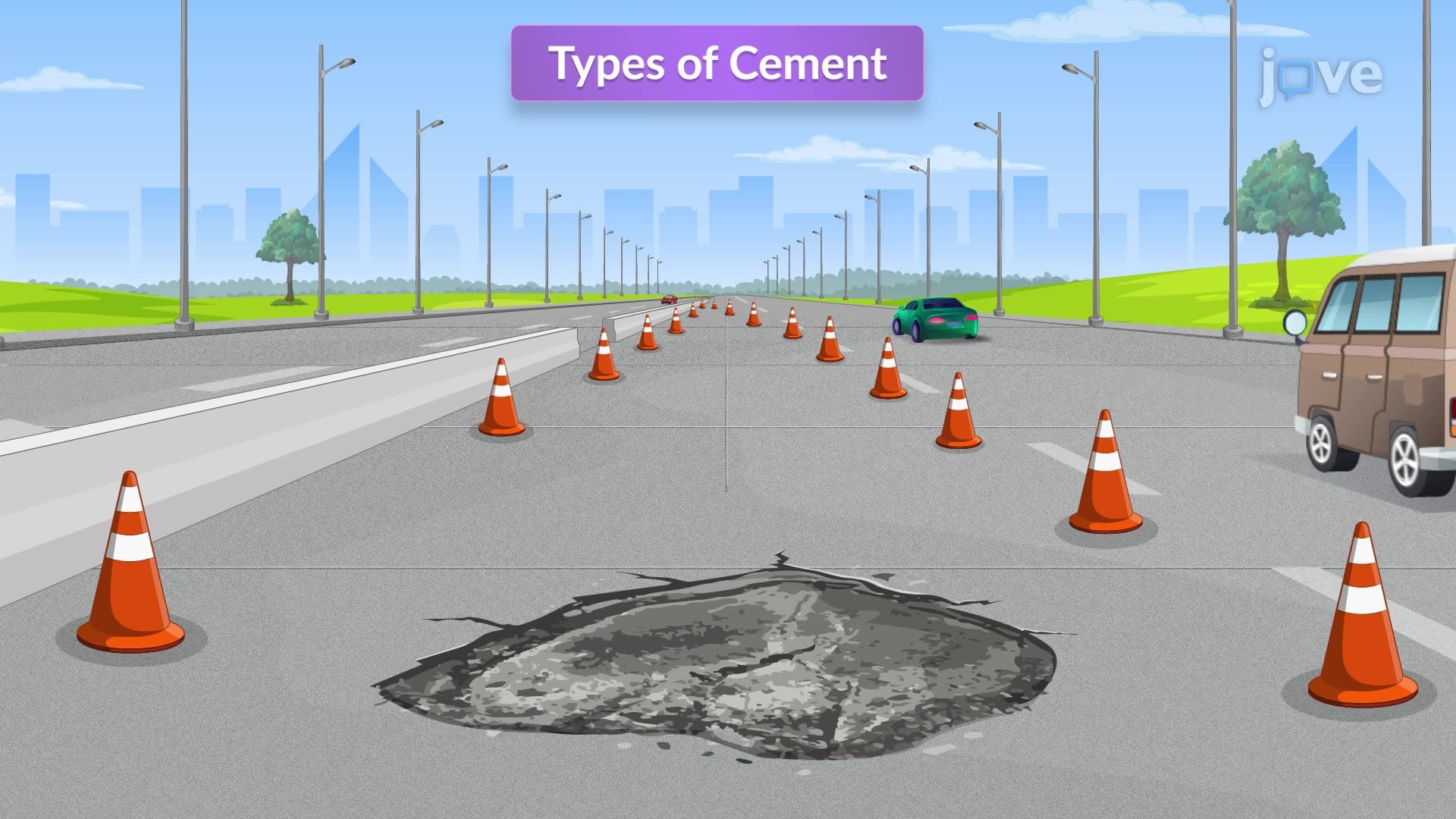
Free lime presents the most immediate concern, as it hydrates to form calcium hydroxide with substantial volume increase. Magnesia expansion occurs more slowly but can be equally destructive, particularly in highway pavements exposed to freeze-thaw cycles. The US Department of Transportation has documented numerous cases where poor cement soundness led to premature pavement failure, costing taxpayers millions in repairs.
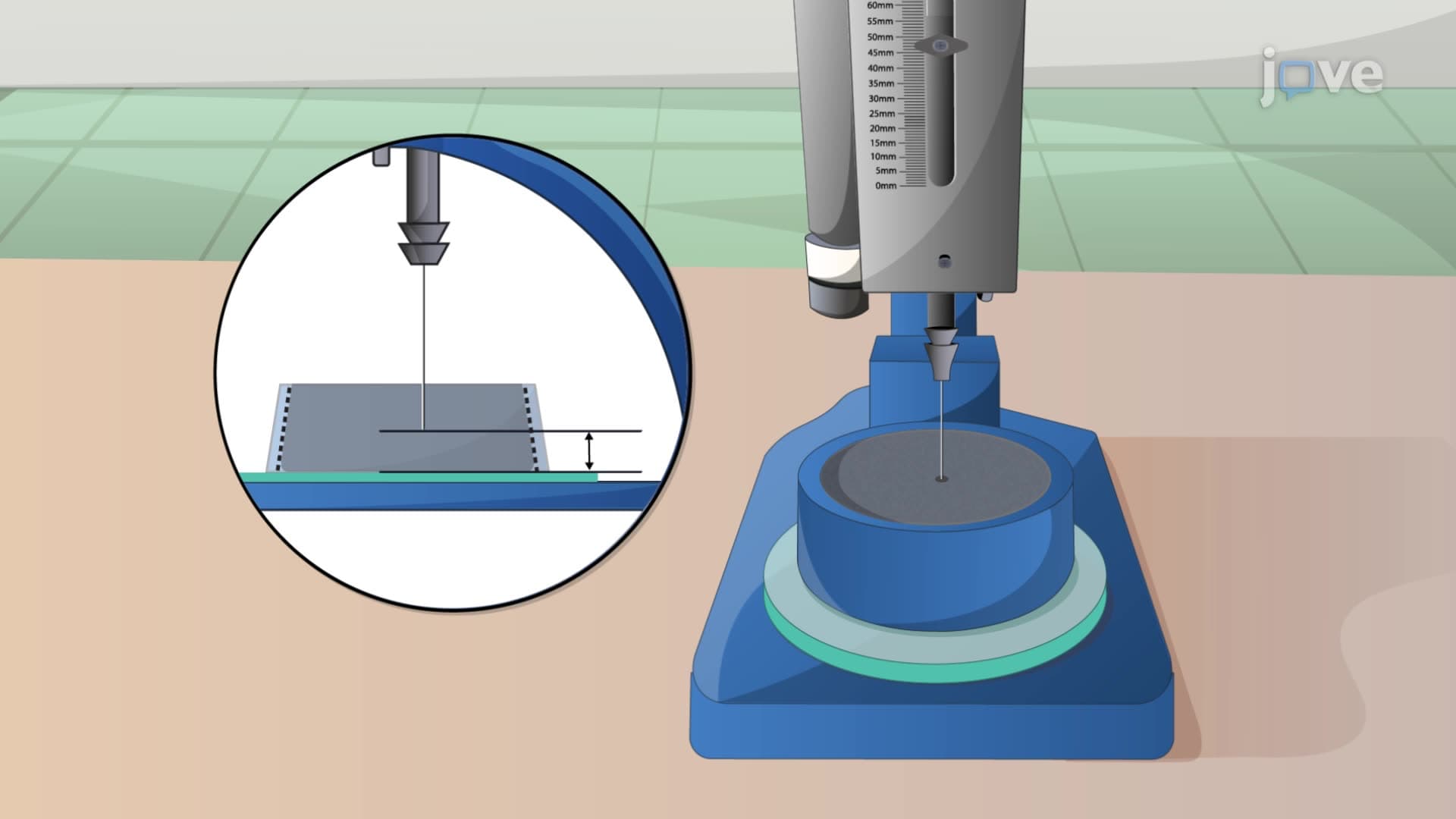
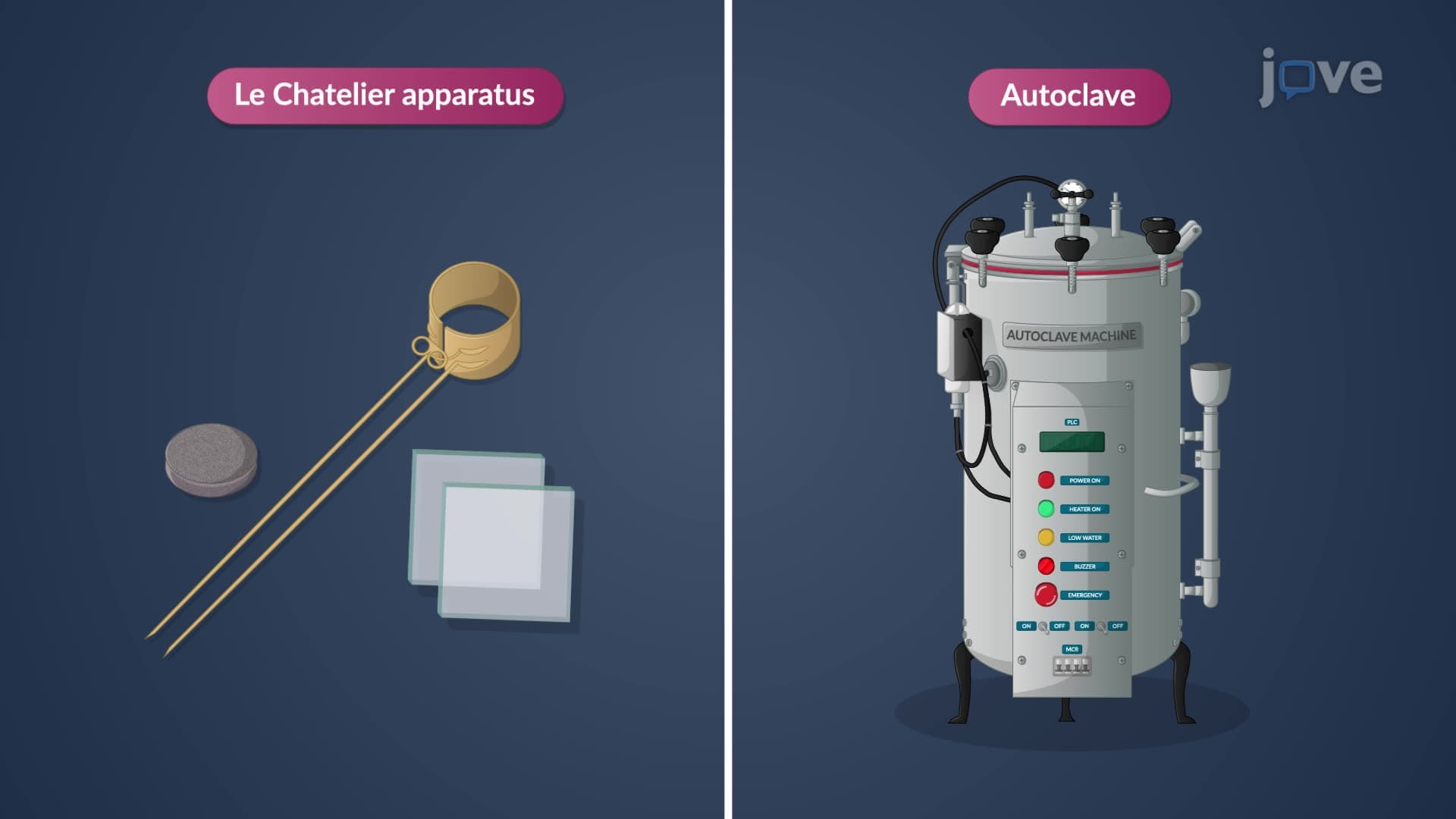
Engineers use two standardized tests to evaluate cement soundness before construction begins. The Le Chatelier test involves molding cement paste in a specialized apparatus with measuring indicators, then subjecting samples to boiling water to accelerate hydration. Expansion exceeding 10mm indicates potentially unsound cement that could fail in service.
The autoclave test provides more rigorous evaluation, exposing cement specimens to high-pressure steam at 216°C for three hours. This accelerated aging simulates decades of natural weathering in just hours. Specimens showing expansion greater than 0.80% are rejected for structural applications. Major US concrete producers like Cemex and Holcim routinely perform these tests to ensure their products meet ASTM standards.
Understanding cement soundness proves essential for students preparing for materials engineering courses and professional licensing exams. The MCAT often includes questions about chemical reactions in construction materials, while AP Chemistry students encounter cement hydration as examples of complex chemical systems. Civil engineering programs at universities like MIT and Stanford emphasize soundness testing in concrete design courses, as graduates will specify materials for critical infrastructure projects.
Related Micro-courses