Loading subject page…


3,826 views


Video Summary: What Is Strength of Cement
Ever wondered why concrete bridges can support thousands of cars daily without cracking? The strength of cement determines how well structures like the Golden Gate Bridge withstand crushing and bending forces over decades. Cement strength testing involves creating standardized mortar specimens and measuring their resistance to compression and flexural forces through systematic laboratory procedures. Engineers at companies like Caterpillar rely on precise cement strength measurements to design equipment foundations that last. Watch the full video on JoVE Coach to master this concept with expert-led visuals and step-by-step explanations.
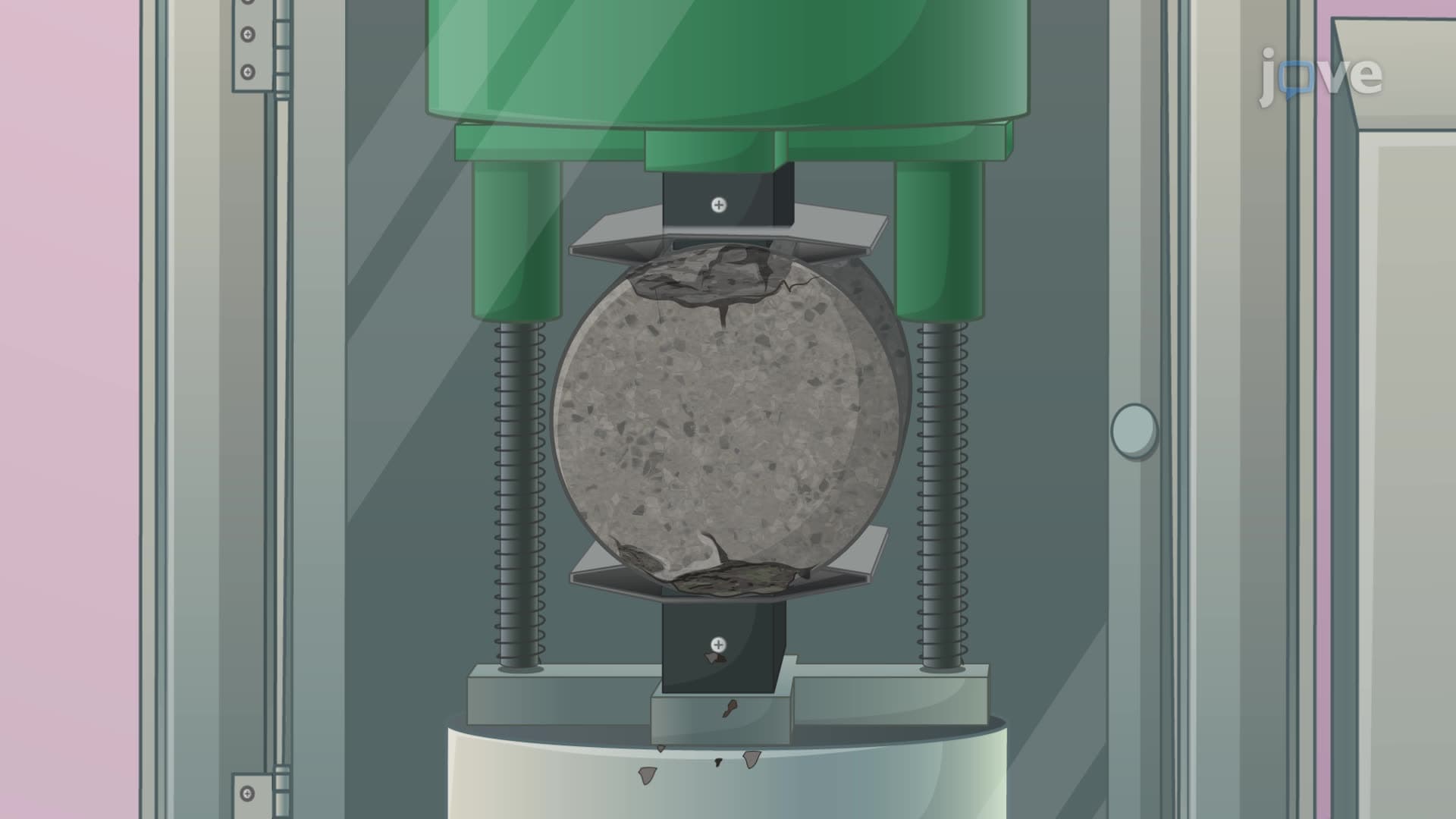
Strength of cement refers to the material's ability to resist applied forces without failure, measured primarily through two key properties: compressive strength and flexural strength. Compressive strength measures resistance to crushing forces, while flexural strength evaluates resistance to bending. These measurements are critical for structural engineers designing everything from residential foundations to skyscrapers like New York's One World Trade Center.
The strength of cement definition encompasses standardized laboratory testing using cement mortar specimens. Engineers mix cement, standard sand, and water in precise proportions to create uniform test samples. The process involves casting 2-inch cube specimens for compression testing and beam specimens measuring 1.5 × 1.57 × 6.3 inches for flexural testing. This standardization ensures consistent results across different laboratories and construction projects nationwide.
Understanding what is strength of cement in detail requires knowledge of proper curing procedures. Specimens undergo initial moist curing until demolding, followed by submersion in lime water until testing. The standard testing schedule occurs at 1, 3, 7, and 28 days, with 28-day strength serving as the industry benchmark. This timeline reflects how cement hydration continues over weeks, with most strength gain occurring in the first month.
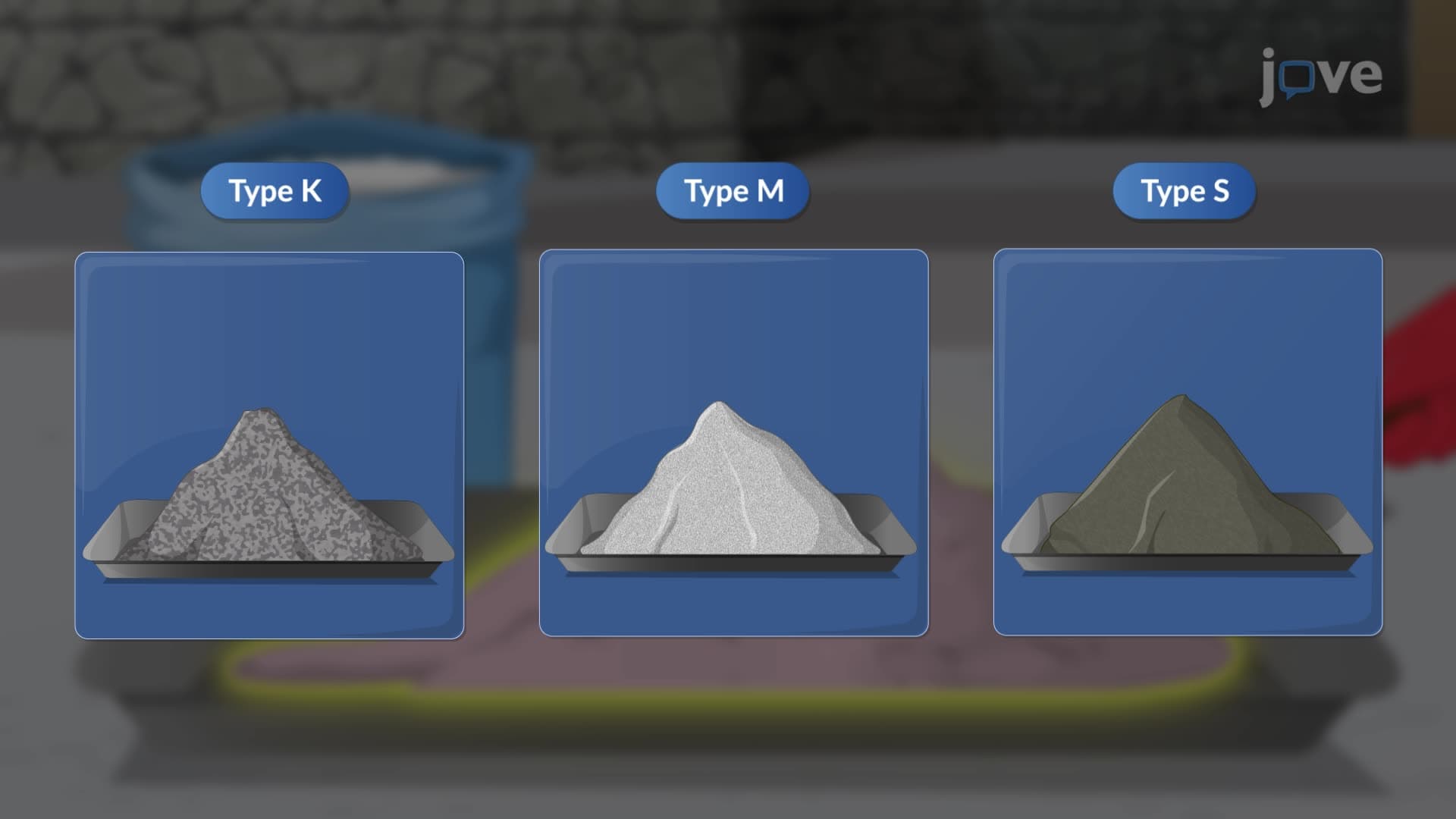
The strength of cement concept directly impacts construction quality control across America. Companies like Bechtel Corporation use these testing protocols to ensure concrete meets project specifications for major infrastructure projects. During testing, specimens are loaded progressively until failure, with the maximum load determining strength values. Different cement types-from ordinary Portland cement to high-early-strength varieties-produce varying strength characteristics, allowing engineers to select optimal materials for specific applications. Students preparing for AP Chemistry or college-level materials science courses should understand how molecular-level cement hydration translates to measurable mechanical properties that govern structural safety in real buildings and bridges.
Related Micro-courses