Loading subject page…


1,409 views

Video Summary: What Is Drag
Ever wonder why a feather falls slower than a penny, or why NASCAR drivers draft behind other cars? Drag is the invisible force that opposes motion through fluids like air and water. From the Boeing 737's streamlined design reducing fuel costs to a swimmer's technique cutting through pool water, drag affects everything that moves through a fluid. This fundamental concept explains both friction drag from surface shear stress and pressure drag from an object's shape. Watch the full video on JoVE Coach to master this concept with expert-led visuals and step-by-step explanations.
Drag represents one of the most critical forces in fluid mechanics, directly opposing any object's motion through a fluid medium. Unlike static forces, drag emerges from the complex interaction between moving objects and surrounding fluids, whether air around aircraft or water around submarines. This force consists of two distinct mechanisms working simultaneously: friction drag and pressure drag.
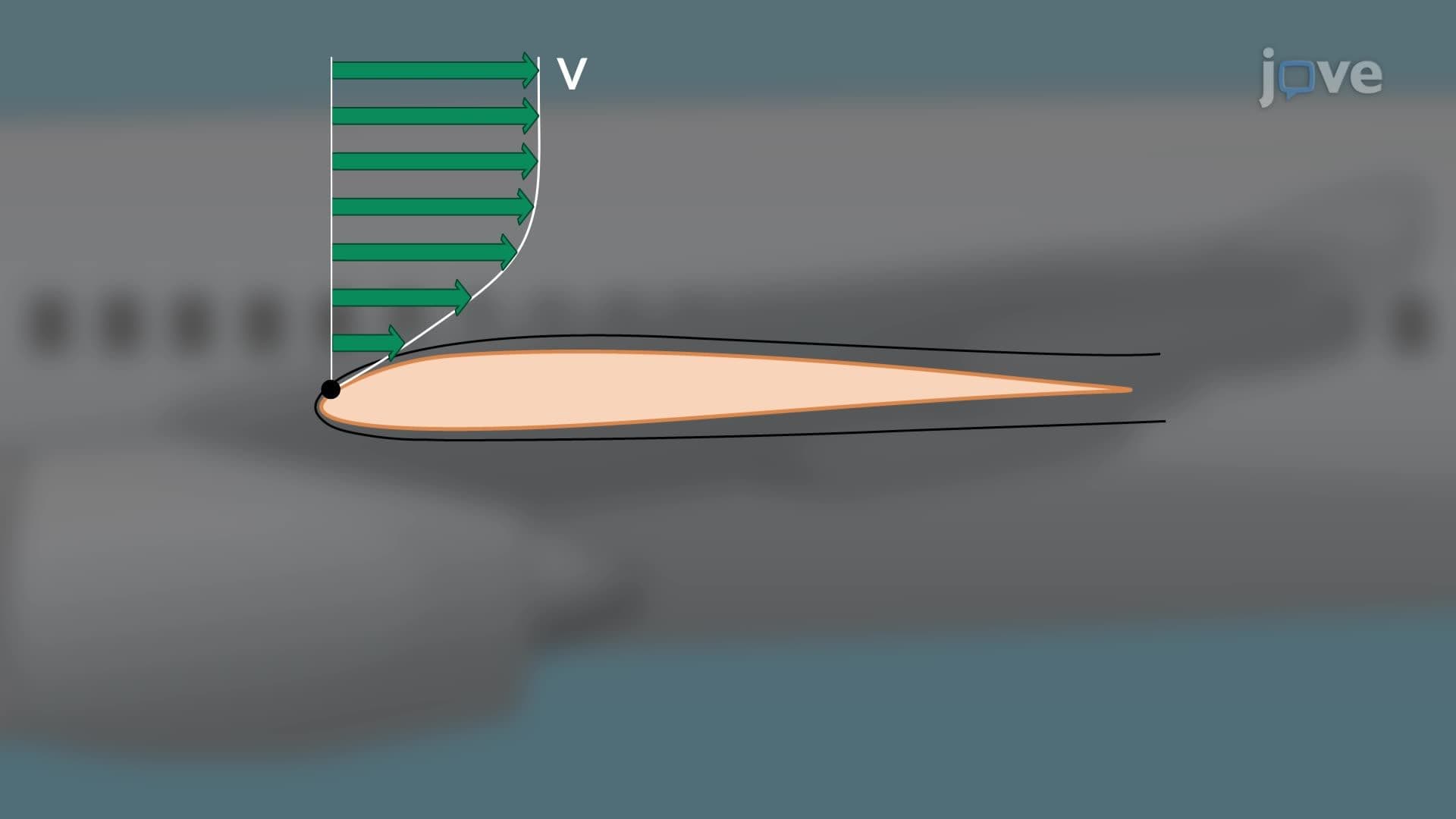
Friction drag originates from shear stress acting tangentially along an object's surface. When fluid flows over a surface, molecules closest to the surface move slower due to viscous effects, creating velocity gradients that generate shear forces. For surfaces aligned parallel to flow direction, essentially all shear stress contributes to friction drag.
The friction drag coefficient exhibits fascinating behavior patterns. In laminar flow conditions, this coefficient decreases as Reynolds number increases, reflecting smoother flow characteristics. However, turbulent flow creates different dynamics-surface roughness becomes a dominant factor, increasing the drag coefficient significantly. This explains why golf balls have dimples and why ship hulls receive specialized coatings.
Pressure drag results from pressure forces acting perpendicular to object surfaces, making it heavily dependent on shape and orientation. Unlike friction drag, pressure drag at high Reynolds numbers remains relatively independent of Reynolds number changes. This characteristic proves crucial for aircraft designers and automotive engineers working across different scales.
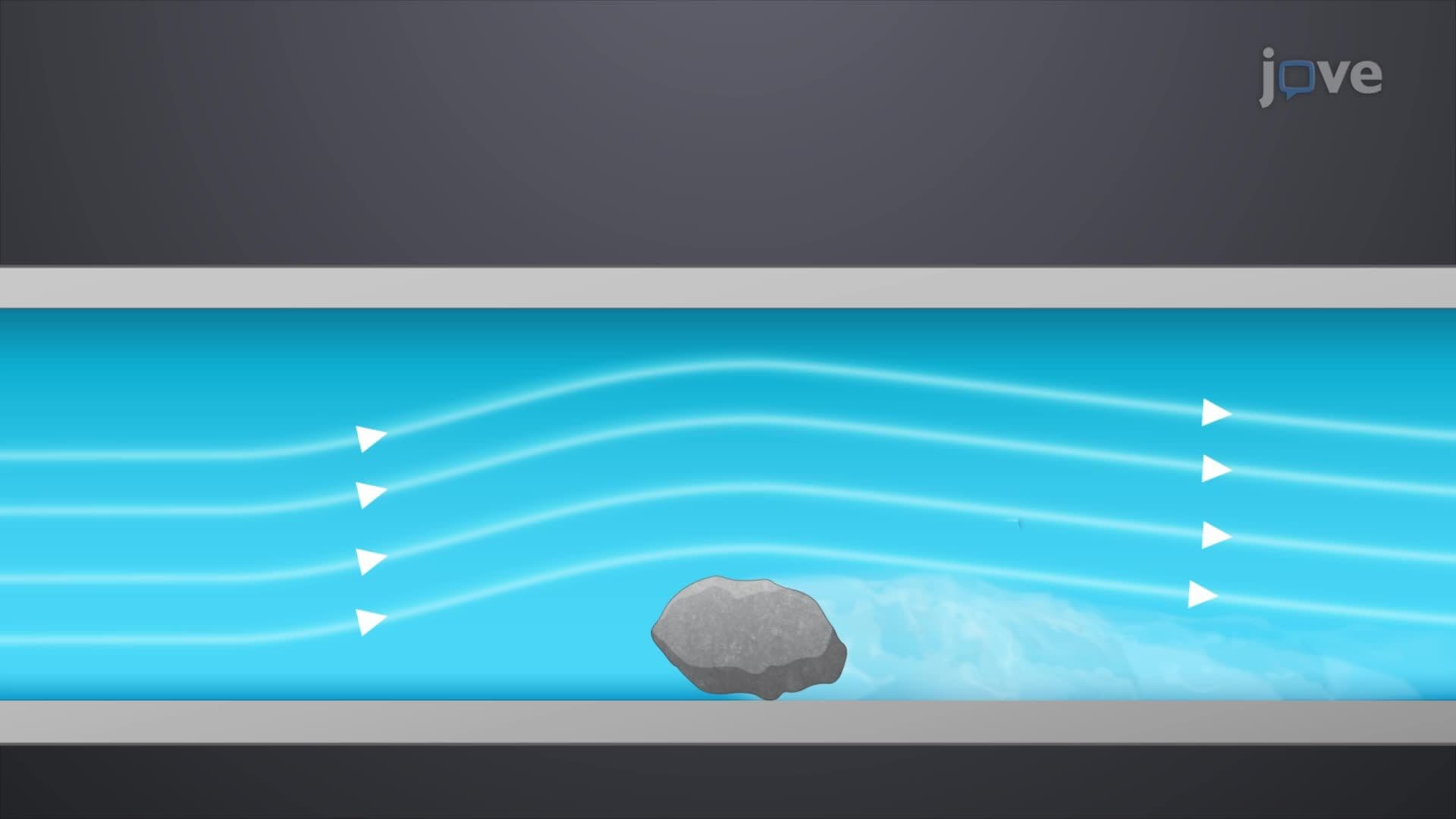
Boundary layer separation creates particularly dramatic pressure drag increases. When fluid flow cannot follow curved surfaces, it separates, creating low-pressure wake regions behind objects. This phenomenon explains why streamlined shapes like teardrops experience minimal pressure drag compared to blunt objects like spheres.
The drag coefficient-a dimensionless parameter-enables engineers to apply wind tunnel results from scale models to full-sized prototypes. This scaling capability proves essential in industries from aerospace to sports equipment design. Students encountering drag concepts in AP Physics, college fluid mechanics courses, or engineering programs will find these principles underlying everything from Formula 1 aerodynamics to building ventilation systems.
Understanding drag becomes particularly relevant for standardized tests like the MCAT, where fluid mechanics questions often incorporate drag principles in biological contexts, such as blood flow resistance or swimming biomechanics.
Related Micro-courses