Loading subject page…


4,809 views
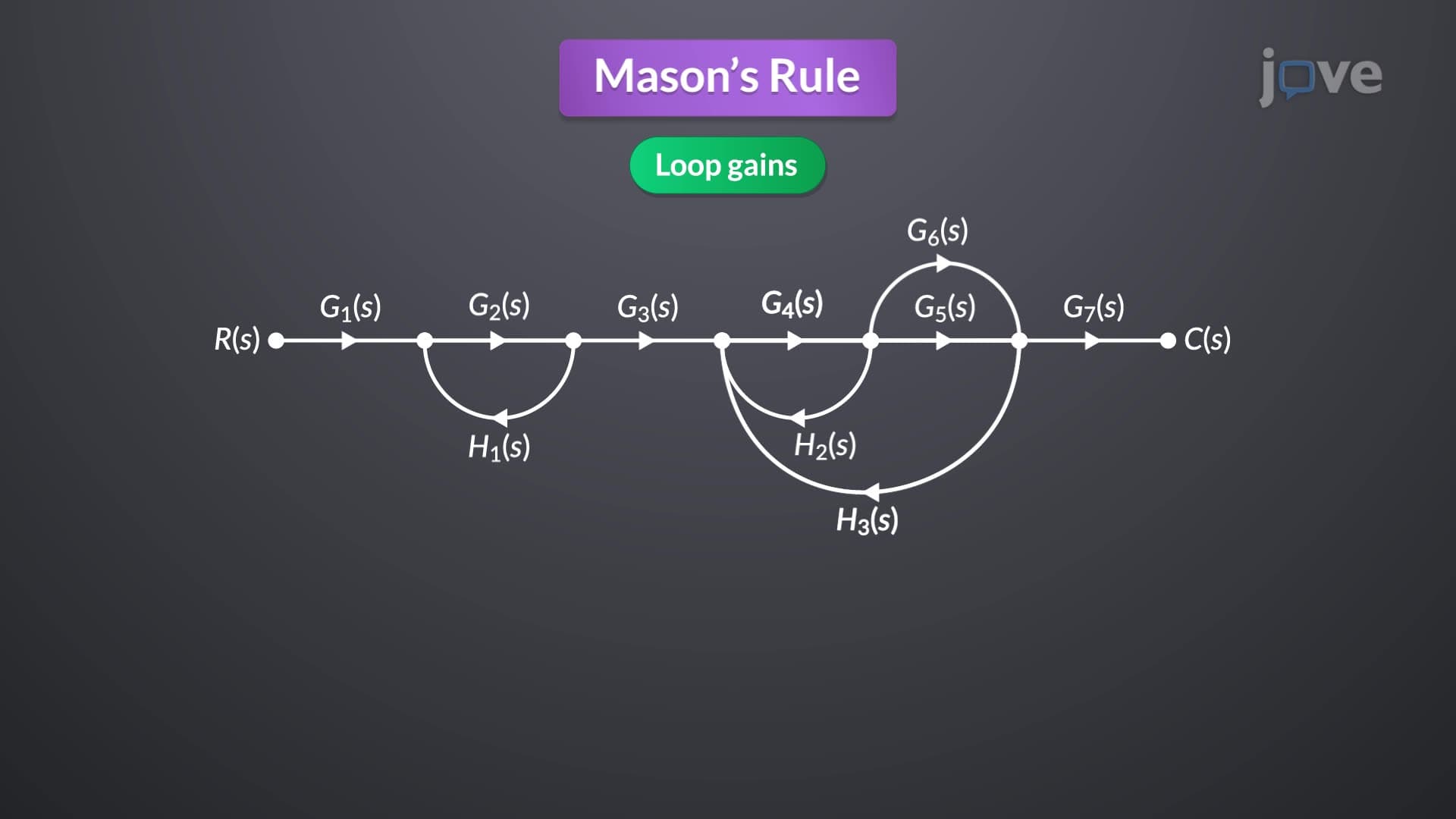

Video Summary: What Is Masons Rule
Ever wonder how NASA engineers calculate complex control systems for spacecraft navigation? Signal flow graphs provide the mathematical foundation, and Mason's Rule serves as the key to unlocking transfer functions from these intricate diagrams. Consider the Boeing 737's autopilot system-engineers use Mason's Rule to analyze how input commands translate to aircraft responses through multiple feedback loops. This powerful technique transforms what could be overwhelming algebraic calculations into a systematic, step-by-step process. Watch the full video on JoVE Coach to master this concept with expert-led visuals and step-by-step explanations.
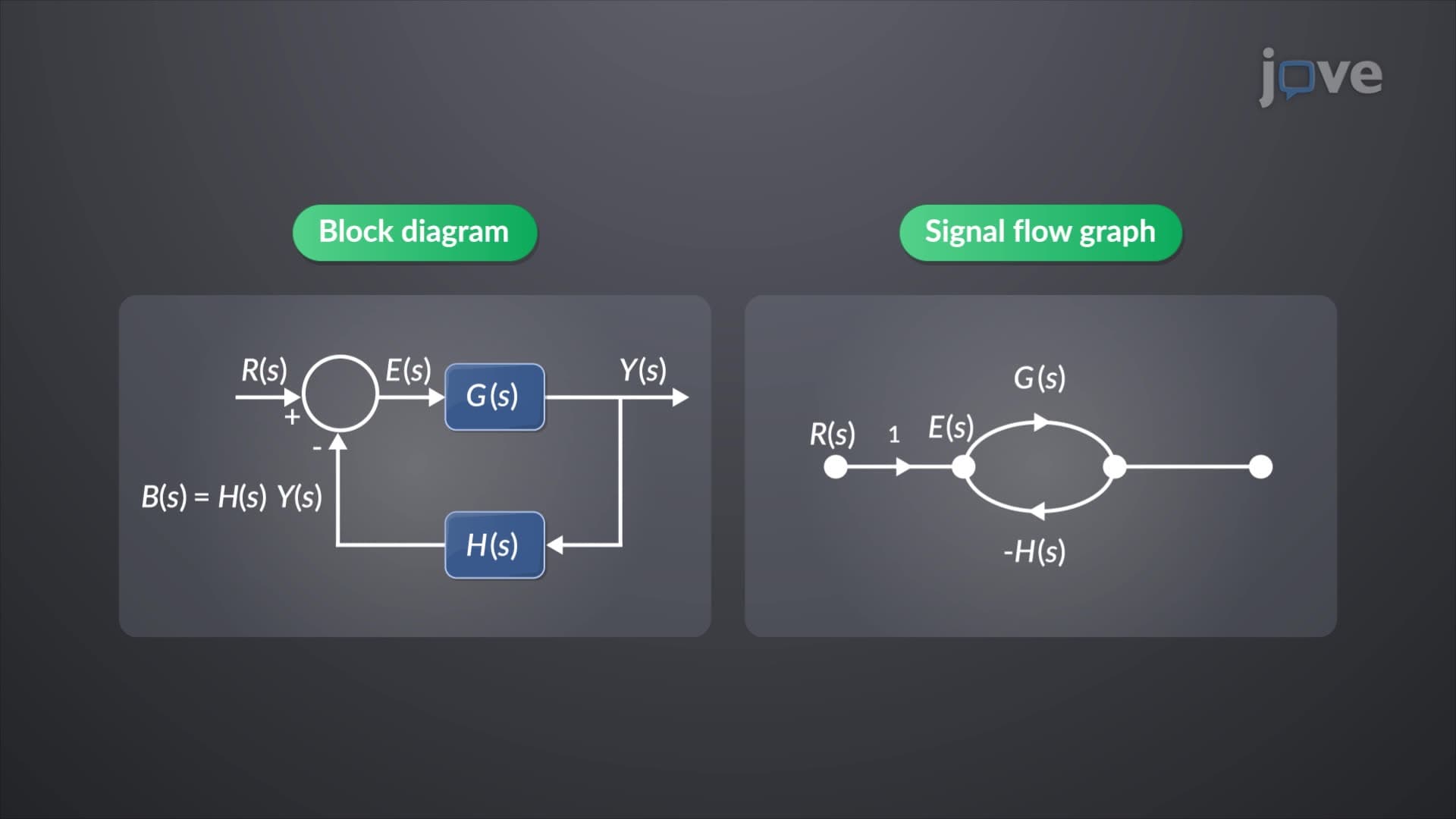
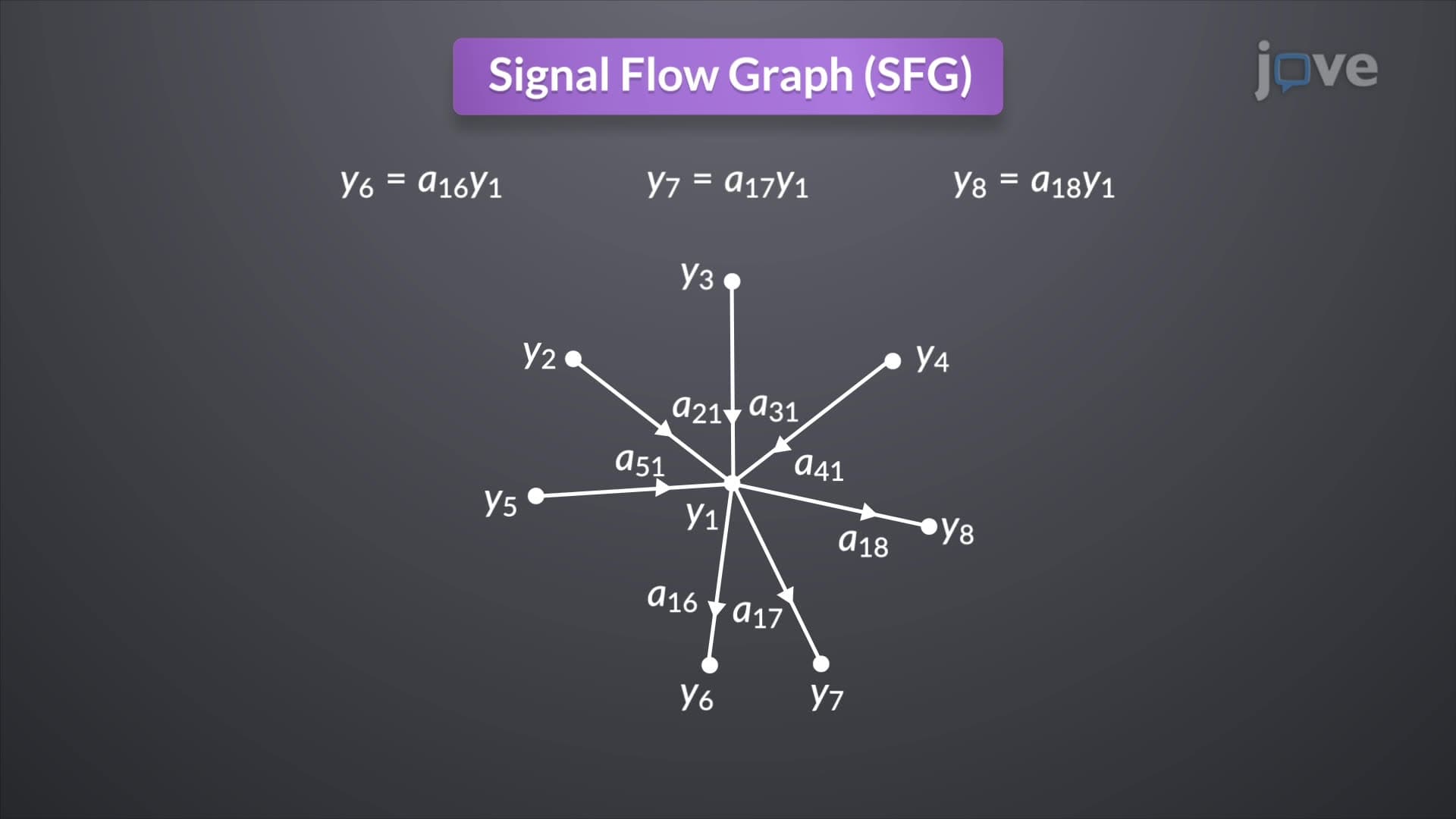
Mason's Rule represents one of the most elegant solutions in control systems engineering, transforming complex signal flow graph analysis into manageable calculations. Developed by Samuel Mason at MIT in the 1950s, this method revolutionized how engineers approach multi-loop system analysis. Signal flow graphs serve as visual representations of mathematical relationships, where nodes represent variables and directed branches represent mathematical operations or gains.
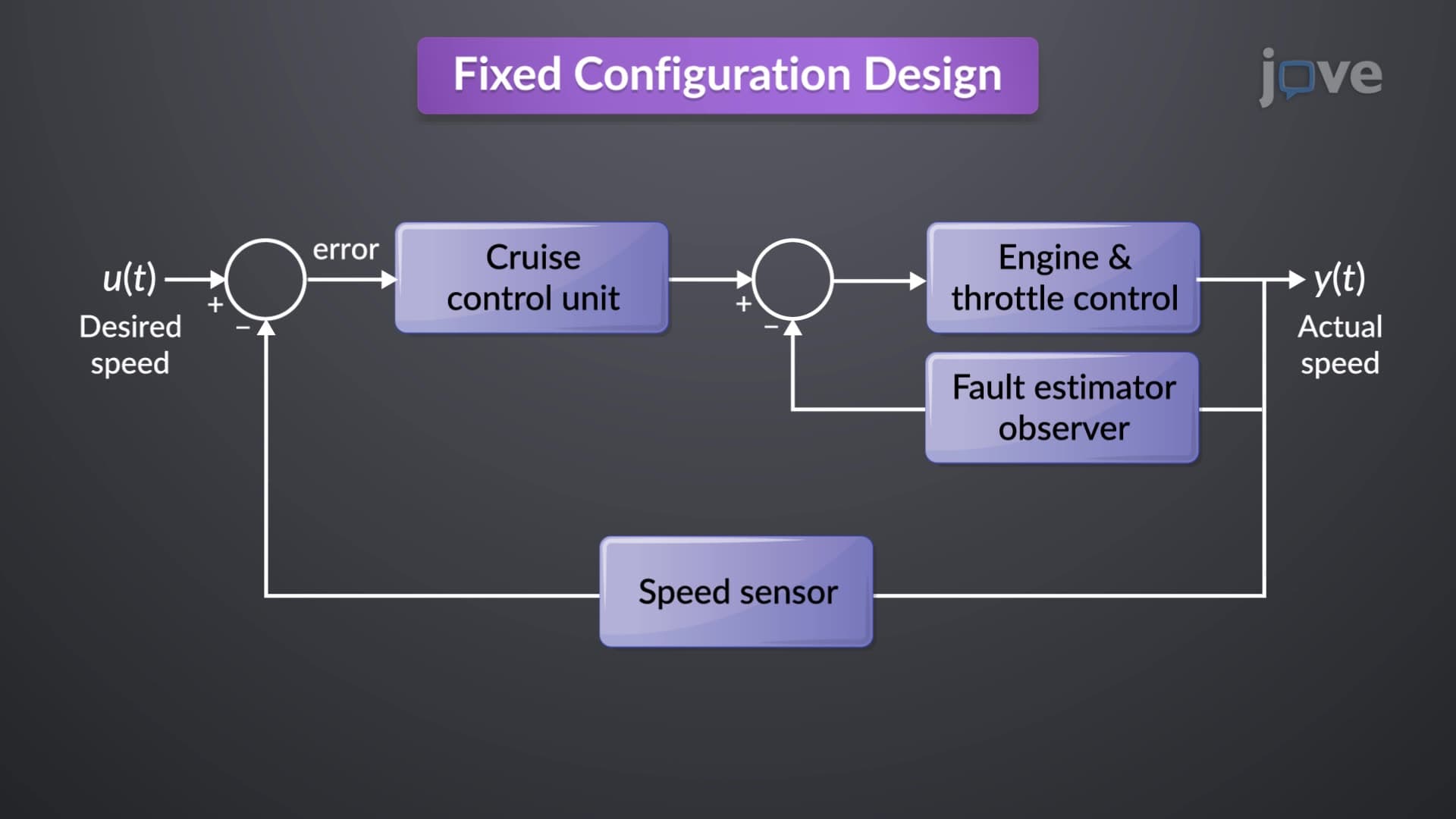
The signal flow graphs definition encompasses several critical elements. Forward paths connect input nodes directly to output nodes without passing through any node more than once. These paths represent the direct signal transmission routes through your system. Loop gains, calculated by tracing closed paths that return to their starting nodes, represent feedback mechanisms. For instance, in a car's cruise control system, the forward path might represent throttle response, while loop gains represent speed feedback to the controller.
What is signal flow graphs in detail becomes clear when examining Mason's Rule application. The transfer function equals the sum of (forward path gain × corresponding Delta_k) divided by the overall system determinant (Delta). The Delta calculation follows a specific pattern: Delta = 1 - (sum of all loop gains) + (sum of all non-touching loop gain products taken two at a time) - (sum of non-touching loop gain products taken three at a time) + ...
Delta_k represents Delta with all loops touching the kth forward path removed. This systematic approach ensures accurate results even in complex systems with multiple interconnected loops.
Understanding signal flow graphs overview proves essential for AP Physics students, electrical engineering undergraduates, and anyone pursuing control systems careers. Major US universities like MIT, Stanford, and Georgia Tech emphasize these concepts in their engineering curricula. Students encounter Mason's Rule in courses ranging from introductory control theory to advanced robotics.
In practical applications, Boeing uses these principles for aircraft autopilot design, Tesla applies them in autonomous vehicle control, and NASA employs them for satellite attitude control systems. The signal flow graphs concept appears frequently in engineering licensing exams (FE and PE) and graduate school assessments like the GRE Subject Test in Engineering.
Related Micro-courses