Loading video…


 7 Concepts
 4.8K views

Video Summary: Multi Input and Multi Variable Systems Explained
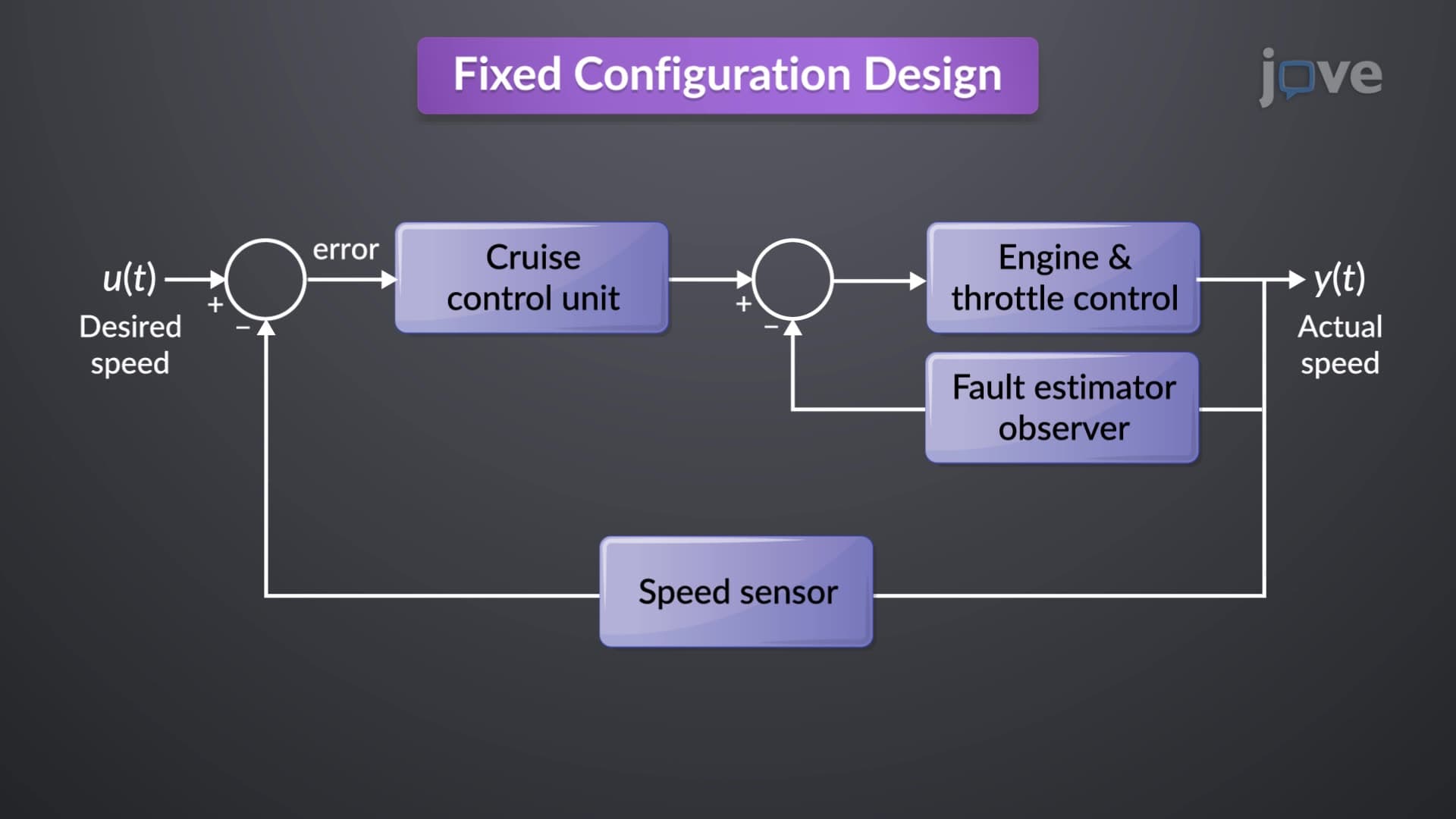
Ever wonder how cruise control in your car seamlessly maintains speed even when driving uphill? This remarkable feat involves mason's rule and multi input and multi variable systems explained through sophisticated control engineering principles. Tesla's Autopilot system exemplifies these concepts by processing multiple sensor inputs simultaneously-from cameras detecting lane markings to radar monitoring traffic ahead. These systems use complex mathematical relationships where mason's rule helps engineers analyze signal flow graphs and determine overall system behavior. Watch the full video on JoVE Coach to master this concept with expert-led visuals and step-by-step explanations.
Modern engineering systems rarely operate with just one input affecting one output. Instead, they involve complex networks where multiple inputs simultaneously influence multiple outputs. Multi input and multi variable systems explained concepts form the foundation of control systems engineering, from the anti-lock braking systems in Ford vehicles to the flight control computers aboard Boeing aircraft.
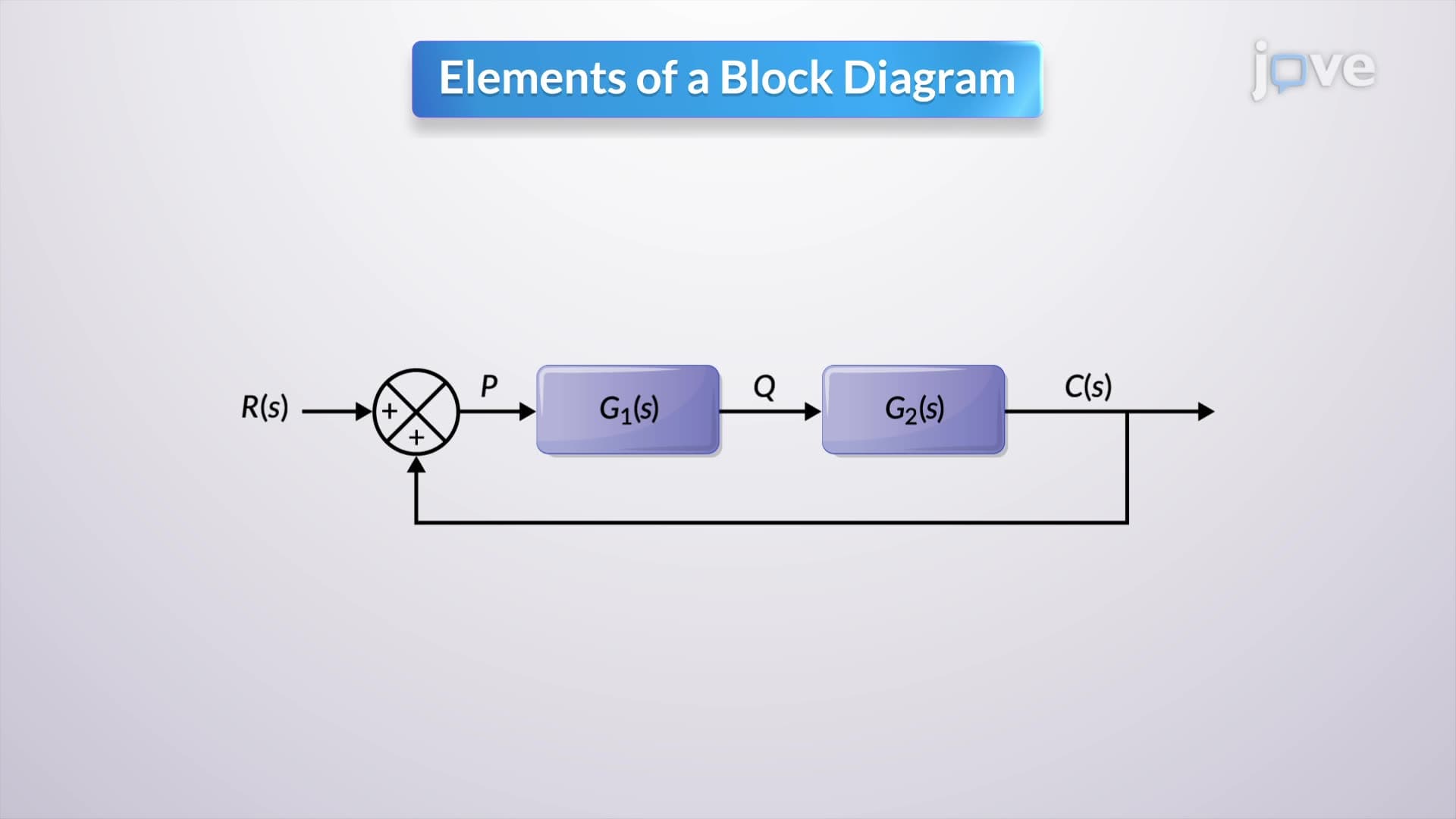
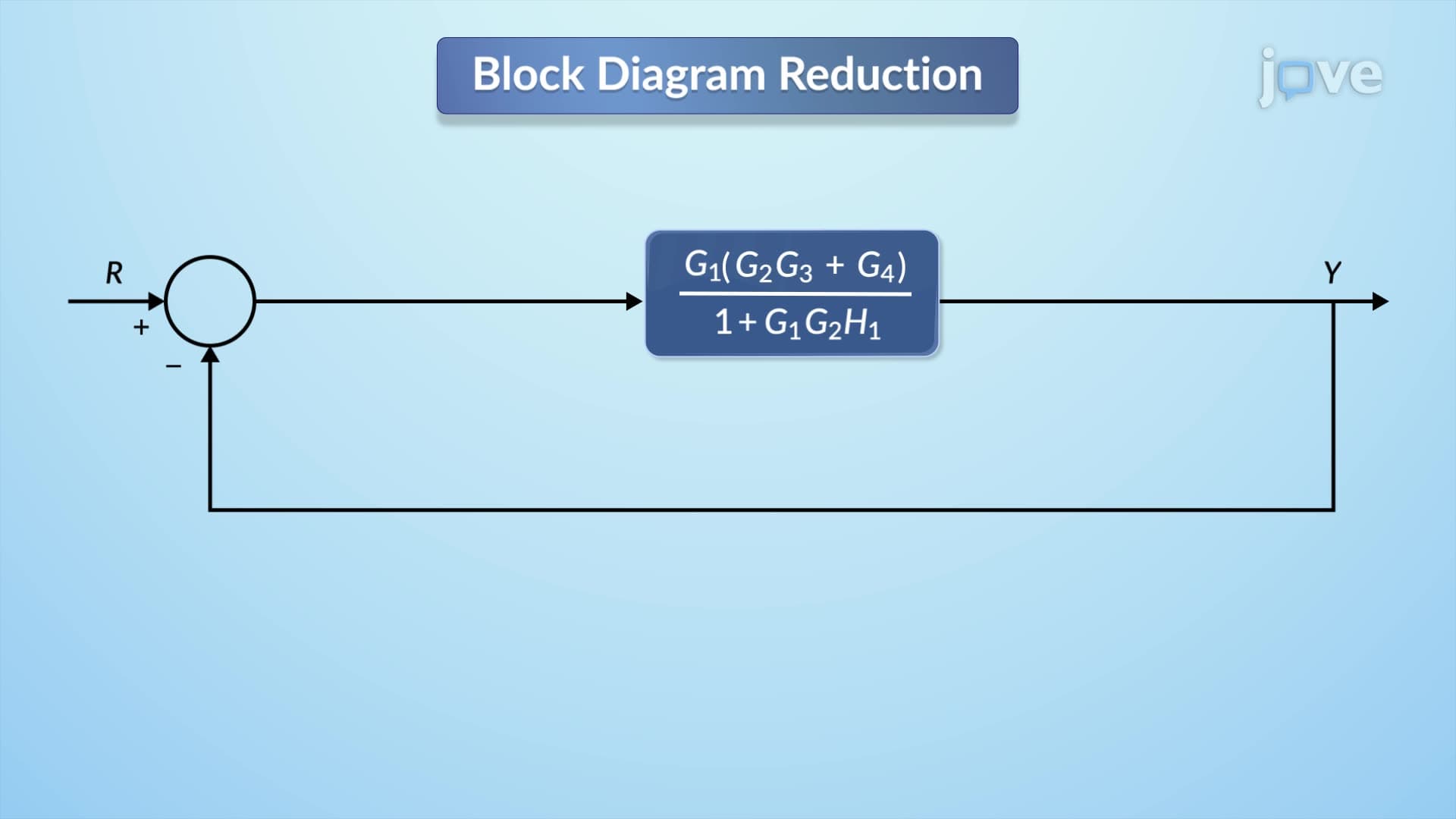
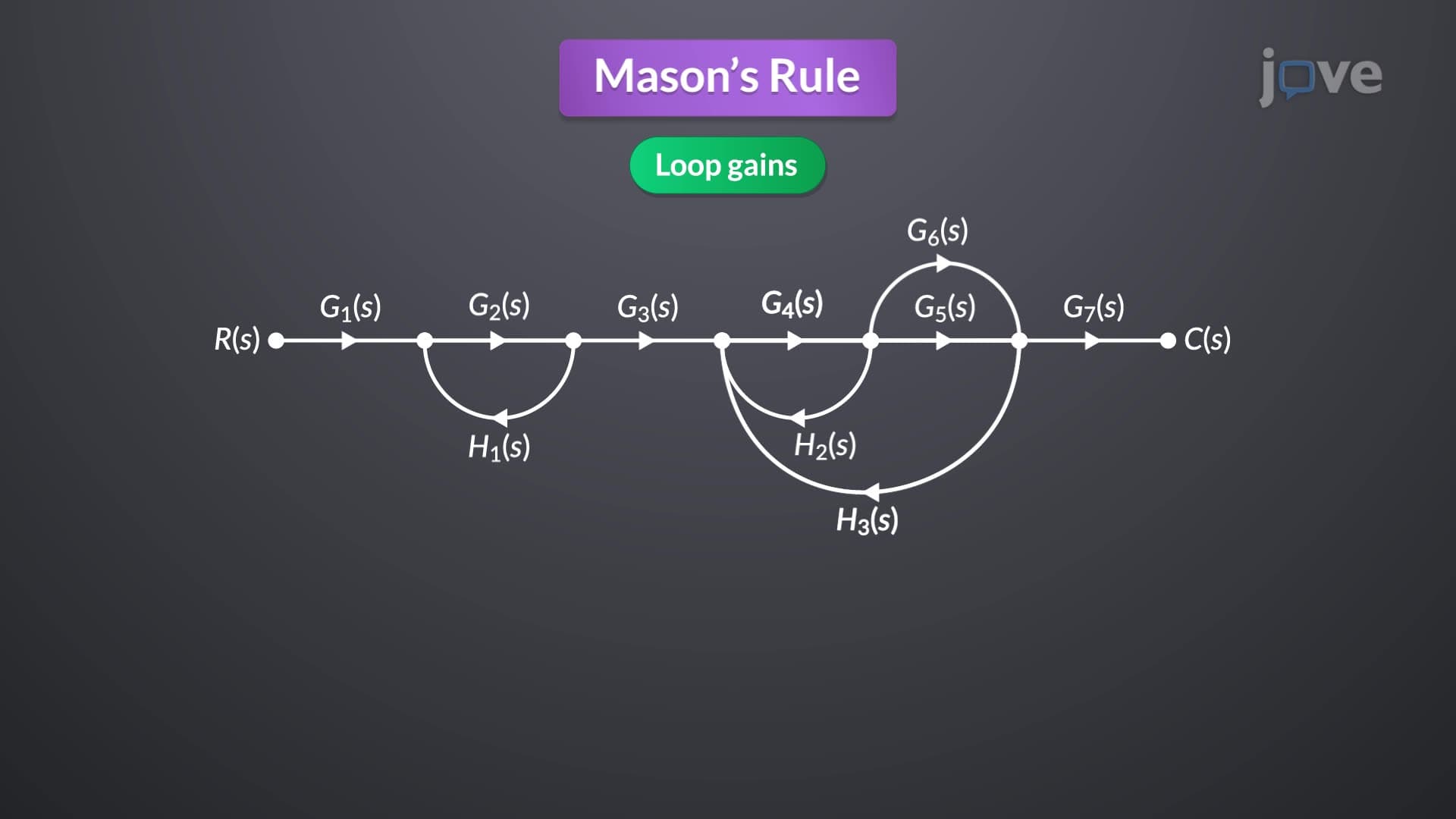
Mason's rule definition centers on a systematic method for finding transfer functions in signal flow graphs. When engineers ask what is mason's rule in detail, they're seeking to understand how this powerful technique simplifies complex system analysis. Mason's rule provides a formula: G = (sum of forward path gains × their delta values) / (system determinant). This mason's rule overview enables engineers to analyze systems without manually reducing block diagrams-a process that becomes unwieldy for complex networks.
Consider NASA's Space Shuttle flight control system, which used mason's rule calculations to ensure proper response to pilot inputs while maintaining stability. The rule accounts for all possible signal paths through a system, including feedback loops that might otherwise be overlooked.
Mason's rule basics appear throughout American industry. General Electric's wind turbine control systems use these principles to optimize power generation while protecting equipment from excessive wind loads. The turbine controller receives inputs from wind speed sensors, grid frequency monitors, and safety systems-all processed simultaneously using multi-variable control algorithms.
Similarly, chemical processing plants operated by companies like DuPont employ these concepts for maintaining reaction temperatures, pressures, and flow rates. A single disturbance-such as ambient temperature changes-affects multiple process variables, requiring sophisticated control strategies.
Students preparing for AP Physics, engineering college midterms, or professional engineering exams encounter these concepts regularly. The mason's rule concept appears in undergraduate control systems courses at institutions like MIT and Stanford. This mason's rule study guide material forms the foundation for advanced topics in robotics, aerospace engineering, and industrial automation.
Understanding mason's rule proves essential for careers in automotive engineering, where companies like General Motors design electronic stability control systems, or in biomedical engineering, where medical device companies develop automated drug delivery systems for hospitals nationwide.
Related Micro-courses