Loading subject page…


4,809 views

Video Summary: What Is Sfg Algebra
Ever wondered how NASA engineers analyze the complex control systems that guide spacecraft to Mars? Signal flow graph (SFG) algebra provides the mathematical foundation for understanding these intricate feedback systems. This powerful analytical tool, essential for transient and steady state response analysis, transforms complex control diagrams into manageable algebraic representations. From automotive cruise control systems to Boeing's flight management computers, SFG algebra enables engineers to predict system behavior with precision. Watch the full video on JoVE Coach to master this concept with expert-led visuals and step-by-step explanations.
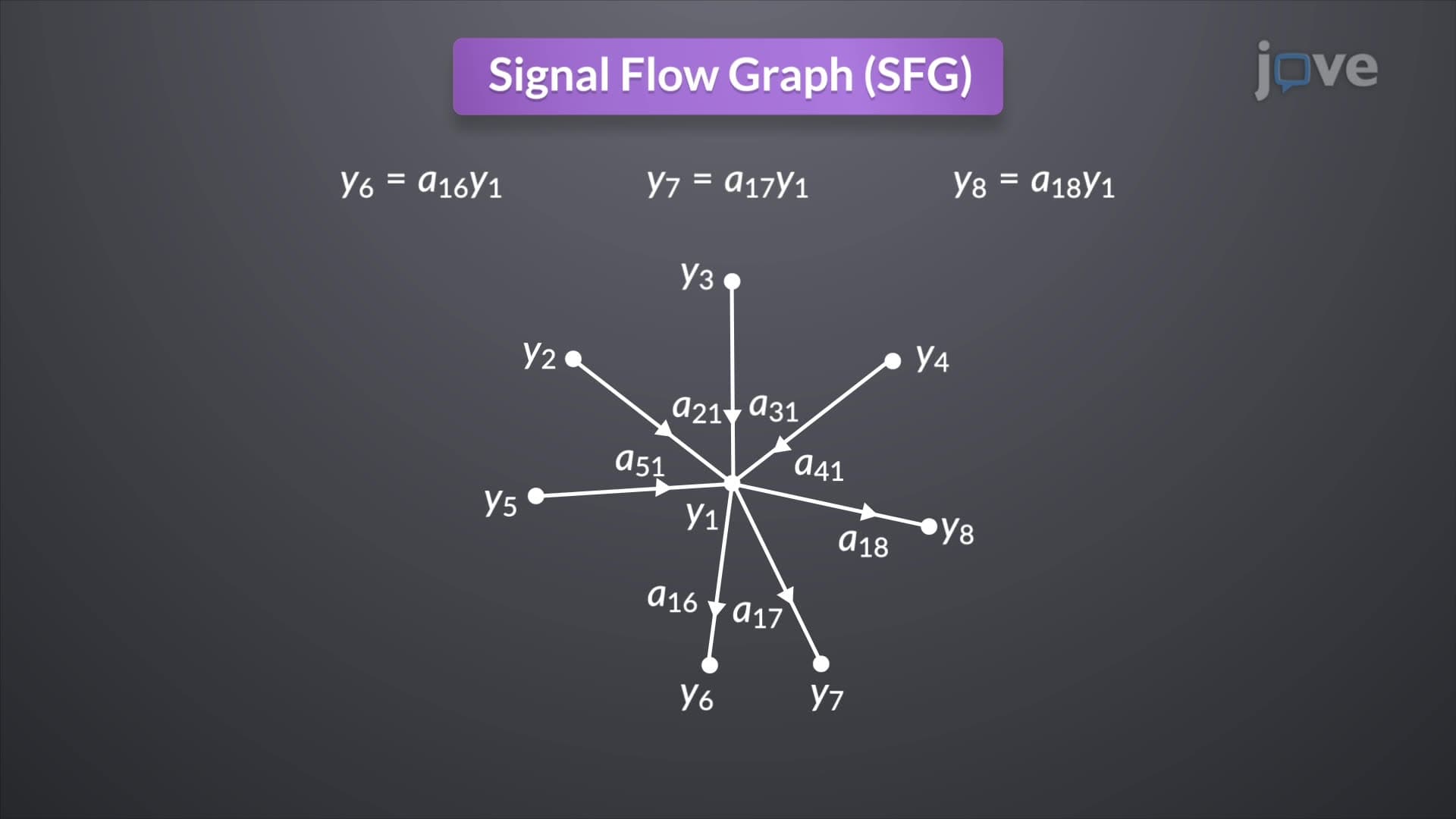
Signal flow graph algebra represents a systematic mathematical approach for analyzing linear systems, particularly valuable in control theory and electrical engineering applications. Unlike traditional algebraic manipulation, SFG algebra operates on graphical representations where nodes represent system variables and directed branches represent mathematical relationships between these variables. This methodology proves especially powerful when examining transient and steady state response characteristics in complex engineering systems.
The fundamental principle underlying SFG algebra states that any node's value equals the algebraic sum of all incoming signals. This concept mirrors Kirchhoff's current law in electrical circuits, making it intuitive for students familiar with basic circuit analysis. When multiple signals converge at a single node, their individual contributions combine linearly, preserving the system's overall mathematical integrity.
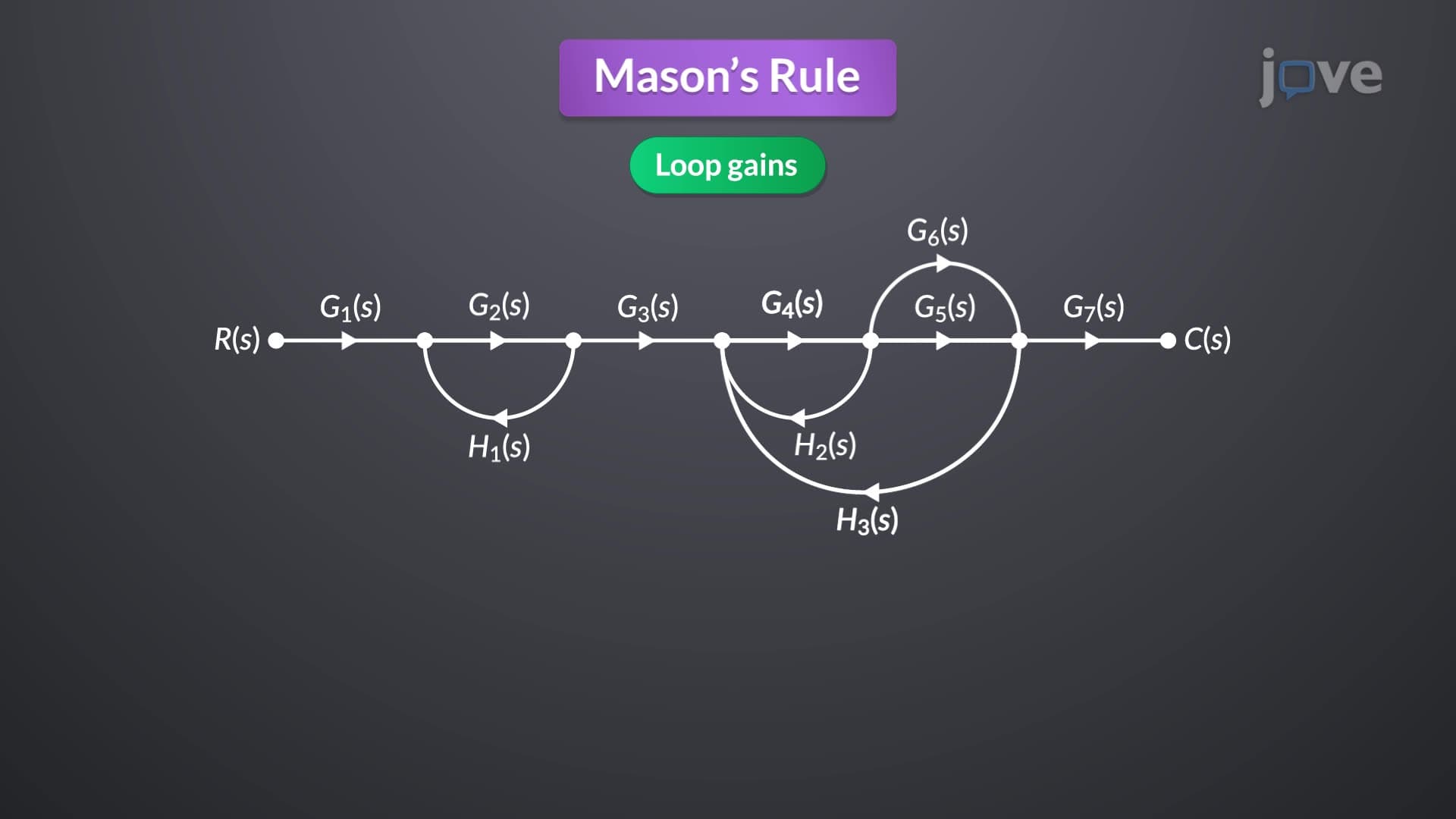
SFG algebra employs two primary simplification rules that dramatically reduce computational complexity. First, parallel branches traveling in identical directions combine into single equivalent branches whose gain equals the sum of original gains. For example, if three parallel branches have gains of 2, 3, and 5 respectively, they reduce to one branch with gain 10. This principle directly applies to analyzing redundant control pathways in aerospace systems, where multiple sensors provide backup measurements.
Second, cascaded unidirectional branches multiply their gains to form equivalent single branches. A signal passing through sequential stages with gains 4, 0.5, and 6 results in an overall gain of 12. This multiplication rule proves essential when analyzing multi-stage amplifiers in communication systems or sequential processing units in manufacturing automation.
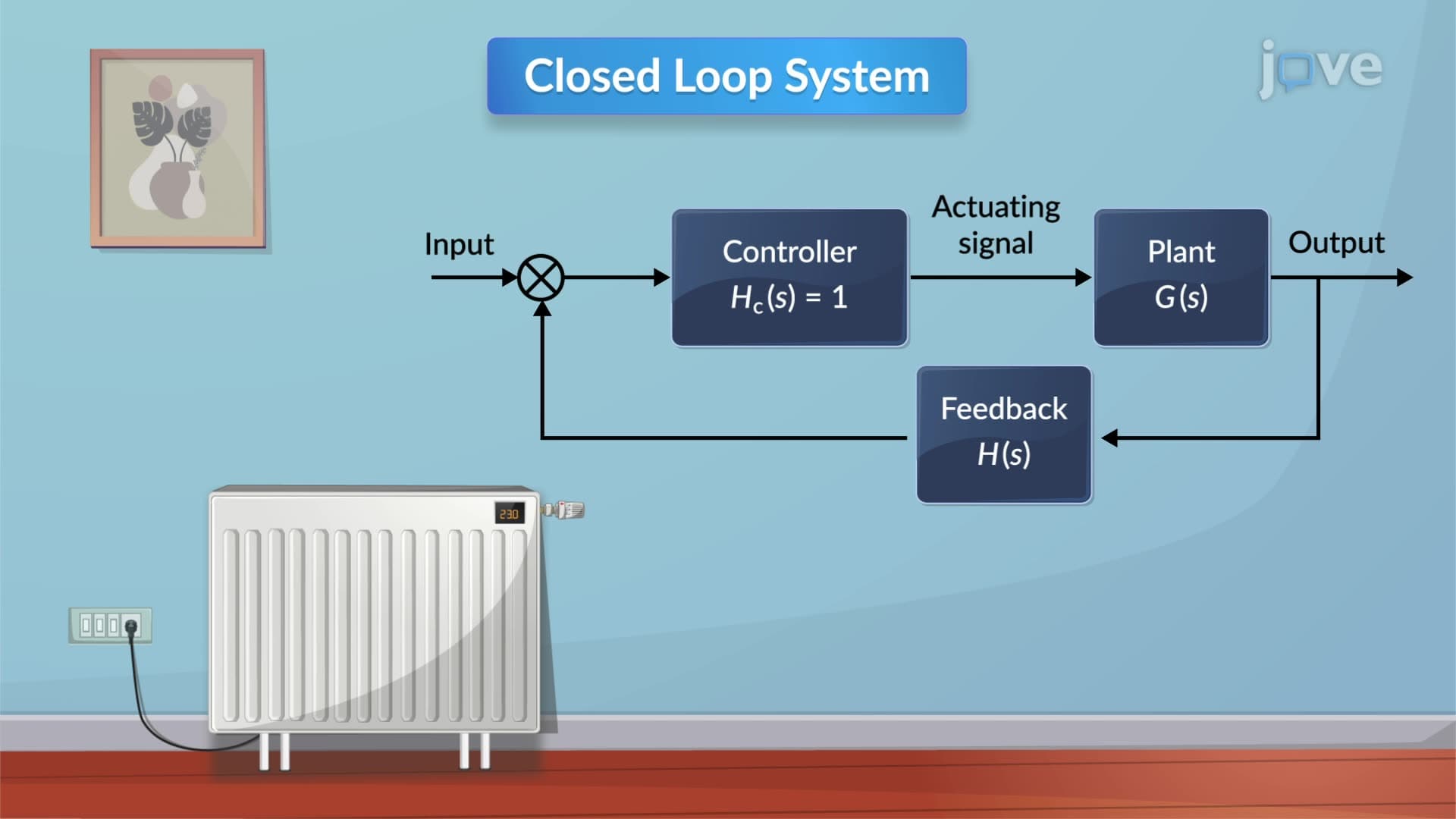
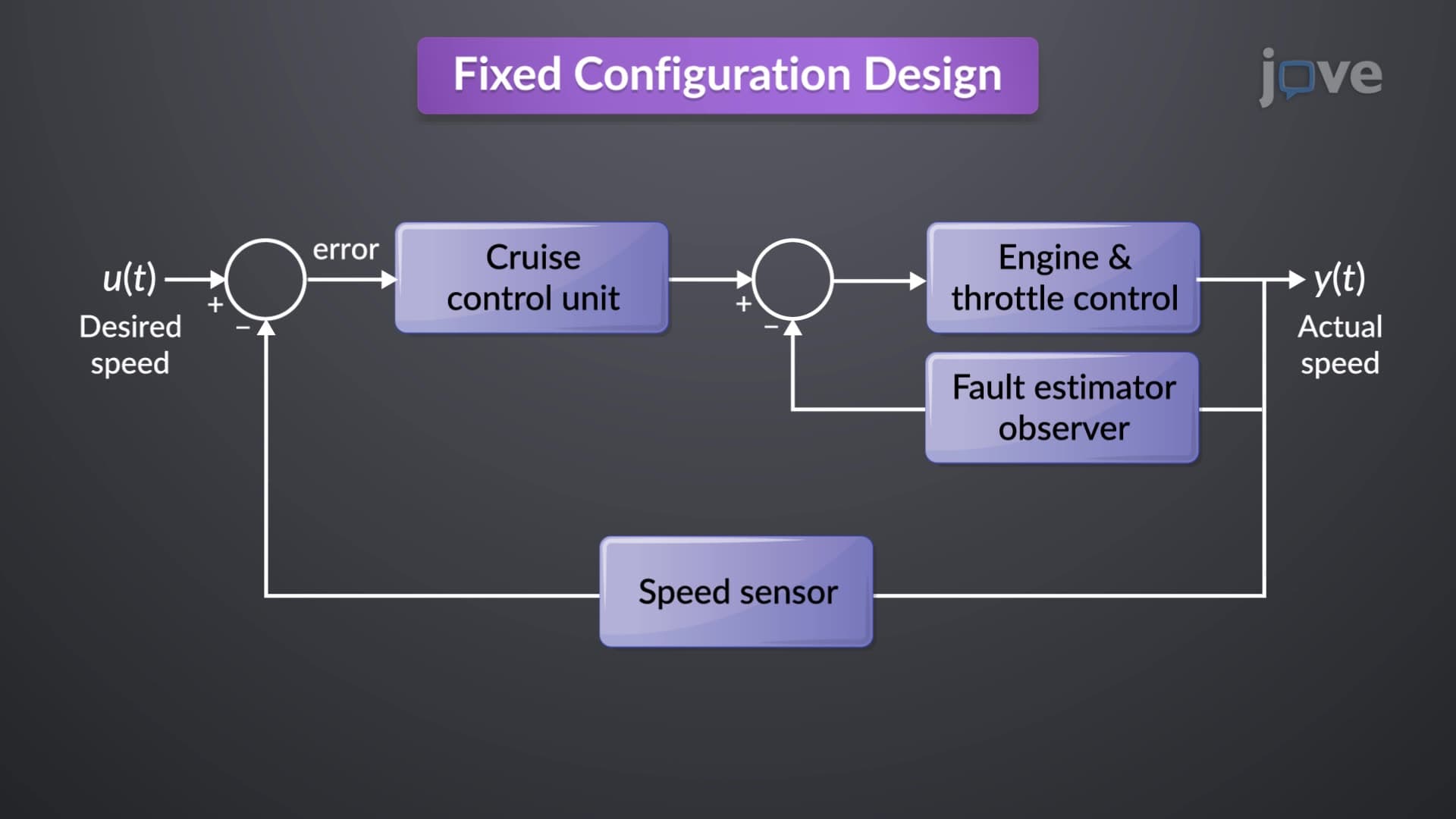
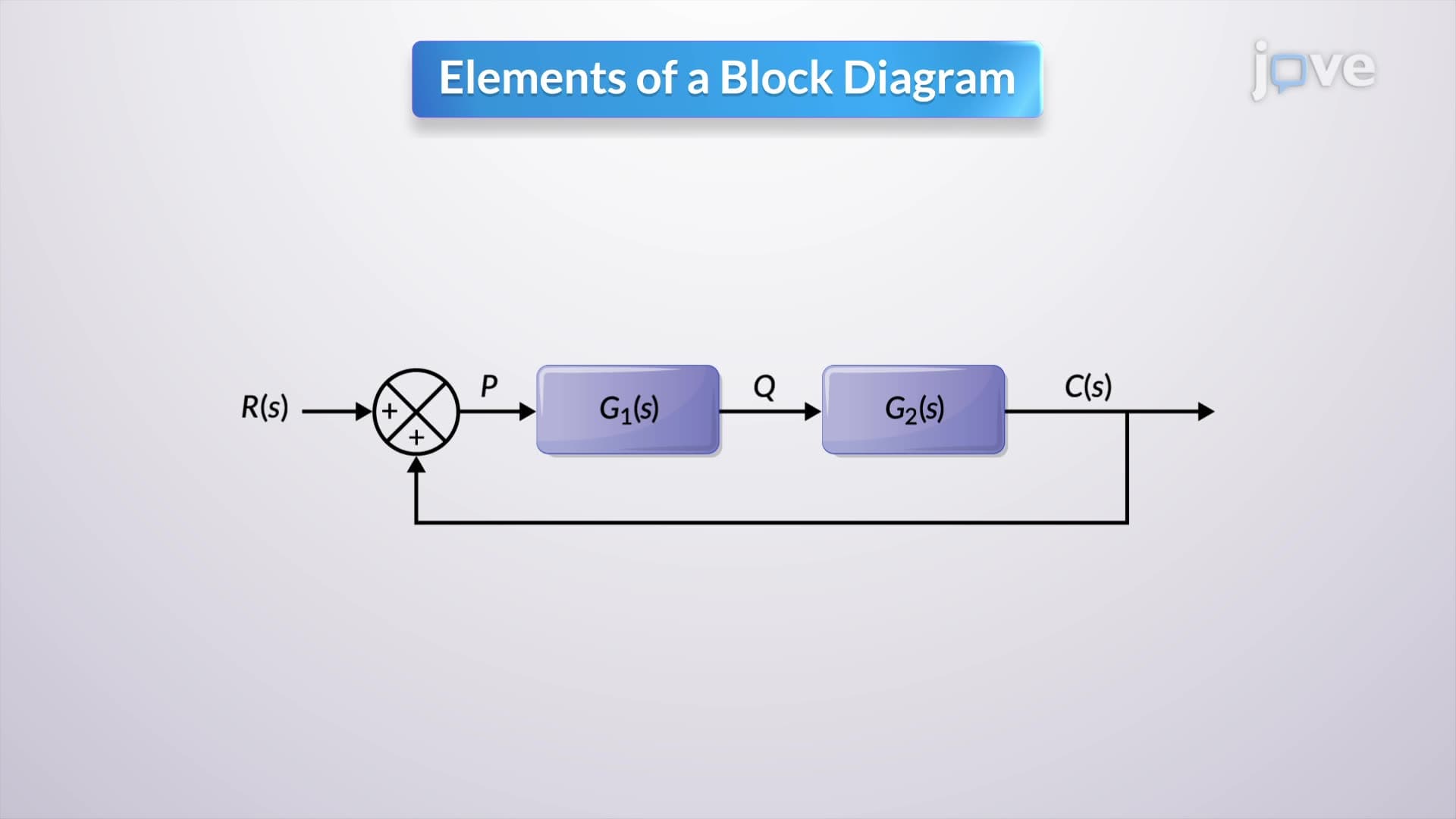
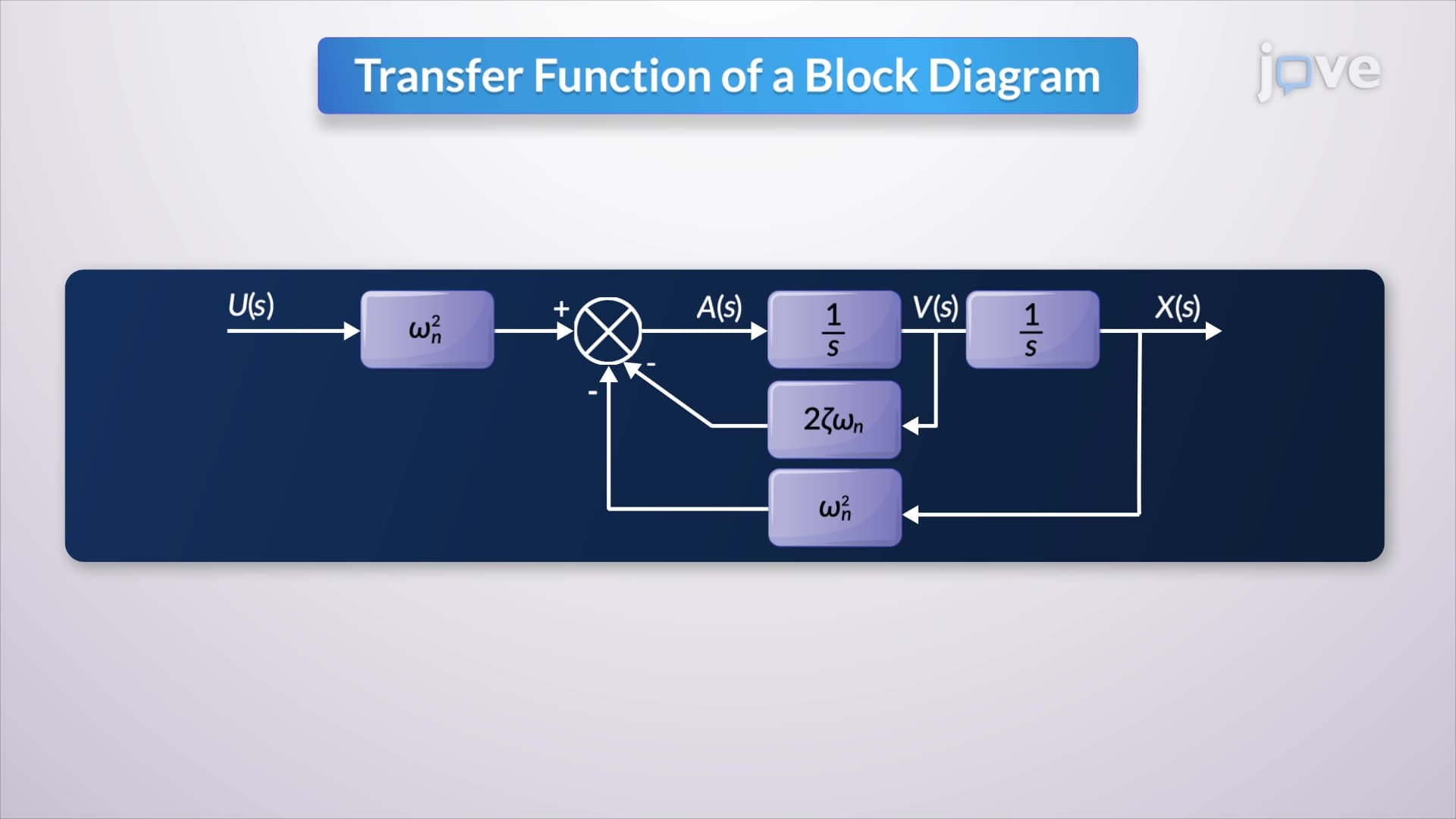
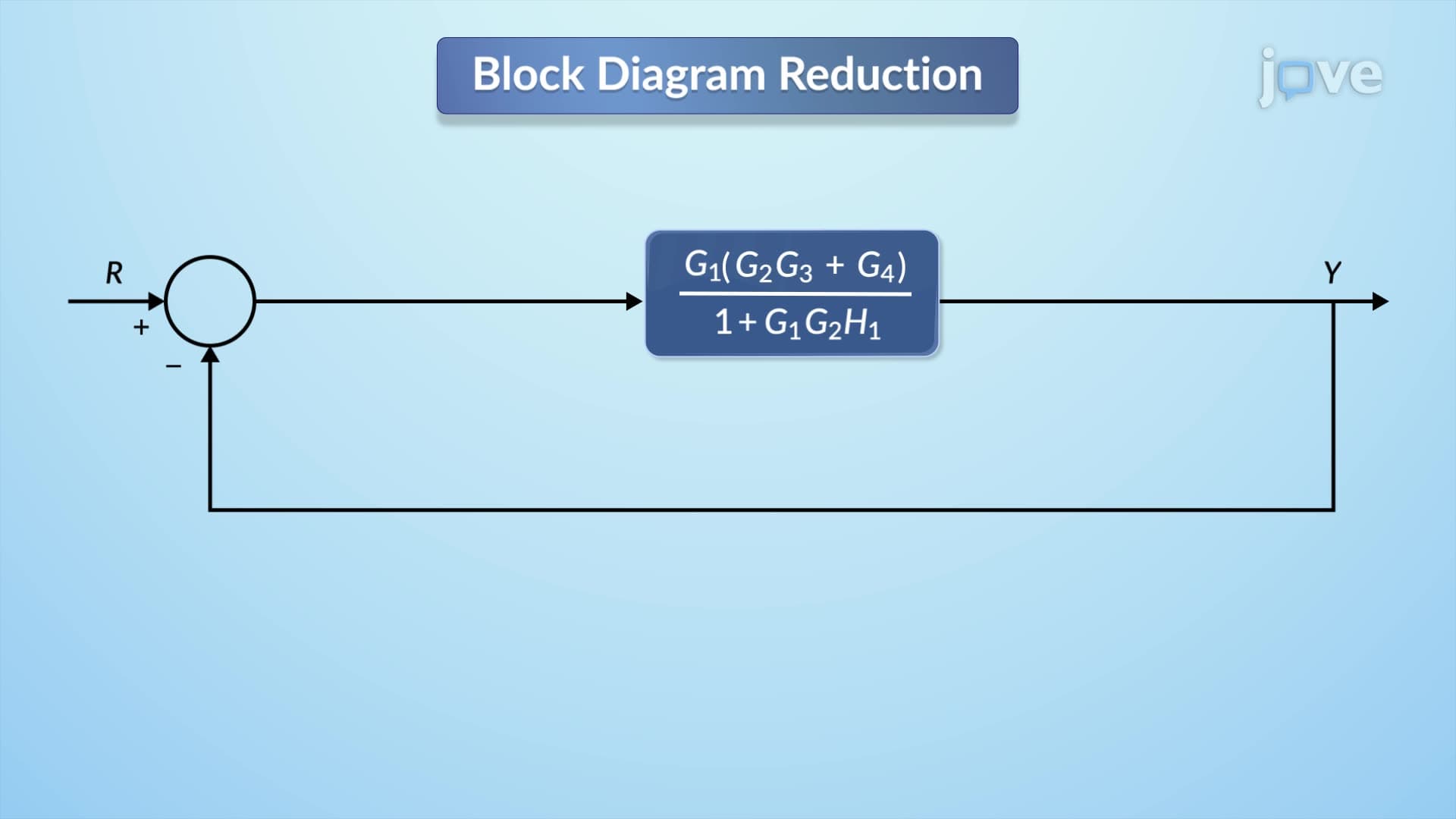
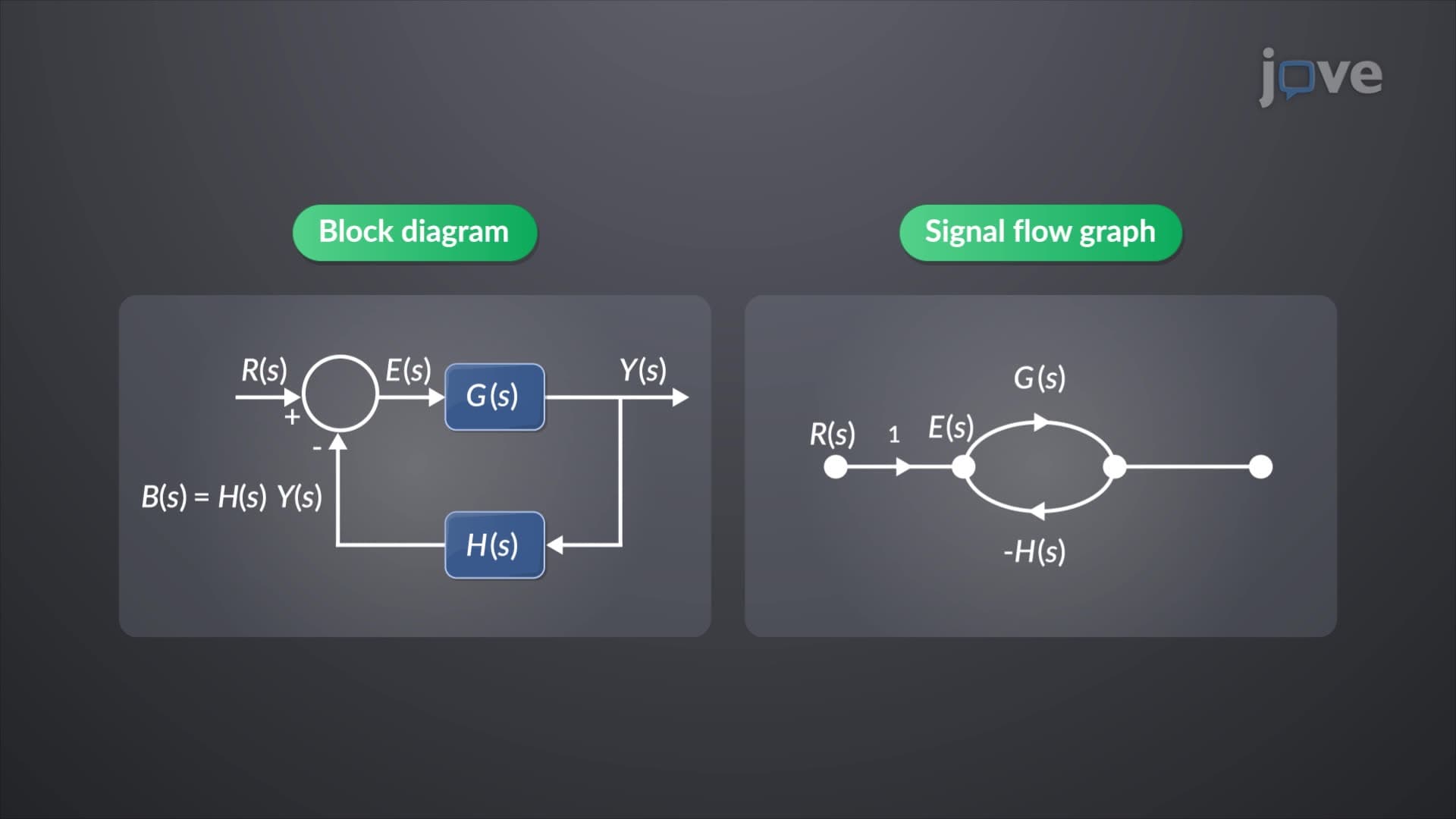
Converting block diagrams to SFG format involves systematic identification of system variables, node assignment, and appropriate branch labeling with transfer functions. This conversion process appears frequently in control systems courses at institutions like MIT and Stanford, where students learn to analyze everything from robotic arm controllers to power grid stability systems.
The reverse process-constructing SFGs from algebraic equations-requires methodical node creation for each variable followed by interconnection based on mathematical relationships. This skill proves invaluable for students preparing for AP Physics exams or engineering coursework, where abstract mathematical concepts must translate into practical system representations.
Related Micro-courses