Loading subject page…


4,809 views

Video Summary: What Is Signal Flow Graphs
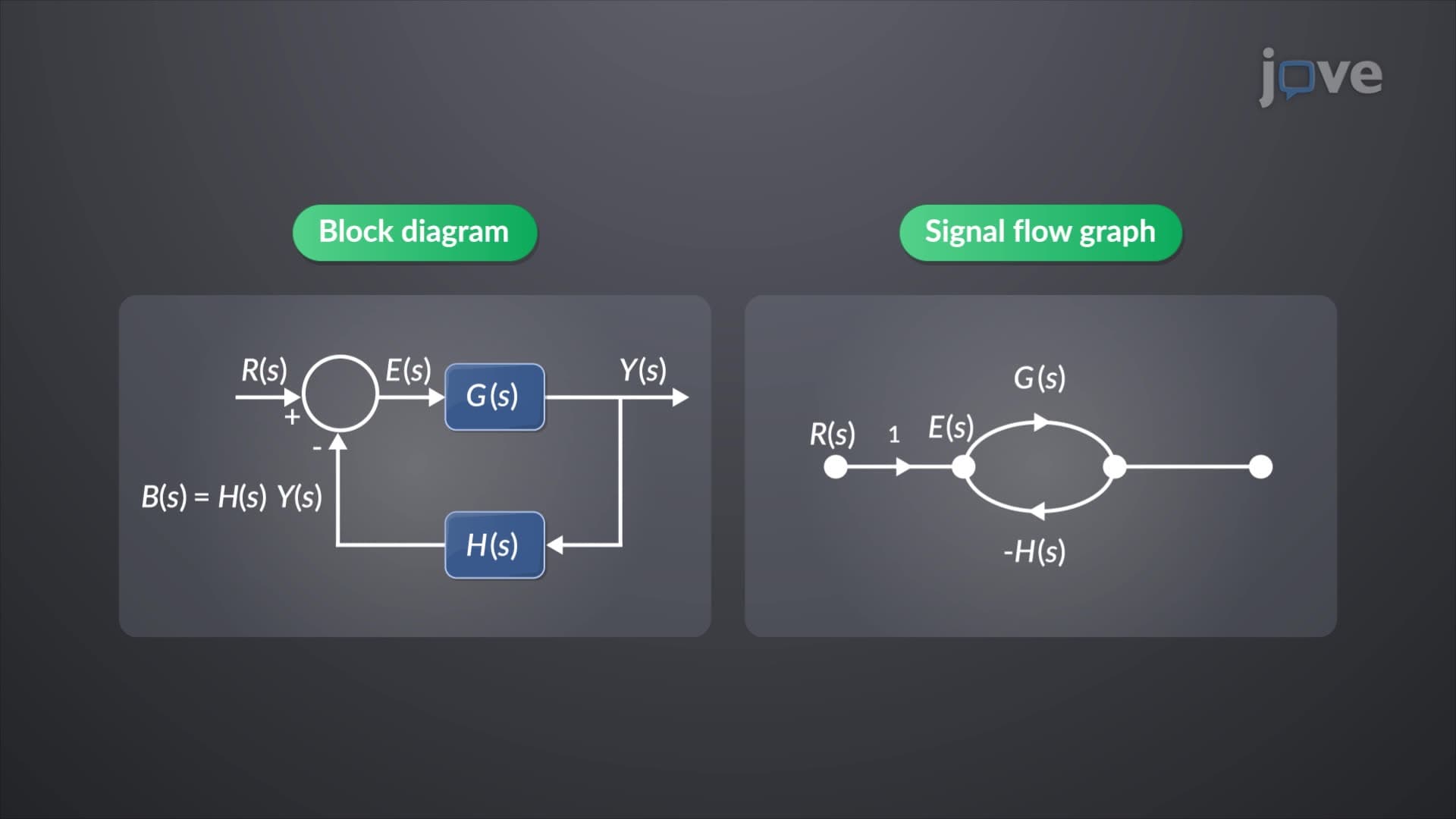
Ever wondered how NASA engineers visualize complex spacecraft control systems without getting lost in confusing diagrams? SFG algebra provides the mathematical framework behind signal flow graphs, transforming intricate control system representations into clear, arrow-connected networks. Unlike traditional block diagrams used in aerospace applications like the Space Launch System, What is Signal Flow Graphs demonstrates how nodes represent signals while branches show transfer functions with directional arrows. Watch the full video on JoVE Coach to master this concept with expert-led visuals and step-by-step explanations.
SFG algebra forms the mathematical backbone of signal flow graph analysis, providing engineers with powerful tools to represent and analyze control systems. This SFG algebra definition encompasses the rules and operations governing how signals propagate through interconnected networks, making complex system behavior more intuitive to understand.
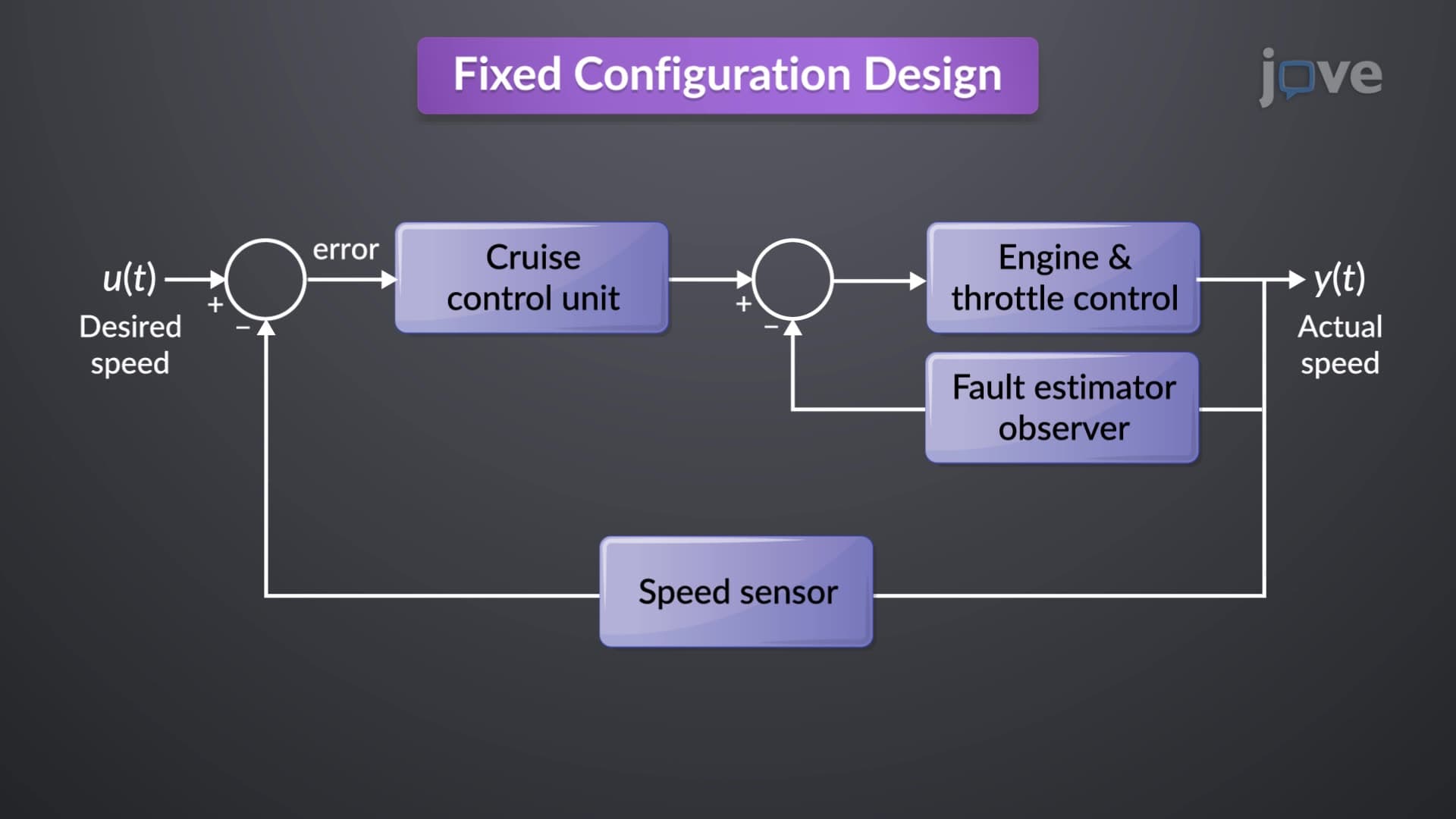
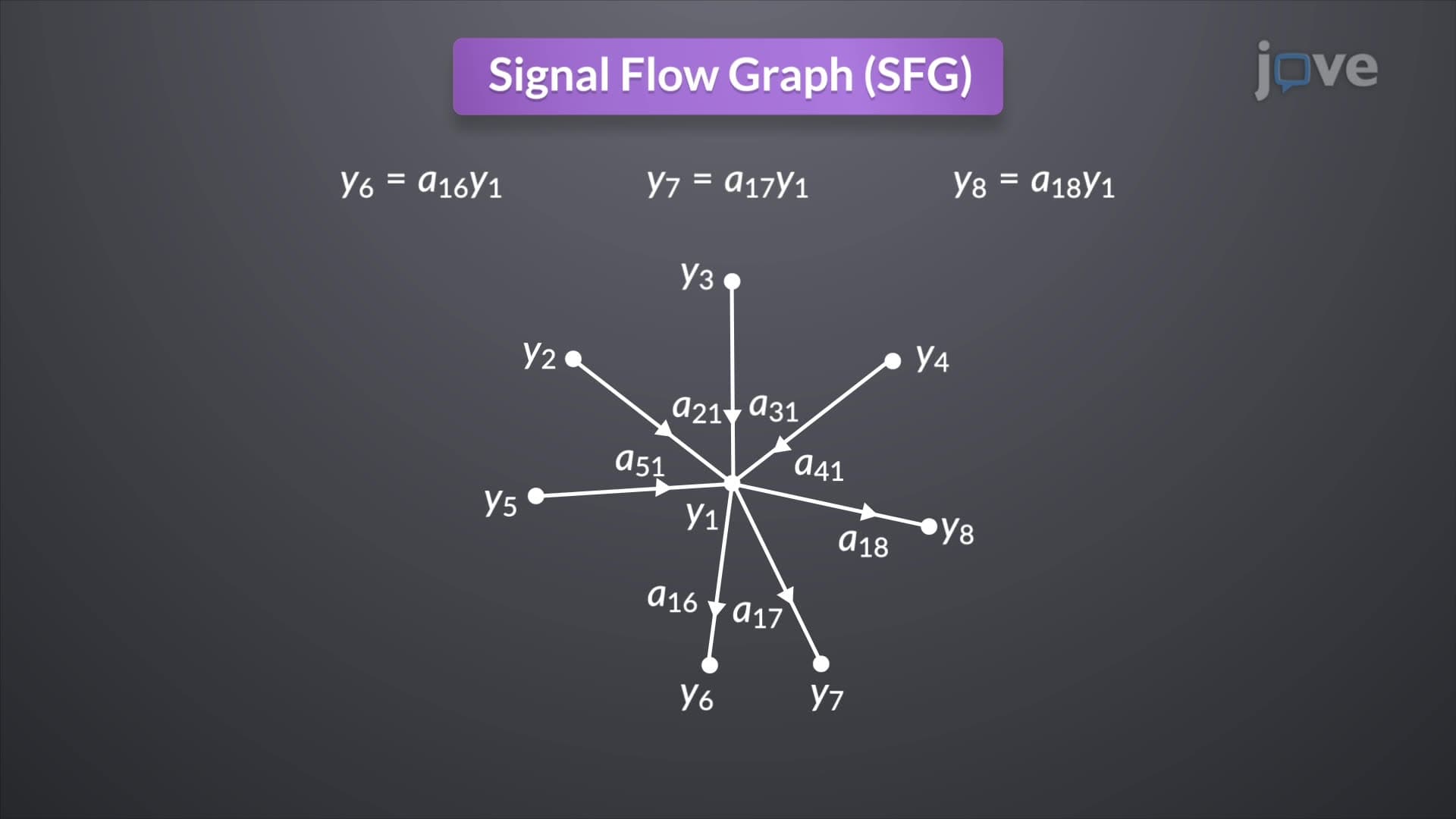
What is SFG algebra in detail involves understanding three fundamental elements: nodes, branches, and the directional flow of information. Nodes represent system variables or signals-think of them as measurement points in an automotive cruise control system where speed sensors provide feedback. Branches connect these nodes, each labeled with a transfer function that describes the mathematical relationship between input and output signals.
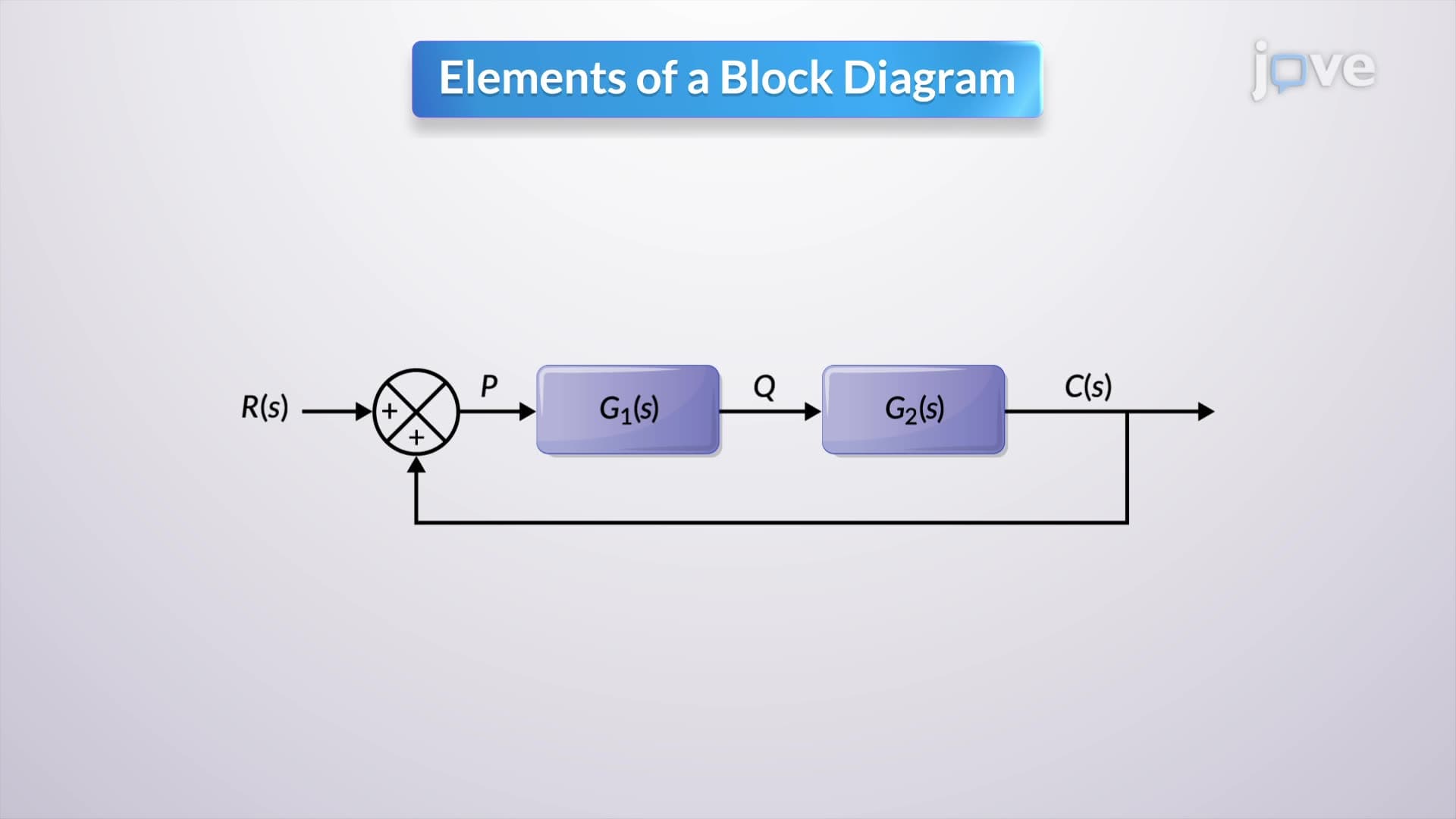
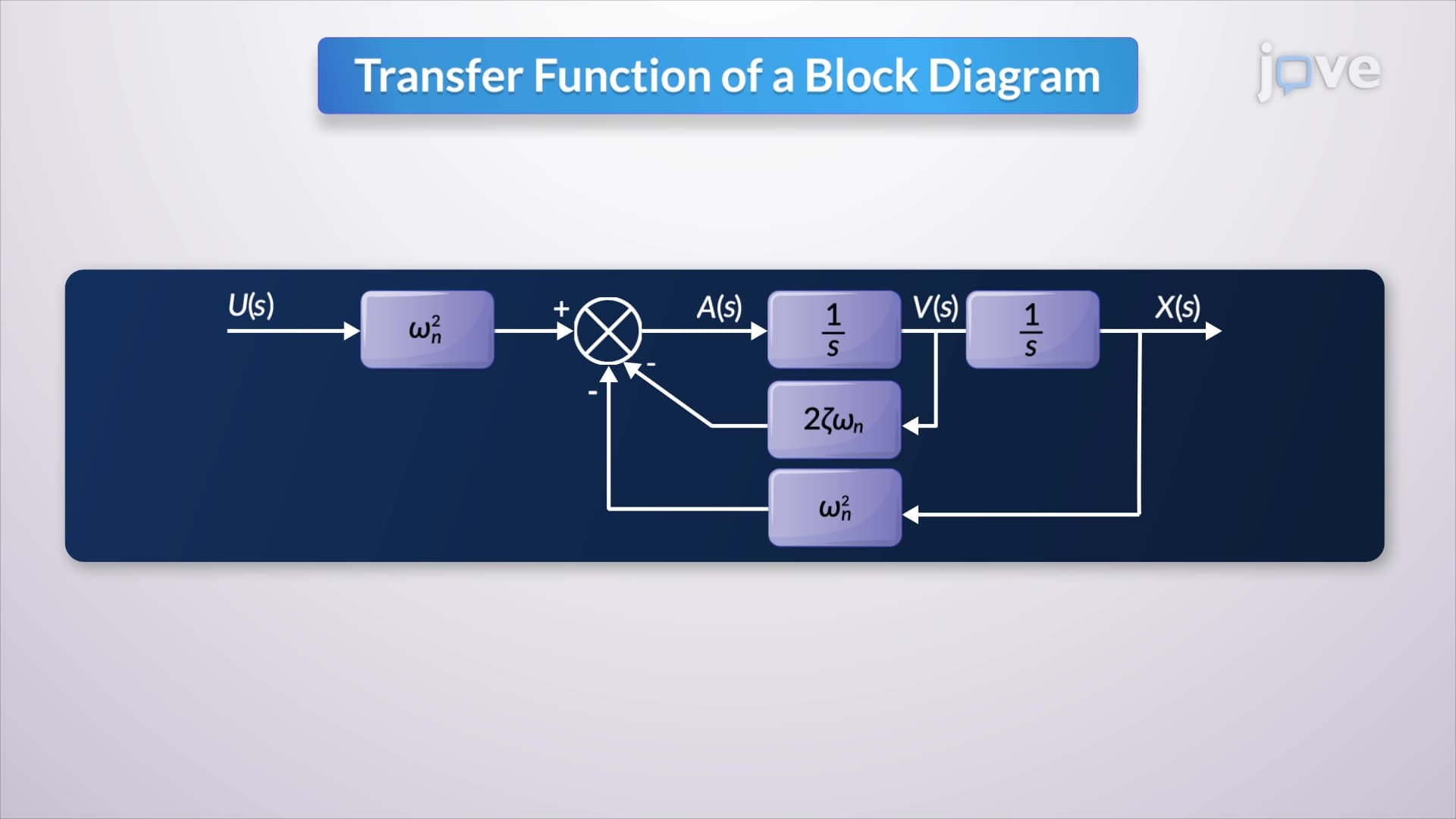
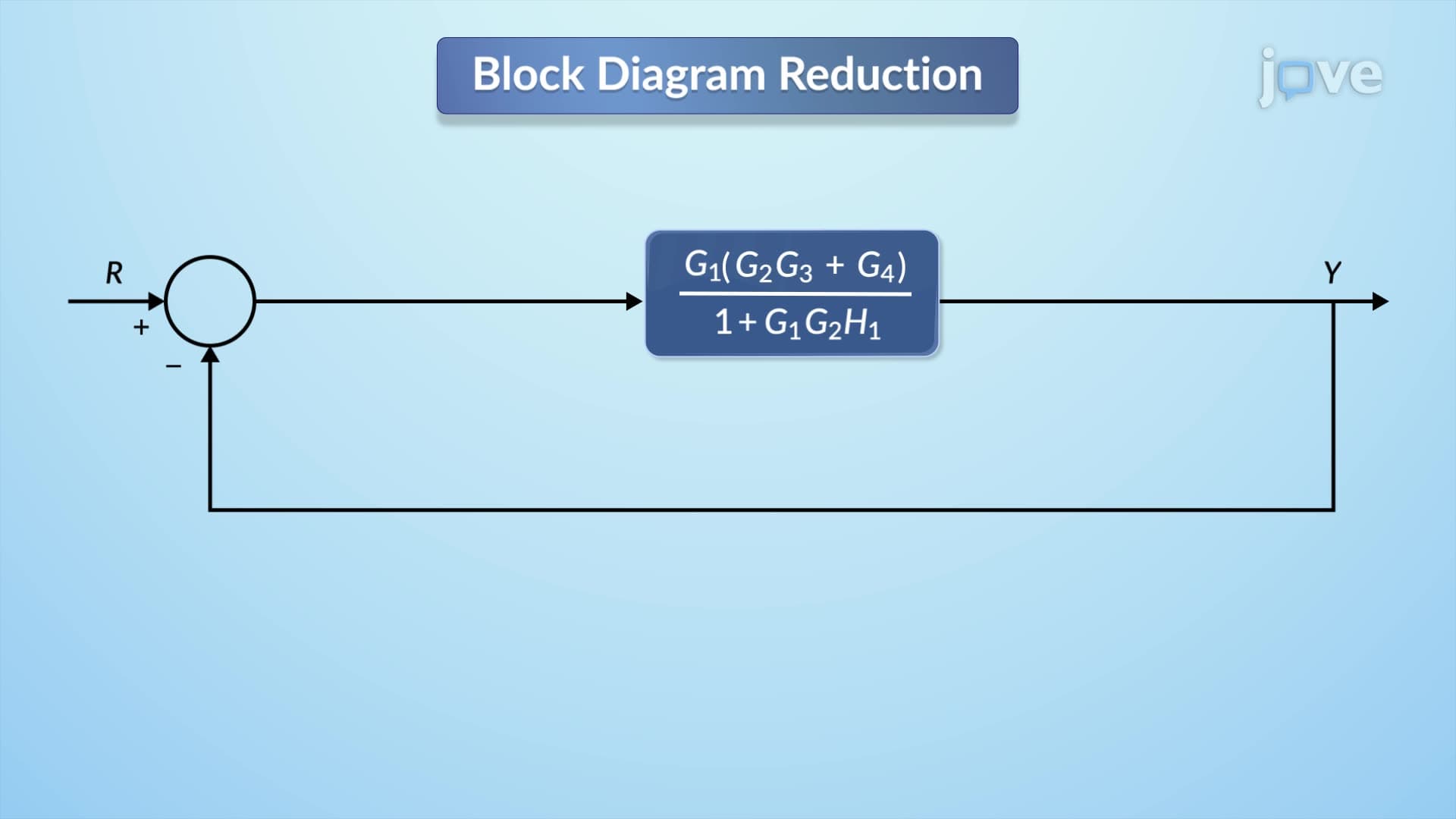
The SFG algebra concept differs significantly from traditional block diagrams. In block diagrams, summing junctions explicitly show addition and subtraction operations. However, signal flow graphs inherently sum all incoming signals at each node, with negative contributions represented as negative transfer functions on the connecting branches. This approach streamlines representation while maintaining mathematical accuracy.
Understanding SFG algebra proves essential for students pursuing engineering disciplines, particularly in courses like AP Physics, college-level Control Systems, or Electrical Engineering fundamentals. Major US universities including MIT, Stanford, and Georgia Tech incorporate these concepts into their curriculum because they're fundamental to modern control theory.
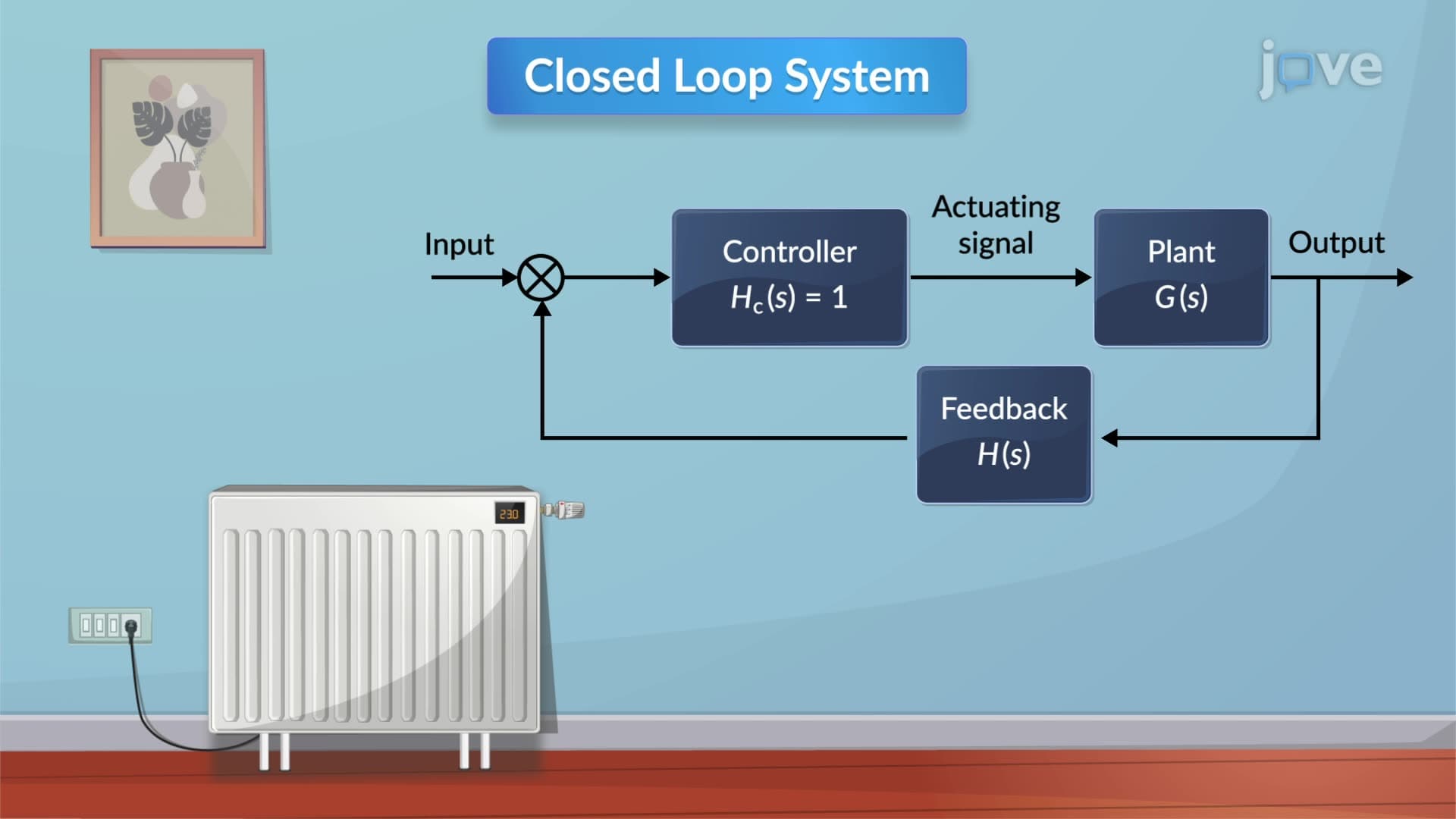
Consider a thermostat system in a typical American home. The desired temperature setting creates a reference signal (node), which connects through branches to the heating system (transfer function) and temperature sensor feedback loop. The SFG algebra study guide approach helps students visualize how these components interact without the complexity of traditional block diagram representations.
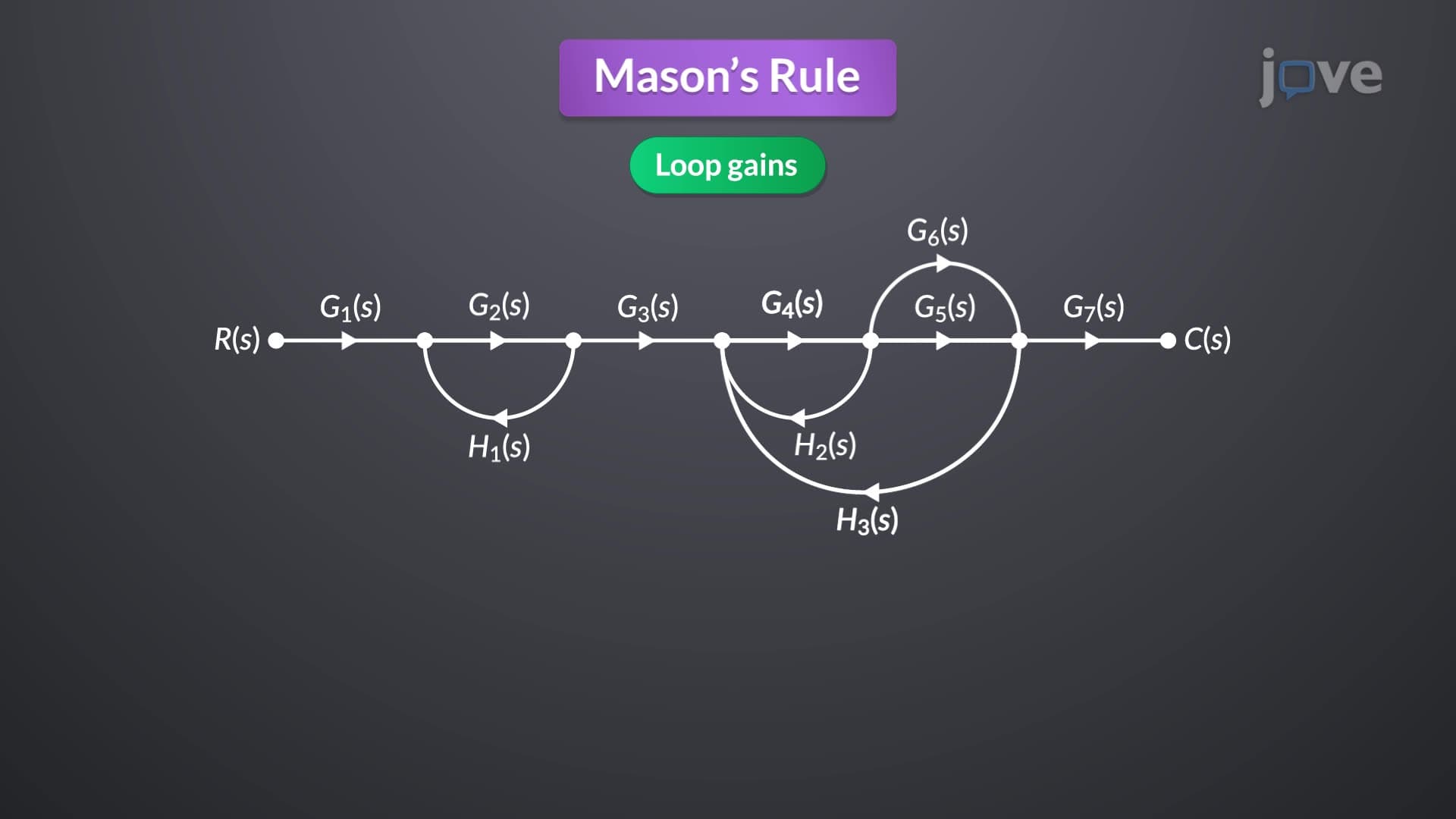
Understanding SFG algebra becomes crucial when analyzing multi-loop systems common in industrial applications. Manufacturing plants across the US, from automotive assembly lines in Detroit to semiconductor fabrication facilities in Silicon Valley, rely on these mathematical tools for system design and troubleshooting. Students preparing for the Fundamentals of Engineering (FE) exam will encounter SFG problems that test their ability to convert between representations and calculate overall system transfer functions using Mason's gain formula-a direct application of SFG algebra principles.
Related Micro-courses