Loading subject page…


9,204 views

Video Summary: What are Energy and Power Signals
Did you know that your smartphone battery's performance depends on understanding even and odd signals in its power management circuits? These mathematical signal properties determine how efficiently devices like Tesla's electric vehicles convert and store energy. From the alternating current powering your home to the digital signals in NASA's communication systems, even and odd signals form the foundation of modern electrical engineering. Understanding What are Energy And Power Signals helps engineers optimize everything from power grids to medical devices. Watch the full video on JoVE Coach to master this concept with expert-led visuals and step-by-explanations.
What are Energy And Power Signals represents a fundamental classification system in electrical engineering that helps engineers design efficient electronic systems. This classification divides all signals into three distinct categories based on their energy and power characteristics, forming the backbone of signal analysis in everything from smartphone processors to power grid management systems.
For continuous-time signals, total energy equals the integral of the signal's magnitude squared over a specified time interval. The time-averaged power then equals this total energy divided by the interval duration. This mathematical framework appears frequently on AP Physics C exams and forms a cornerstone of undergraduate electrical engineering coursework.
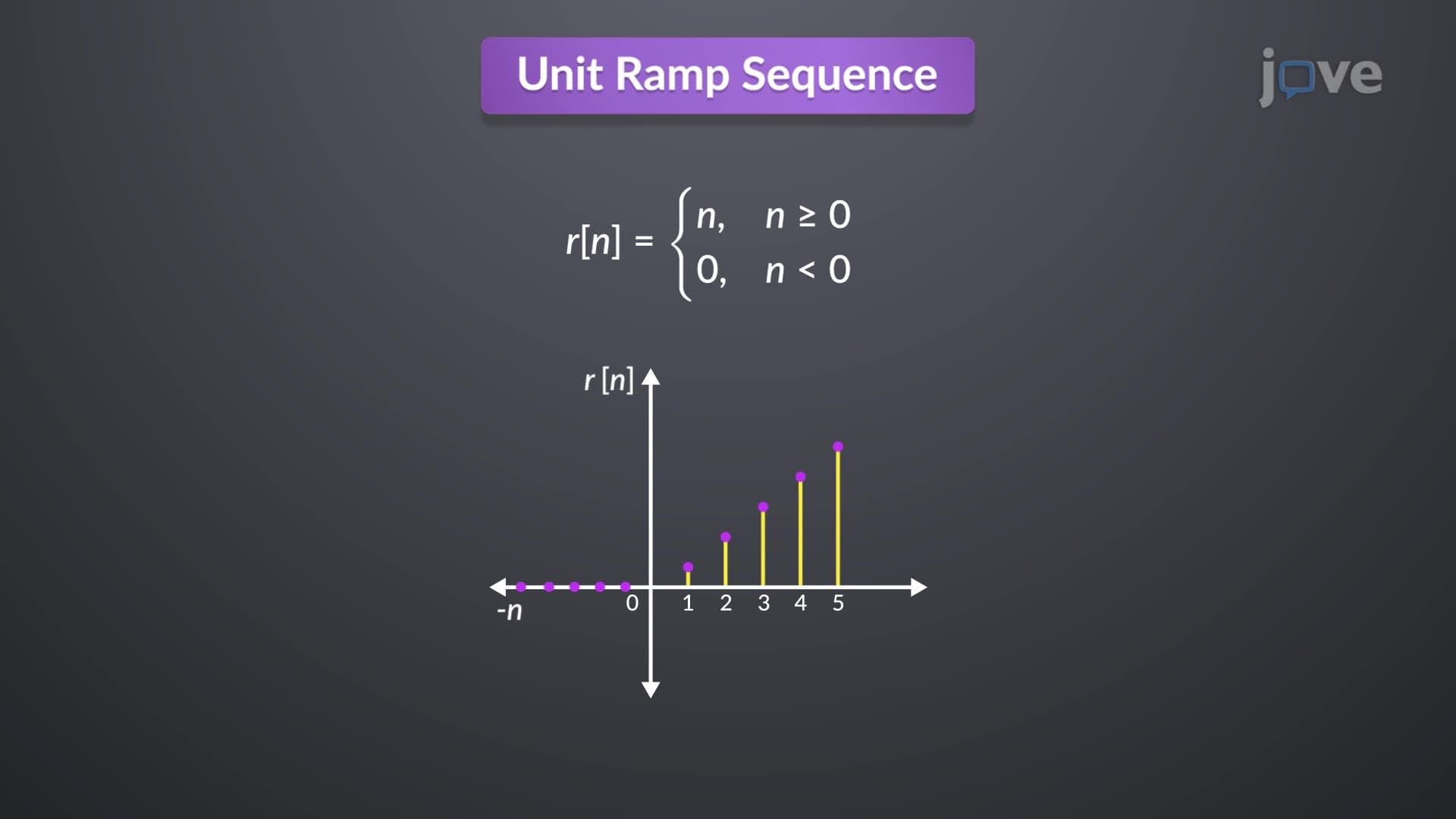
In discrete-time systems-like those found in digital cameras and computer processors-engineers calculate total energy by summing the squares of signal magnitudes across all sample points. The average power equals this sum divided by (2N+1), where N represents the number of samples. Students preparing for the Fundamentals of Engineering (FE) exam encounter these formulas regularly in signal processing problems.
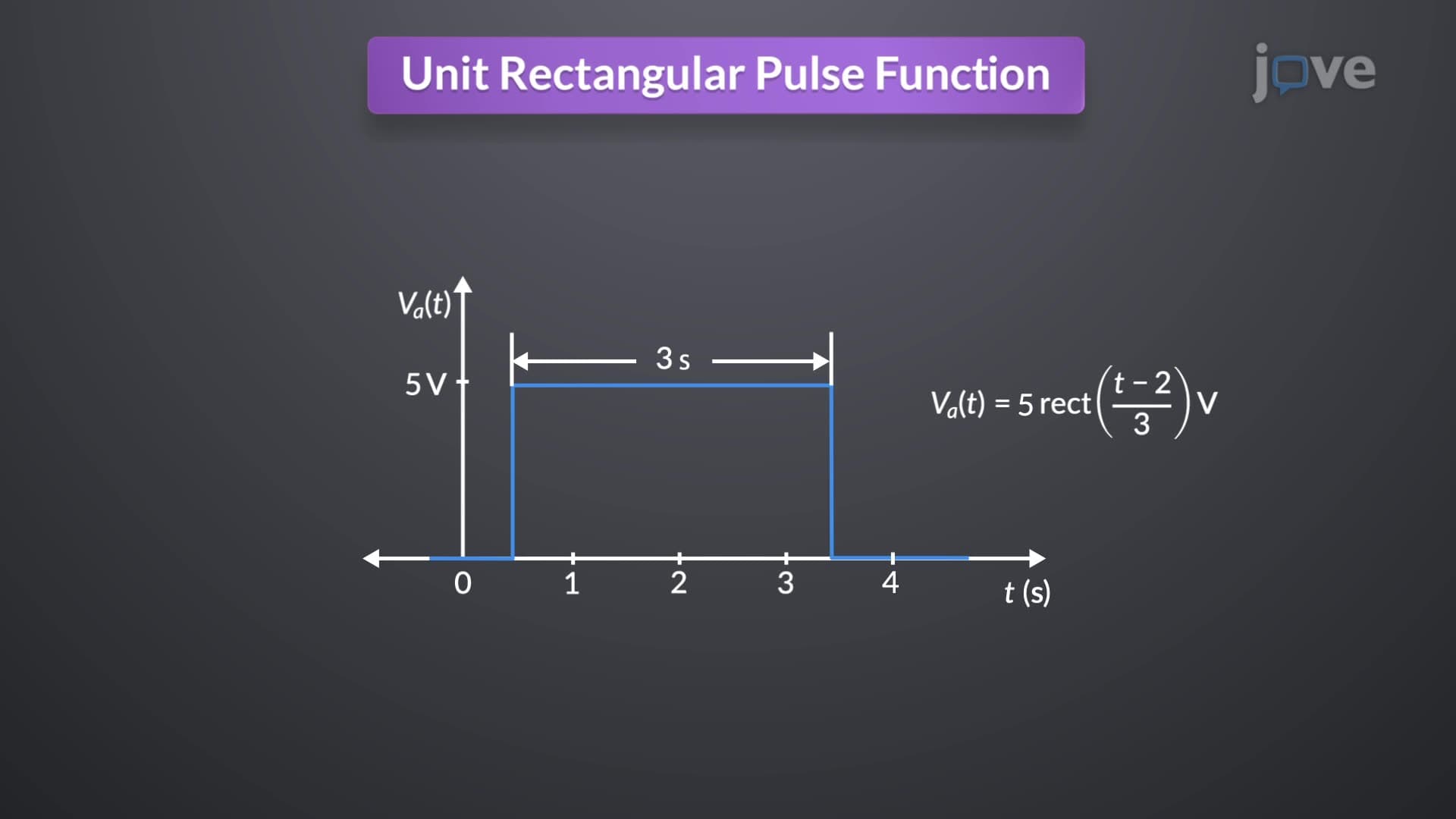
Energy signals possess finite total energy but zero average power, making them ideal for representing transient events. Consider a camera flash: it delivers a burst of light energy over a brief period, then returns to zero. Similarly, the brief electrical pulse that triggers your car's fuel injection system qualifies as an energy signal. These signals prove essential in medical devices like defibrillators, where precise energy delivery can save lives.
Power signals maintain finite average power while possessing infinite total energy-a mathematical concept that describes continuous, ongoing processes. The 60 Hz alternating current powering homes across the United States exemplifies a power signal. Radio waves from stations like NPR also qualify as power signals, maintaining consistent power output indefinitely. Students studying for the MCAT encounter similar concepts when analyzing muscle contractions and neural firing patterns.
The third category encompasses non-physical signals where neither energy nor power remain finite. While these signals lack real-world equivalents, they serve important theoretical purposes in advanced signal processing courses at institutions like MIT and Stanford. Understanding these mathematical abstractions prepares students for graduate-level work in digital signal processing and communication theory.
Related Micro-courses