Loading subject page…


9,204 views

Video Summary: What Is Classification of Systems Ii
Ever wonder how your smartphone processes audio signals differently than an old analog radio? Linear time invariant systems form the backbone of countless technologies we use daily, from the GPS in your car to the Wi-Fi router streaming this content. Understanding the Classification of Systems II reveals how engineers at companies like Apple and Google design circuits that maintain consistent performance whether you're using them at 9 AM or 9 PM. Watch the full video on JoVE Coach to master this concept with expert-led visuals and step-by-step explanations.
Classification of Systems II builds upon fundamental system theory to categorize how engineering systems process signals and information. This classification scheme helps engineers at companies like Intel, Tesla, and Boeing design everything from microprocessors to autonomous vehicle control systems. Understanding these classifications is essential for students preparing for AP Physics, college-level electrical engineering courses, and standardized tests like the SAT Subject Tests.
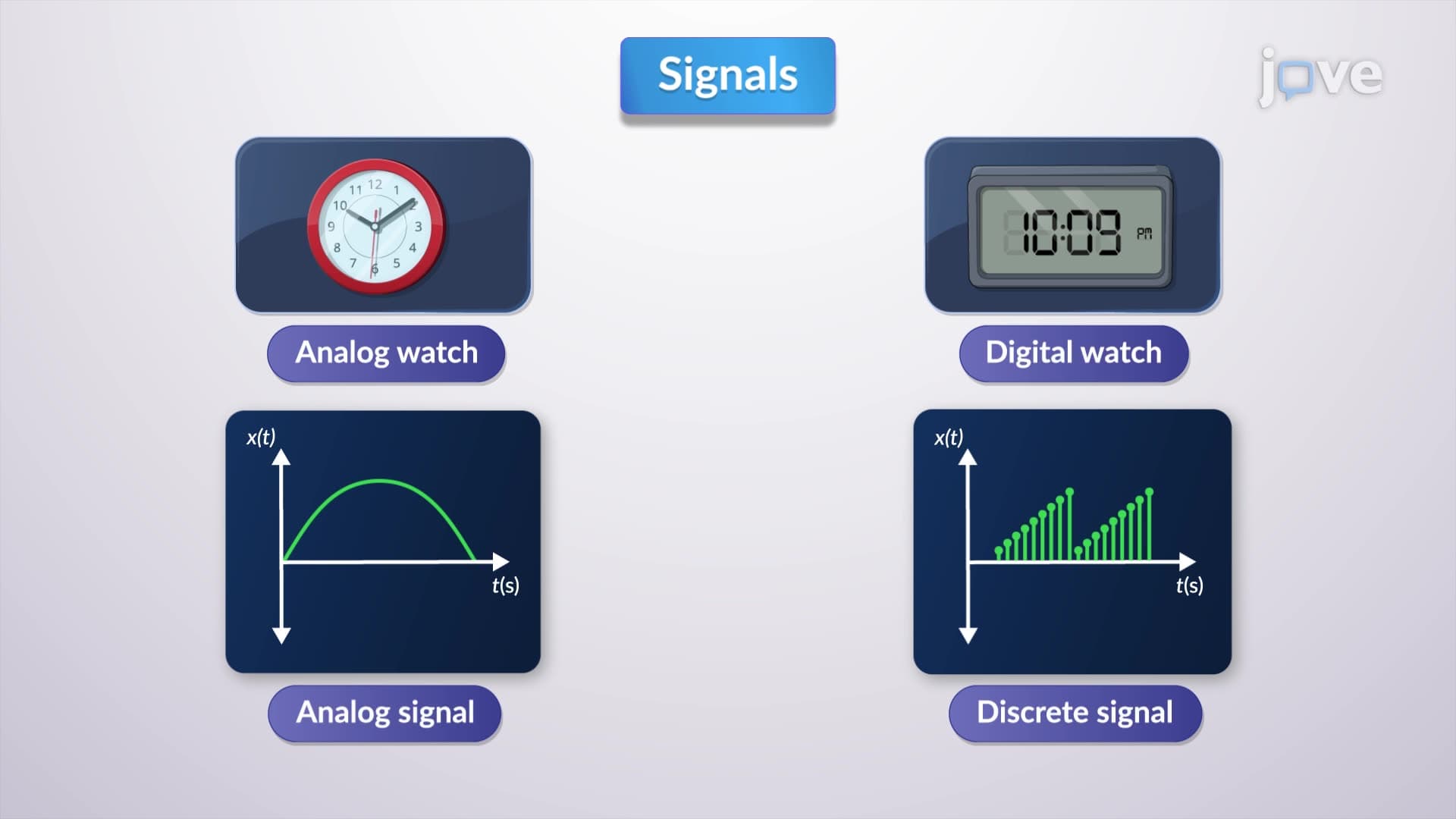
Continuous-time systems operate with signals that vary smoothly over time, much like the analog audio equipment still used in high-end recording studios in Nashville and Los Angeles. These systems use differential equations to describe relationships between inputs and outputs. A classic example is the RC (resistor-capacitor) circuit found in audio filters of guitar amplifiers manufactured by companies like Fender and Marshall.
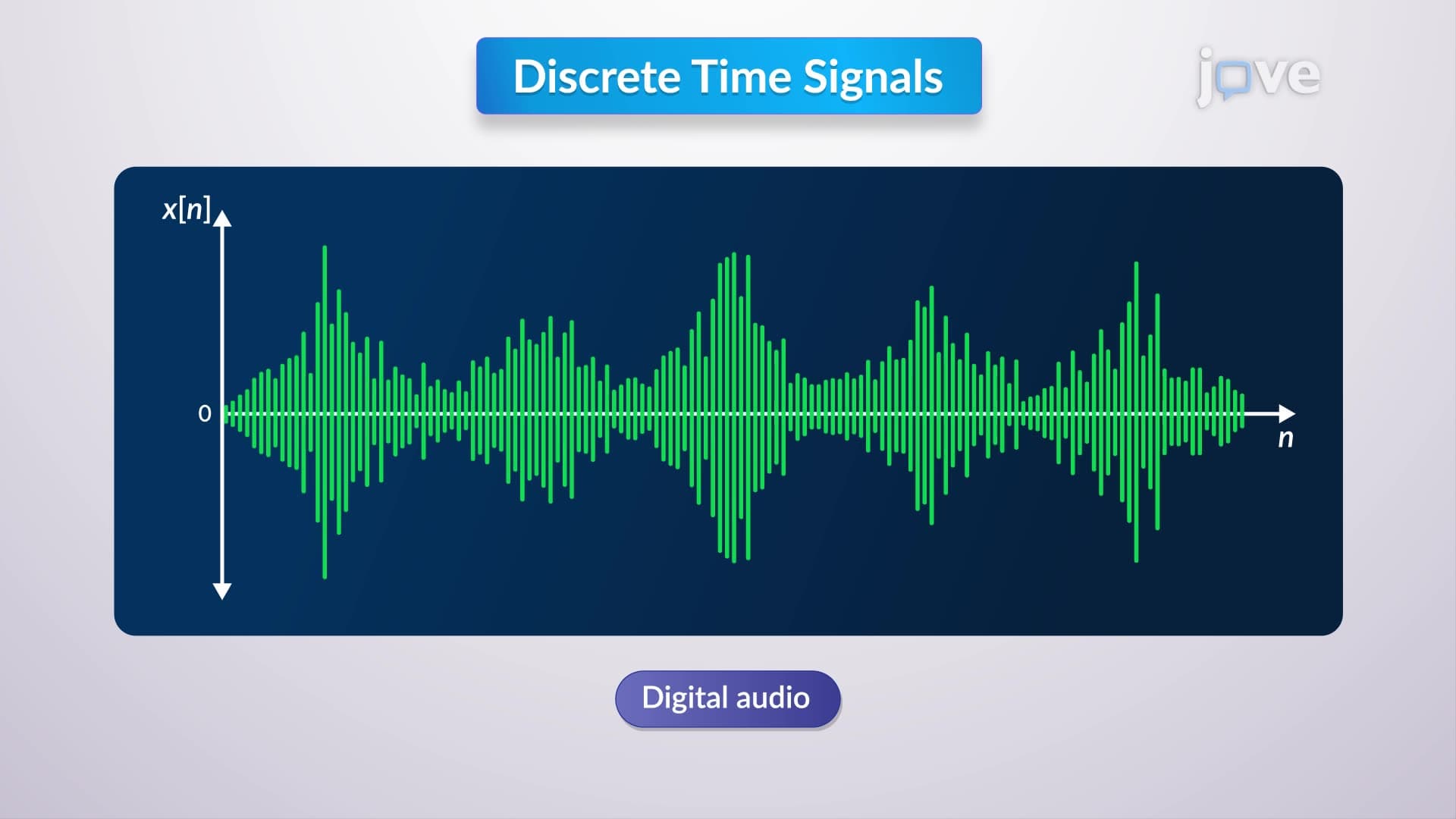
Discrete-time systems, conversely, process information at specific time intervals. Think of how your bank account balance updates monthly, or how digital cameras like those made by Canon sample light intensity at discrete pixels. These systems rely on difference equations rather than differential equations, making them ideal for computer-based processing and digital signal applications.
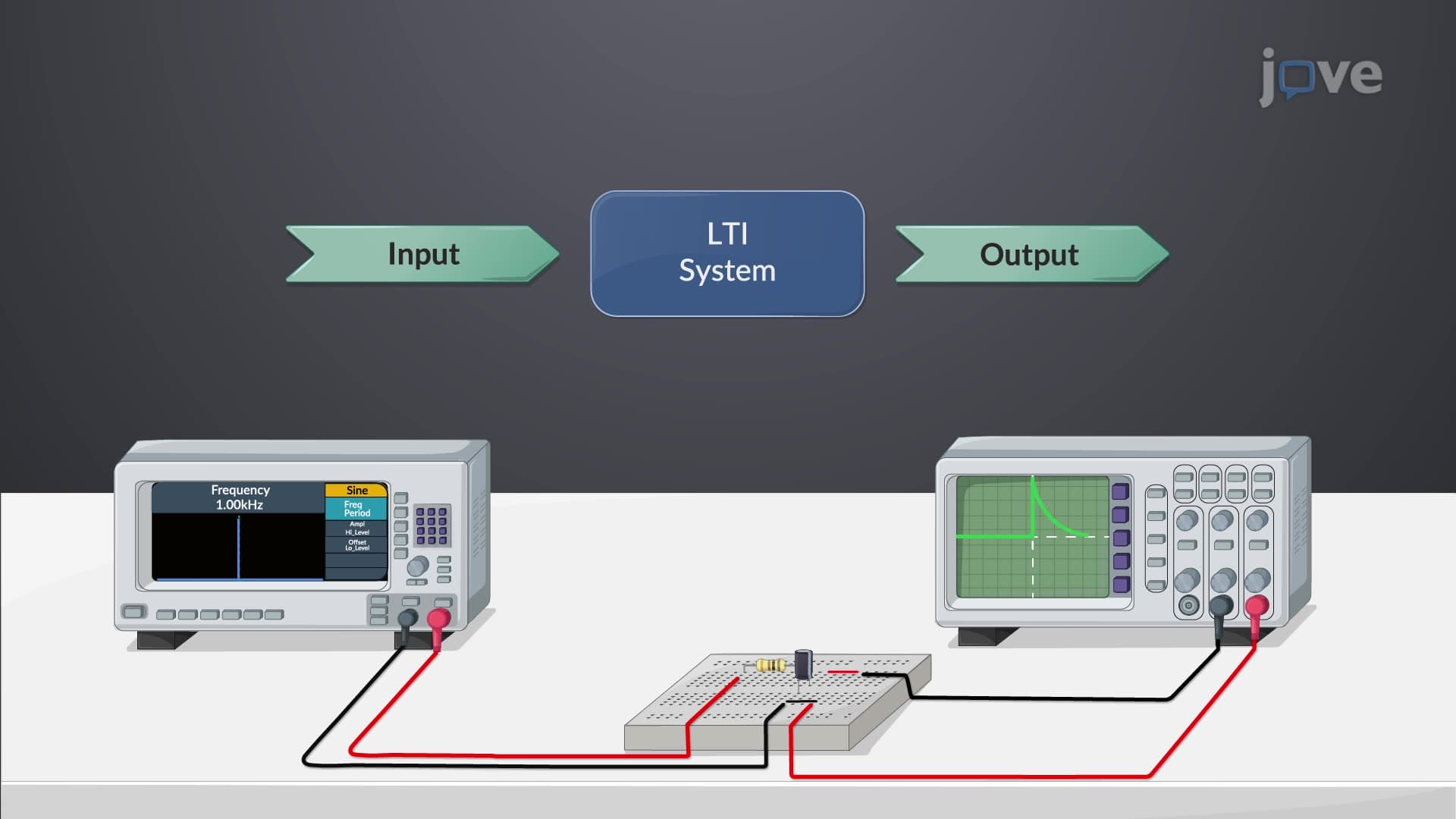
Linear time invariant systems represent the gold standard in engineering design because they provide predictable, consistent behavior. When you adjust your car's cruise control on Interstate 95, you expect the same response whether it's noon or midnight, this consistency comes from time-invariant system design principles used by automotive engineers at Ford and General Motors.
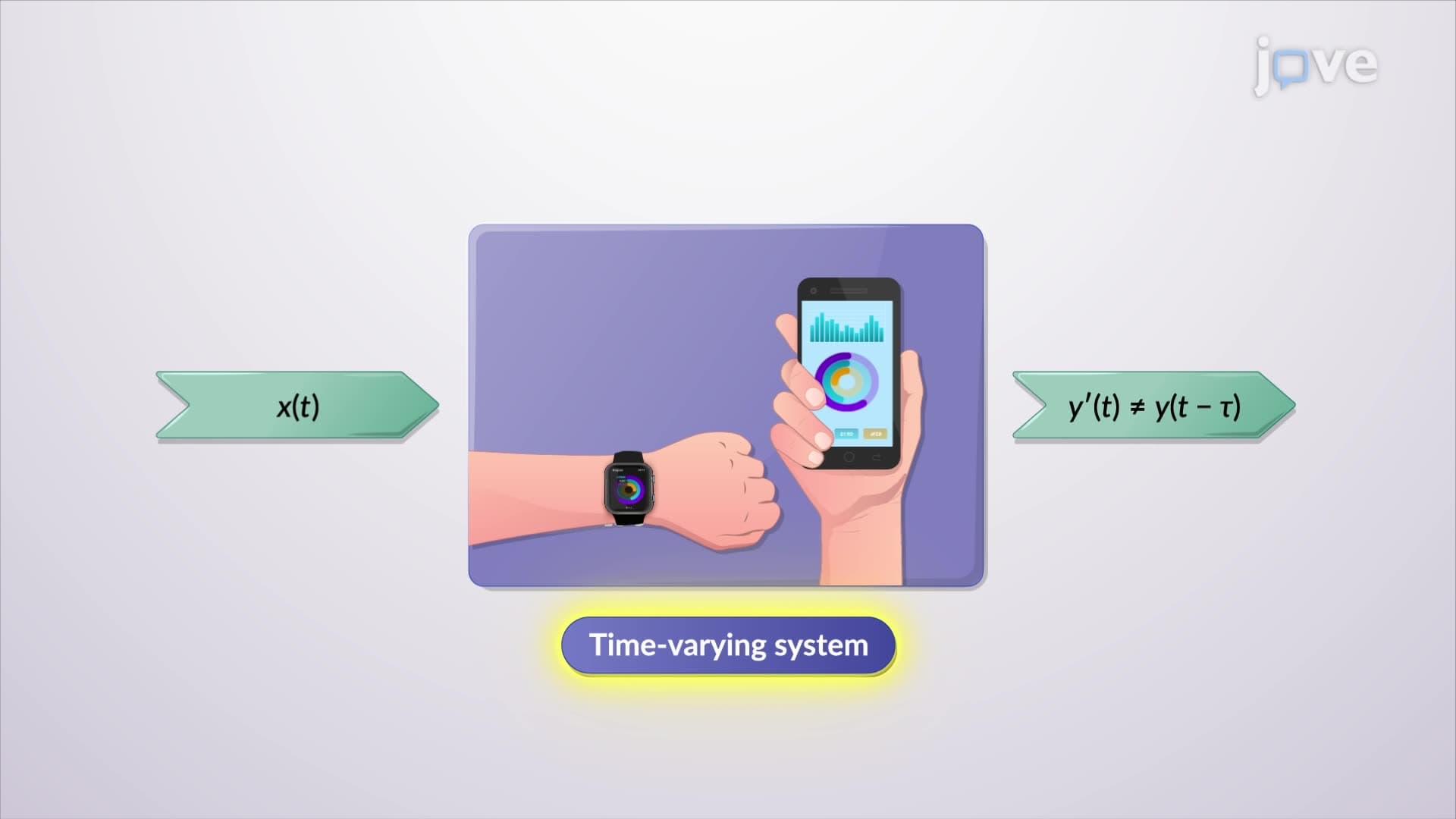
Time-varying systems have parameters that change over time, like the resistance in a thermistor-based temperature sensor as ambient conditions fluctuate. While these systems serve important purposes, they require more complex analysis and control strategies.
The mathematical description of these systems directly impacts how engineers solve real problems. For continuous-time systems, differential equations like dy/dt + ay = x(t) describe system behavior, while discrete-time systems use difference equations such as y[n] - ay[n-1] = x[n]. Students encountering these concepts in college calculus and differential equations courses will recognize how these mathematical tools translate directly into engineering solutions.
This classification system appears frequently on the MCAT's physics section and forms the foundation for advanced coursework in electrical engineering, mechanical engineering, and applied mathematics at universities like MIT, Stanford, and Georgia Tech.
Related Micro-courses