Loading subject page…

- Electrical Engineering
- Introduction to Signals and Systems
- Signal and System
Micro-course: Introduction to Signals and Systems
9,204 views
Learn key concepts and earn your certificate.

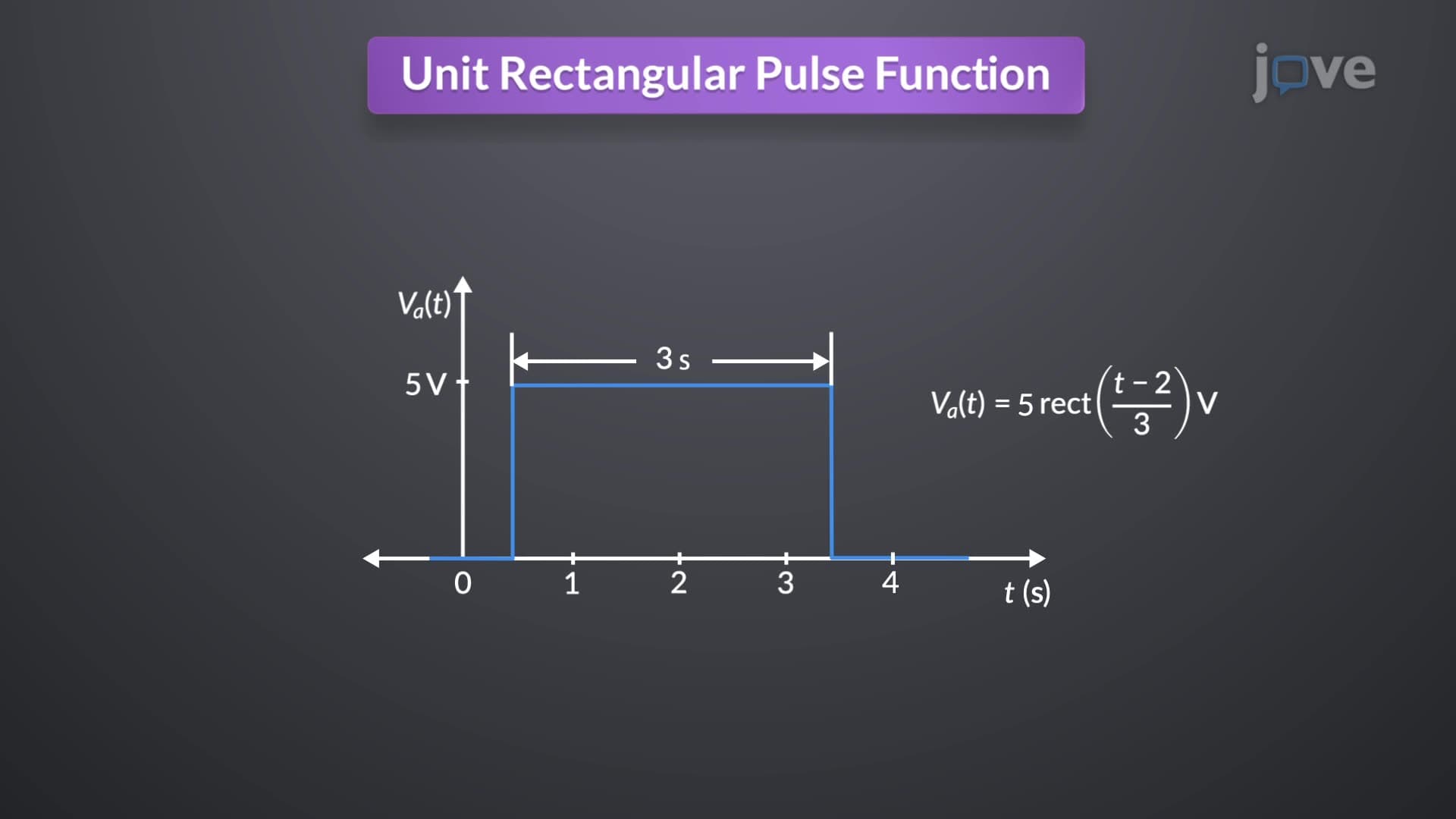

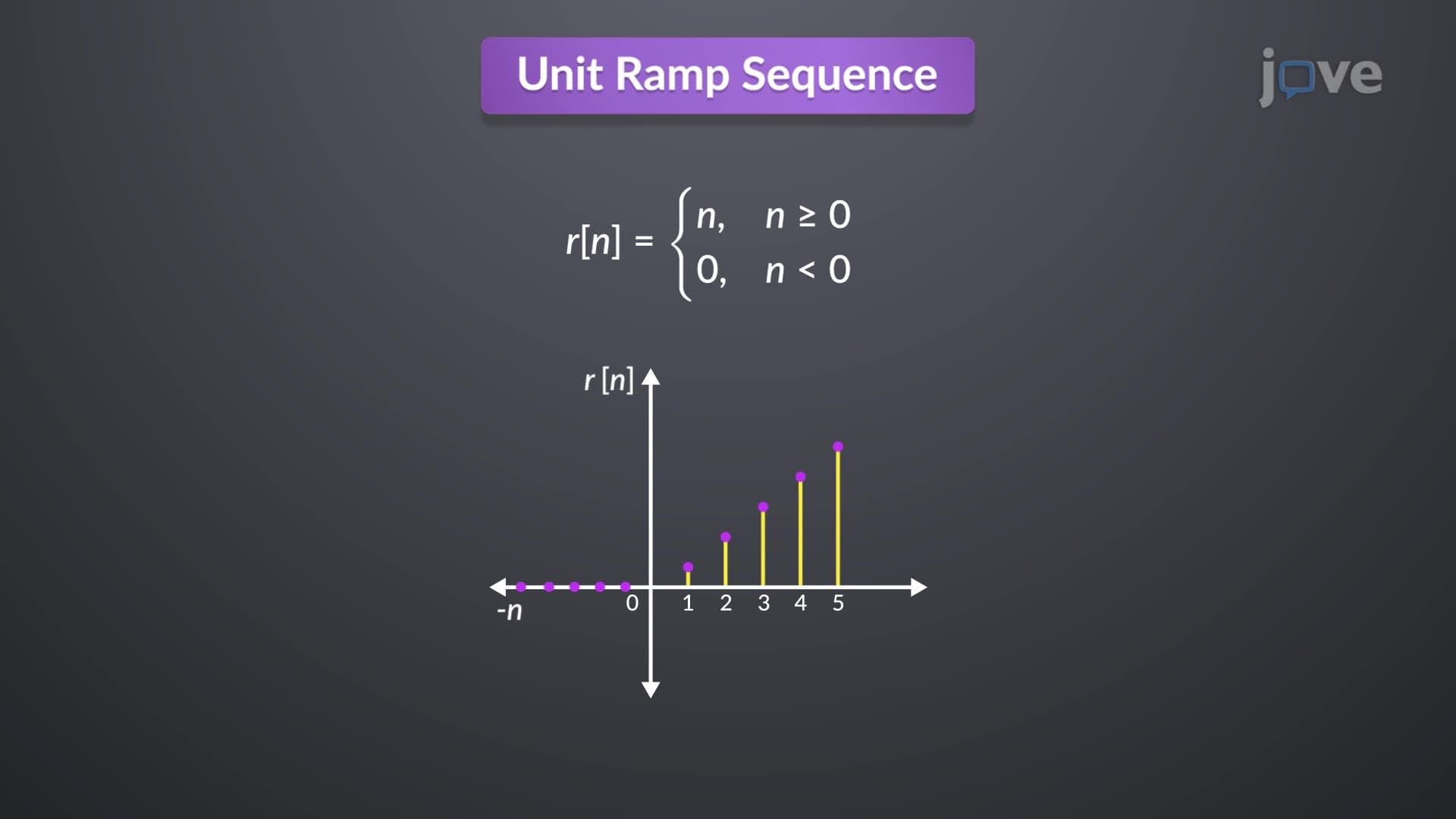
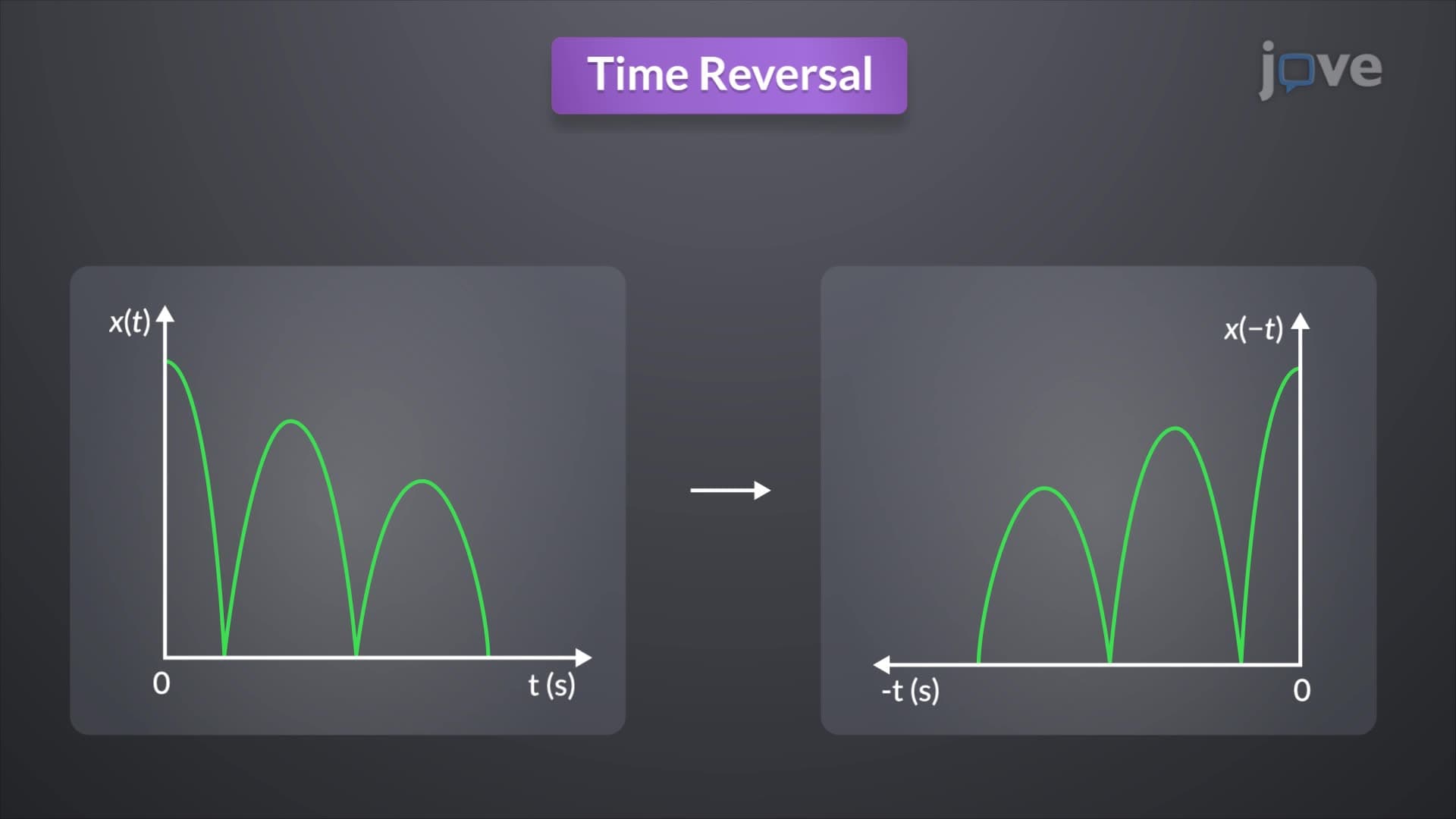
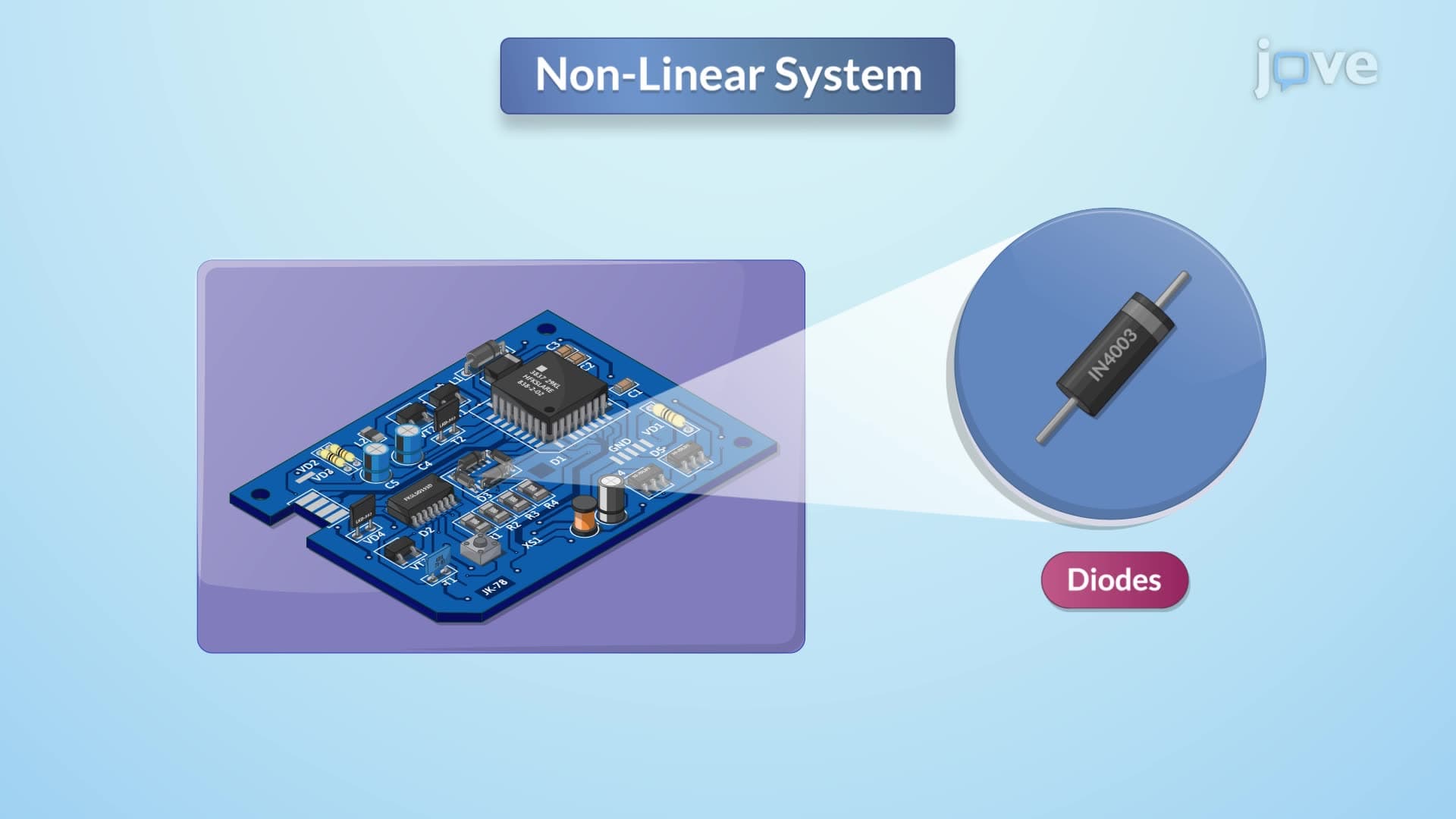
Signal and System

00:00
01:26
Video Summary: What Is Signal and System
Did you know that every time you stream Netflix or use GPS navigation, you're experiencing classification of signals in action? Understanding What is Signal And System reveals how data transforms into meaningful information around us. From analyzing earthquake seismic data at the U.S. Geological Survey to processing voice commands on smartphones, signal classification determines how systems interpret and respond to input data. Watch the full video on JoVE Coach to master this concept with expert-led visuals and step-by-step explanations.
- Understand What is Signal And System fundamentals and how signals carry information in engineering applications
- Identify the difference between one-dimensional and multi-dimensional signals in real-world scenarios
- Analyze single-input, single-output versus multi-input, multi-output system configurations
- Compare electrical, mechanical, biological, and computational system examples
- Evaluate how mathematical modeling enables system design and optimization
- Apply signal classification principles to solve engineering problems
- Recognize the relationship between input signals and system responses
- Explore how systems process information in everyday technology applications
Understanding What is Signal And System in Engineering
What is Signal And System forms the foundation of modern engineering and technology. Signals represent information-carrying phenomena that vary with time, space, or other independent variables. These can range from simple audio waveforms to complex multi-dimensional datasets used in medical imaging at hospitals like Johns Hopkins or Massachusetts General Hospital.
Classification of Signals: Dimensional Analysis
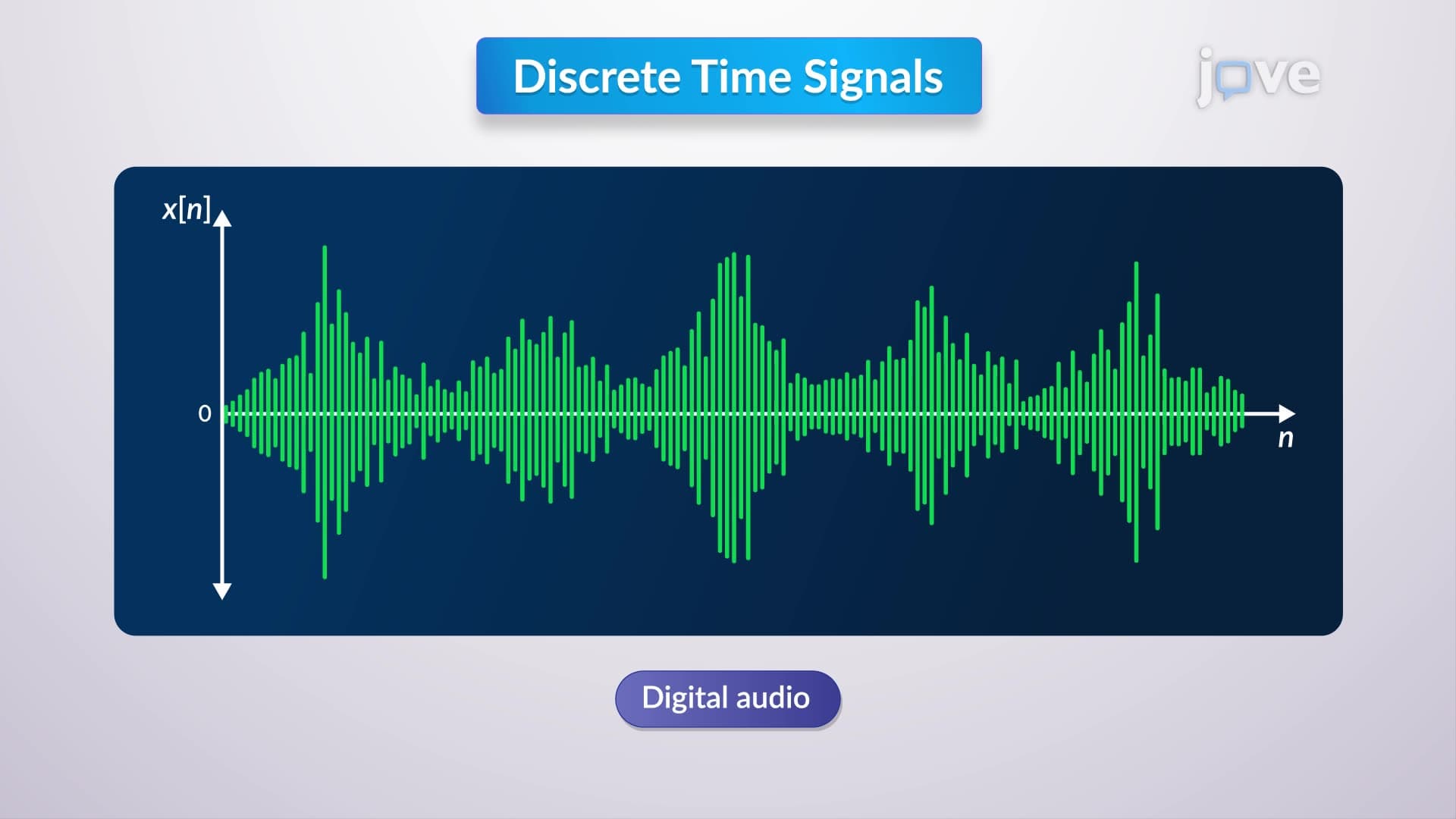
The classification of signals begins with understanding dimensional properties. One-dimensional signals depend on a single variable, typically time. Examples include stock market data tracked by NYSE, temperature readings from NOAA weather stations, or heart rate monitors in clinical settings. Multi-dimensional signals involve multiple variables simultaneously-think of MRI scans that map brain activity across three spatial dimensions plus time, creating four-dimensional datasets that neurologists use for diagnosis.
Types of Classification of Signals in System Design
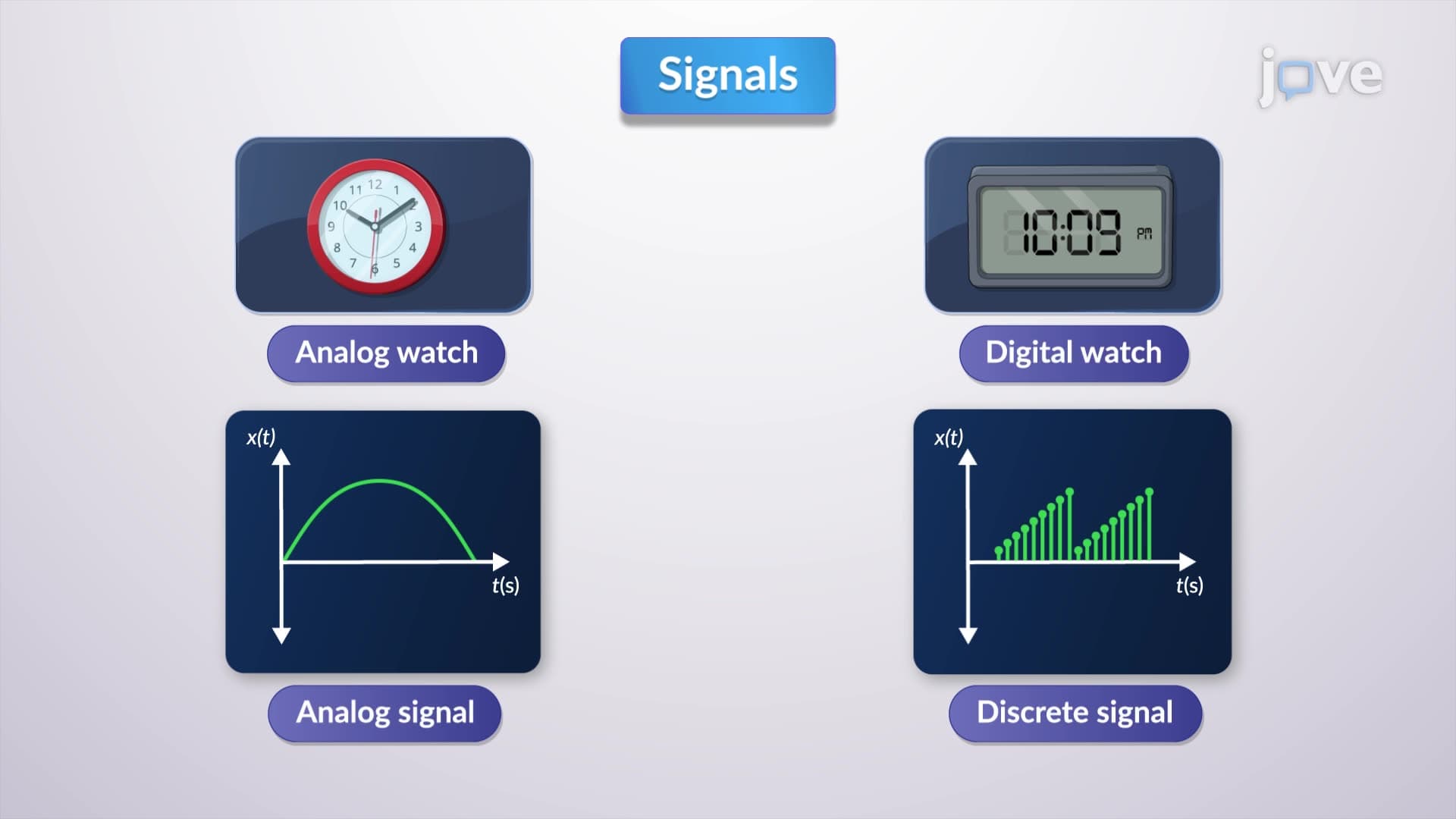
Types of classification of signals extend beyond dimensionality to include continuous versus discrete signals, deterministic versus random signals, and periodic versus aperiodic patterns. Engineers at companies like Intel or Texas Instruments must understand these distinctions when designing microprocessors that handle various signal types. For students preparing for AP Physics or college-level electrical engineering courses, recognizing these categories helps solve complex problems involving signal processing and system analysis.
What Are Classification of Signals Overview: System Response
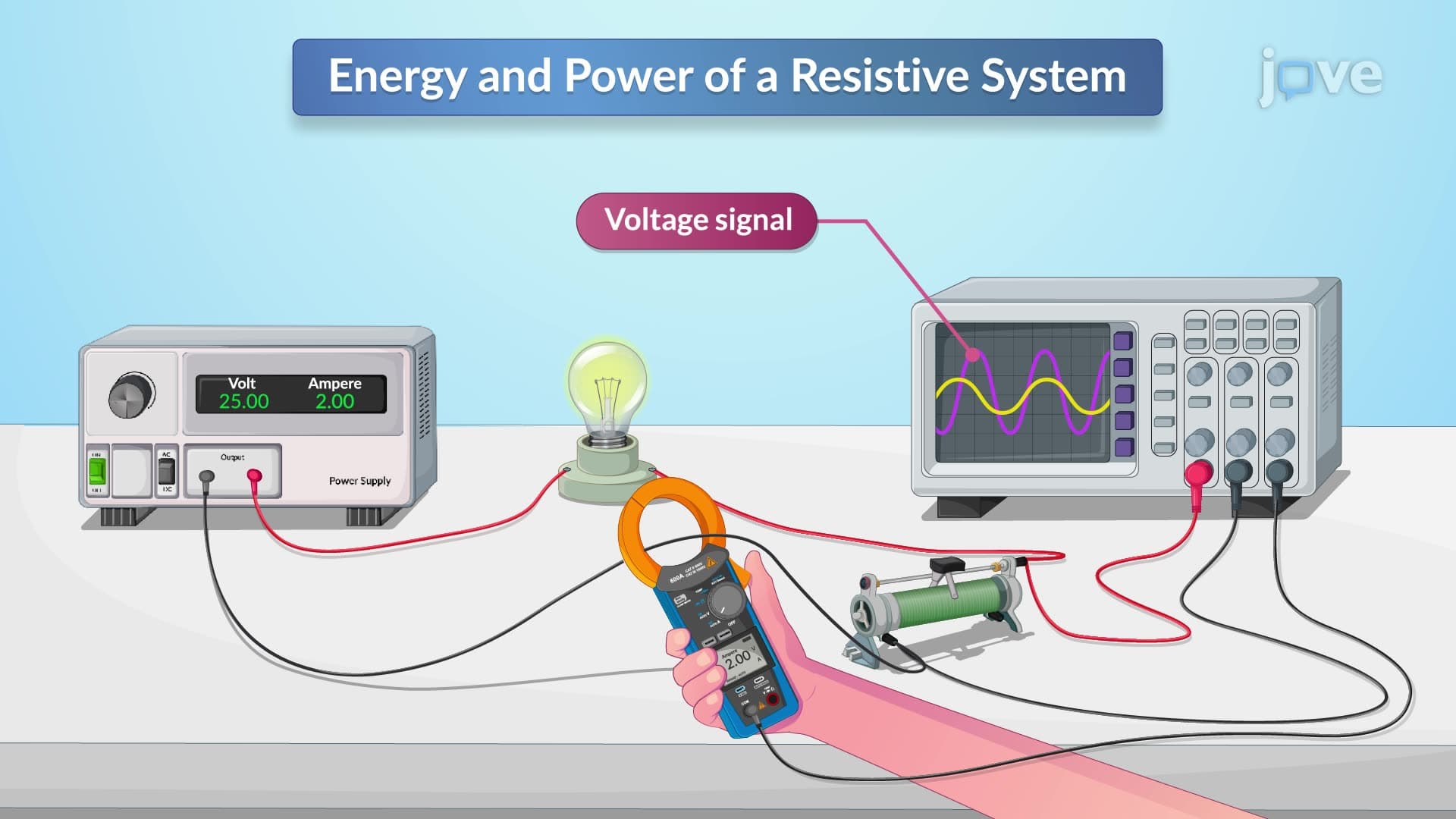
What are classification of signals overview encompasses how systems transform inputs into outputs. Consider the anti-lock braking system (ABS) in vehicles-sensors detect wheel rotation speed (input signals), the control unit processes this data (system), and outputs control signals to brake actuators. This real-world application demonstrates single-input, multi-output system behavior that automotive engineering students at universities like MIT or Stanford study extensively.
Mathematical modeling enables engineers to predict system behavior before physical implementation. Whether designing communication satellites for NASA or developing medical devices for FDA approval, understanding signal classification principles ensures reliable system performance across diverse applications.
Frequently Asked Questions
A signal is any information-carrying data that changes over time or space, while a system processes these signals to produce useful outputs. Think of your smartphone's camera system-light signals enter the lens, and the internal processing system converts them into digital photos you can share.
Signal classification appears in AP Physics questions involving wave mechanics, electromagnetic radiation, and circuit analysis. Understanding one-dimensional versus multi-dimensional signals helps solve problems about sound waves, light spectra, and electrical circuits that commonly appear on AP exams.
College engineering courses typically test signal dimensionality, continuous versus discrete classification, and system input-output relationships. Students often encounter problems involving audio processing, image analysis, or control system design that require identifying signal types and predicting system responses.
Biomedical engineers use signal classification to develop medical devices like ECG monitors, MRI machines, and prosthetic limbs. Hospitals across the United States rely on these systems to process biological signals-from heart rhythms to brain waves-enabling accurate diagnosis and treatment.
Basic algebra and introductory calculus concepts suffice for fundamental signal classification. While advanced applications require differential equations, high school students can grasp core principles through practical examples like audio processing or image enhancement.
Start with real-world examples like smartphone apps or streaming services, then work backward to understand the underlying signal processing. Practice identifying signal dimensions and system types in everyday technology before tackling mathematical formulations.
Explore Fourier analysis for frequency domain representation, digital signal processing for modern applications, and control systems theory. These subjects build upon signal classification foundations and appear in advanced engineering curricula at top universities.
MCAT physics sections include wave behavior, electromagnetic spectrum analysis, and sensory system processing. Understanding signal classification helps answer questions about vision, hearing, and medical imaging technologies that appear in both physics and biological sciences passages.
Related Micro-courses