Loading subject page…

- Electrical Engineering
- Steady State Transmission Lines and Power Flows
- Maximum Power Flow and Line Loadability
Micro-course: Steady-State Transmission Lines and Power Flows
2,146 views
Learn key concepts and earn your certificate.


Maximum Power Flow and Line Loadability

00:00
01:23
Video Summary: Maximum Power Flow and Line Loadability Explained
When Texas faced its 2021 winter storm crisis, the power flow problem and solution became a matter of life and death as the electrical grid struggled to deliver maximum power efficiently. Understanding Maximum Power Flow And Line Loadability Explained is crucial for preventing such catastrophic failures in our electrical infrastructure. California's grid operators use these principles daily to manage power distribution across the state's vast network. Watch the full video on JoVE Coach to master this concept with expert-led visuals and step-by-step explanations.
- Understand Maximum Power Flow And Line Loadability Explained principles using ABCD parameters and phasor analysis for transmission line calculations
- Identify the relationship between sending-end and receiving-end voltages in determining maximum power transfer capabilities
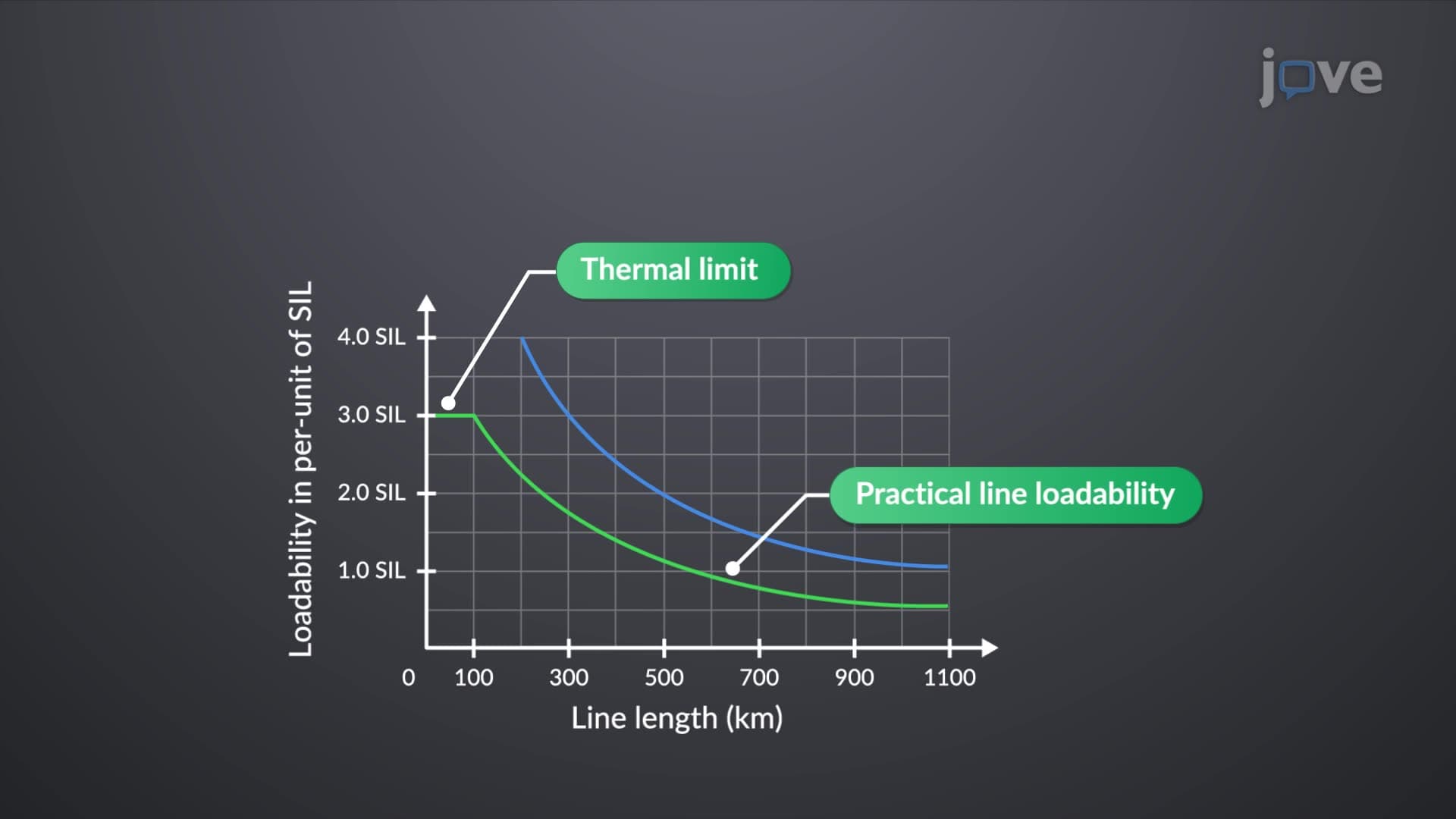
- Analyze the theoretical steady-state stability limit and how it differs from practical line loadability constraints
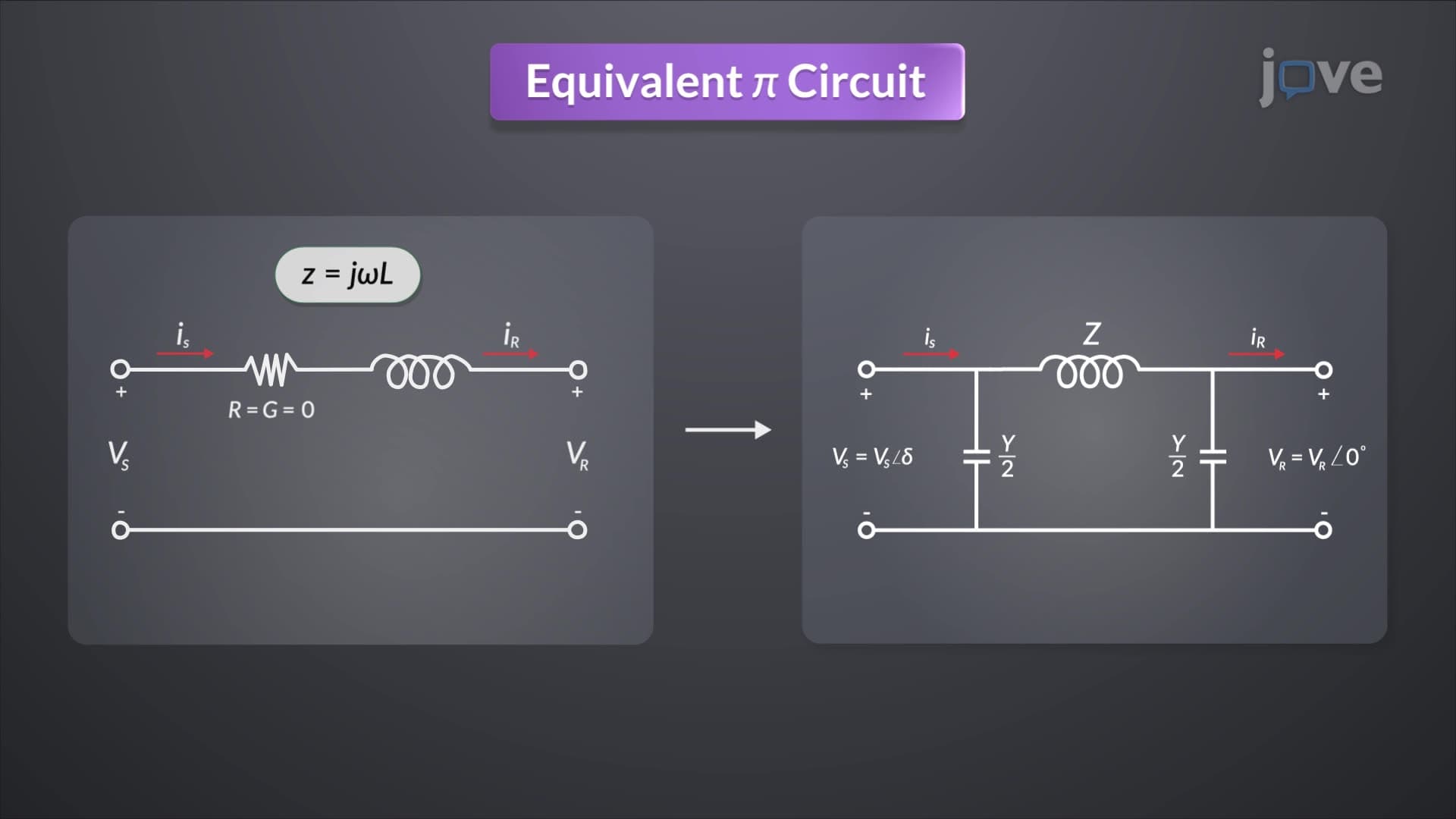
- Compare lossy versus lossless transmission line power flow characteristics and their mathematical derivations
- Evaluate practical limitations including voltage drop limits (0.95 or less) and angular displacement constraints (30-35 degrees)
- Apply thermal rating considerations for short transmission lines under 25 kilometers in length
- Recognize the power flow problem and solution methodology in real-world electrical engineering applications
- Explore how series impedance and reactance values affect maximum deliverable power in transmission systems
Understanding Maximum Power Flow And Line Loadability Explained
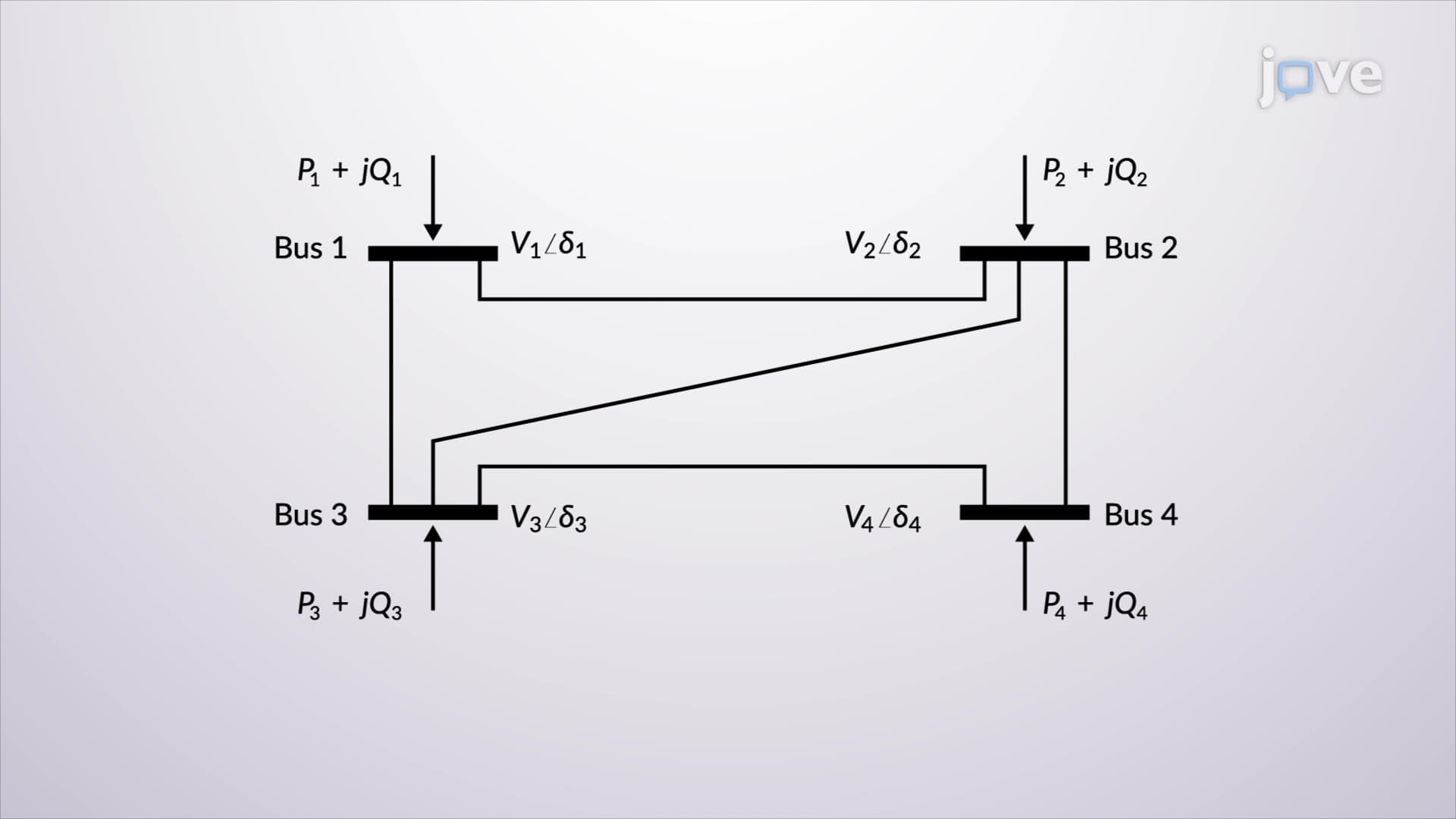
The power flow problem and solution represents one of electrical engineering's most critical challenges: determining how much power can safely and efficiently flow through transmission lines. When engineers design power grids for cities like New York or Los Angeles, they must solve complex equations involving voltage, current, and impedance relationships to ensure reliable electricity delivery.
Mathematical Foundation Using ABCD Parameters
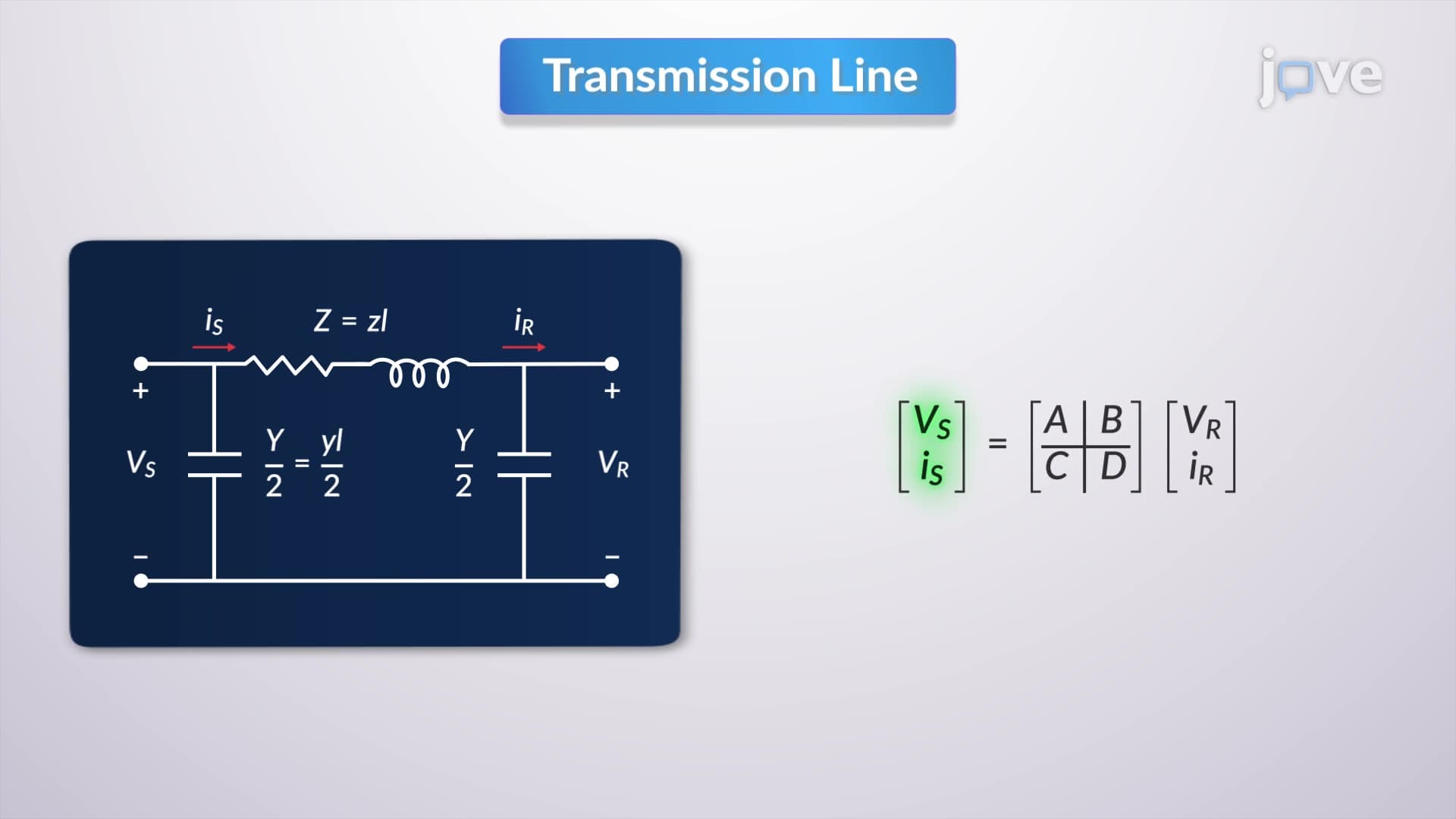
The power flow problem and solution tutorial begins with ABCD parameters, which create a matrix relationship between sending-end and receiving-end electrical quantities. These parameters allow engineers to calculate the complex power delivered to load centers. For a transmission line, the receiving-end current depends on both voltage and current at the sending end, expressed through:
[V(receiving)] = A × [V(sending)] + B × [I(sending)] [I(receiving)] = C × [V(sending)] + D × [I(sending)]
This mathematical framework helps utilities like Pacific Gas & Electric calculate power flow across their extensive California network. The complex power at the receiving end equals voltage multiplied by the conjugate of current, yielding both real and reactive power components.
Theoretical Versus Practical Limitations
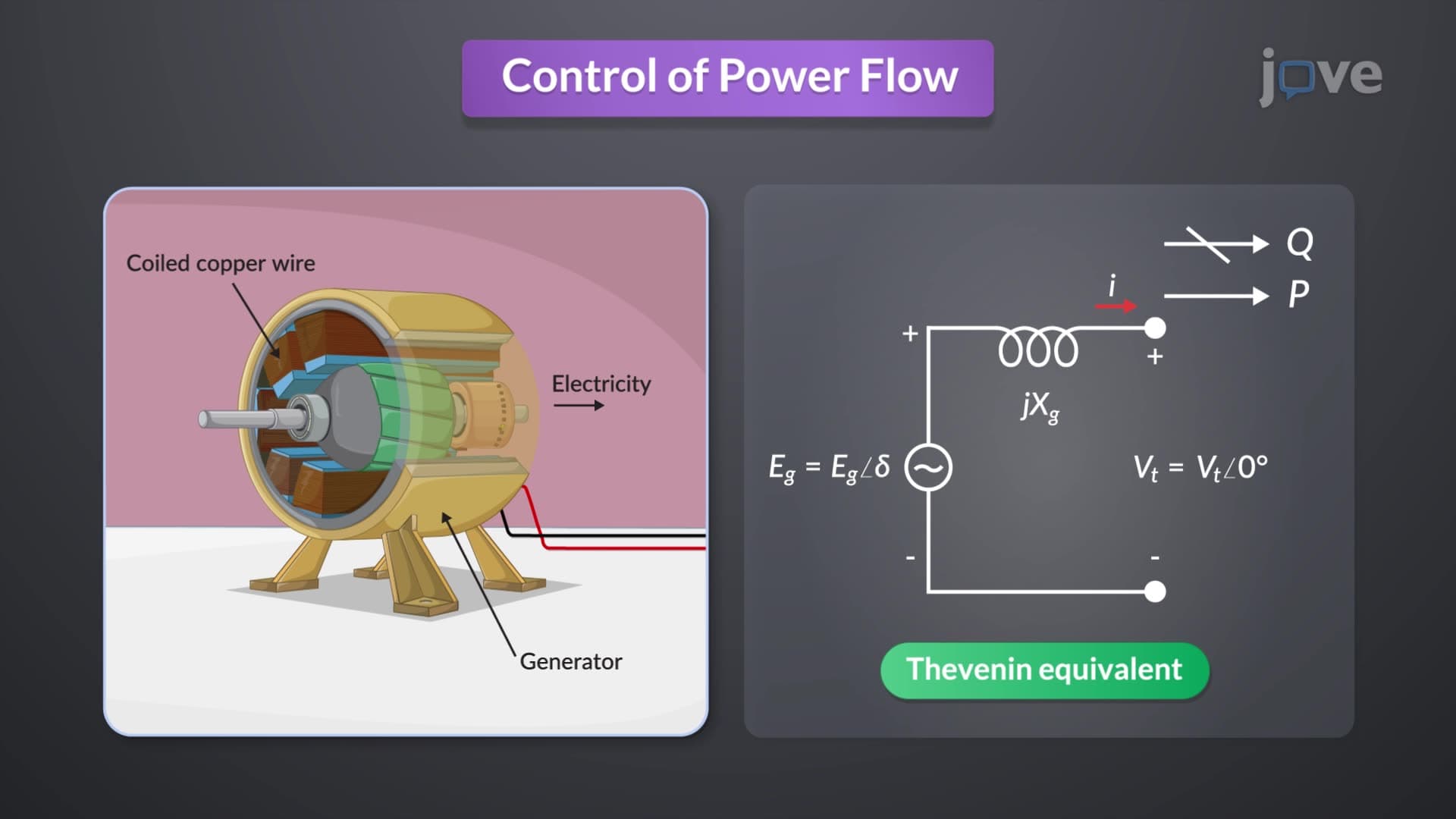
How the power flow problem and solution works in theory differs significantly from real-world applications. Theoretically, maximum power transfer occurs when the phase angle equals the total series impedance angle. However, practical constraints limit actual power delivery well below theoretical maximums.
The practical line loadability curve sits below the theoretical steady-state stability limit due to operational safety margins. Utilities maintain voltage drop limits at 0.95 per unit or higher and restrict angular displacement to 30-35 degrees maximum. These constraints prevent voltage collapse and maintain grid stability during normal operations.
Short Line Considerations and Thermal Limits
For transmission lines under 25 kilometers (typical in urban distribution networks), the power flow problem and solution concept shifts focus. These short lines face thermal limitations rather than voltage or stability constraints. The conductor's current-carrying capacity and terminal equipment ratings become the limiting factors, similar to household electrical circuits where wire gauge determines safe current levels.
Understanding the power flow problem and solution proves essential for AP Physics students tackling electrical circuits and college engineering majors studying power systems. This knowledge directly applies to electrical engineering licensing exams and graduate coursework in power system analysis.
Frequently Asked Questions
Maximum Power Flow And Line Loadability Explained describes how electrical engineers calculate the maximum amount of power that can safely flow through transmission lines. It involves mathematical analysis using voltage, current, and impedance relationships. This concept ensures power grids operate reliably without overloading equipment or causing voltage instability.
AP Physics C exams often include power flow calculations involving AC circuits and impedance analysis. Students typically solve problems calculating power delivered to loads through transmission lines. These questions test understanding of complex impedance, power factor, and voltage relationships in electrical systems.
Electrical Engineering programs teach power flow analysis in courses like "Power Systems Analysis" and "Electric Power Engineering." Mechanical Engineering students encounter similar concepts in "Electrical Systems for Engineers." These courses typically appear in junior or senior year curricula at universities like MIT, Stanford, and UC Berkeley.
Con Edison uses power flow analysis to manage New York City's electrical grid, determining optimal power routing during peak demand periods. Engineers calculate line loadability to prevent overloads during summer air conditioning peaks. This analysis helps predict where grid reinforcement is needed and guides maintenance scheduling decisions.
The basic concepts are accessible to students with solid algebra and trigonometry skills, typically covered in AP Physics or advanced high school chemistry classes. The mathematical complexity increases with detailed calculations, but fundamental principles can be understood through practical examples. Visual diagrams and real-world applications make the concept more approachable.
Focus on understanding the physical meaning behind mathematical equations rather than memorizing formulas. Practice solving numerical problems with different line parameters and loading conditions. Create visual diagrams showing power flow directions and use real utility examples to connect theory with practice.
Students should investigate load flow studies, fault analysis, and power system stability concepts. Advanced topics include economic dispatch, optimal power flow, and renewable energy integration challenges. These subjects form the foundation for smart grid technology and modern power system operation careers.
Related Micro-courses
8 Concepts
9 Concepts

7 Concepts