Loading subject page…


1,868 views


Video Summary: What Is Insulation Coordination
Power system distribution networks across the United States rely on a critical safety concept called insulation coordination to prevent catastrophic equipment failures and power outages. From the high-voltage transmission lines carrying electricity from power plants to the transformers serving your neighborhood, every component requires precise coordination between insulation strength and protective devices. For example, when lightning strikes a transmission line in Texas, insulation coordination ensures the surge protector activates before the transformer's insulation fails, keeping the lights on in Houston. Understanding what is insulation coordination involves mastering how engineers balance protection levels with equipment capabilities throughout the entire power system distribution infrastructure. Watch the full video on JoVE Coach to master this concept with expert-led visuals and step-by-step explanations.
What is insulation coordination represents one of the most critical aspects of power system distribution design and operation. This engineering discipline ensures that electrical equipment operates safely and reliably by carefully matching insulation strength with protective device characteristics. In the United States, utilities like Pacific Gas & Electric and Duke Energy rely on insulation coordination standards developed by the Institute of Electrical and Electronics Engineers (IEEE) and the International Electrotechnical Commission (IEC) to maintain grid stability and prevent equipment damage.
The power system distribution concept centers on creating a hierarchical protection scheme where each component's insulation can withstand expected overvoltages, while protective devices operate before insulation failure occurs. This coordination prevents cascading failures that could result in widespread blackouts, such as the Northeast blackout of 2003, which affected over 50 million people across the United States and Canada.
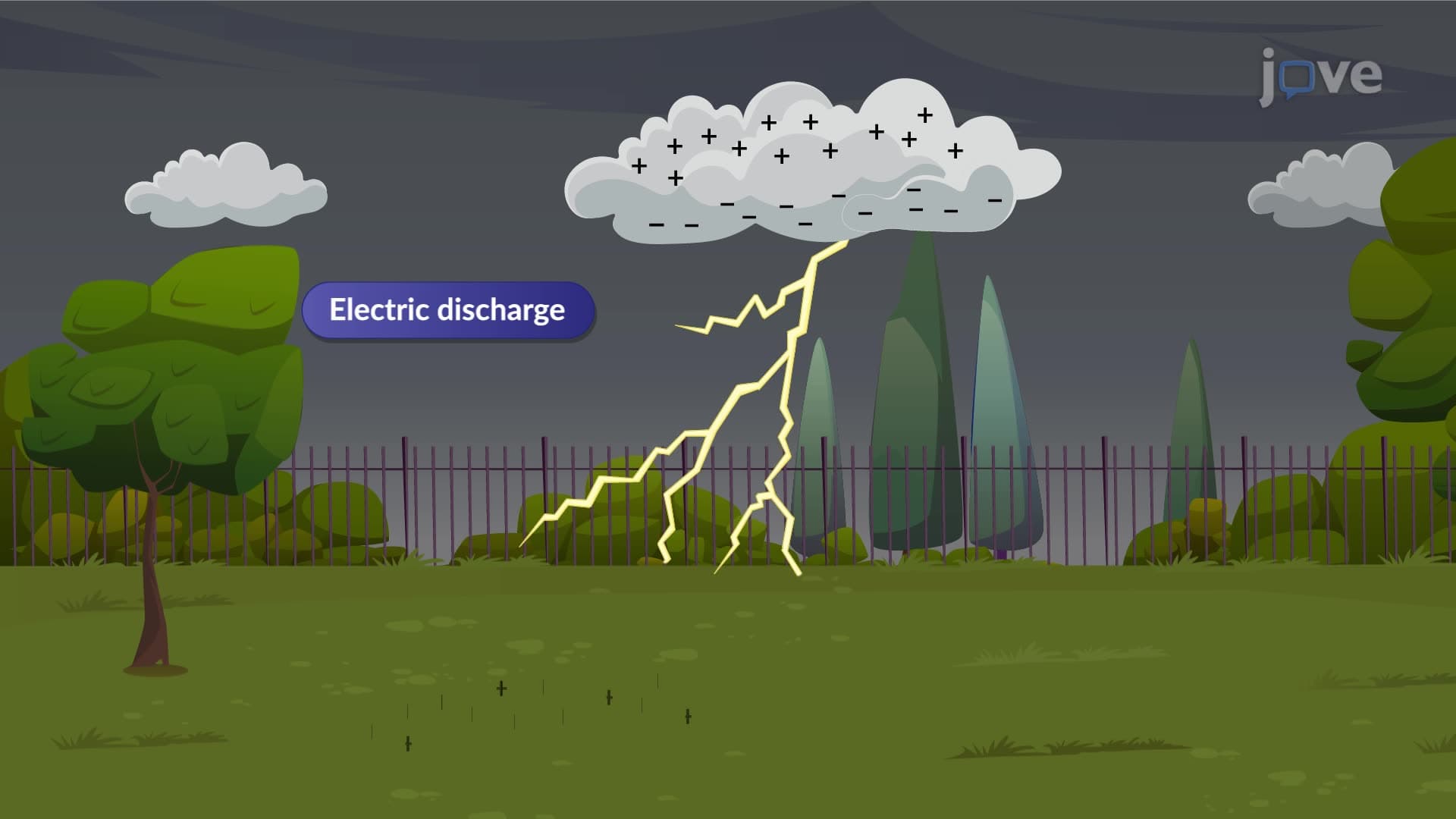
The Basic Insulation Level (BIL) serves as the cornerstone of insulation coordination in power system distribution networks. This standardized rating system uses a specific impulse voltage waveform that simulates lightning strikes, the most common source of dangerous overvoltages in electrical systems. The standard lightning impulse has a 1.2-microsecond rise time to peak voltage and a 50-microsecond decay to half-peak value, representing typical lightning surge characteristics.
For example, a 138-kilovolt transmission line typically has a BIL rating of 650 kilovolts, meaning its insulation can withstand repeated applications of 650-kV impulses without failure. This power system distribution overview demonstrates how engineers use standardized testing to ensure equipment reliability across diverse operating conditions, from the humid climate of Florida to the dry conditions of Arizona.
Effective insulation coordination requires establishing appropriate protection margins between protective device operation levels and equipment BIL ratings. Power system distribution basics dictate that surge arresters or other protective devices must operate at voltage levels significantly below the equipment's insulation strength. Typically, protection margins range from 15% to 25%, ensuring reliable operation even considering manufacturing tolerances and aging effects.
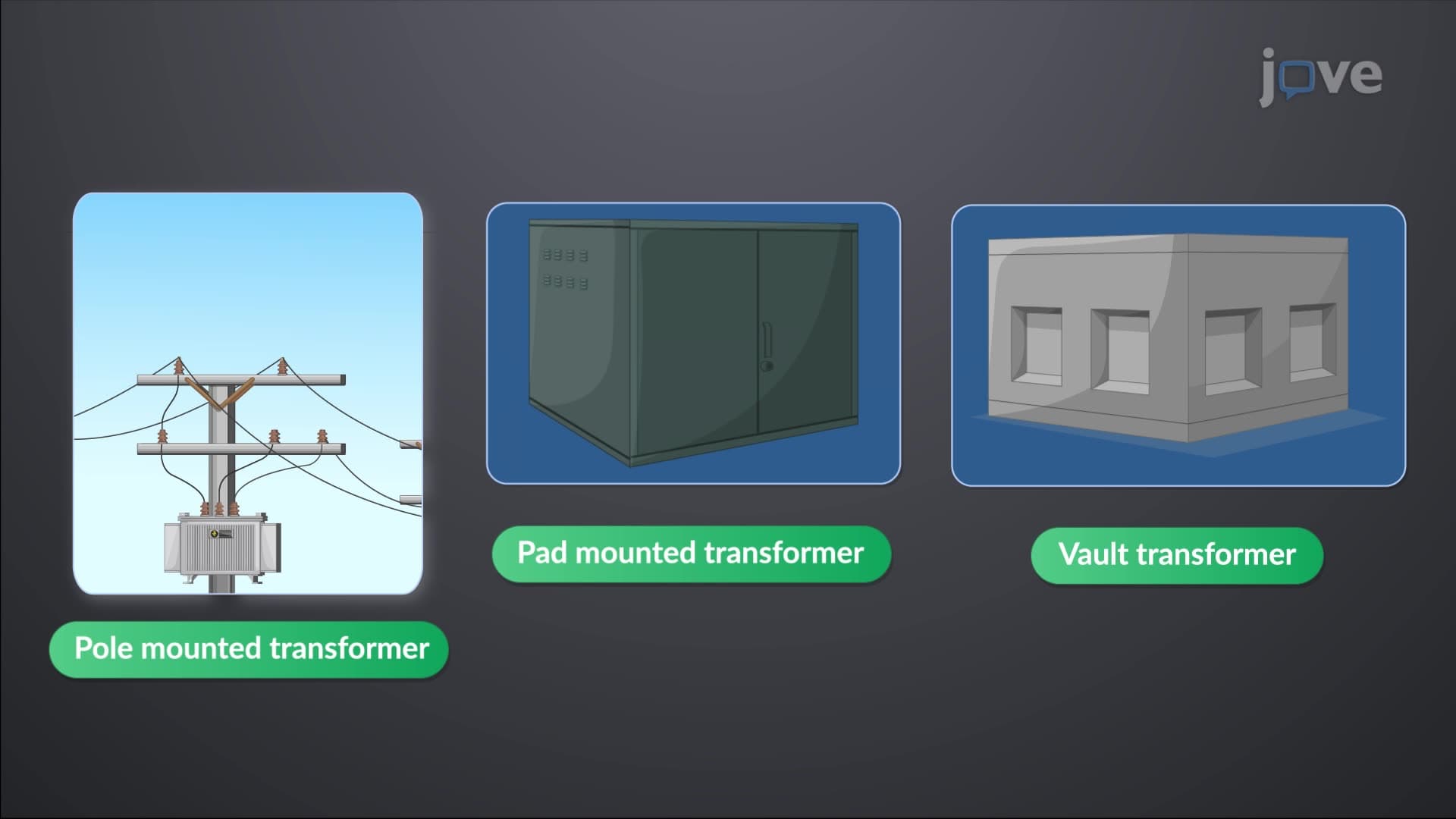
Consider a distribution transformer with a 95-kV BIL rating serving a residential neighborhood in suburban Chicago. The associated surge arrester would be designed to operate at approximately 75-80 kV, providing adequate protection margin. This power system distribution study guide principle ensures that during lightning storms or switching operations, the protective device diverts dangerous currents to ground before the transformer's insulation experiences damaging stress levels, preventing costly equipment replacement and service interruptions.
Understanding power system distribution in detail becomes essential for students pursuing electrical engineering degrees and professionals working in the utility industry. The concept frequently appears in AP Physics examinations, college-level electrical engineering courses at institutions like MIT and Stanford, and professional engineer licensing examinations. Students studying this topic should focus on the relationship between time-dependent insulation strength, standardized testing procedures, and protection coordination philosophy.
Related Micro-courses