Loading subject page…

- Electrical Engineering
- Transmission Line Parameters
- Resistance and Conductance
Micro-course: Transmission Line Parameters
1,944 views
Learn key concepts and earn your certificate.

Resistance and Conductance

00:00
01:25
Video Summary: What Is Resistance and Conductance
Ever wonder why your phone charger gets warm during use? This heat results from electrical resistance, a fundamental property that affects everything from power transmission lines to circuit boards. Understanding inductance solid cylindrical conductor properties is crucial for electrical engineering applications, as seen in high-voltage transmission cables used by utilities like Con Edison in New York. What is resistance and conductance explores how materials oppose or allow electrical current flow, influenced by factors like temperature, geometry, and material properties. Watch the full video on JoVE Coach to master this concept with expert-led visuals and step-by-step explanations.
- Understand what is resistance and conductance and how these fundamental electrical properties govern current flow in circuits
- Identify the key factors affecting DC resistance: resistivity, conductor length, cross-sectional area, and temperature
- Analyze how material properties like copper versus aluminum resistivity impact electrical system design
- Compare DC resistance with AC resistance, including frequency-dependent effects like skin effect
- Evaluate the role of conductor geometry, including how spiraling in stranded wires affects overall resistance
- Apply temperature coefficients to calculate resistance changes in real-world conditions
- Recognize conductance mechanisms including insulator leakage and corona discharge effects
- Explore practical implications for power transmission systems and electrical safety considerations
Understanding What is Resistance and Conductance in Electrical Systems
Electrical resistance and conductance represent two sides of the same fundamental concept governing how materials interact with electric current. Resistance measures a material's opposition to current flow, while conductance quantifies how easily current passes through. These properties determine everything from the efficiency of power grids to the performance of electronic devices in smartphones and computers.
Fundamental Factors Affecting Inductance Solid Cylindrical Conductor Resistance
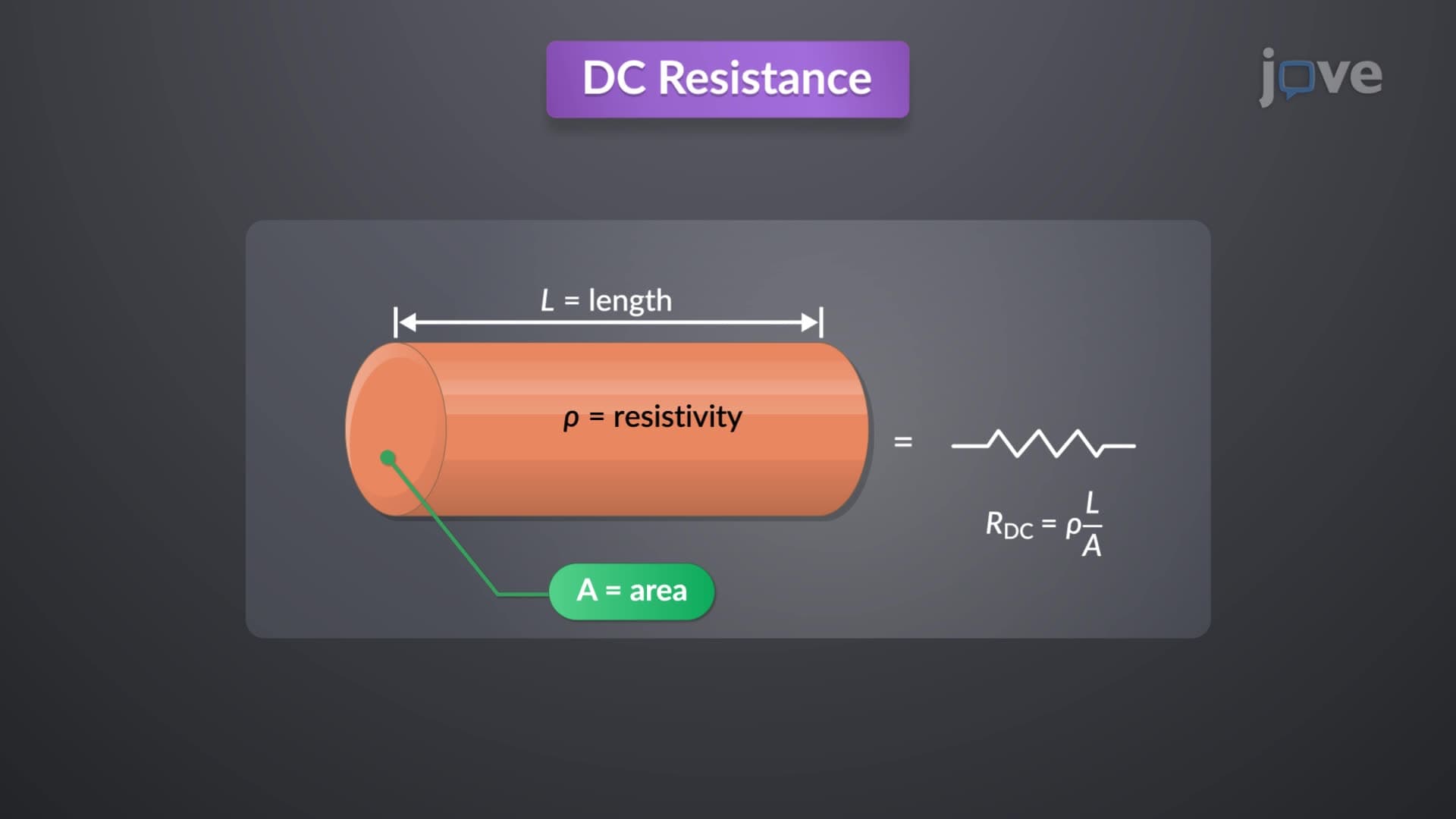
The DC resistance of any conductor depends on three primary geometric and material factors. First, resistivity (ρ) varies by material composition-annealed copper serves as the industry standard, while hard-drawn aluminum exhibits 61% of copper's conductivity at 20°C. This difference explains why aluminum requires larger cross-sections in power transmission despite its weight advantages. Second, conductor length directly increases resistance, which is why long-distance power lines experience significant voltage drops. Third, cross-sectional area inversely affects resistance-doubling the area halves the resistance, a principle utilized in high-current applications like electric vehicle charging cables.
Temperature significantly impacts resistivity through linear relationships. For copper conductors, resistance increases approximately 0.39% per degree Celsius rise, a factor critical for electrical engineers designing systems operating across temperature ranges. This thermal coefficient affects everything from household wiring (which must function from -20°F to 140°F) to spacecraft electronics experiencing extreme temperature swings.
AC Resistance and Frequency Effects in Inductance Solid Cylindrical Conductor Applications
AC resistance differs substantially from DC resistance due to frequency-dependent phenomena. The skin effect concentrates current near the conductor surface at higher frequencies, effectively reducing the usable cross-sectional area. This effect becomes significant above 1 kHz and dramatically impacts high-frequency applications like radio transmission lines and power electronics switching circuits.
Students preparing for AP Physics or college-level electrical engineering courses should understand that skin depth decreases with the square root of frequency. At 60 Hz (US power grid frequency), skin depth in copper measures approximately 8.5 mm, while at 1 MHz it shrinks to just 66 micrometers. This principle drives the design of specialized conductors like Litz wire for high-frequency transformers.
Conductance Mechanisms and Practical Considerations
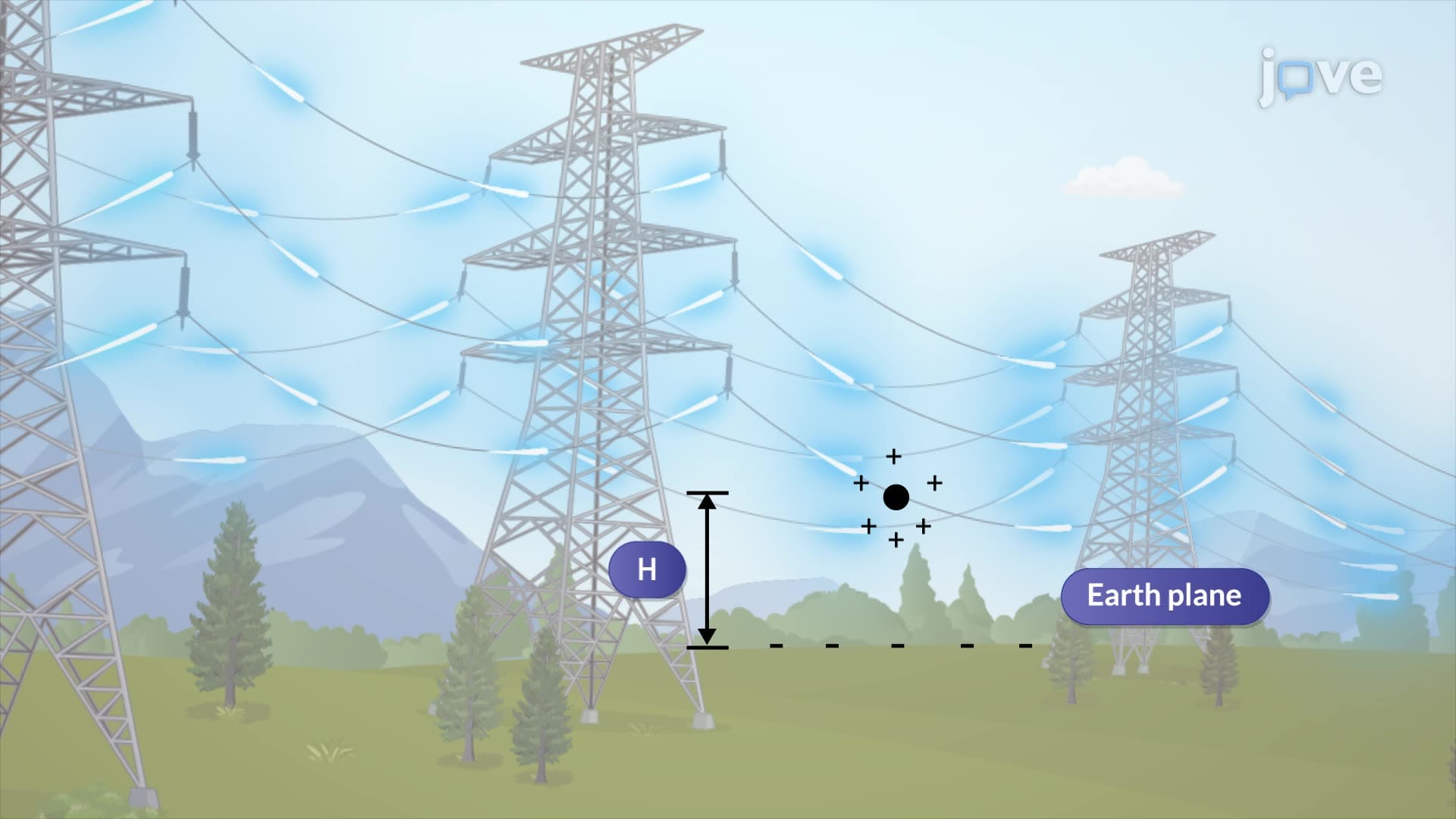
Conductance encompasses not just the reciprocal of resistance but also unwanted current paths through insulators and air. Leakage currents through contaminated insulators can create safety hazards and efficiency losses in power systems. Corona discharge occurs when electric field strength exceeds air's breakdown threshold, typically around 3 MV/m for smooth conductors. This phenomenon appears as a blue glow around high-voltage lines during humid conditions and represents both energy loss and potential equipment degradation.
Understanding these concepts proves essential for MCAT physics sections, electrical engineering coursework, and professional licensing exams like the FE exam, where students must analyze circuit behavior under various operating conditions.
Frequently Asked Questions
Resistance measures how much a material opposes electrical current flow, like friction for electricity. Conductance is the opposite-it measures how easily current flows through a material. Think of resistance like a narrow pipe restricting water flow, while conductance represents a wide pipe allowing easy flow.
AP Physics frequently tests resistance calculations using R = ρL/A, temperature effects, and series/parallel circuit analysis. Students must apply these concepts to solve complex circuit problems involving multiple materials and varying conditions. Practice with real scenarios like household wiring calculations strengthens problem-solving skills.
The MCAT tests resistance concepts in biological contexts, such as nerve conduction, bioelectricity, and medical device function. Understanding how tissue resistance affects defibrillator effectiveness or how ionic conductance enables nerve signal transmission connects physics principles to medical applications.
While aluminum has 61% of copper's conductivity, it weighs only 30% as much. For long-distance transmission lines spanning hundreds of miles, weight reduction significantly decreases structural support costs and installation complexity. Engineers compensate for higher resistance by using larger cross-sectional areas.
Not at all! These concepts build naturally from basic algebra and physics principles you already know. Start with Ohm's law (V = IR), then gradually explore how material properties and geometry affect resistance. Visual aids and hands-on experiments make abstract concepts tangible and memorable.
Focus on unit analysis, memorize key formulas like R = ρL/A, and practice temperature coefficient calculations. Create formula sheets connecting resistance to power dissipation (P = I²R) and voltage relationships. Work through problems involving different materials and geometric configurations systematically.
Your smartphone charger warming during use demonstrates I²R heating. LED dimmer switches utilize variable resistance. Electric vehicle charging cables use thick conductors to minimize resistance losses during high-current charging. Even your hair dryer's heating element relies on controlled resistance for temperature regulation.
Explore impedance in AC circuits, transmission line theory for high-frequency applications, and superconductivity phenomena. Advanced electromagnetic field theory and material science courses build upon these foundational resistance and conductance principles for engineering applications.
Biomedical devices like pacemakers, defibrillators, and neural stimulators require precise resistance calculations for safe, effective operation. Tissue impedance measurements help diagnose conditions, while understanding current paths through biological systems ensures patient safety during electrical medical procedures.
Related Micro-courses

8 Concepts
9 Concepts