Loading video…


 7 Concepts
 1.9K views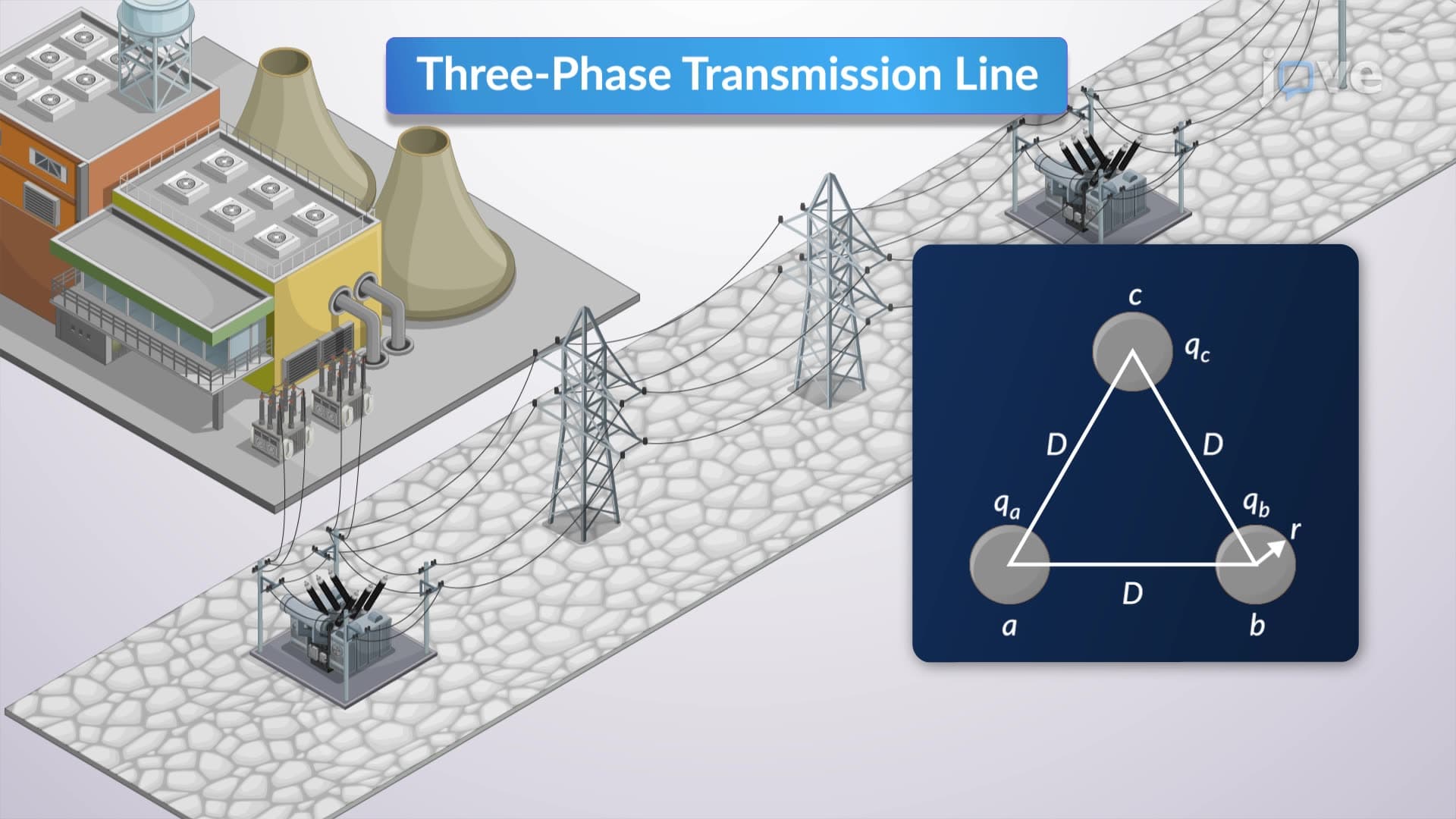

Video Summary: Capacitance Single Phase and Three Explained
Ever wonder why power lines don't short-circuit despite carrying thousands of volts? Shunt admittances determine how electrical energy flows between conductors and ground in transmission systems. When Pacific Gas & Electric transmits power across California, engineers calculate capacitance for both single-phase residential lines and three-phase industrial systems. Understanding Capacitance Single Phase And Three Explained reveals how conductors store electrical charge and maintain system stability through precise voltage relationships and geometric spacing calculations. Watch the full video on JoVE Coach to master this concept with expert-led visuals and step-by-step explanations.
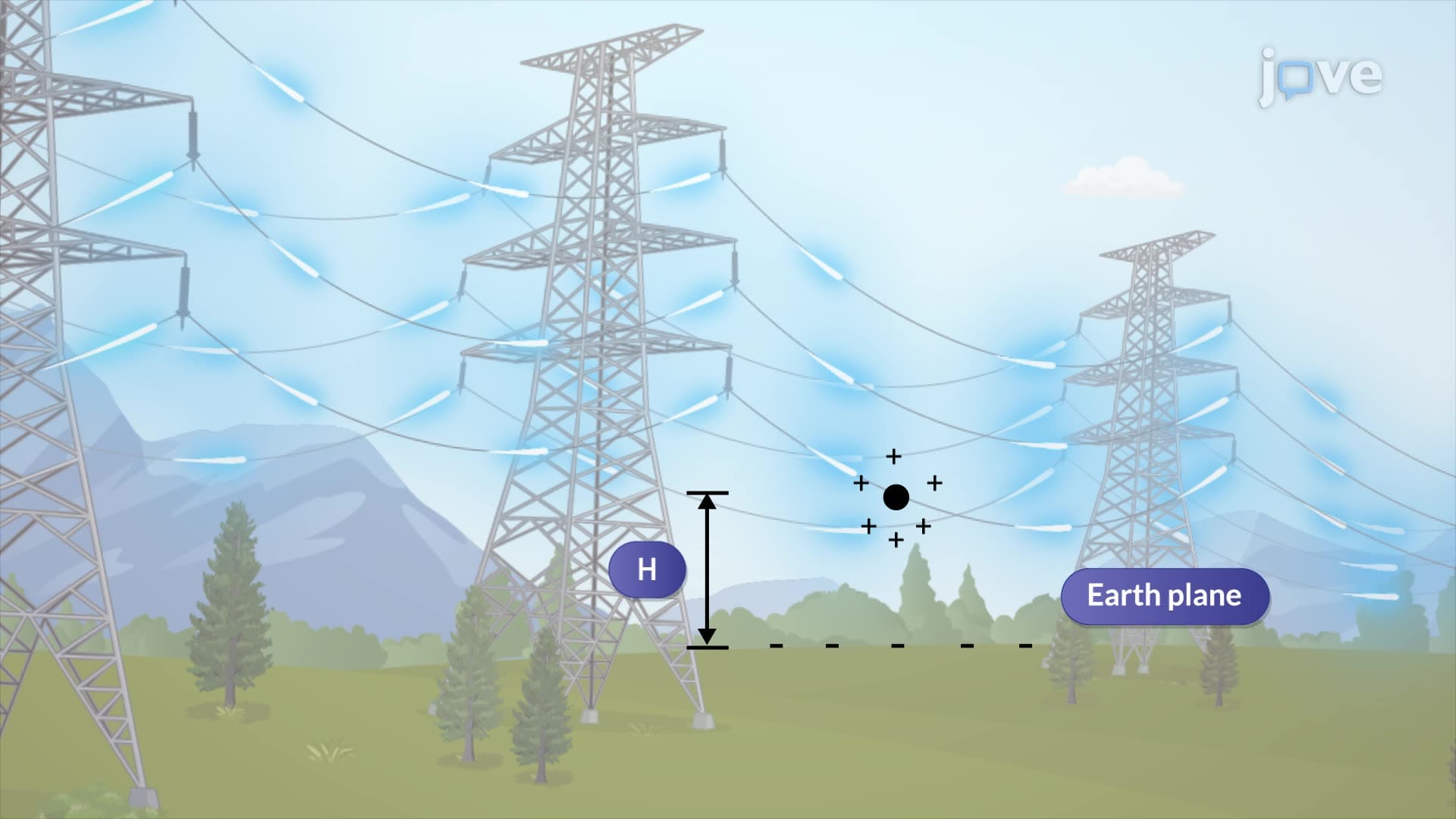
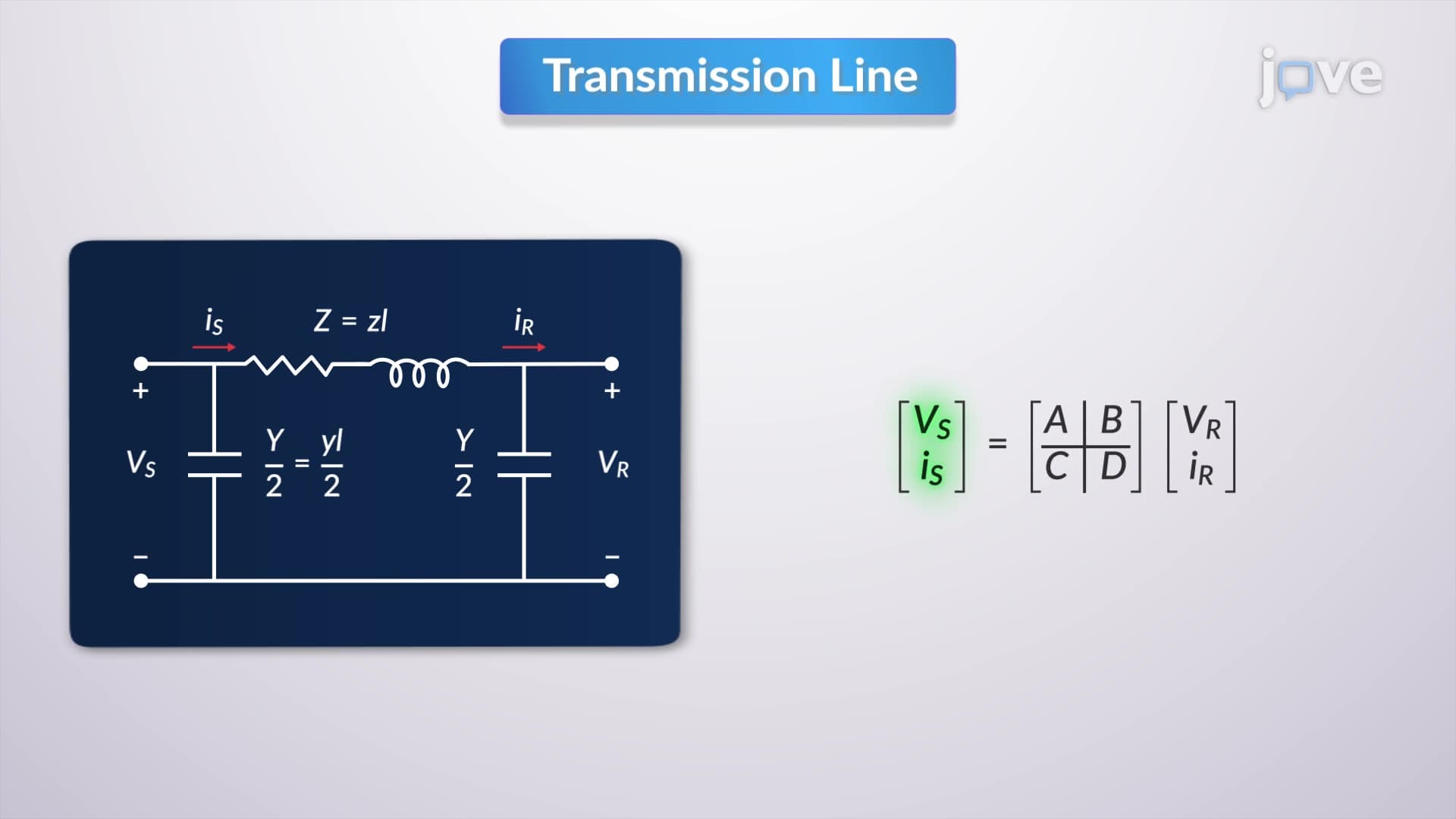
Shunt admittances represent the electrical pathway between conductors and ground in power transmission systems. These admittances primarily consist of capacitive components that store electrical energy in the electric field between conductors. Unlike series impedances that oppose current flow along the line, shunt admittances provide parallel paths for current between phases and ground.
Single-phase systems form the foundation for understanding more complex configurations. Consider a typical residential distribution line serving American homes-two parallel conductors separated by a fixed distance carry equal but opposite charges. The capacitance calculation depends on conductor radius and spacing geometry.
For a grounded center-tap transformer configuration common in US residential systems, each conductor develops a specific voltage relationship to ground. This arrangement appears in split-phase 240V/120V services where the neutral provides a reference point. The shunt admittances definition becomes clearer when examining how current flows between the hot conductors and the grounded neutral wire.
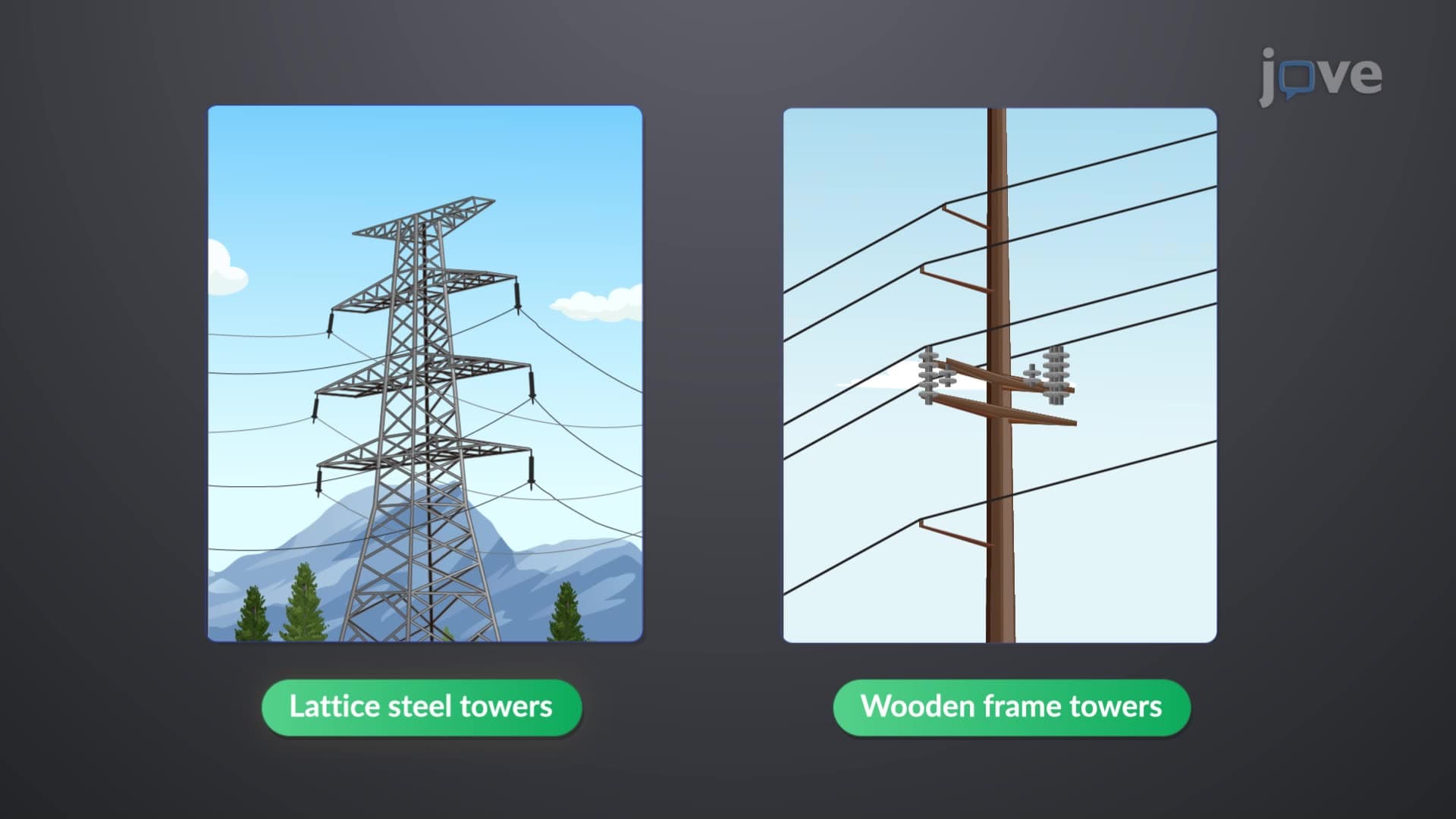
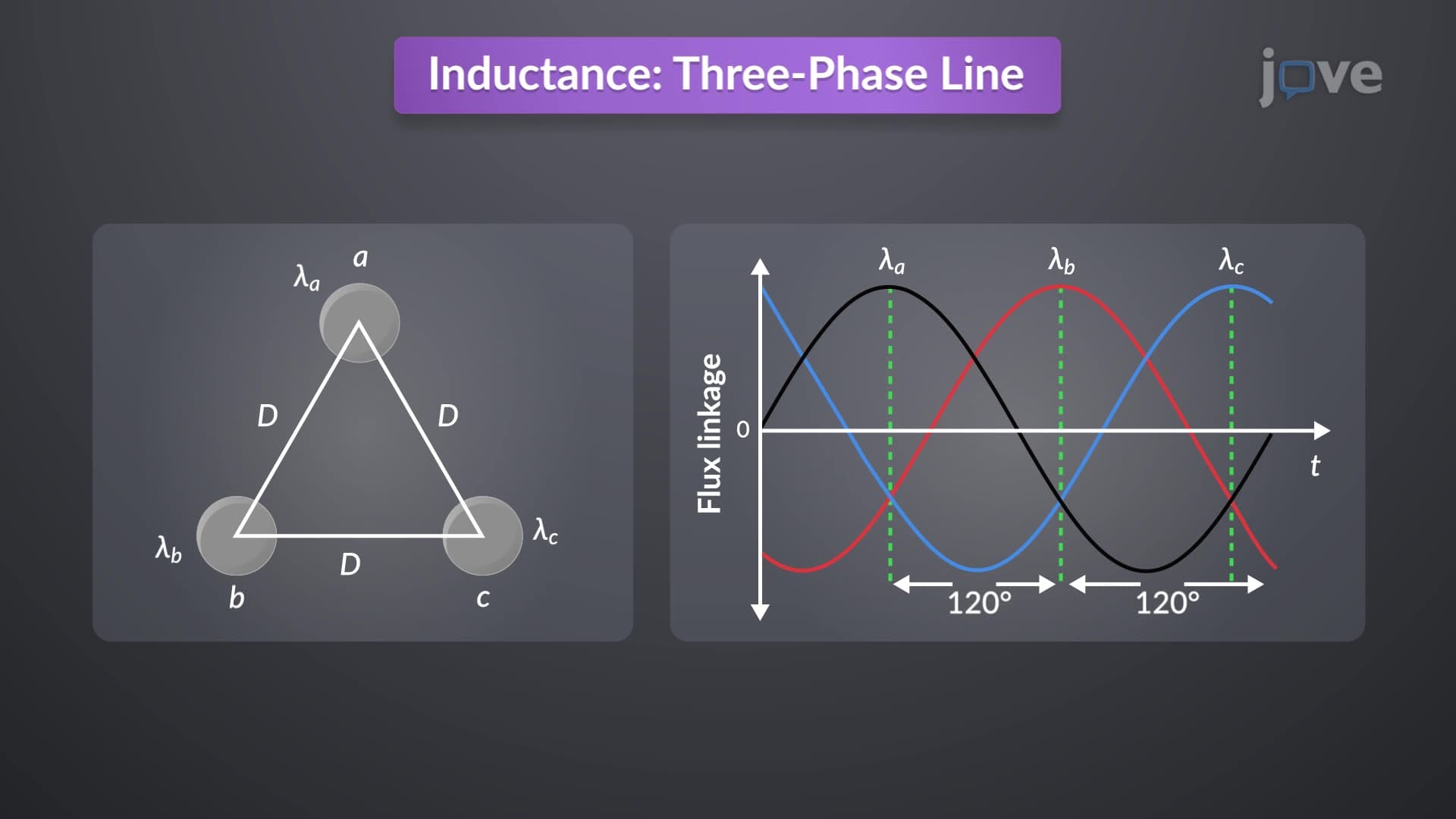
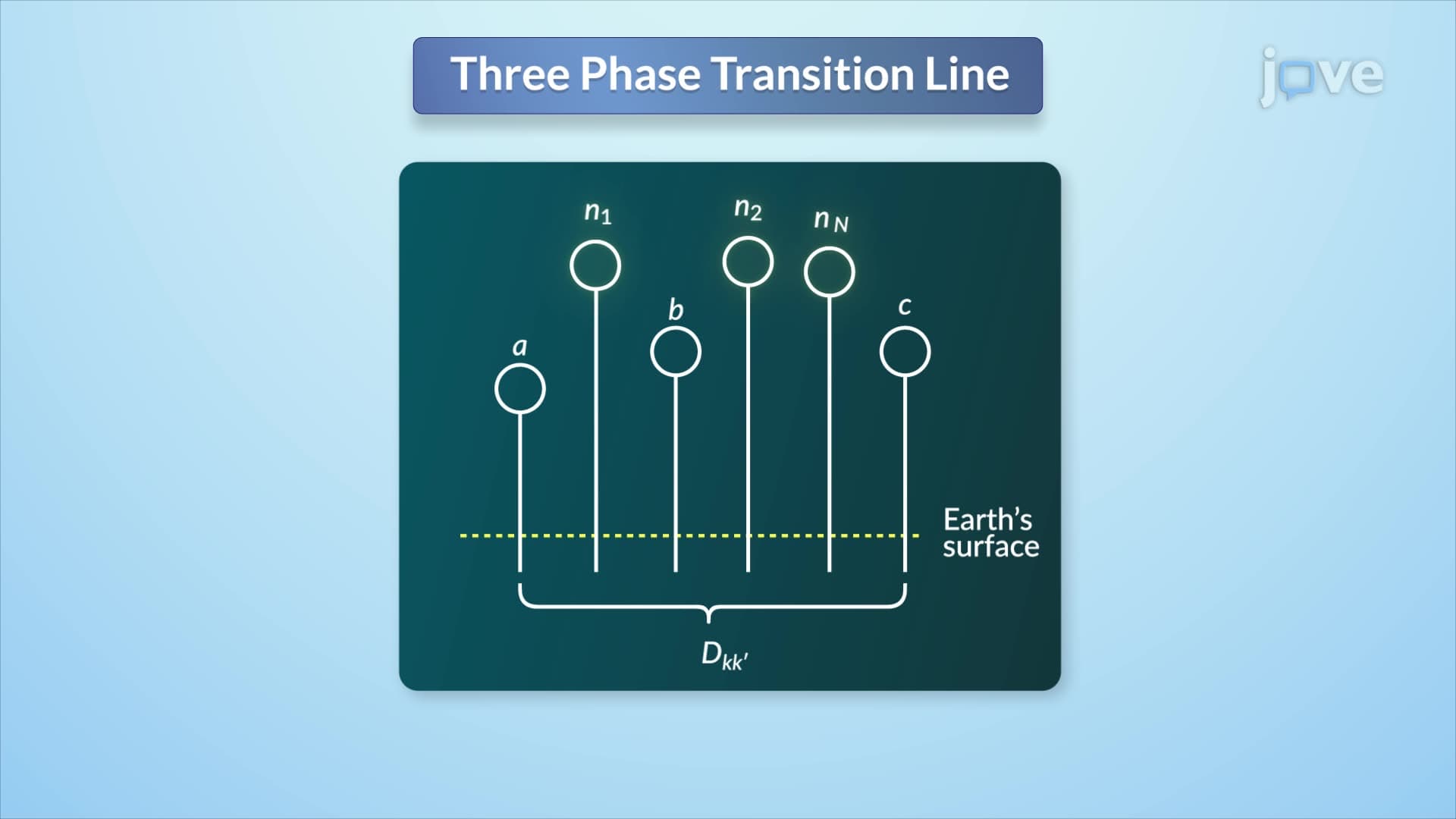
Three-phase transmission lines dominate industrial and utility applications across the United States. Major utilities like Con Edison in New York or Southern California Edison rely on balanced three-phase systems for efficient power delivery. The shunt admittances concept extends to three conductors arranged with equal spacing, creating symmetrical electric field patterns.
Positive-sequence analysis simplifies three-phase calculations by exploiting system symmetry. When engineers assume balanced conditions-where the sum of positive-sequence charges equals zero-they can analyze just one phase and apply results to all three. This mathematical approach proves essential for power system studies and fault analysis calculations.
Understanding what is shunt admittances in detail becomes crucial for electrical engineering students preparing for professional licensing exams. The PE exam frequently tests capacitance calculations, while college courses in power systems emphasize these concepts for grid stability analysis.
Real-world applications include corona discharge calculations on high-voltage lines, power factor correction in industrial facilities, and protection system coordination. When transmission lines operate above their surge impedance loading, shunt capacitance effects become dominant, affecting voltage regulation and system stability across the entire electrical grid.
Related Micro-courses