Loading subject page…

- Electrical Engineering
- Transmission Line Parameters
- Transmission Line Design Considerations
Micro-course: Transmission Line Parameters
1,944 views
Learn key concepts and earn your certificate.

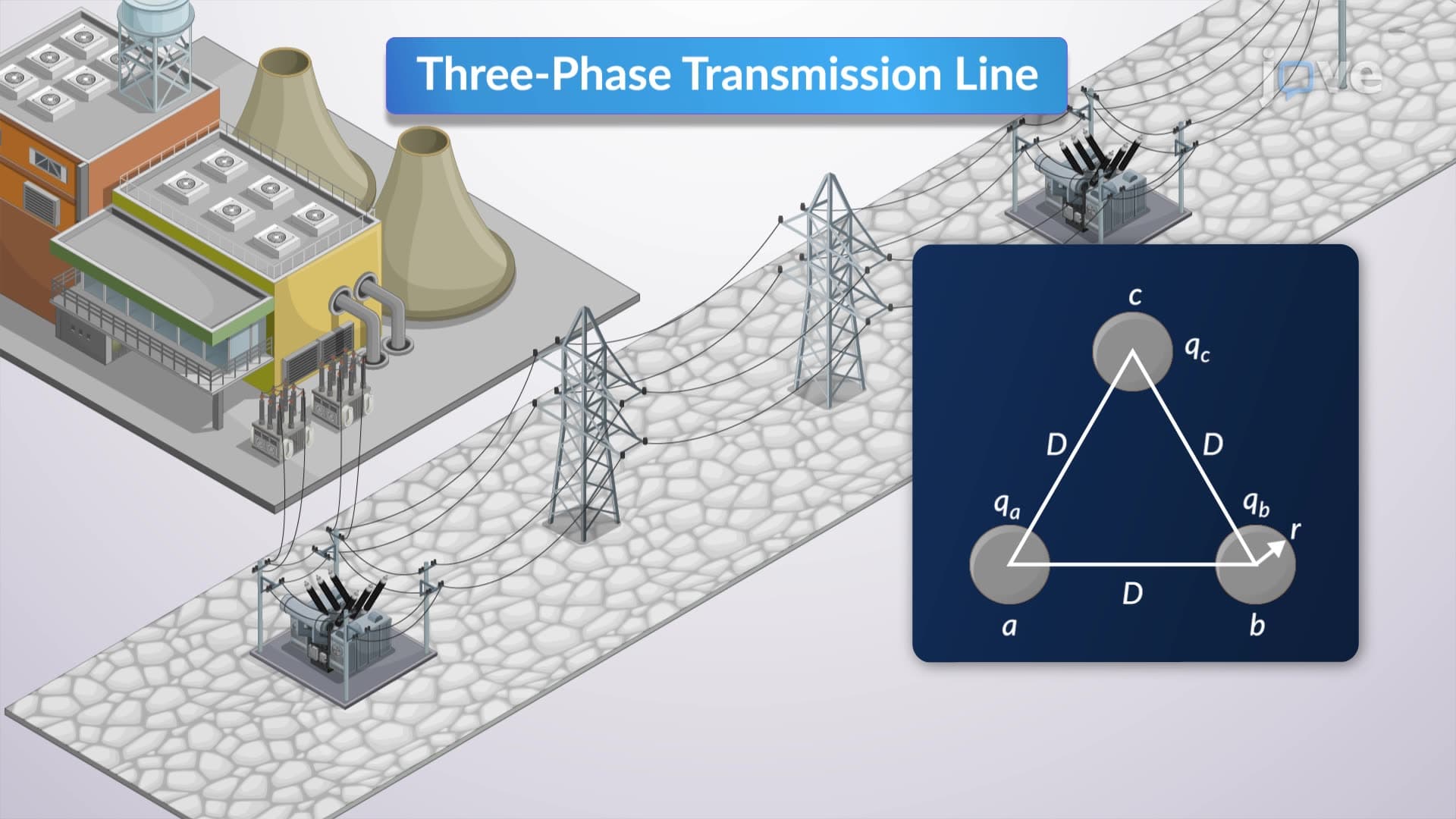
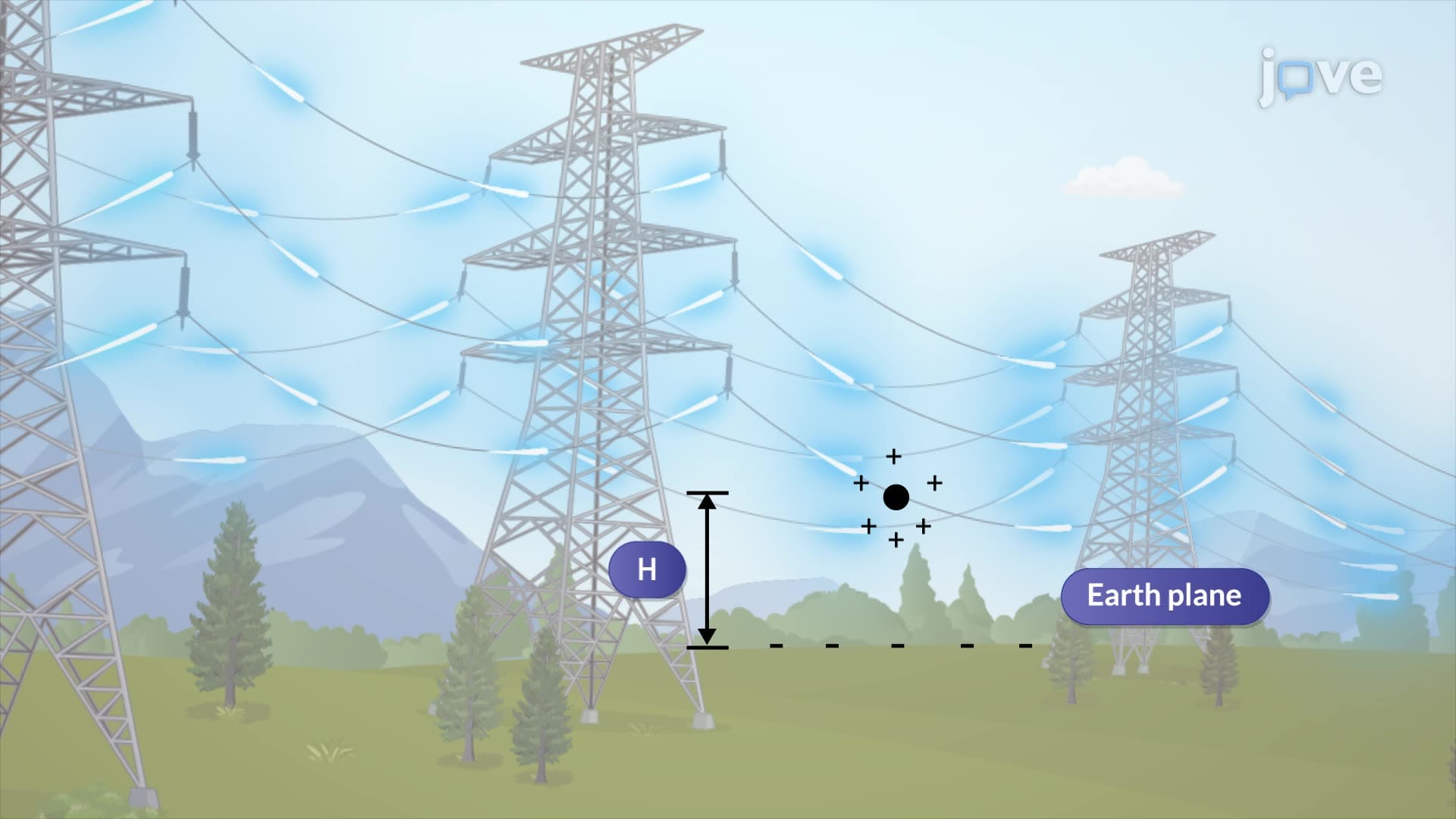
Transmission Line Design Considerations

00:00
01:23
Video Summary: What Is Transmission Line Design Considerations
Ever wonder how electricity travels hundreds of miles from power plants to your home without significant loss? The secret lies in resistance and conductance principles that guide transmission line design considerations. Modern power grids, like those managed by the Tennessee Valley Authority, rely on carefully engineered aluminum conductors and steel-reinforced systems that optimize electrical flow while minimizing energy waste. These transmission line design considerations involve complex calculations of conductor materials, insulation systems, and structural supports that ensure reliable power delivery across vast distances. Watch the full video on JoVE Coach to master this concept with expert-led visuals and step-by-step explanations.
- Understand transmission line design considerations including conductor selection, thermal capacity, and insulation requirements for efficient power transmission
- Identify the relationship between resistance and conductance in different conductor materials like aluminum, steel-reinforced aluminum, and aluminum alloys
- Analyze how conductor bundling and sizing affect electrical performance and thermal limits in high-voltage transmission systems
- Compare various insulator types (porcelain, glass, polymer) and their applications in different voltage ranges above 69 kV
- Evaluate the role of shield wires in lightning protection and tower footing resistance reduction
- Apply mechanical design principles to ensure transmission line stability under environmental loads
- Recognize environmental considerations including land use impact and visual aesthetics in transmission corridor planning
- Explore the engineering trade-offs between cost-effectiveness and performance in modern power grid infrastructure
Understanding Transmission Line Design Considerations
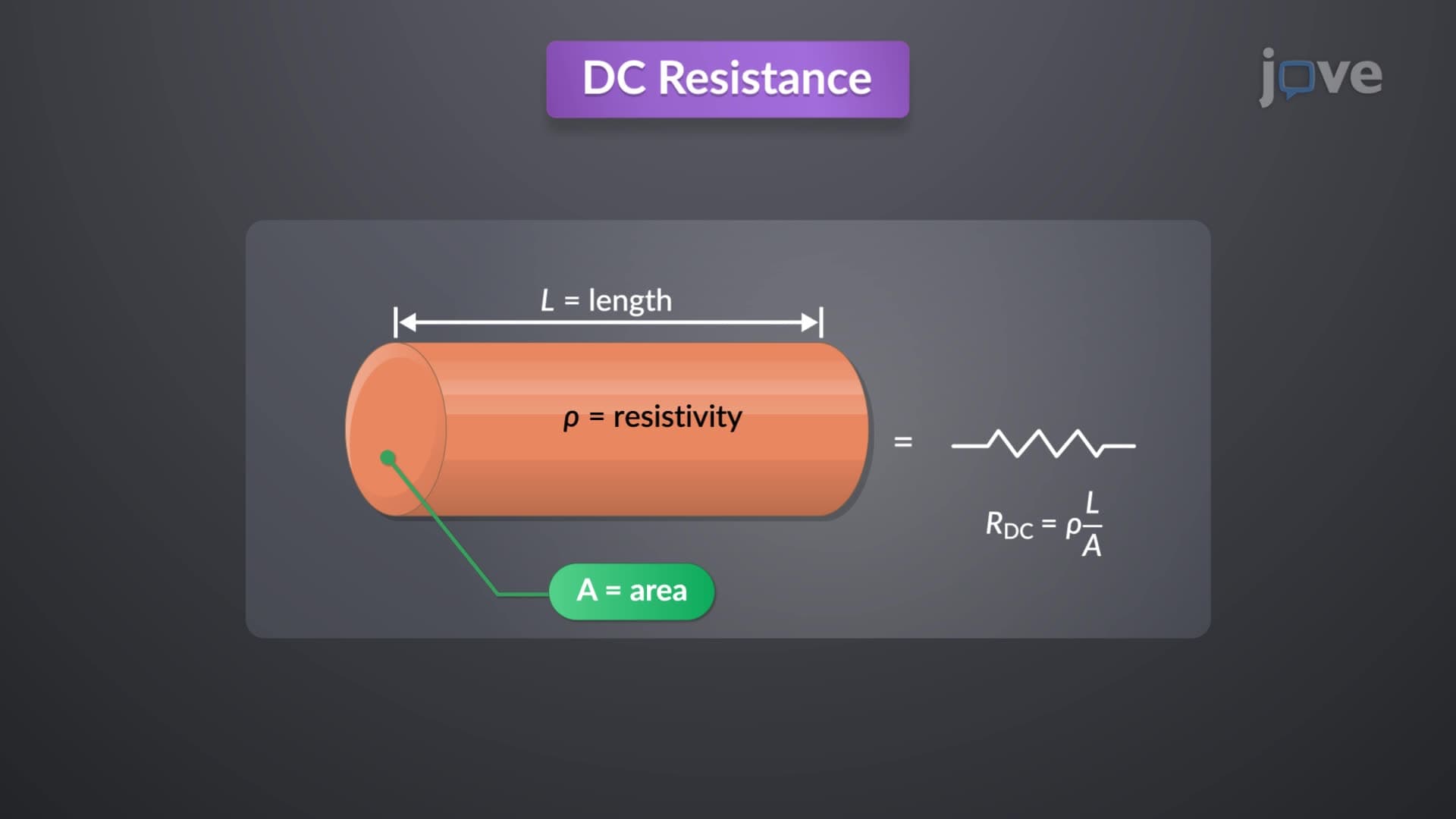
Transmission line design considerations encompass a comprehensive approach to electrical power delivery that balances efficiency, safety, and economic factors. At the heart of these considerations lies the fundamental relationship between resistance and conductance in electrical materials. While resistance opposes current flow and causes energy loss as heat, conductance represents a material's ability to facilitate electrical flow - making it a critical factor in conductor selection and sizing.
Conductor Materials and Resistance Properties
The evolution from copper to aluminum conductors represents a practical application of resistance and conductance definition in engineering economics. Although copper offers superior conductance (lower resistance), aluminum's abundance and cost-effectiveness make it the preferred choice for modern transmission lines. Steel-reinforced aluminum conductors (ACSR) combine aluminum's excellent conductance with steel's mechanical strength, creating a composite material that addresses both electrical and structural requirements.
Advanced conductor designs like gap-type ZT-aluminum can operate above 150°C, demonstrating how material science advances impact resistance and conductance in detail. At elevated temperatures, conductor resistance increases, reducing efficiency - a principle that appears frequently in AP Physics C and college-level electrical engineering courses. Students preparing for the Fundamentals of Engineering (FE) exam should understand that conductor sizing calculations must account for both normal and emergency thermal ratings.
Electrical Design Parameters and Performance Optimization
Resistance and conductance overview principles guide critical design decisions including conductor bundling, where multiple conductors per phase reduce overall resistance and improve power transfer capacity. This concept directly applies to power systems analysis problems common in college electrical engineering curricula and professional engineering licensing exams.
Voltage gradient control becomes essential at transmission voltages above 345 kV, where corona discharge can occur if electric field strength exceeds air's breakdown threshold. Insulator selection - whether porcelain, toughened glass, or polymer - must provide adequate electrical isolation while withstanding mechanical and environmental stresses. The resistance and conductance basics underlying insulator performance include both bulk resistance (preventing current flow through the material) and surface conductance under contaminated conditions.
Structural and Environmental Integration
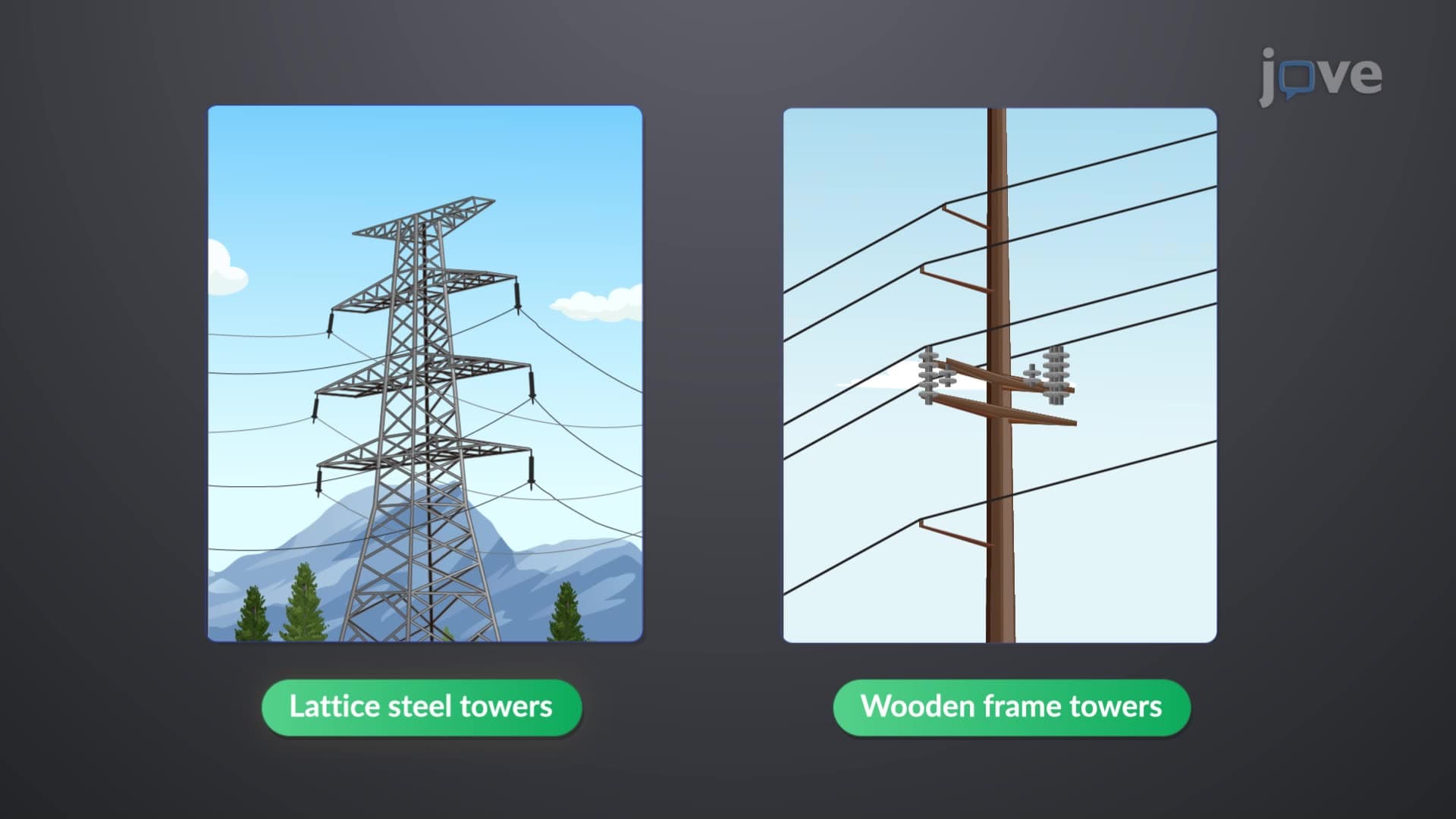
Modern transmission line design extends beyond electrical considerations to encompass mechanical stability and environmental impact. Lattice steel towers for high-voltage lines and wooden H-frames for distribution systems represent engineering solutions that balance structural requirements with visual impact concerns. This interdisciplinary approach reflects the resistance and conductance concept applied to broader engineering systems, where electrical, mechanical, and environmental factors must be simultaneously optimized - a complexity often explored in college capstone design projects and professional engineering practice.
Frequently Asked Questions
Transmission line design considerations encompass all engineering factors needed to safely and efficiently transport electrical power over long distances. These include conductor selection based on resistance and conductance properties, insulation systems, structural supports, and environmental impact mitigation. Proper design ensures reliable electricity delivery while minimizing energy losses and maintenance costs.
AP Physics problems often test understanding that resistance causes power loss (P = I²R) while conductance enables current flow. Higher conductor conductance reduces transmission losses, making aluminum and copper preferred materials. Expect calculations involving Ohm's law and power dissipation in transmission line contexts.
College coursework emphasizes that conductance equals 1/resistance, temperature effects on conductor resistance, skin effect at high frequencies, and how conductor bundling reduces effective resistance. Power systems courses cover economic optimization balancing conductor cost against efficiency gains from lower resistance materials.
The Eastern Interconnection uses high-voltage aluminum conductors to minimize resistance losses over distances exceeding 1000 miles. Pacific Gas & Electric's 500 kV lines exemplify how proper conductor sizing and material selection based on conductance optimization enable efficient power transfer from generation sites to population centers.
The basic principles build naturally from Ohm's law and power calculations you already know. Focus on understanding how material properties affect electrical performance rather than memorizing complex formulas. Visual learning through diagrams helps connect abstract concepts to real-world applications.
Practice conductor sizing calculations, understand standard conductor types (ACSR, AAAC), and memorize key temperature coefficients for resistance. Focus on economic optimization problems balancing conductor cost against energy losses. Review NESC clearance requirements and standard voltage levels.
Power system stability, fault analysis, and protection coordination extend these concepts. Consider studying high-voltage engineering, renewable energy integration challenges, and smart grid technologies. Graduate coursework explores electromagnetic field theory and advanced materials for next-generation transmission systems.
Smart grids integrate sensors and control systems that monitor conductor temperature and loading in real-time, enabling dynamic rating adjustments. Advanced materials like carbon nanotube conductors promise even better conductance properties, while HVDC transmission reduces losses for very long distances compared to traditional AC systems.
Related Micro-courses

8 Concepts
9 Concepts