Loading subject page…


2,159 views

Video Summary: Bond Yields and the Yield Explained
Bond yields yield critical insights for corporate treasury decisions and investment portfolio management. When Apple issued $5.5 billion in corporate bonds in 2022, understanding Bond Yields And The Yield Explained became essential for evaluating borrowing costs versus equity financing. Professional investors at BlackRock and Vanguard analyze yield curve movements to predict economic cycles and adjust asset allocation strategies. These market signals directly impact capital budgeting decisions, debt refinancing timing, and competitive positioning across industries. Watch the full video on JoVE Coach to master this concept with expert-led visuals and step-by-step explanations.
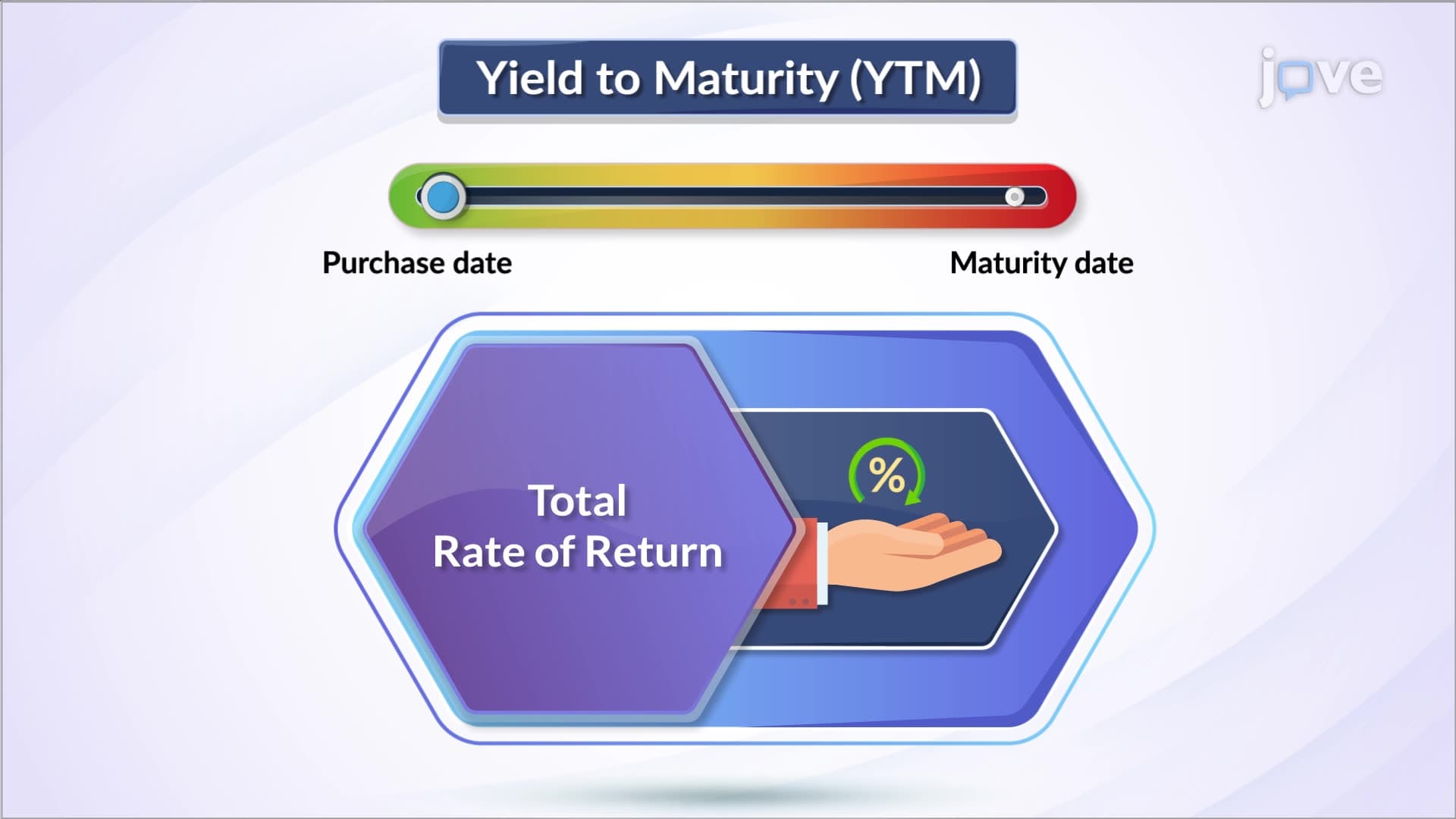
When Microsoft's CFO decides between issuing 5-year versus 10-year corporate bonds, the yield curve becomes a strategic roadmap. Bond yields represent the total return investors demand for lending capital to corporations or governments, directly impacting every major financing decision across Corporate America.
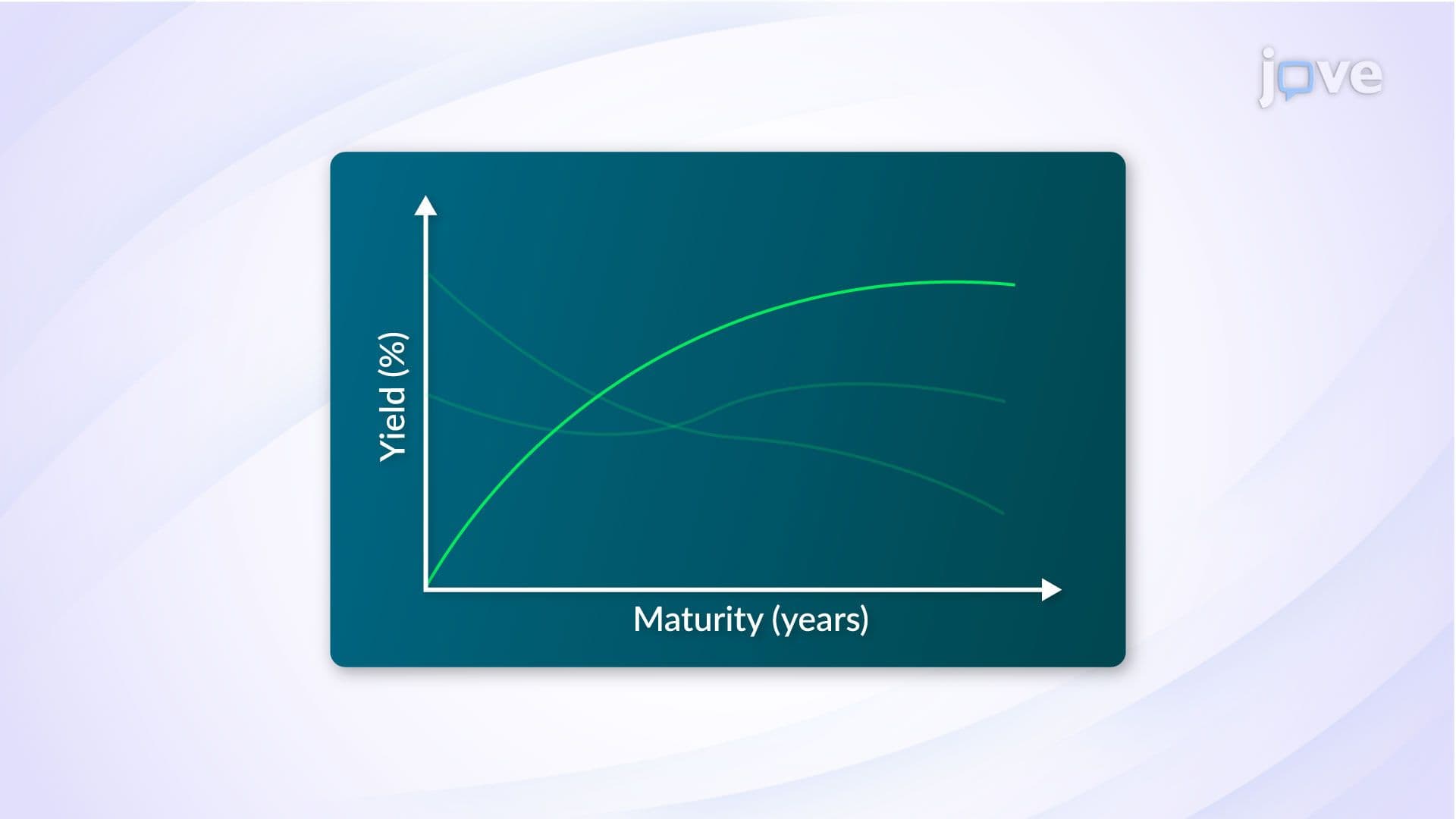
Professional portfolio managers at firms like Fidelity monitor three distinct yield curve shapes to guide trillion-dollar investment decisions. A normal upward-sloping curve signals economic expansion, prompting aggressive growth strategies and increased capital expenditures. Companies like Amazon historically time major warehouse expansions during these periods, capitalizing on predictable borrowing costs and economic tailwinds.
Conversely, an inverted yield curve-where short-term rates exceed long-term rates-has preceded every U.S. recession since 1970. When this occurred in 2019, savvy CFOs at companies like Walmart accelerated debt refinancing and built cash reserves before credit markets tightened. This strategic positioning enabled competitive advantages during the subsequent economic uncertainty.
Corporate treasury departments leverage yield analysis for sophisticated hedging strategies. When Ford Motor Company faced rising interest rate exposure in 2022, their treasury team used yield curve positioning to implement interest rate swaps, protecting profit margins from Federal Reserve policy changes.
Investment committees at pension funds and endowments, including those managing retirement assets for General Electric employees, adjust duration risk based on yield curve steepness. A flattening curve signals potential economic slowdown, prompting defensive portfolio rebalancing and increased liquidity reserves.
Bond yields reveal competitive positioning within industries. When Tesla's corporate bonds trade at lower yields than traditional automakers like General Motors, it reflects market confidence in Tesla's financial stability and growth prospects. Strategic analysts use these yield differentials to identify acquisition targets, assess supplier financial health, and benchmark their own cost of capital against industry peers.
Related Micro-courses