Loading subject page…


2,159 views

Video Summary: Calculating the Yield to Maturity Explained
Fixed-income portfolio managers at major institutions like BlackRock rely on calculating yield maturity to optimize bond allocation decisions worth billions annually. Understanding calculating the yield to maturity explained becomes critical when evaluating corporate debt from companies like Apple or Microsoft against Treasury alternatives. This metric determines whether a bond's expected returns justify the credit risk and opportunity cost. The calculation process involves matching present value of future cash flows to current market price, revealing the true annualized return if held to maturity. Watch the full video on JoVE Coach to master this concept with expert-led visuals and step-by-step explanations.
When JPMorgan Chase's treasury department evaluates a $500 million corporate bond purchase, calculating yield maturity becomes the cornerstone of their investment decision. This calculation determines whether the expected returns compensate adequately for credit risk, duration risk, and opportunity cost compared to alternative investments.
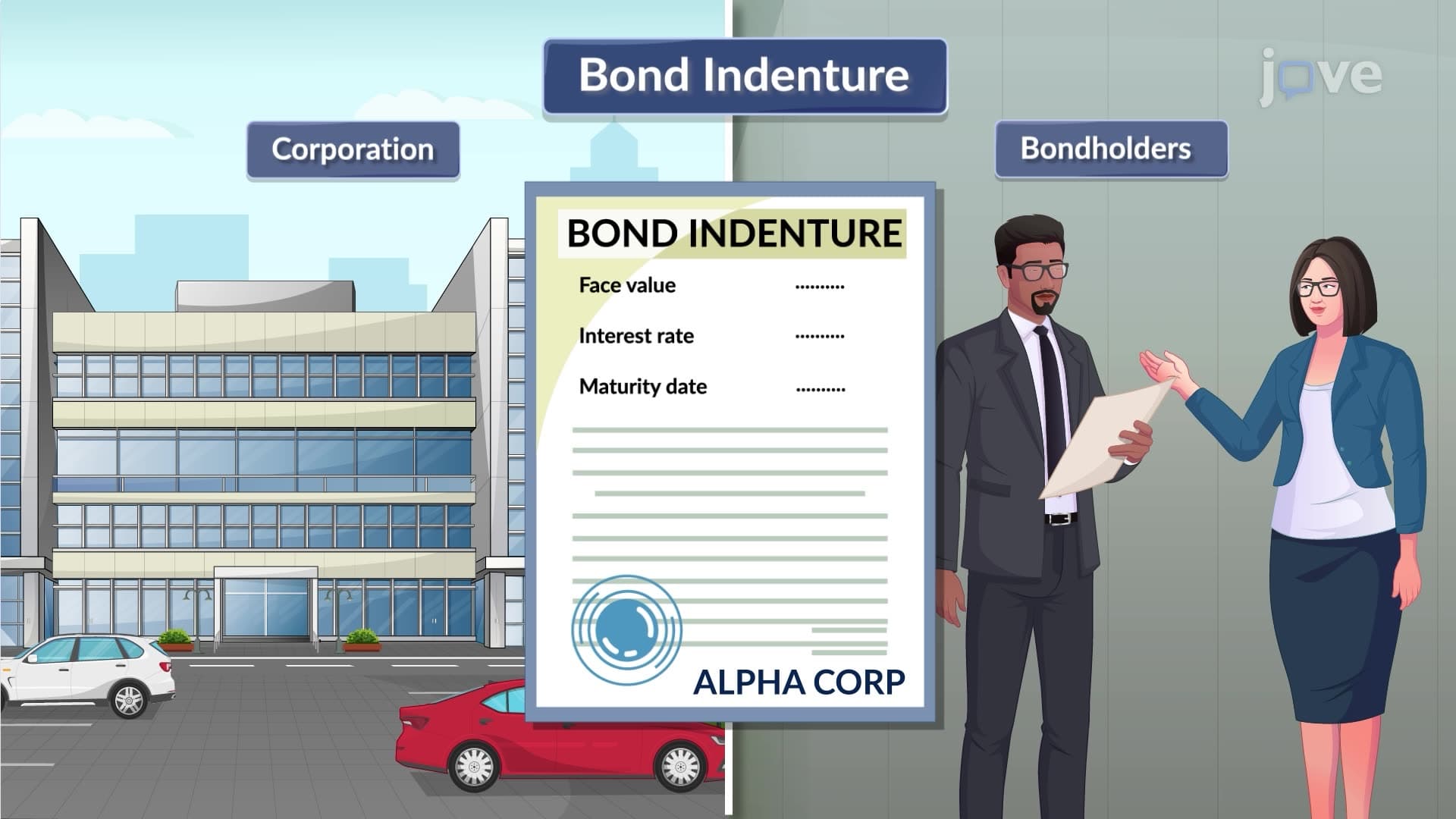
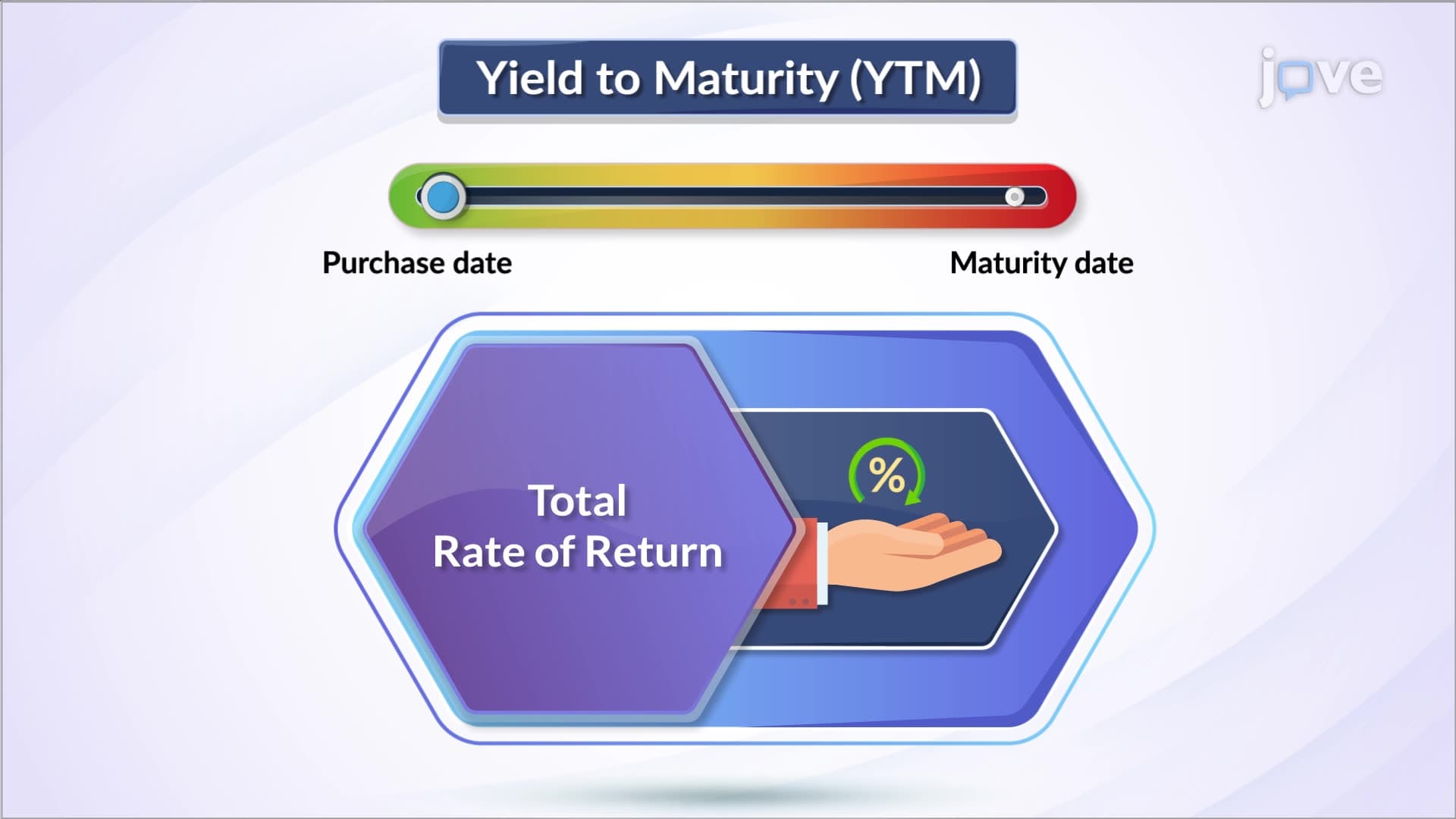
The yield-to-maturity calculation solves for the discount rate that equates a bond's present value of future cash flows to its current market price. Using the transcript example: a $1,000 face value bond with $60 annual coupons, three years to maturity, priced at $948, yields approximately 7.94%. This tells portfolio managers that holding this Alpha Corp bond to maturity should generate a 7.94% annualized return, assuming no default.
Professional bond traders at firms like Goldman Sachs use this metric to evaluate thousands of securities daily. The calculation becomes: PV = C/(1+r)¹ + C/(1+r)² + ... + (C+FV)/(1+r)ⁿ, where PV equals current price, C represents coupon payments, FV is face value, r is YTM, and n is years to maturity.
YTM calculations reveal market sentiment about credit quality and interest rate expectations. When General Electric's bonds trade at yields significantly above Treasury rates, the spread reflects investors' assessment of GE's creditworthiness and business prospects. Portfolio managers use these calculations to identify relative value opportunities across sectors.
Chief financial officers leverage YTM analysis when timing debt issuances. If market conditions suggest their company's bonds would trade at favorable yields, they might accelerate refinancing plans. Conversely, elevated YTM requirements signal market concerns that might delay new debt offerings until conditions improve.
The calculation also influences merger and acquisition financing decisions. Private equity firms analyzing leveraged buyouts compare target company bond yields against market benchmarks to assess financing costs and deal viability.
Related Micro-courses