Loading subject page…


2,159 views

Video Summary: Inflation and Interest Rates Real Explained
Understanding inflation interest rates real relationships is crucial when Treasury yields climb and corporate borrowing costs surge, directly impacting your company's capital allocation decisions. When Apple issues corporate bonds during inflationary periods, they must account for how inflation erodes future cash flows while higher interest rates reduce bond valuations. The concept of Inflation And Interest Rates Real Explained helps finance professionals navigate these market dynamics by distinguishing between nominal returns and real purchasing power gains. Watch the full video on JoVE Coach to master this concept with expert-led visuals and step-by-step explanations.
When Goldman Sachs advises clients on bond portfolios during periods of rising inflation, they emphasize a critical distinction that separates seasoned finance professionals from those who focus solely on headline returns. The relationship between inflation, interest rates, and real returns forms the foundation of sophisticated capital allocation decisions that can make or break long-term corporate performance.
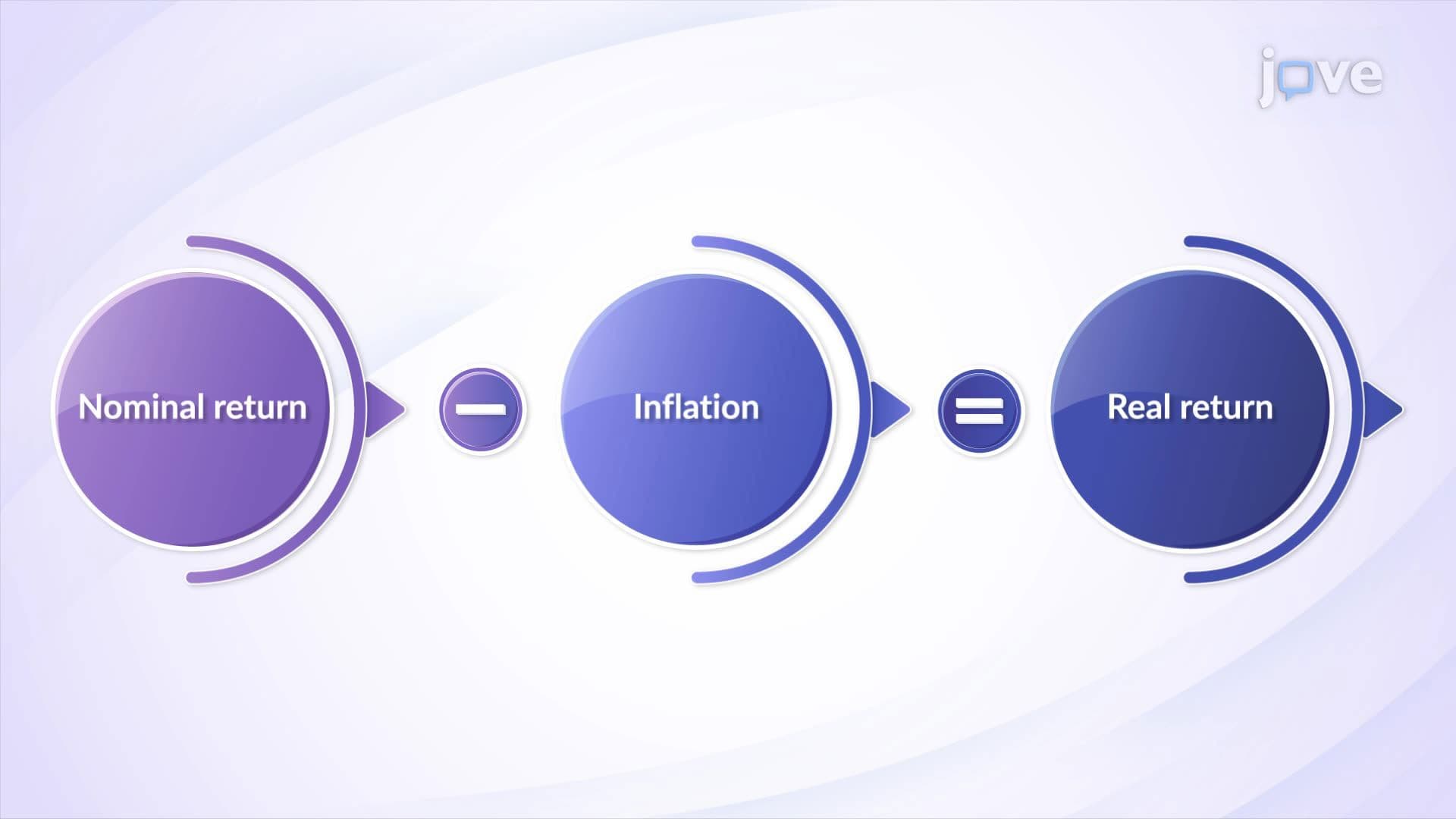
Corporate treasurers at companies like Microsoft must navigate this complexity daily. Consider a scenario where your company invests excess cash in a 10-year Treasury bond yielding 6%. While this nominal return appears attractive, inflation running at 3.5% means your real return-the actual increase in purchasing power-equals approximately 2.4%. This calculation becomes critical when evaluating whether to lock in long-term rates or maintain liquidity for operational needs.
The mathematical relationship follows: Real Return ≈ Nominal Return - Inflation Rate. However, the precise formula accounts for compounding effects: Real Return = [(1 + Nominal Return) ÷ (1 + Inflation Rate)] - 1.
When the Federal Reserve signals rate increases, bond prices fall due to the inverse relationship between yields and valuations. This principle affects corporate decisions beyond treasury management. Companies like Caterpillar, which rely on long-term project financing, must time their debt issuance carefully. Issuing bonds before rate increases locks in lower borrowing costs, while waiting could mean significantly higher interest expenses that flow directly to the P&L.
Finance leaders use this framework to optimize working capital strategies. When inflation accelerates, companies often accelerate inventory purchases to hedge against price increases. However, this strategy must be weighed against the opportunity cost of capital and potential obsolescence risks. The real return analysis helps quantify whether inventory hedging generates positive economic value after accounting for inflation's impact on alternative investments.
Related Micro-courses