Loading subject page…


2,159 views

Video Summary: What are Bond Markets
Corporate treasurers and portfolio managers navigate bond markets daily to optimize capital structure and investment returns. Understanding bond markets, where debt securities are issued and traded, directly impacts financing costs, liquidity management, and strategic planning. When Apple issued $17 billion in corporate bonds in 2021, it demonstrated how companies leverage primary markets for capital while investors use secondary markets for portfolio adjustments. The market's OTC structure and TRACE transparency regulations shape pricing dynamics that affect every corporate borrowing decision. Watch the full video on JoVE Coach to master this concept with expert-led visuals and step-by-step explanations.
When Microsoft's CFO decides to raise $10 billion through bond issuance rather than bank loans, that decision hinges on understanding bond markets, the global ecosystem where debt securities are created, priced, and traded. For business leaders, mastering bond markets isn't academic theory; it's essential for capital allocation, risk management, and competitive positioning.
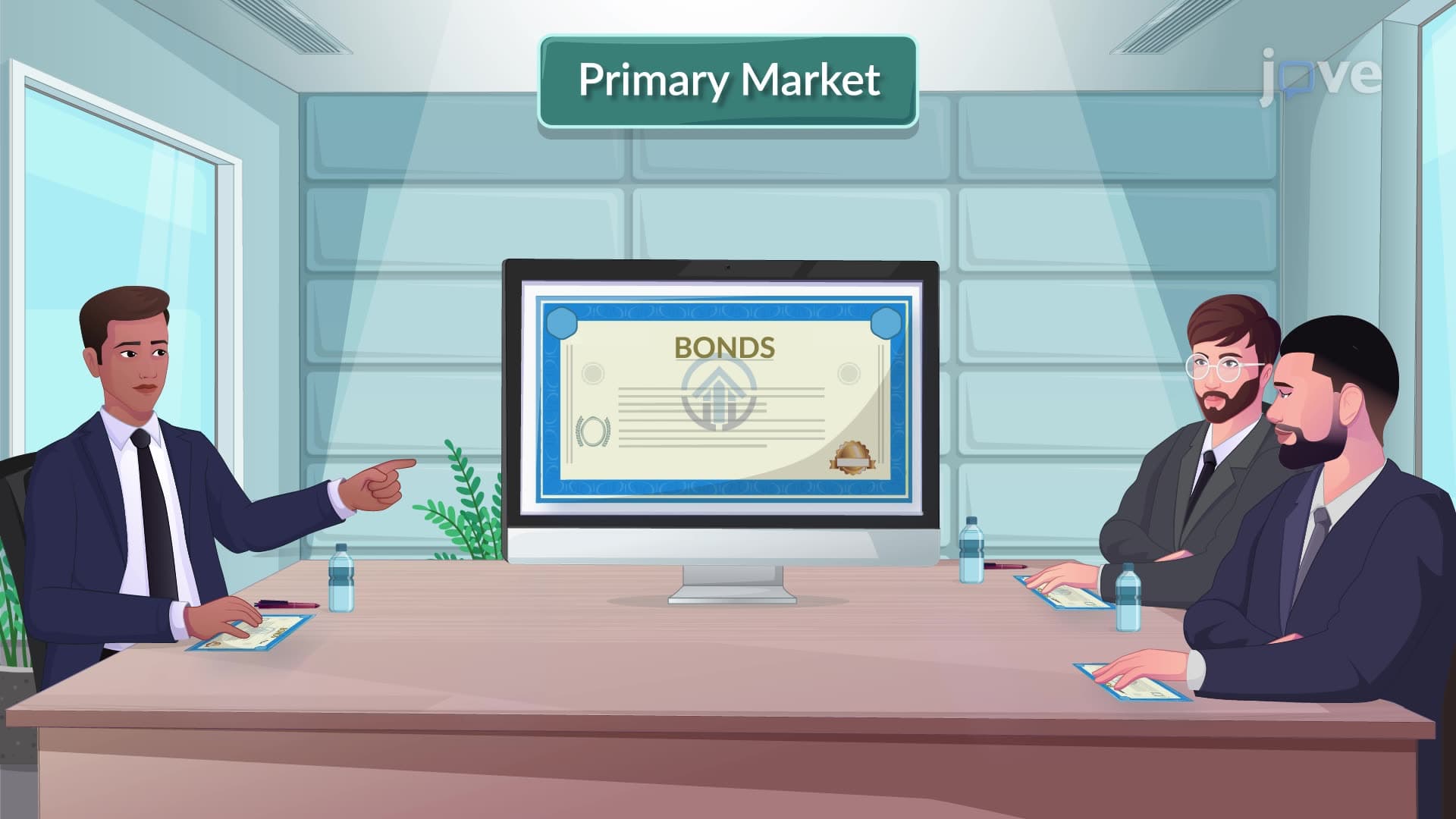
The primary bond market functions as corporations' gateway to debt capital. When Tesla issued $1.8 billion in junk bonds in 2017 to fund Model 3 production, timing was critical. Primary markets allow companies to access capital directly from institutional investors, but success depends on market conditions, credit ratings, and investor appetite. Corporate treasurers must evaluate interest rate environments, competitor issuances, and their own cash flow projections to optimize pricing and terms.
Secondary markets provide the liquidity that makes bond investments attractive to institutional buyers. Unlike stocks trading on centralized exchanges, most corporate bonds trade over-the-counter through dealer networks. This creates both opportunities and challenges: while large institutions can negotiate competitive prices, smaller transactions may face wider bid-ask spreads. Portfolio managers at firms like BlackRock leverage secondary market liquidity to rebalance duration risk and credit exposure without disrupting underlying business operations.
The implementation of TRACE regulations transformed bond market transparency, requiring dealers to report transaction details within 15 minutes. This regulatory change shifted competitive dynamics, corporate finance teams can now benchmark their borrowing costs against peers in real-time. Investment committees use TRACE data to evaluate credit spreads, assess market sentiment, and time refinancing decisions. The transparency also enables better due diligence when evaluating acquisition targets or partnership opportunities.
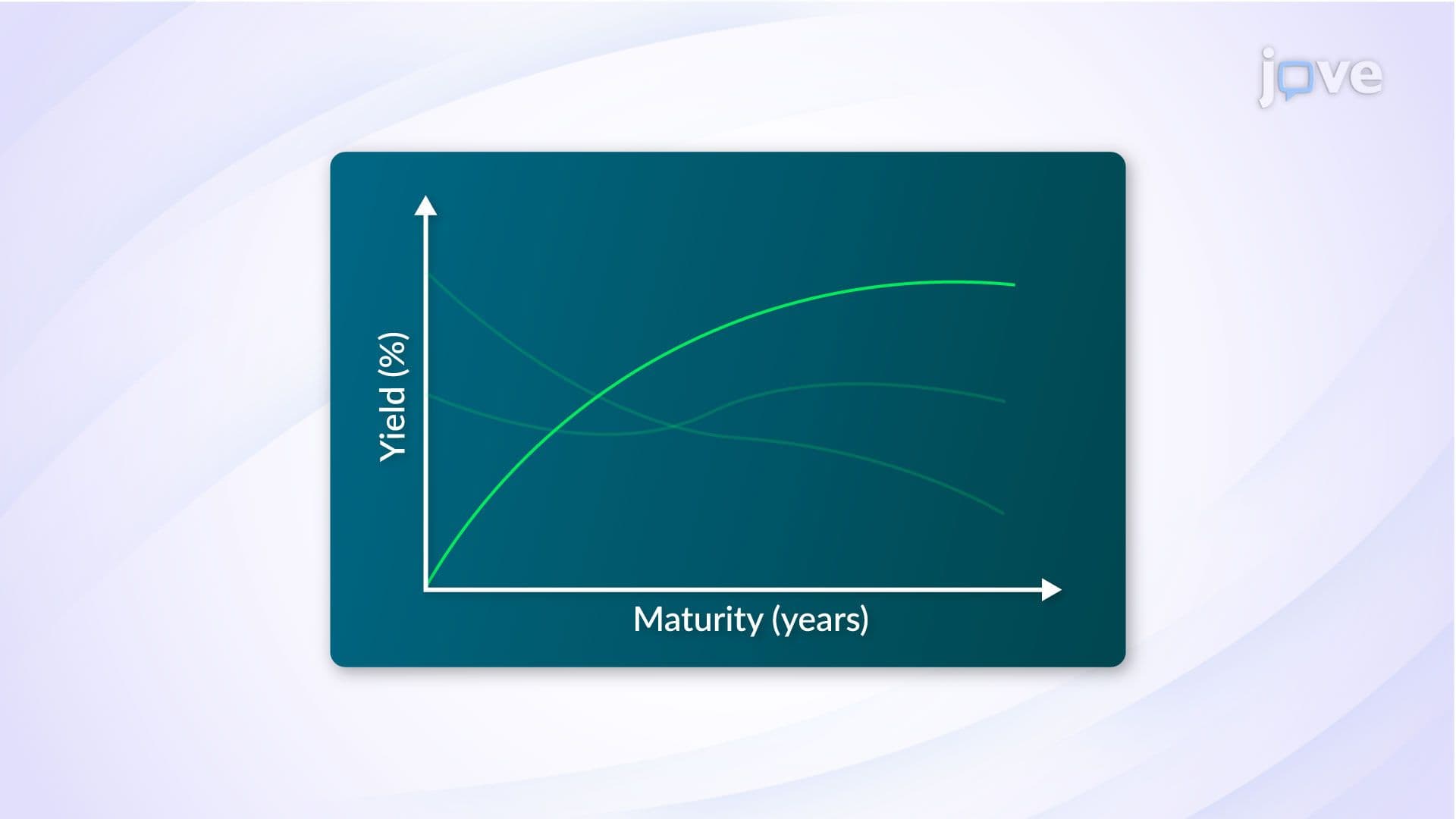
Understanding bond market mechanics enables more sophisticated capital structure decisions. Companies can arbitrage between bank debt and bond financing based on market conditions. During the 2020 credit crisis, firms with strong bond market relationships maintained access to capital while bank-dependent competitors faced constraints. Board-level discussions about optimal debt-to-equity ratios now incorporate bond market dynamics, yield curve positioning, and refinancing risk management as core strategic considerations.
Related Micro-courses